10 Cat Food Wet vs Dry Which Is Better?
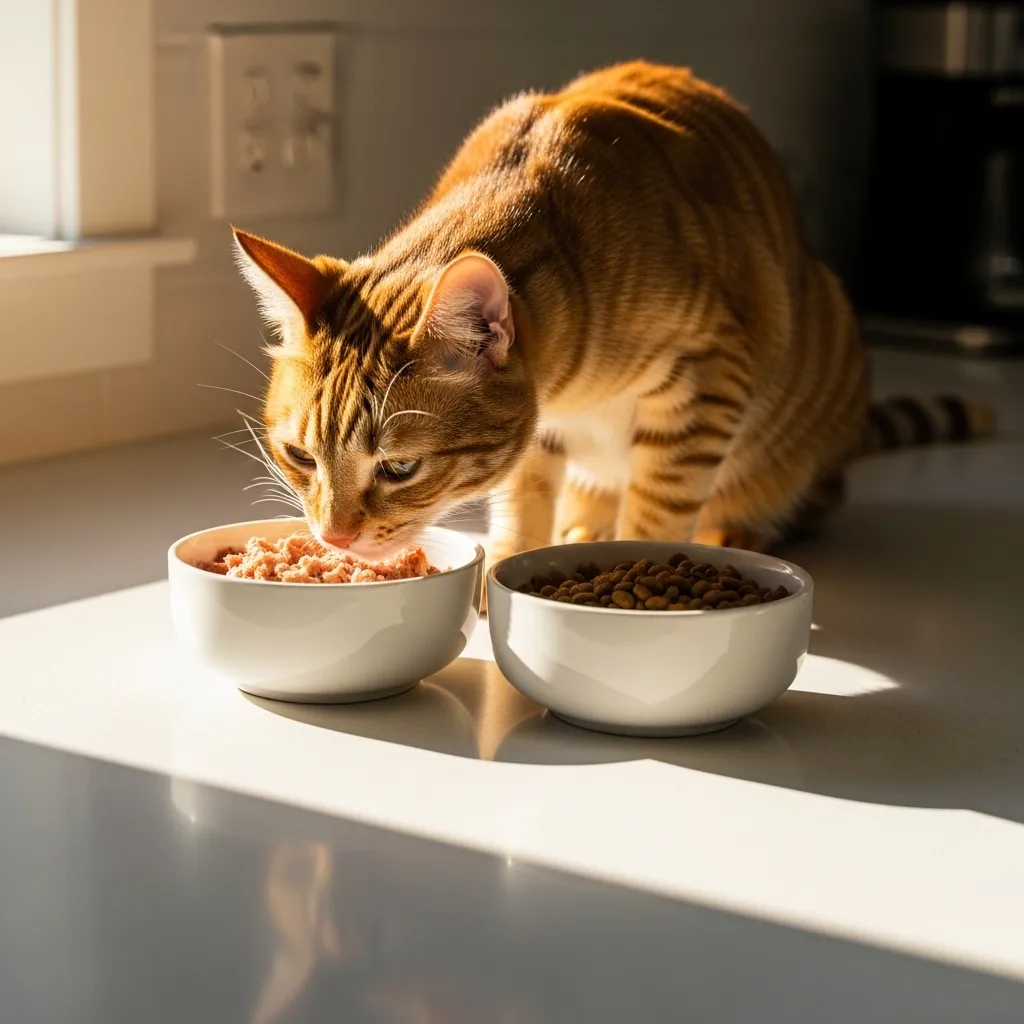
I’ve spent a lot of time standing in the cat food aisle, staring at shelves full of cans and bags. Every cat owner I know has asked the same question at some point: wet or dry? It feels like a big decision, and honestly, it kind of is. What you feed your cat affects their health, their energy, and even their bathroom habits.
After years of trial and error with my own picky feline, I’ve learned that there isn’t one perfect answer for every cat. But there are clear differences between wet and dry food that can help you choose. Let’s break down ten key points so you can pick the best option for your fur baby.
1. Hydration Levels: Wet Food Wins Hands Down
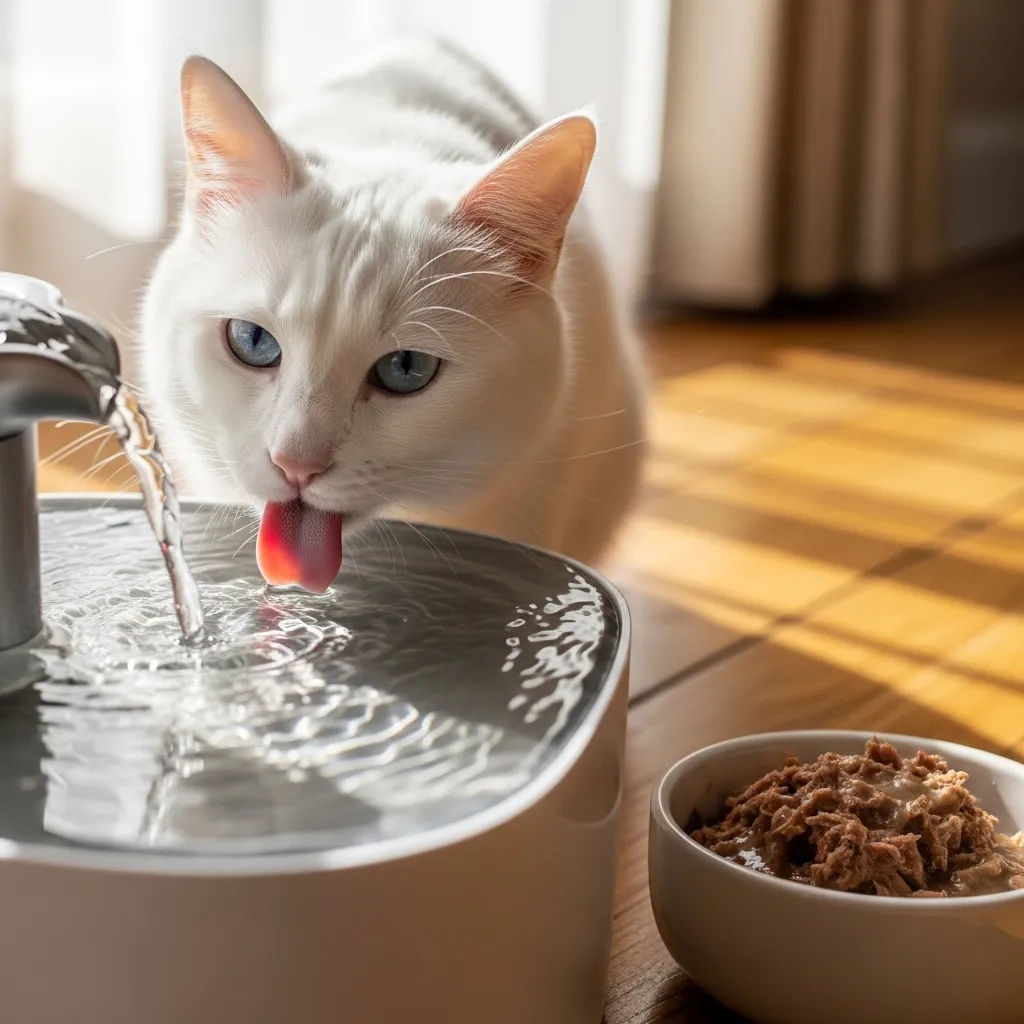
Cats are naturally low-thirst animals. In the wild, they get most of their moisture from prey. Dry food has about 6-10% water, while wet food is around 75-85% water. That’s a huge difference.
If your cat rarely drinks from their water bowl, wet food can help keep their kidneys and urinary tract healthy. I’ve noticed my cat drinks way less when she eats dry food. Adding wet food to her diet was like giving her a built-in water fountain.

2. Dental Health: Dry Food Isn’t a Magic Toothbrush
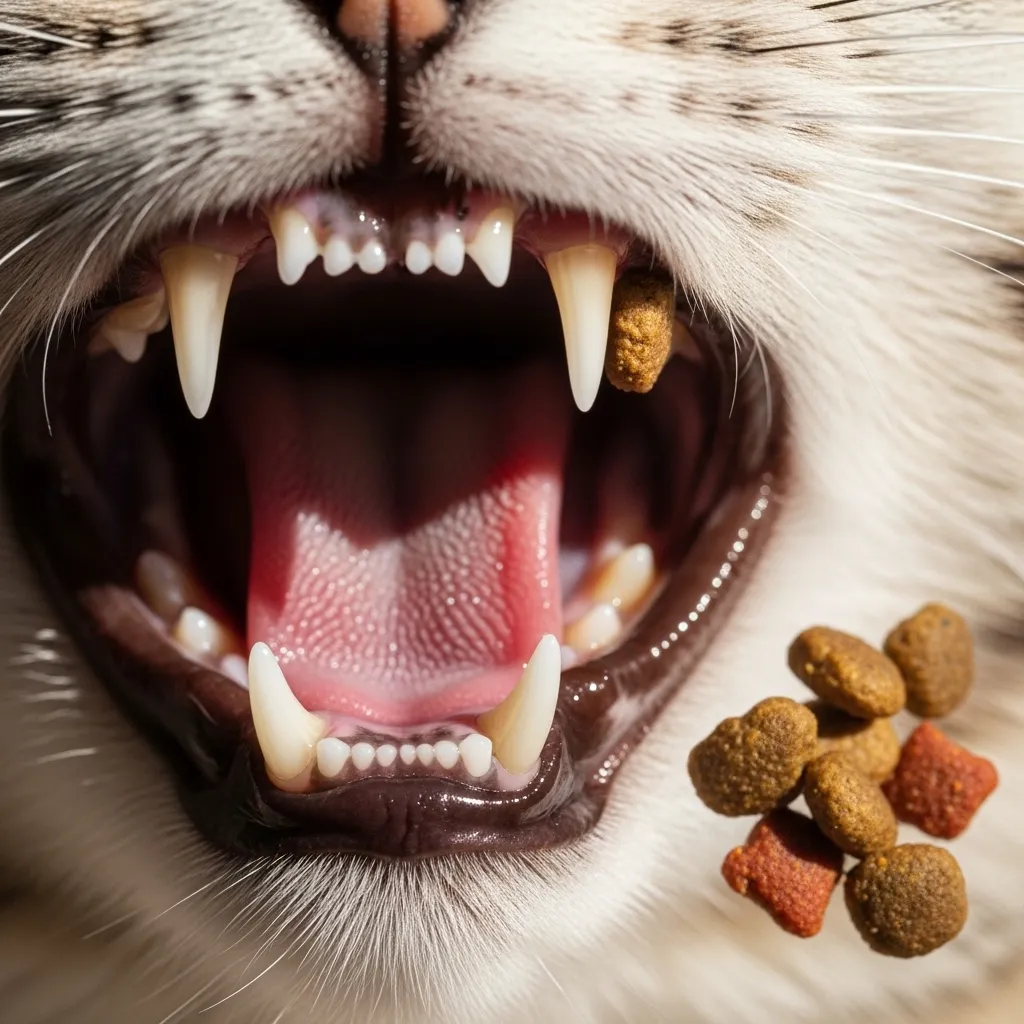
Many people think dry food cleans teeth because it’s crunchy. The truth is, most cats swallow kibble whole. The crunching doesn’t really scrub the teeth like a toothbrush does.
Some dental diets are designed to help, but regular dry food won’t prevent plaque. Wet food can stick to teeth a little more, but it’s not a major cause of decay. The best dental care is still brushing or dental treats. Don’t rely on kibble alone.
3. Cost Comparison: Dry Food Is Easier on the Wallet
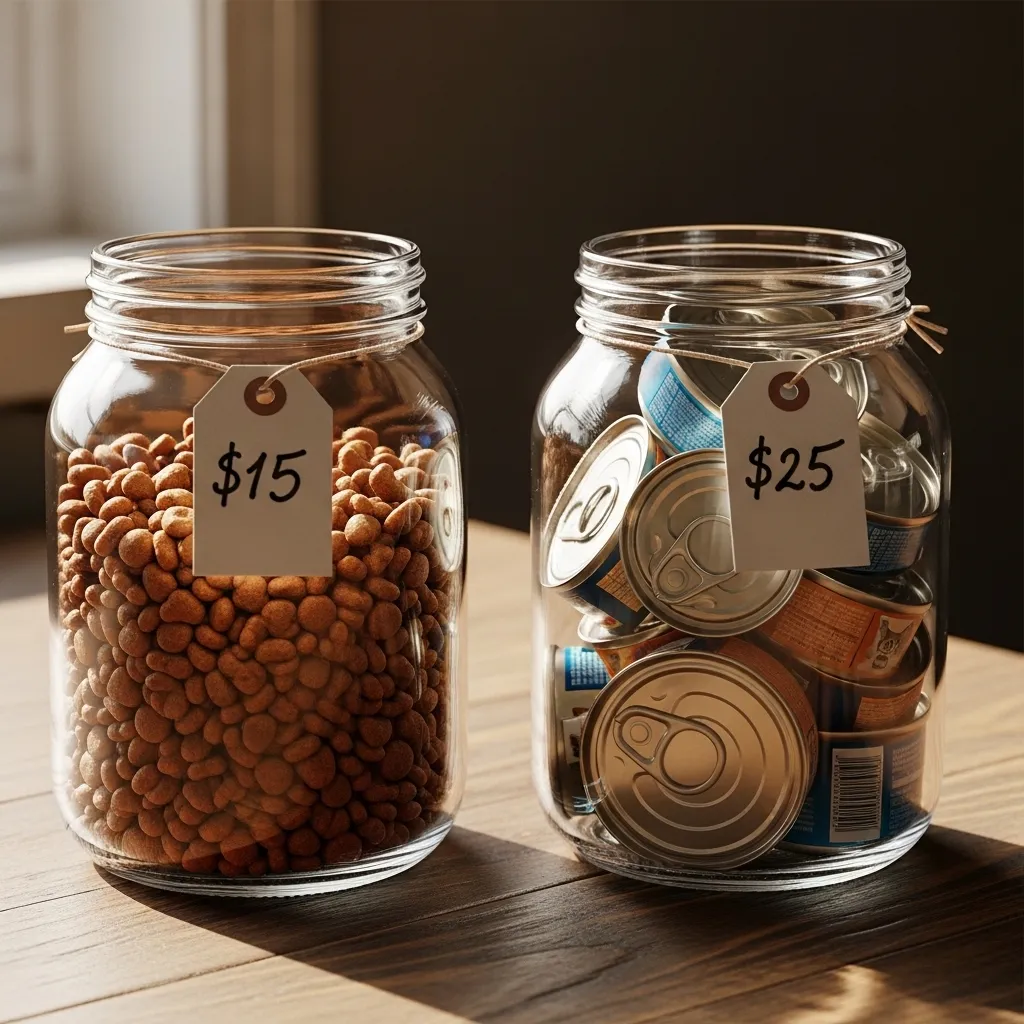
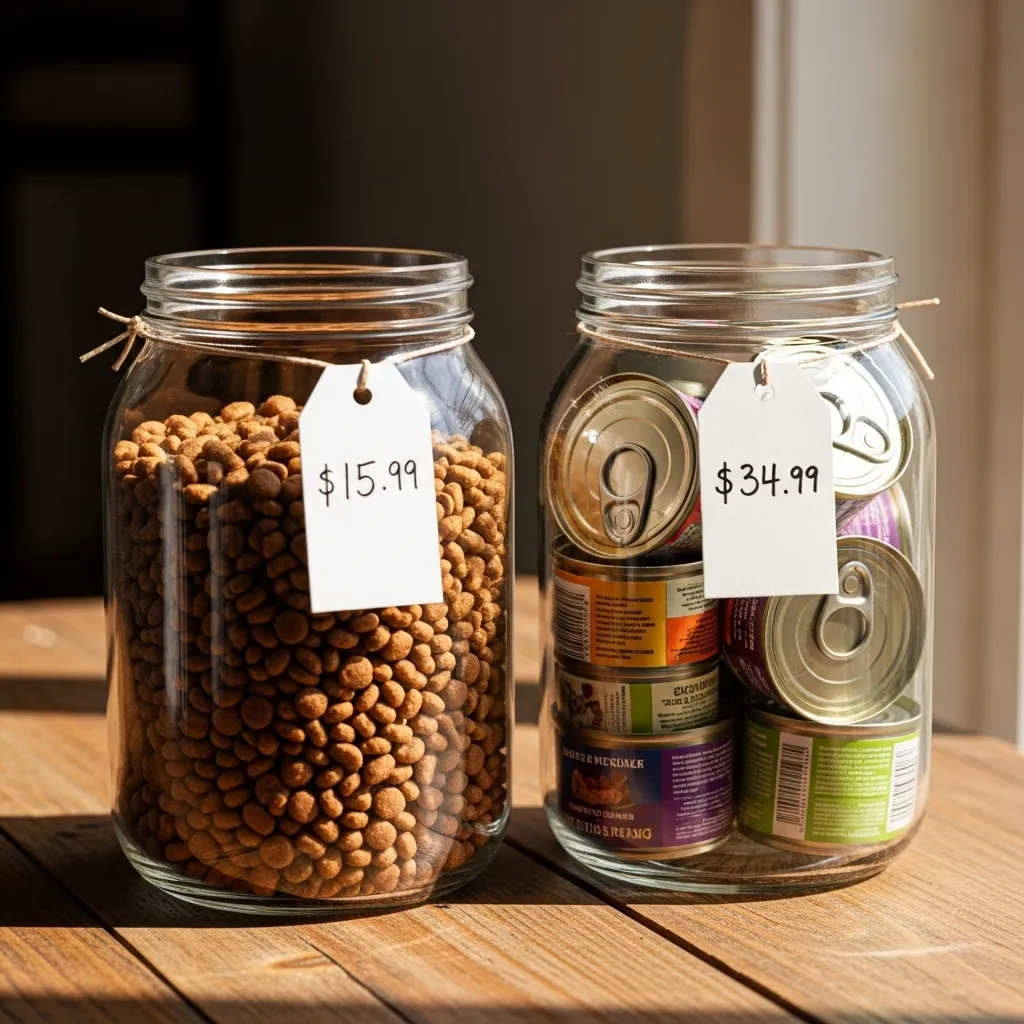
Let’s be real—cat food adds up. Dry food is almost always cheaper per serving than wet food. A big bag can last weeks, while cans and pouches vanish fast.
If you’re on a tight budget, dry food is a practical choice. But I’ve found mixing a little wet food with dry can stretch your money while still giving your cat some moisture. You don’t have to go all-in on one type.
4. Weight Management: Wet Food Helps Cats Feel Full
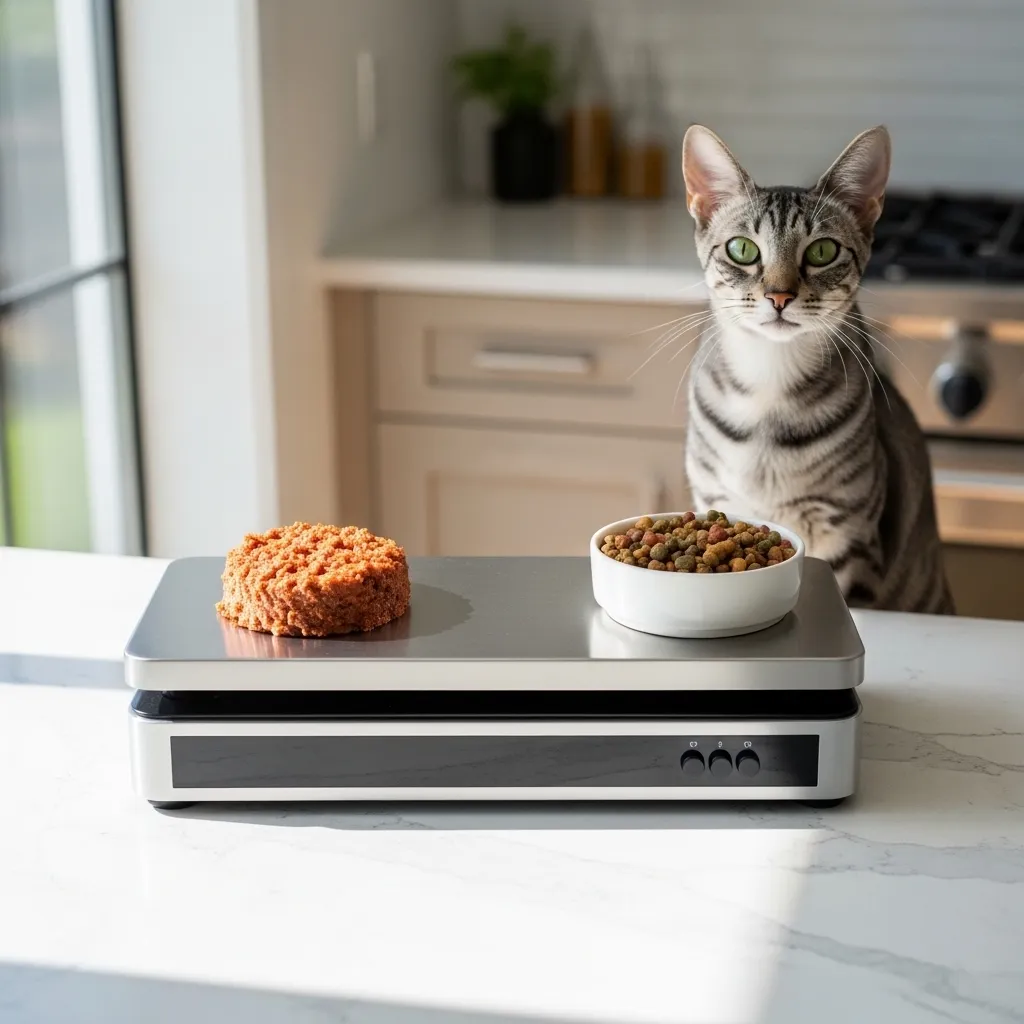
Wet food has fewer calories per gram than dry food because of the high water content. This means your cat can eat a larger volume of food without packing on pounds.
My own cat tends to beg for more food even after finishing her dry kibble. When I switched to wet food, she seemed more satisfied and stopped begging as much. If your cat is a chunky monkey, wet food might help them slim down.
5. Convenience: Dry Food Is the Easy Breezy Option
Dry food wins on convenience. You can leave it out all day without it spoiling. It’s great for free-feeding cats or busy mornings when you’re running out the door.
Wet food needs to be eaten quickly or refrigerated. Left out too long, it dries out and can attract bugs. If you travel often or have a hectic schedule, dry food might be your best friend. Just make sure fresh water is always available.
6. Urinary Health: Wet Food Is a Game Changer
Urinary issues are common in cats, especially males. Wet food’s high moisture content helps flush out the bladder and dilute urine. This can prevent painful crystals and blockages.
My vet once told me that switching a cat from dry to wet food is one of the best things you can do for their urinary system. If your cat has had a UTI or seems to strain when peeing, wet food is worth considering. It’s not a cure-all, but it helps a lot.

7. Picky Eaters: Wet Food Smells More Tempting
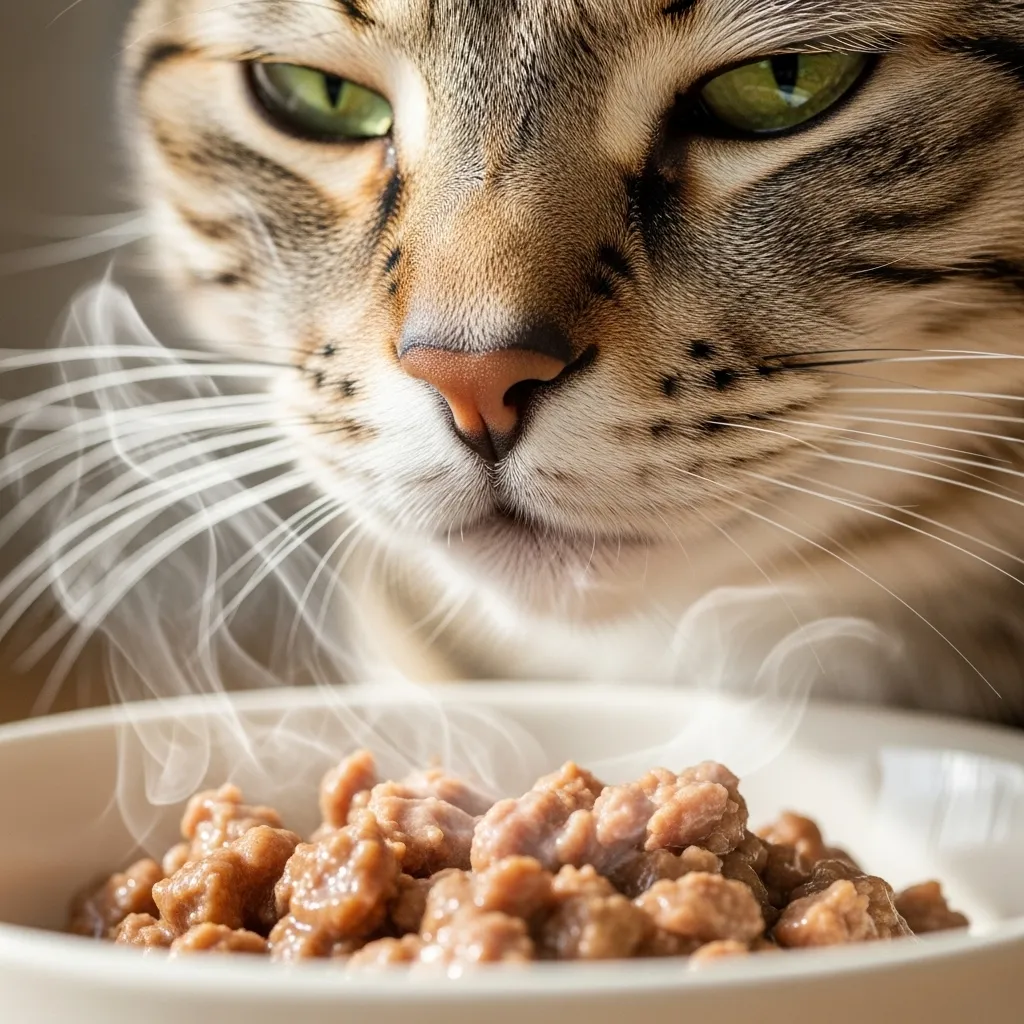
Cats are smell-driven eaters. Wet food has a stronger aroma than dry kibble. That’s why many finicky felines turn their nose up at dry food but go crazy for a can of pâté or shreds.
If your cat is a picky eater, try warming up a little wet food in the microwave for a few seconds (stir it well!). The smell alone might get them interested. I’ve used this trick to coax my cat into eating when she’s feeling under the weather.
8. Shelf Life and Storage: Dry Food Lasts Longer
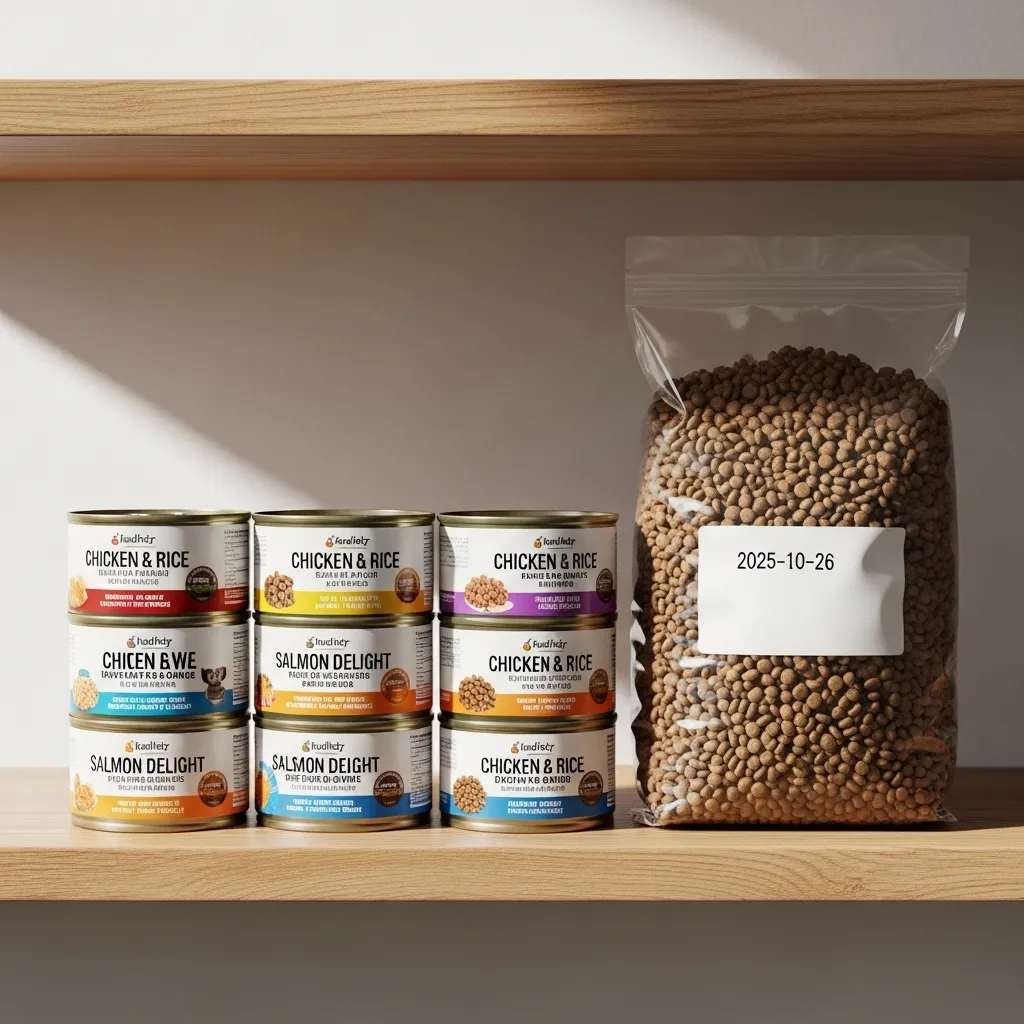
Dry food can sit in your pantry for months without going bad. Wet food, once opened, must be used within a day or two. This makes dry food a better option for stockpiling or for people who don’t shop often.
But here’s a tip: store dry food in an airtight container to keep it fresh and prevent bugs. If you have a small apartment or limited fridge space, dry food might be more practical. Just watch the expiration dates.
9. Nutrient Quality: Both Can Be Good (or Bad)
Not all cat foods are created equal. You can find high-quality dry food with great ingredients and low-quality wet food full of fillers. The key is reading labels, not just the type of food.
Look for a named protein source (like chicken or salmon) as the first ingredient. Avoid too many carbs or vague “meat by-products.” Whether you choose wet or dry, focus on quality. Your cat’s health depends on what’s inside the package, not just the form.
10. The Best of Both Worlds: Mixing Wet and Dry
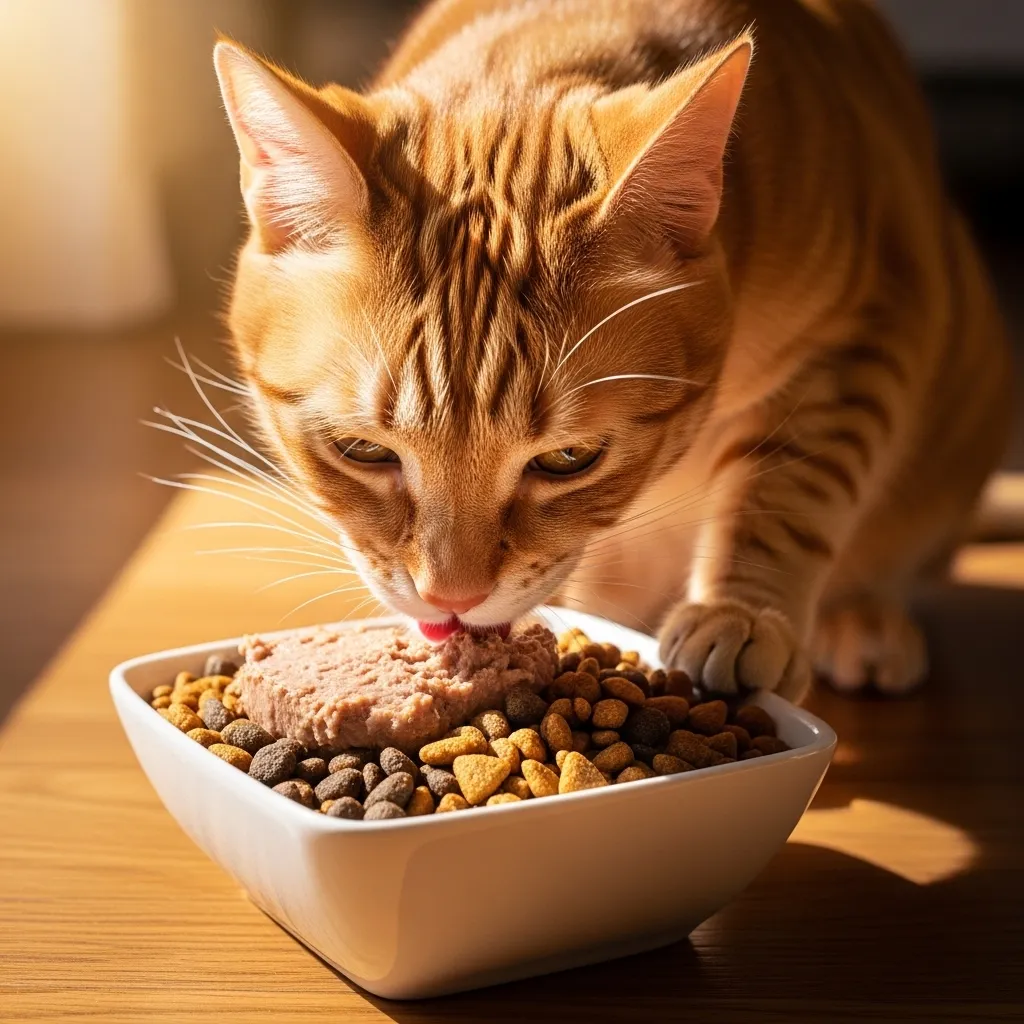
You don’t have to pick just one. Many cat owners (including me) feed a mix. For example, dry food in the morning for convenience and wet food at night for hydration. This gives your cat variety and balances the pros and cons.
Mixing also helps if your cat is a slow adapter. Start with a small amount of wet food on top of their dry kibble. Gradually increase the wet food portion over a week. Most cats love the combo, and you get the best of both worlds.
Conclusion
There’s no single “better” choice between wet and dry cat food. Each has its strengths. Wet food shines for hydration and urinary health, while dry food wins on convenience and cost. The best diet for your cat depends on their age, health, and personality.
Listen to your cat, talk to your vet, and don’t be afraid to mix it up. A happy, healthy cat is the real goal. And honestly, as long as they’re eating well and thriving, you’re doing a great job.
FAQ
Q: Can I feed my cat only dry food?
Yes, but make sure they drink plenty of water. Some cats don’t drink enough, which can lead to dehydration or urinary problems. If you choose dry only, consider adding a water fountain.
Q: Is wet food bad for a cat’s teeth?
Not really. Wet food doesn’t cause more tooth decay than dry food. The real issue is lack of dental care. Brush your cat’s teeth or offer dental treats regardless of their diet.
Q: How much wet food should I feed my cat per day?
It depends on their weight and the food’s calorie content. A general rule is one 3-ounce can per 3-3.5 pounds of body weight daily. Check the label and adjust based on your cat’s activity level.
Q: Can switching from dry to wet food cause diarrhea?
It can if you switch too quickly. Cats’ stomachs are sensitive. Mix a little wet food with their dry food at first, then gradually increase the wet food over 7-10 days. This gives their digestion time to adjust.
Q: Is expensive cat food always better?
Not always, but price often reflects ingredient quality. Higher-priced foods usually have more meat and fewer fillers. That said, you can find good mid-range options. Always read the ingredient list rather than just looking at the price tag.