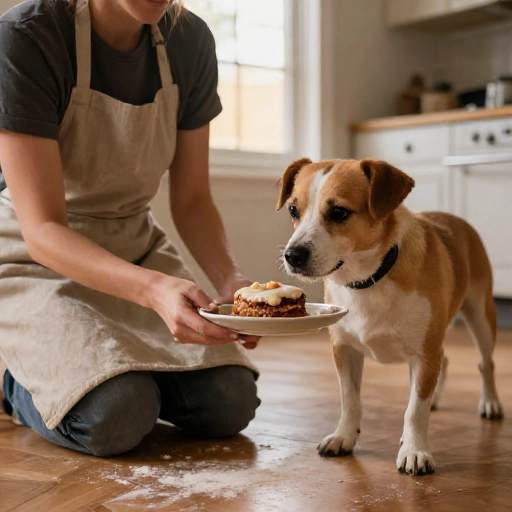
Why Dogs Follow You Everywhere: 10 Reasons Your Pup Is Your Shadow
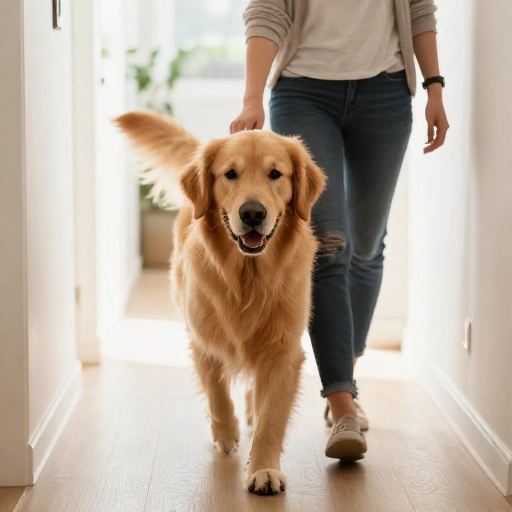
I used to think my dog had a secret radar. Every time I stood up, he stood up. Every time I walked to the kitchen, he was right behind me. Bathroom? He’d wait outside the door like a tiny bodyguard. If your dog follows you everywhere, you know exactly what I’m talking about.
It’s sweet, but sometimes you wonder: is this normal? The short answer is yes. Most of the time, a dog following you around is a sign of love, instinct, and a very strong bond. But there are also practical reasons—some funny, some serious—behind that constant shadow.
Here are 10 real reasons why dogs follow you everywhere, plus what you can do if it ever becomes too much.
1. It’s in Their DNA: Pack Mentality
Dogs are social animals. Their ancestors lived in packs where sticking together meant safety and survival. Even though your dog now lives in a cozy home, that ancient instinct is still wired in.
To your dog, you’re part of their pack. Following you is a natural way to stay connected and know what’s happening. It’s not clinginess—it’s teamwork.
You might notice this more when you move between rooms. Your dog isn’t trying to annoy you; they’re just keeping the pack together.
2. They Simply Love Your Company
Dogs form deep attachments to their favorite humans. When you’re around, they feel safe and happy. Following you is their way of saying, “I like being near you.”
Science backs this up. Spending time with you can release oxytocin (the love hormone) in both of you. So when your dog trails after you, they’re basically chasing a good feeling.
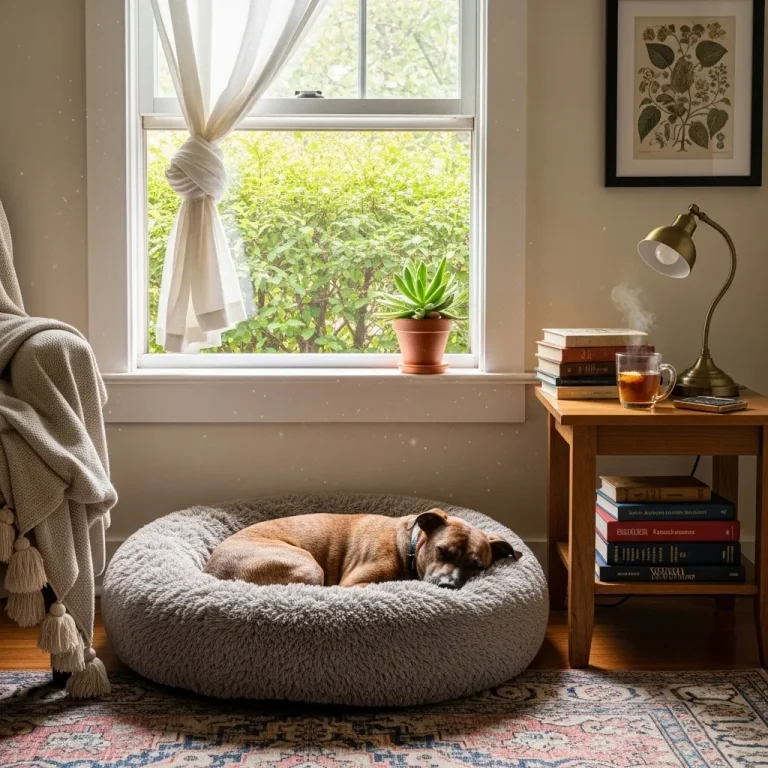
If your dog chooses to nap at your feet instead of another cozy spot, that’s a big compliment. You’re their favorite place.
3. They’re Hoping for a Treat or Meal
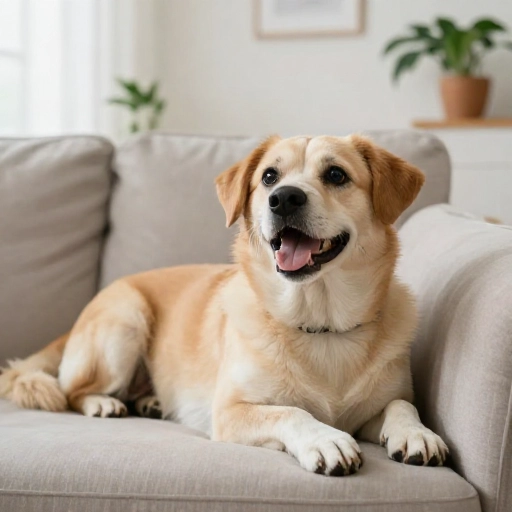
Let’s be honest: dogs are masters of opportunity. If you’ve ever given them a piece of cheese while cooking, they remember. Now every trip to the kitchen is a potential jackpot.
Following you into the kitchen, near the pantry, or anywhere food appears is classic opportunistic behavior. They’re not starving—they’re just optimistic.
This is especially true around meal times or when you’re opening a noisy bag. Your dog has learned that you are the source of good things.
4. They Need a Potty Break or Walk
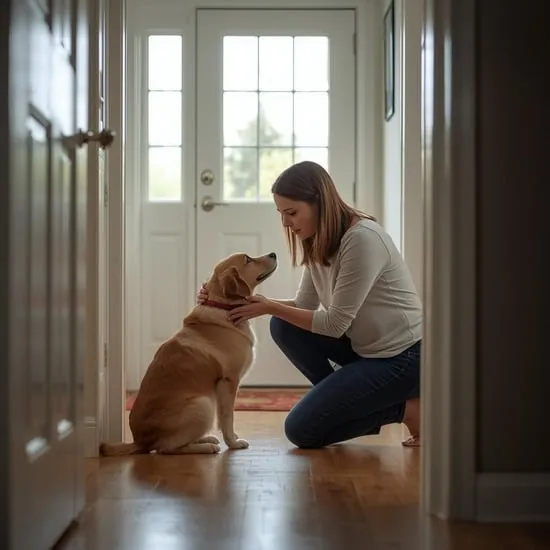
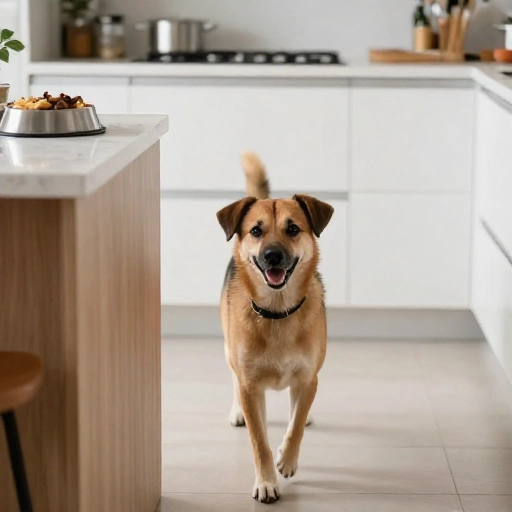
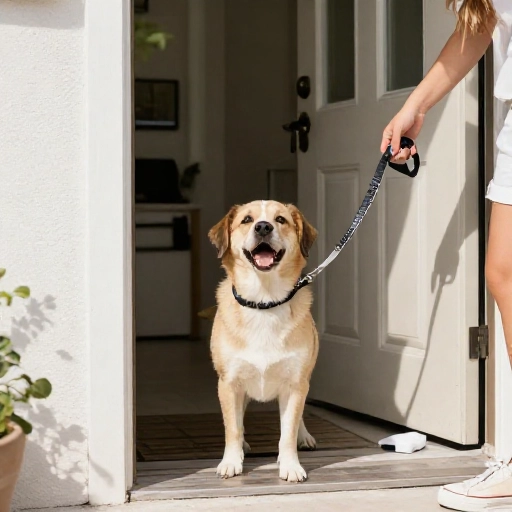
Sometimes following you is your dog’s way of communicating a need. If they stand by the door, pace, or stare at you after trailing you around, they might need to go out.
Dogs also follow you when they’re ready for a walk. They know your routine—putting on shoes, grabbing keys, or even just standing up at a certain time can trigger excitement.
If the following comes with whining or nudging, check the clock. It might be potty o’clock.
5. They’re Bored and Want Entertainment
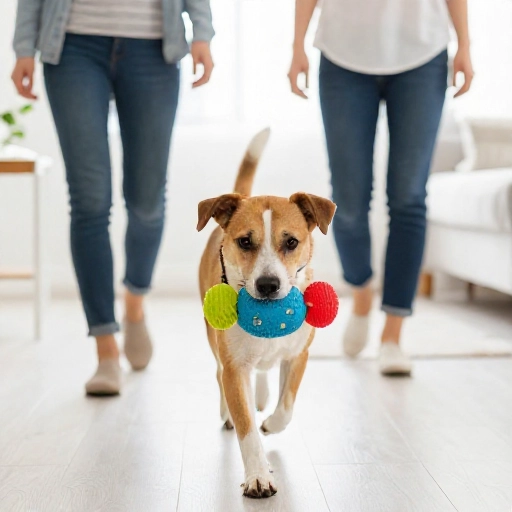
A bored dog is a creative dog. If there’s nothing else to do, following you becomes the main event. You’re interesting, you move around, and you might accidentally drop something fun.
This is common on lazy weekends or rainy days. Your dog isn’t necessarily anxious—they’re just looking for a little action.
Try a puzzle toy or a quick game of fetch. A tired dog is less likely to be your shadow every second.
6. They’re Anxious and Seeking Reassurance
Not all following is happy following. If your dog follows you with a tucked tail, pinned ears, or constant licking, they might be stressed. Separation anxiety is a real issue for many pups.
Loud noises, changes in routine, or new people can make a dog clingy. Following you is their way of saying, “I don’t feel safe—stay close.”
If you notice other anxiety signs like destructive chewing or accidents, talk to your vet. Sometimes a little training or calming support makes a big difference.
7. They’re Protecting You (or Your Territory)
Some dogs take their guard dog role very seriously. Following you from room to room is a way to keep an eye on things. They’re not just following—they’re patrolling.
This is more common in breeds like German Shepherds, Rottweilers, or even little terriers with big attitudes. They want to know where you are and who’s around.
It’s sweet, but if your dog gets tense or barks at every noise, they might need help learning to relax. You don’t want them to feel like they’re always on duty.
8. They’re Herding You (Breed Instinct)
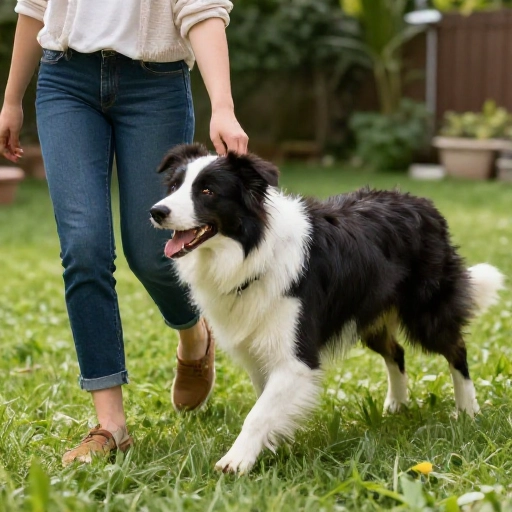
If you have a herding breed—think Border Collie, Australian Shepherd, or Corgi—following you is literally in their job description. These dogs were bred to move livestock by staying close and nudging.
You’re the livestock now. They might follow you, circle you, or even nip at your heels. It’s not aggression; it’s instinct.
Give them a job like fetch, agility, or even hide-and-seek. A herding dog with a task is a happy dog.
9. They’re Curious About What You’re Doing
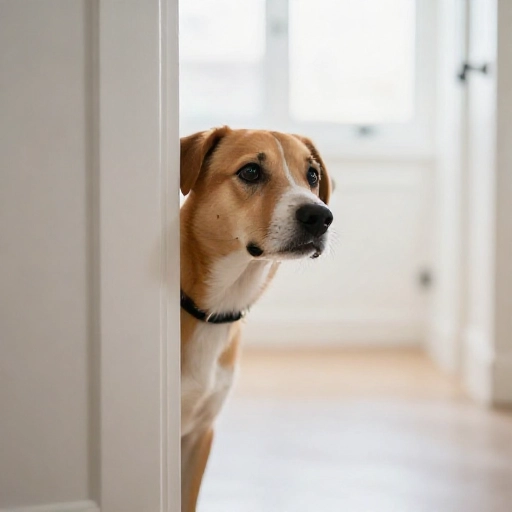
Dogs are naturally nosy. If you’re doing something—folding laundry, typing, opening a box—they want to see. Following you is like watching their favorite TV show.
This is especially true for puppies and younger dogs. Everything you do is fascinating. You’re the most interesting thing in their world.
So when they plant themselves in the doorway while you’re busy, it’s not stalking. It’s quality entertainment.
10. They’ve Learned It Gets Them Attention
Dogs repeat behaviors that work. If following you leads to pets, treats, or even just eye contact, you’ve accidentally trained them to do it more.
Think about it: every time they follow you, you might say “Whatcha doing?” or give a little pat. That’s a reward. So they keep following.
If you want to reduce shadowing, ignore the following sometimes and reward them when they relax on their own. It’s a gentle way to balance the attention.
Final Thoughts: Your Shadow Is a Compliment
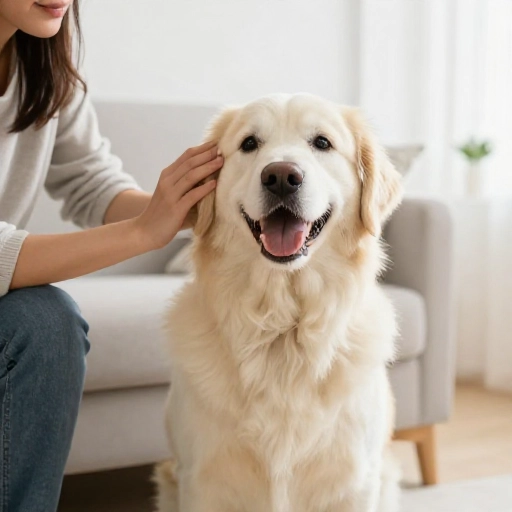
Most of the time, a dog following you everywhere is a beautiful thing. It means they trust you, love you, and feel safest by your side. That’s a bond many people wish for.
But if the following becomes obsessive or comes with anxiety, it’s worth a vet check or a chat with a trainer. You want your dog to feel secure—not stressed—when you’re apart.
So next time you trip over your furry shadow, smile. They’re not just following you. They’re choosing you, again and again.
Frequently Asked Questions
Q: Is it normal for my dog to follow me to the bathroom?
A: Yes, very normal. It’s a mix of pack instinct, curiosity, and wanting to be near you. Most dogs outgrow the intense version, but many never stop.
Q: Does following me everywhere mean my dog has separation anxiety?
A: Not always. If your dog panics when you leave, destroys things, or cries nonstop, it might be separation anxiety. Otherwise, it’s usually just strong attachment.
Q: How can I stop my dog from following me constantly?
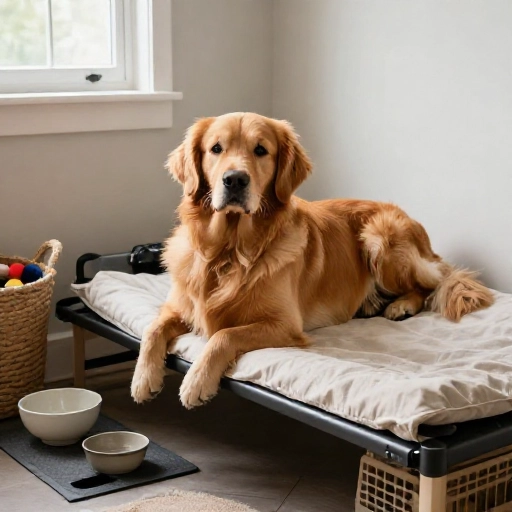
A: Reward independent behavior. Give them a cozy bed or puzzle toy nearby. Practice short separations and don’t make a big deal when you leave or return.
Q: Do some dog breeds follow more than others?
A: Yes. Herding breeds, Velcro breeds like Labrador Retrievers, and anxious rescues tend to follow more. But any dog can become a shadow with the right bond.
Q: When should I worry about my dog following me?
A: If it’s sudden, comes with panting, drooling, or destructive behavior, or if your dog can’t relax even when you’re home—check with your vet or a behaviorist.