Stop Puppy Biting – 10 Simple Tricks That Actually Work
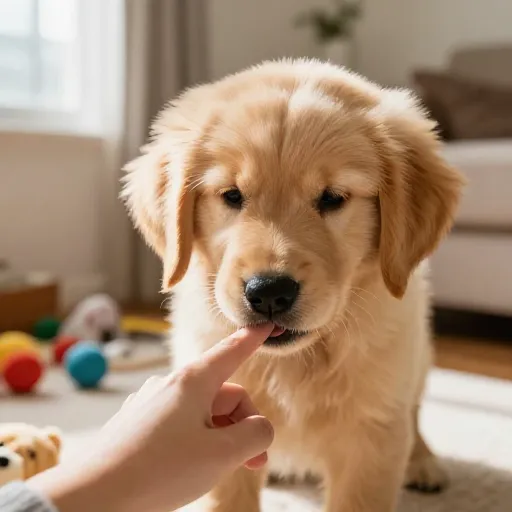
If you’re reading this, you’ve probably got little needle teeth sinking into your hands, ankles, and maybe even your favorite jeans. Puppy biting is totally normal, but that doesn’t make it less frustrating. I’ve been there – the constant “ow!” moments and the feeling that your puppy is a tiny shark in disguise.
The good news? With the right approach, you can gently teach your puppy that biting is never okay. It takes patience, consistency, and a few clever tricks up your sleeve. These are the exact methods that worked for me and so many other puppy parents. Let’s dive in!
1. Understand Why Puppies Bite
Before you can stop the biting, you need to know why it happens. Puppies explore the world with their mouths, just like human babies use their hands. Biting helps them learn about textures, tastes, and objects around them.
Teething is another big reason. Around 3 to 6 months, puppies lose baby teeth and grow adult ones, which makes their gums sore and itchy. Chewing and biting brings them relief. Understanding this helps you stay patient instead of getting angry.
2. Have a Chew Toy Ready
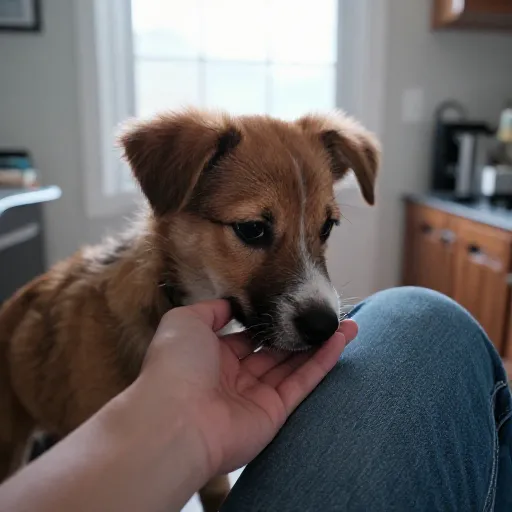
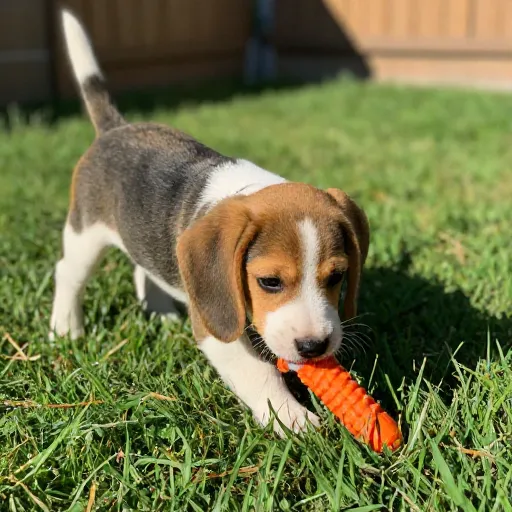
One of the easiest ways to stop puppy biting is to redirect that energy toward something appropriate. Keep a stash of chew toys all over your home – near the couch, in your bag, even by your bed.
When your puppy starts biting you, calmly say “no” and switch your hand for a toy. Make it exciting by wiggling it or playing tug. Your puppy will quickly learn that toys are way more fun than your fingers.
Pro tip: try frozen toys or chilled teething rings – they feel amazing on sore gums.
3. Use the Yelp Technique
This one sounds silly, but it works wonders. When your puppy bites too hard, let out a sharp, high-pitched “yelp!” – just like a puppy would. It startles them and teaches them that biting hurts.
Stop playing for a few seconds after you yelp. This mimics what happens in a litter – when one puppy bites another too hard, the play stops. Your puppy will learn to be gentler to keep the fun going.
For extra-strong biters, you might need to leave the room briefly. They’ll get the message quickly.
4. Time-Outs That Actually Work
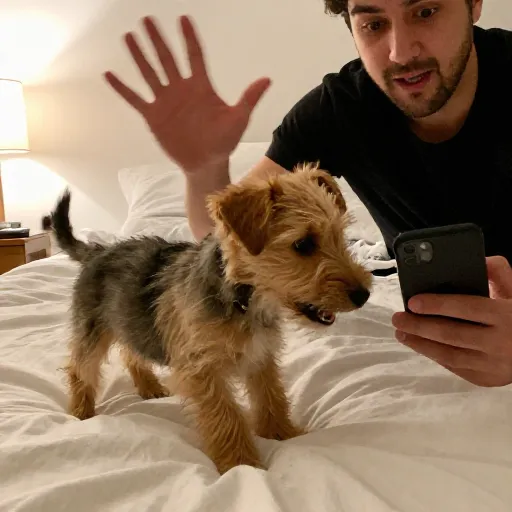
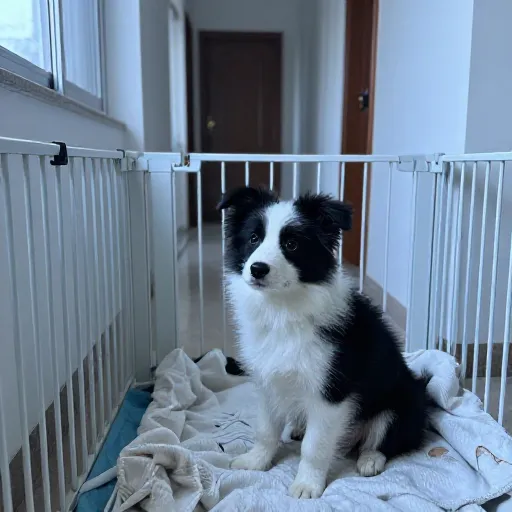
If your puppy is really amped up and won’t stop biting, a short time-out can work beautifully. Gently place your puppy in a quiet, boring room or a pen for 30 to 60 seconds.
Don’t yell or punish them – the time-out is just about removing attention. Puppies bite for attention, even negative attention. After a moment of calm, let them back out and try again.
Time-outs also give you a breather, which is totally okay. You both need a reset sometimes.
5. Teach Bite Inhibition
Bite inhibition is about teaching your puppy to control the pressure of their bites. Start by letting your puppy mouth your hand, but when they bite too hard, yelp and go limp. If they soften up, praise them and keep playing.
As your puppy gets better, you can gradually raise your threshold. First teach them to bite softly, then teach them to stop biting altogether. This two-step process means your puppy will rarely cause serious harm, even in a frightening situation.
It takes time, but it’s worth it – a grown dog that never bites hard is safer for everyone.
6. Stay Calm and Consistent
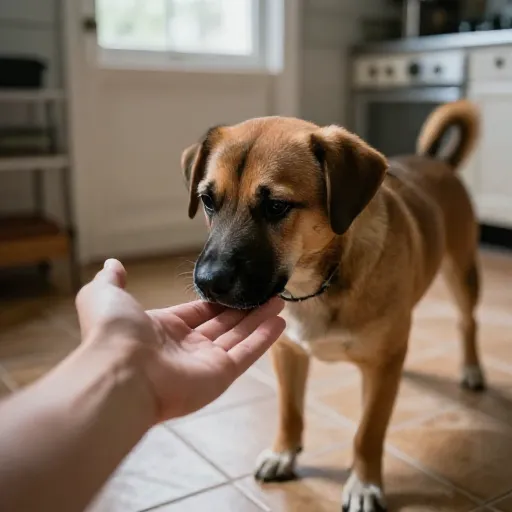
Puppies are drama magnets. If you shout, flail your arms, or laugh when they bite, they’ll get confused or excited. Instead, stay calm. Use a firm, low “no” and then redirect to a toy or walk away.
Every person in the house needs to use the same rules. If one person lets the puppy nibble and another punishes it, your puppy won’t learn. Consistency is your best friend here.
It’s hard on the nerves, I know. But a calm voice and steady hand will make your puppy feel secure and help them learn much faster.
7. Give Plenty of Exercise
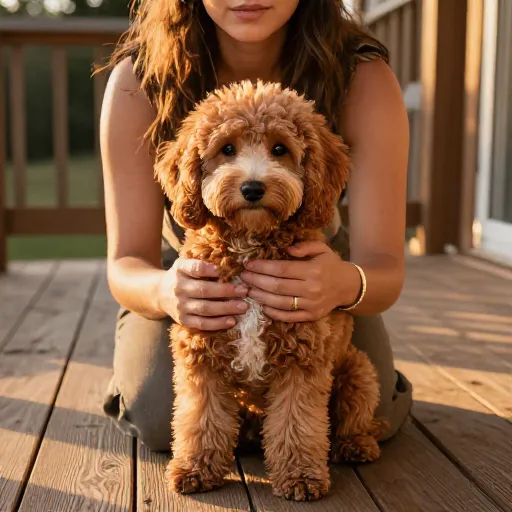
Sometimes biting is just your puppy saying “I’m bored and full of energy!” Make sure they’re getting enough physical and mental workouts every single day.
Short walks, fetch games, puzzle toys, and training sessions all tire them out. A tired puppy is a calm puppy, and calm puppies don’t turn into mouthy maniacs.
Great option: try a snuffle mat or treat-dispensing toy to keep their brain busy while their teeth stay occupied.
8. Avoid Rough Play
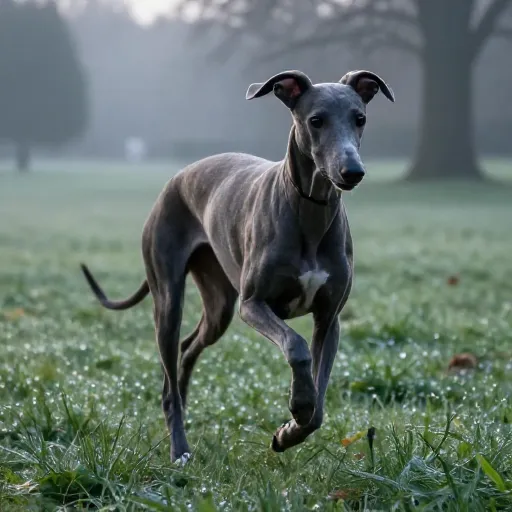
Wrestling, play-fighting, and teasing your puppy with your hands can actually encourage biting. Your hands should always mean gentle touches, treats, and pets – never a wrestling partner.
Instead, use toys for rough and tumble play. Tug ropes, flirt poles, and tennis balls are perfect for burning off that wild energy without teaching your puppy that human skin is chewable.
If your puppy gets too riled up during play, take a break. And never, ever use your hands as toys, no matter how cute their little growls are.
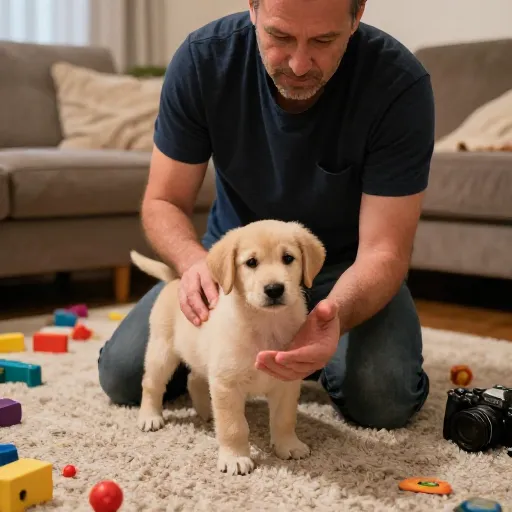
9. Reward Good Behavior
Positive reinforcement works like magic with puppies. Whenever your puppy chooses to lick your hand instead of biting it, or calmly sits next to you, give them praise and a tiny treat.
Reward the moments when they’re gentle. You can even say “gentle” or “good” in a cheerful voice. Over time, your puppy will learn that soft mouthiness and calm behavior are the best ways to get goodies.
This is far more effective than punishing bad behavior. Puppies repeat what gets rewarded – period.
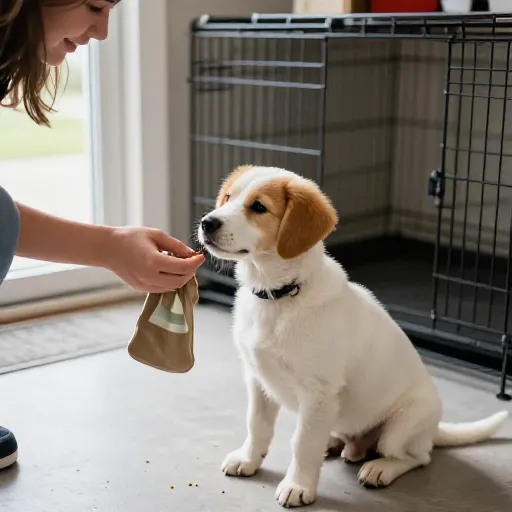
10. Try Positive Redirection
Redirection is like a superpower for puppy parents. The trick is to catch your puppy just before they bite and steer them toward something acceptable. If you see them eyeing your foot, toss a treat on the floor or hand them a chew stick.
You can also teach your puppy a “look at me” command. This breaks their focus and gives you a chance to change the situation. Keep a few high-value treats in your pocket for these moments.
The more you redirect, the more your puppy builds new habits. Their mouthy days will fade away before you know it.
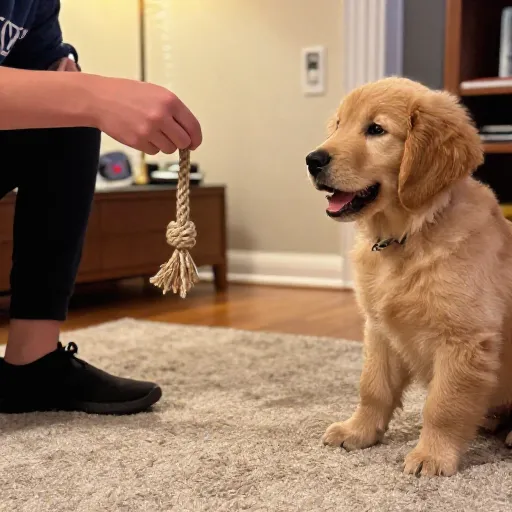
Conclusion
Stopping puppy biting isn’t about quick fixes – it’s about patience, consistency, and lots of love. Every puppy learns at their own pace, so don’t get discouraged if you still get an occasional nip.
Stick with these tricks, celebrate the small wins, and remember that your puppy is still learning how to be a good dog. In a few short months, you’ll have a gentle, well-mannered best friend who actually saves you from puppy teeth… and maybe slobbery kisses instead.
FAQ – Your Puppy Biting Questions Answered
Q: How long does it take to stop puppy biting?
A: Most puppies improve significantly within 2 to 4 weeks of consistent training. Full bite inhibition can take a few months, depending on your puppy’s age and personality, but you’ll see steady progress.
Q: Is it okay to yell at my puppy for biting?
A: No, yelling usually backfires. It can make your puppy scared or overly excited. A calm, firm voice works much better – and don’t forget to redirect their energy.
Q: Why does my puppy only bite me and not my partner?
A: It’s not personal! Puppies often bite the person they feel most comfortable with – that’s you. It can also depend on how you play together. Try using the same strategies every time and keep play sessions gentle.
Q: At what age do puppies stop biting on their own?
A: Many puppies naturally mellow out around 6 to 8 months when their adult teeth come in. But if you don’t train them, the biting can continue. So don’t wait – start working on it early.
Q: Should I use bitter spray on my hands and clothes?
A: You can, but it’s not a first choice. Bitter sprays only teach puppies that your skin tastes bad – they don’t teach gentle behavior. Use them as a backup, not your main trick.