How to Choose a Dog Bed: A Guide for First Time Owners
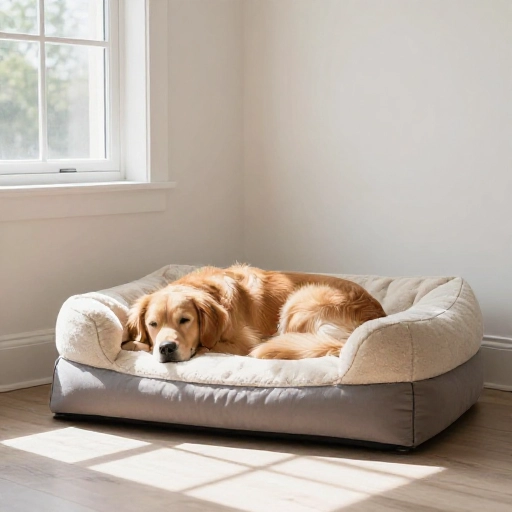
Bringing home your first dog is such a joyful moment. You have the food, the leash, and maybe a cute toy or two. But then you look at the floor and realize—your pup needs a place to call their own. A dog bed isn’t just a luxury. It’s where your dog will rest after walks, nap during the day, and feel safe at night.
I remember standing in the pet store aisle feeling totally lost. There were donut beds, orthopedic options, and ones that looked like tiny sofas. How do you even begin to choose? The truth is, picking the right bed comes down to your dog’s size, sleep style, and your home. Let me walk you through it step by step so you can find a bed your dog will actually use.
Trust me, a good bed makes a huge difference. Your dog sleeps better, and you get peace of mind knowing they are comfy. Let’s get started.
1. Match the Bed Size to Your Dog’s Full Grown Size
When you buy a bed, think about your dog as an adult, not just the tiny puppy you have now. A bed that’s too small will feel cramped and uncomfortable. Your dog needs room to stretch out fully.
Measure your dog from nose to tail while they are lying down. Then add about 10 to 12 inches to that number. That’s the minimum bed length you want. If you have a breed that grows fast, consider buying a larger size right away instead of upgrading later.
Remember, a bed that’s slightly big is cozy. A bed that’s too small is frustrating for your pup.
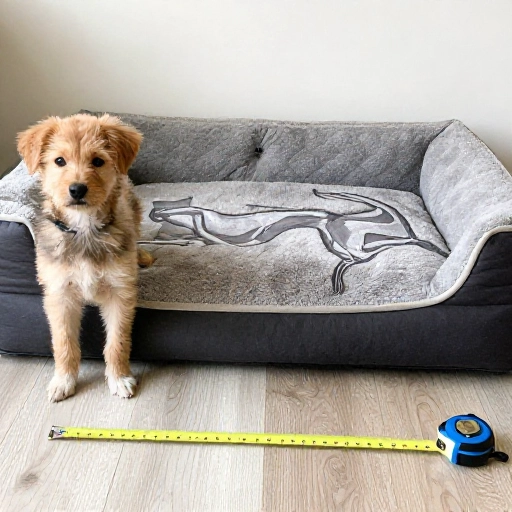
2. Watch How Your Dog Sleeps
Every dog has a favorite sleeping position. Some curl into a tight ball. Others sprawl out like a starfish. Watching your pup nap for a few days tells you everything you need to know.
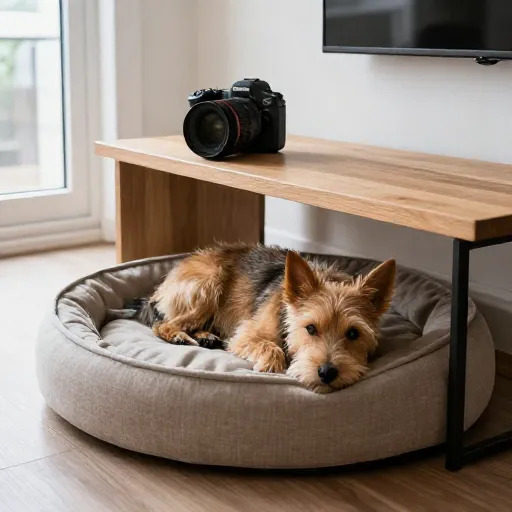
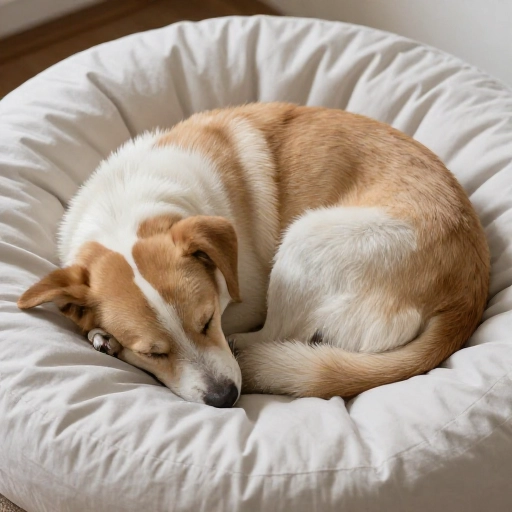
If your dog curls up, a donut or bolster bed with raised edges is perfect. It gives them a sense of security and a place to rest their head. If your dog stretches out flat, go for a flat, rectangular mat or mattress-style bed. No raised edges will get in their way.
Also, if your dog loves to burrow under blankets, a cave or hooded bed might be their dream spot. Let their habits guide your choice.
3. Consider Your Dog’s Age and Joint Health
A young, bouncy puppy can sleep on almost anything soft. But as dogs get older, their bodies need more support. Joints can get stiff, and a hard floor makes things worse.
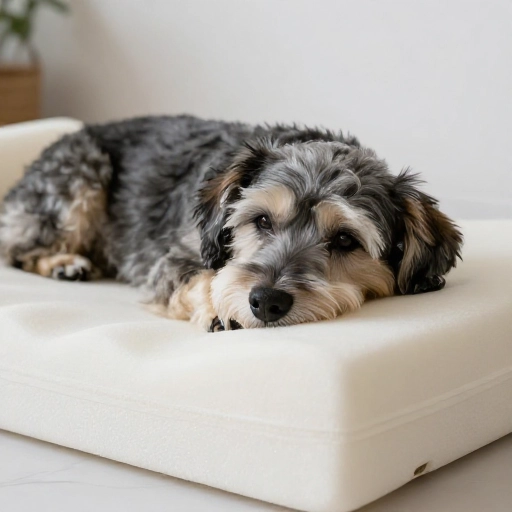
Orthopedic beds with memory foam or thick egg-crate foam are great for senior dogs or breeds prone to hip problems like Labradors and German Shepherds. Even young dogs benefit from good support. It helps prevent future issues.
If your dog jumps off furniture or has achy legs, an orthopedic bed is not an extra—it’s a necessity. Your vet will thank you.
4. Pick a Cover That’s Easy to Clean
Dogs bring dirt, mud, and drool everywhere. Their bed will get messy fast. A cover that zips off and goes in the washing machine is a lifesaver. Look for machine-washable materials.
Waterproof or water-resistant liners are also smart, especially for puppies or older dogs who might have accidents. Some beds have a removable inner cushion with a separate outer cover. That makes cleaning even easier.
Avoid beds with complicated shapes or lots of seams that trap dirt. Simple is better when it comes to laundry day.
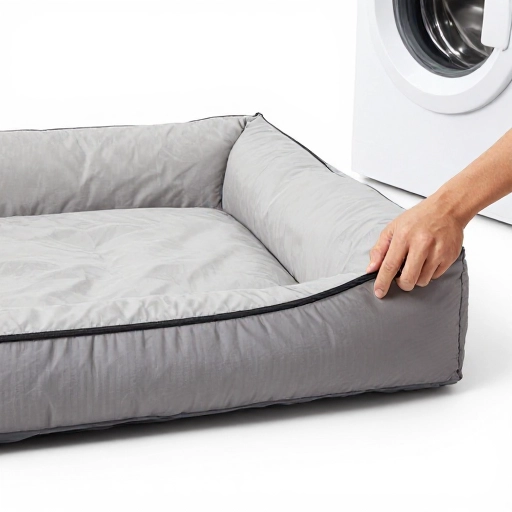
5. Choose Fabric Based on Your Dog’s Habits
Not all fabrics are created equal. If your dog loves to dig, scratch, or chew, you need something durable. Heavy-duty canvas, denim, or tightly woven microfiber hold up well. Fluffy faux fur looks cute but gets matted and torn quickly.
For dogs that overheat, go with breathable cotton or mesh fabrics. They keep your pup cool. For dogs that get cold easily, consider fleece or sherpa linings. Think about your climate and your dog’s coat type.
Also, check if the fabric is non-slip on the bottom. A bed that slides across the floor is annoying and unsafe.
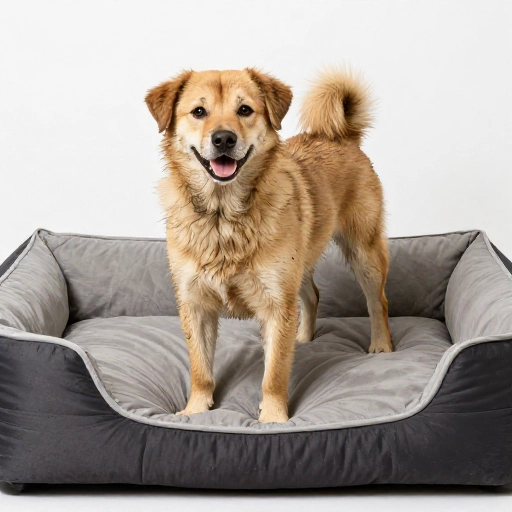
6. Think About Where the Bed Will Go
Location matters more than you think. A bed placed in a drafty hallway or near a noisy door might be ignored. Dogs like quiet, cozy corners where they feel safe but can still see the room.
If the bed is in your bedroom, your dog will feel close to you at night. If it’s in the living room, choose a style that fits your decor. You don’t want to hate looking at it.
Also, measure the space. A giant bed in a tiny corner looks awkward and might not fit. Make sure there’s room for your dog to get on and off easily.
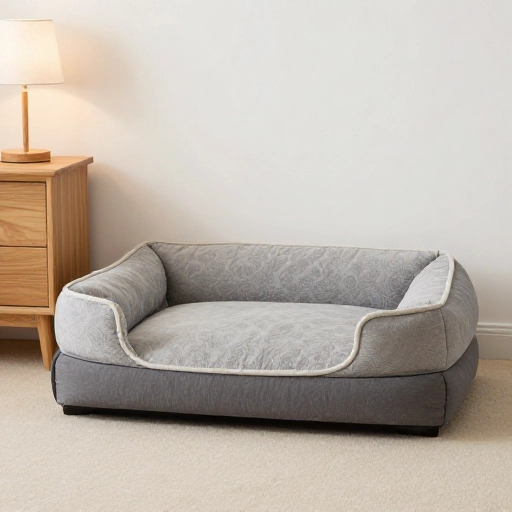
7. Don’t Forget About Temperature Control
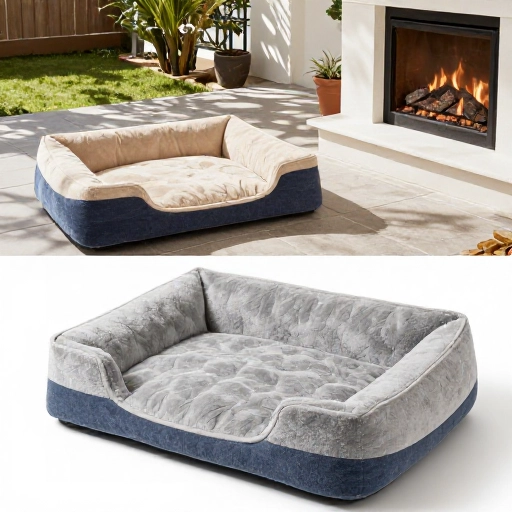
Some dogs run hot, others run cold. A bed can help regulate their temperature. Elevated cots or mesh beds allow air to circulate underneath, which is perfect for summer or for dogs who overheat easily.
For winter or chilly dogs, beds with thick stuffing, bolsters on all sides, or self-warming materials (like reflective lining) trap body heat. You can also add a small blanket later.
If you live in a place with big temperature swings, consider getting two different beds for different seasons. Or choose a bed with a removable insert so you can adjust the thickness.
8. Check the Bed’s Fill and Support
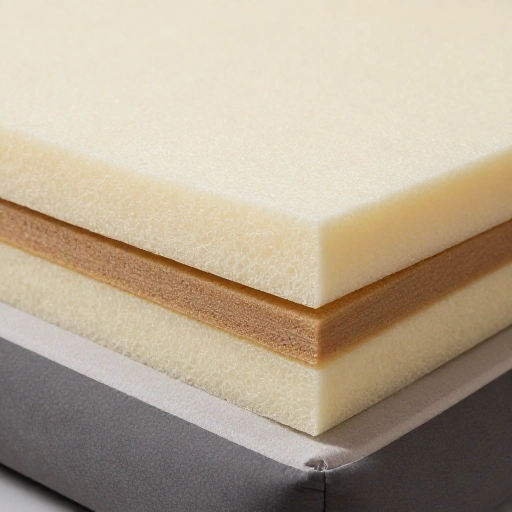
Not all foam is the same. Cheap foam flattens out fast. You want a bed with high-density foam or memory foam that bounces back after your dog gets up. Polyester fiberfill is soft but loses shape over time.
Test the bed by pressing down in the center. If it sinks and stays there, it won’t support your dog well. A good bed should feel firm but comfortable. Your dog should not sink all the way to the floor.
For large breeds, look for beds with a thick base—at least 4 to 6 inches. Small dogs can get away with thinner padding, but support still matters.
9. Look for Anti-Slip and Safety Features
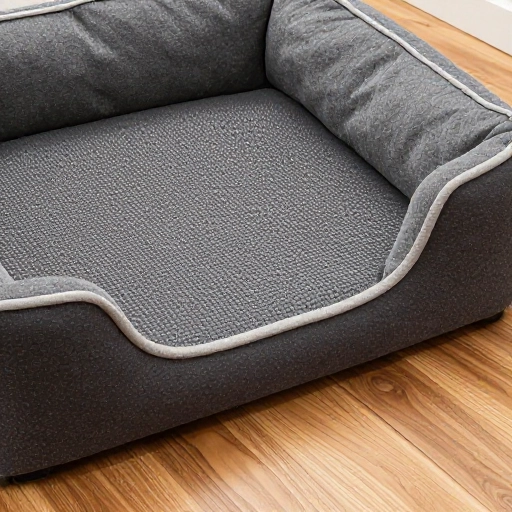
Dogs jump on and off their beds many times a day. If the bed slides, your dog might slip or hurt themselves. A non-slip bottom, like a rubberized or grippy fabric, keeps the bed in place.
Also, check for zippers that are covered or hard to reach. Some dogs love to chew on zippers, which can be dangerous. Rounded corners and no loose threads are also good signs.
If you have a puppy, avoid beds with removable squeakers or small parts that could become choking hazards. Safety first, always.
10. Trust Your Dog’s Opinion (and Your Budget)
You can read every guide, but your dog will have the final say. Some dogs love expensive orthopedic beds. Others prefer a cheap blanket on the floor. Don’t take it personally.
If possible, choose a bed with a trial period or a good return policy. That way, if your dog ignores it, you can try something else. Also, set a realistic budget. A good bed lasts years, so spending a little more is often worth it.
Watch your dog’s behavior. If they sleep on the new bed right away, you nailed it. If they avoid it, try adding a piece of your clothing or a favorite toy to make it smell familiar.
Conclusion
Choosing your first dog bed doesn’t have to be stressful. Think about your dog’s size, sleep style, and health needs. Pick a bed that fits your home and is easy to clean. And remember, your dog’s comfort is the most important thing. A good bed helps them rest better, which means a happier, healthier pup. Take your time, read reviews, and trust your instincts. Your furry friend will thank you with extra tail wags and cozy naps.
Frequently Asked Questions
1. How often should I replace my dog’s bed?
Most dog beds last 1 to 3 years. If you see sagging, lumps, or the foam doesn’t bounce back, it’s time for a new one. Also replace if the cover is torn or smells no matter how much you wash it.
2. Can my dog sleep on a human bed instead?
Yes, many dogs love sleeping with their owners. But having their own bed gives them a safe space to go when they want alone time. It’s also helpful for travel or if they need to stay off furniture for health reasons.
3. What if my dog doesn’t use their new bed?
Be patient. Place the bed in a spot your dog already likes to nap. Add a familiar blanket or an old t-shirt with your scent. You can also reward them with treats when they go near it. Some dogs take a few days to warm up.
4. Are expensive dog beds worth it?
Not always, but quality matters. A mid-range bed with good foam and a washable cover is often better than a very cheap one that flattens quickly. For senior dogs or large breeds, spending more on orthopedic support is usually worth it.
5. Should I get a crate mat or a bed?
If your dog sleeps in a crate, a crate mat or a bed that fits snugly inside is best. For open areas like the living room, a full bed is fine. Some dogs like having both—a crate mat for their den and a bigger bed for lounging.