How to Teach a Dog to Come: The Recall Game That Actually Works (Even With Squirrels Around)
I still remember the day my dog slipped his leash and bolted toward a duck pond. I stood there yelling “come!” like a broken record while he acted like I didn’t exist. That day taught me something important: a dog doesn’t come because you yell louder. A dog comes because coming has always been the best part of their day.
Teaching a solid recall isn’t about dominance or fancy commands. It’s about building a habit so rewarding that your dog chooses you over everything else. The good news? You can start today, in your living room, in five-minute chunks.
Below are the ten things that finally worked for me — and for the hundreds of dogs I’ve practiced with since. Take them one at a time. Slow beats rushed every single time.
1. Pick a Word (or Sound) That Only Means One Thing
Before anything else, choose your recall cue. “Come” works, but it’s a word we use constantly — “come here,” “come on,” “come eat.” That muddles the meaning fast.
I switched to a bright, happy “Here!” and paired it with a whistle. Now that sound means one thing only: run to my human and get something amazing.
- Pick one word or a whistle — not both at once
- Say it in a happy, high-pitched voice, never a stern one
- Use the same cue every single time, in every situation
The cue itself should sound like a party invitation, not a command.
2. Charge the Cue Before You Ever Expect a Real Recall
Most people skip this step and wonder why their dog ignores them. Here’s the trick: say your cue, then immediately hand over something incredible. No distance, no distractions, no expectations.
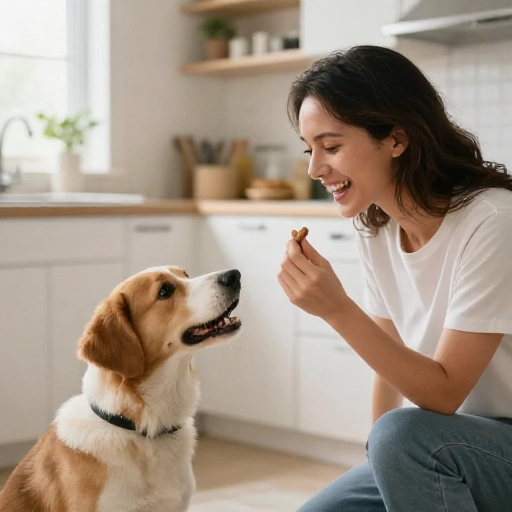
I do ten reps in the kitchen. Say “Here!” — treat. Say “Here!” — treat. That’s it. Your dog starts thinking, “That word predicts good stuff.”
Do this for two or three days before adding any difficulty at all.
3. Pay With Treats Your Dog Would Trade a Squirrel For
If your dog comes to you and gets a dry biscuit while a squirrel is running up a tree, you just taught them the squirrel is worth more. Recall pay needs to be spectacular.
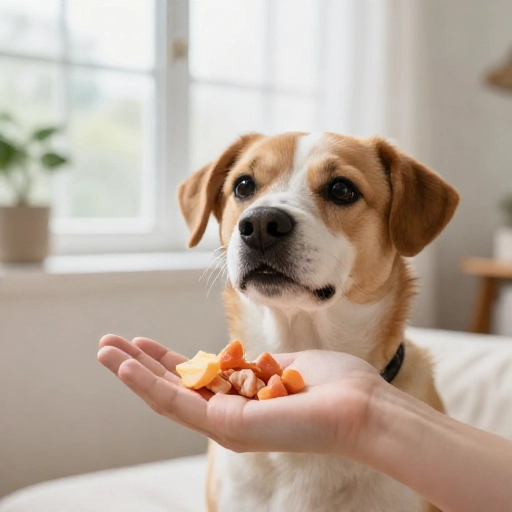
I keep a jar of “jackpot” treats — real chicken, cheese, freeze-dried liver. These come out only for recalls. Nothing else.
- Boiled chicken, string cheese, hot dog slices
- Feed a handful at once, not one tiny piece
- Save the best food for the hardest recalls
You want your dog to think coming to you is the lottery.
4. Never Say Their Name in Frustration
This one hurts to admit, but I used to do it. “Rex! Rex! REX, get over here!” — and every time, that name became a little more meaningless.
Your dog’s name should mean “look at me,” nothing more. Say it once, reward the eye contact, move on. If you need them to actually come, use your recall cue after you have their attention.
Keep the name neutral and happy. Never attach it to a scolding.

5. Practice Where It’s Boring First
Hallways. Living rooms. Backyards with nothing going on. Boring places build strong habits because your dog can actually succeed.
I start inside, then move to a quiet yard, then a quiet park at 6 a.m. when nobody’s around. Only after that do I add real distractions.
- Indoors with no other people or pets around
- Backyard with mild smells and sounds
- Quiet park on a long line
If your dog fails three times in a row, you moved too fast. Back up a step.
6. Add Distance One Step at a Time
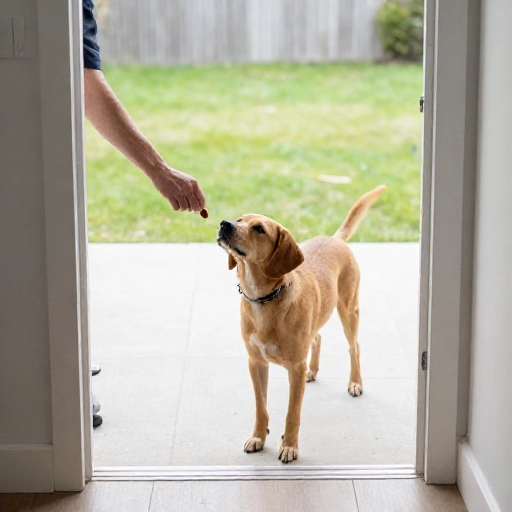
Don’t start by calling your dog across a football field. Start with one step. Then two. Then five. Then across the room.
Here’s my favorite game: I say the cue, take one step backward, and reward when they reach me. Over a week, I creep further and further away.
Distance is the hardest part of recall because it gives your dog time to think about something else. Build it slowly and celebrate every win.
7. Run Away Instead of Chasing
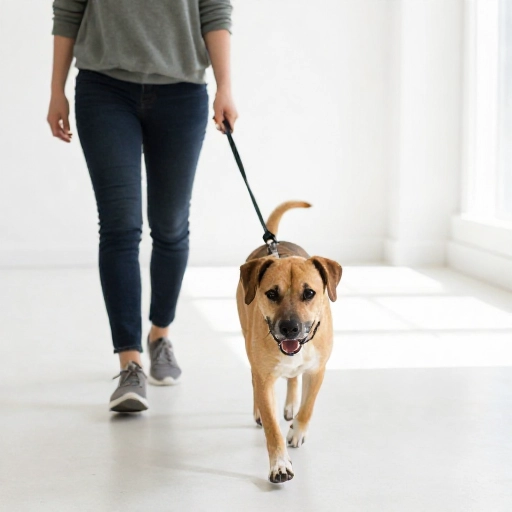
Chasing a dog is the fastest way to turn recall into a game of tag they always win. Instead, I turn and run the other way, clapping and cheering.
Dogs are wired to chase movement. When I sprint away giggling like a maniac, my dog can’t help but catch up — and then gets a jackpot reward for “catching” me.
Try it in your yard. It feels silly. It works almost every time.
8. Use a Long Line for Real-World Proofing
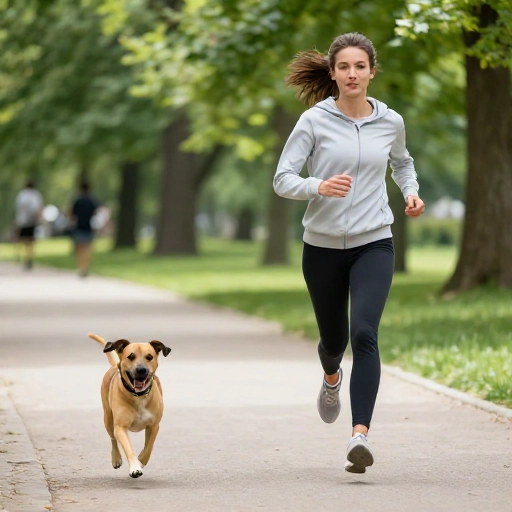
A 15 to 30-foot long line is the secret weapon nobody talks about enough. It gives your dog freedom to make choices while keeping them safe.
I let my dog wander to the end of the line, then call once. If they come, jackpot. If they don’t, I gently reel them in and reward anyway — because they still came to me eventually.
- Attach to a harness, not a collar, for safety
- Never use it to yank or punish
- Fade it out only after months of reliable recalls
This is where real recall gets built. Not in the kitchen.
9. Practice Around Distractions (Slowly)
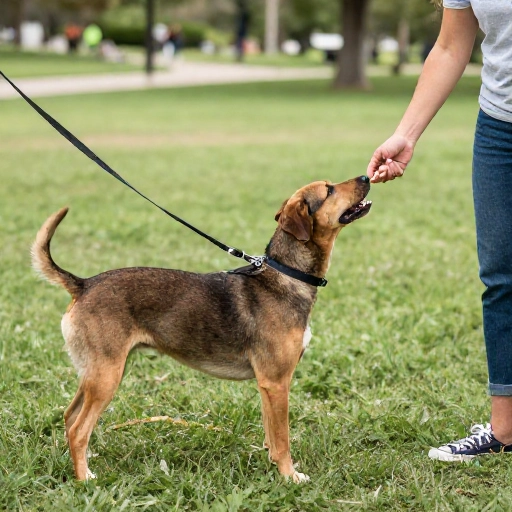
Other dogs. Kids on bikes. Birds. Garbage trucks. Each one is a level to unlock — and you don’t skip levels.
Start with a distraction far away, at a distance where your dog can still hear you. Reward generously. Move one step closer next session.
I keep sessions to five minutes. Always end on a win. If my dog ignores me twice, that’s my signal to increase distance from the distraction.
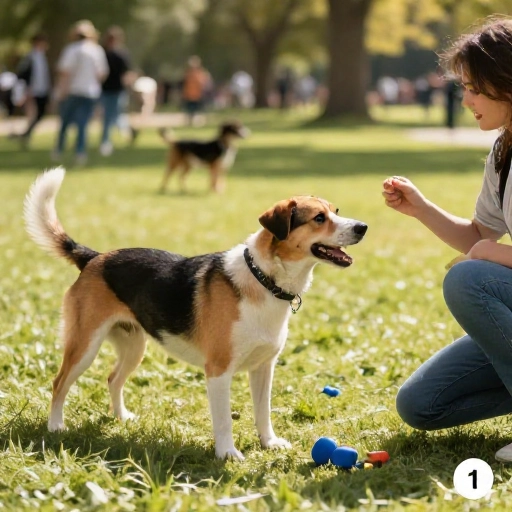
10. Never, Ever Punish a Dog for Coming to You
This is the golden rule. If your dog finally comes after ten minutes of ignoring you, you reward them like they just won an Olympic medal. Every time.
I know it’s frustrating. But scolding them — even a little “bad dog” — teaches one lesson: coming to me is risky. Next time, they’ll stay away longer.
Even if you had to walk to them and clip the leash on, still reward. The lesson is about the future, not the past.
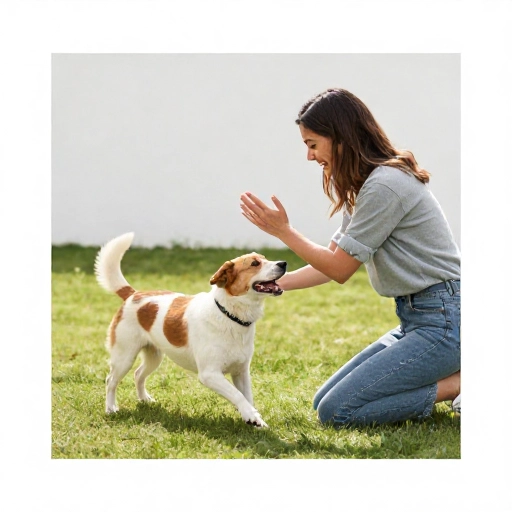
Putting It All Together
Recall isn’t a trick you teach once. It’s a relationship you keep feeding with good food, happy voices, and a whole lot of patience. Five-minute sessions, three times a day, will get you further than one long frustrating hour.
Start in your kitchen. Add distance. Add distractions. Pay big. Run away. Never punish. That’s the whole recipe — and honestly, it’s a pretty fun one to cook.
FAQ: Teaching a Dog to Come
How long does it take to teach a dog to come?
Most dogs show solid recall indoors within a week or two. Real-world reliability around distractions usually takes three to six months of consistent practice. Some breeds and personalities take longer — that’s completely normal.
What if my dog only comes when I have treats?
That’s actually a good sign — the training is working. Start rewarding every third or fourth recall instead of every single one, and mix in praise, toys, and petting. The treats fade naturally as the habit sticks.
Should I use a different word than “come”?
If you’ve already burned out the word “come” with years of yelling, yes — pick a fresh one like “Here!” or a whistle. It resets the meaning and gives you a clean slate.
My dog runs away when I call. What do I do?
Drop the cue for a few weeks and go back to basics indoors. Also check your tone — if it sounds angry, your dog will avoid you. Then use a long line outside so your dog can’t practice ignoring you.
Can I teach an older dog recall?
Absolutely. Older dogs learn slower but often with less wild energy, which makes training easier. Use softer treats if they have dental issues, and keep sessions extra short.