10 Tips for an Indoor Dog Kennel Room Setup
Creating a dedicated indoor kennel room for your dog has been one of the best decisions I’ve made for our home. It gives my pup a safe, cozy space to unwind while keeping my sanity (and my furniture) intact. Whether you’re working with a spare corner or an entire room, a little planning goes a long way.
I’ve gathered my top 10 tips from trial and error, plus a few tricks that make the space feel less like a cage and more like a den your dog will love. Let’s dive into building a setup that works for both of you.
1. Choose the Right Spot in Your Home
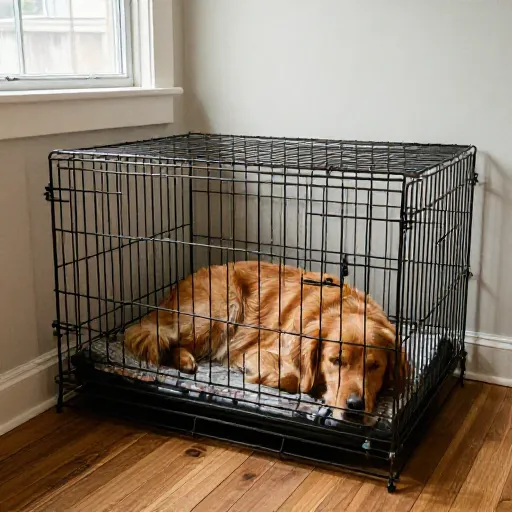
Location is everything. Pick a quiet area away from heavy foot traffic, loud appliances, and direct sunlight. Dogs feel safest when they can see what’s going on but still have a sense of retreat.
I placed our kennel room in a corner of the living room. It’s close to the family action but has a clear boundary. If you have a spare closet or a nook under the stairs, those work beautifully too.
2. Prioritize Proper Ventilation and Airflow
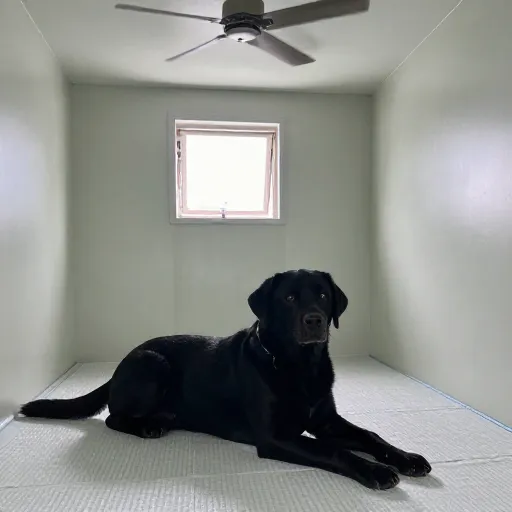
Stuffy rooms can make your dog restless. Make sure the space has good airflow—open a window, add a small fan, or install a vent if needed. Fresh air keeps the room smelling clean and your pup comfortable.
In warmer months, I use a tiny clip-on fan near the crate. In winter, I just crack the door a bit. Your dog will thank you with calmer naps.
3. Invest in a Durable, Easy-to-Clean Floor
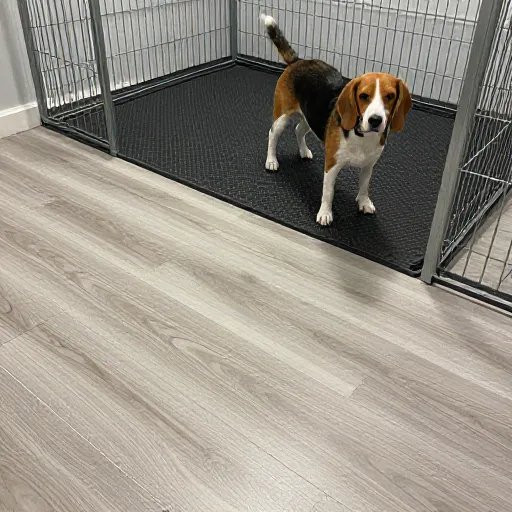
Kennel rooms take a beating. Scratches, spills, and muddy paws are part of the deal. Opt for washable rugs, vinyl flooring, or interlocking foam mats that can be wiped down or replaced.
I use a large, machine-washable rug over a waterproof mat. When accidents happen, I just toss the rug in the wash. No stress, no stains.
4. Create a Cozy Den with Soft Bedding
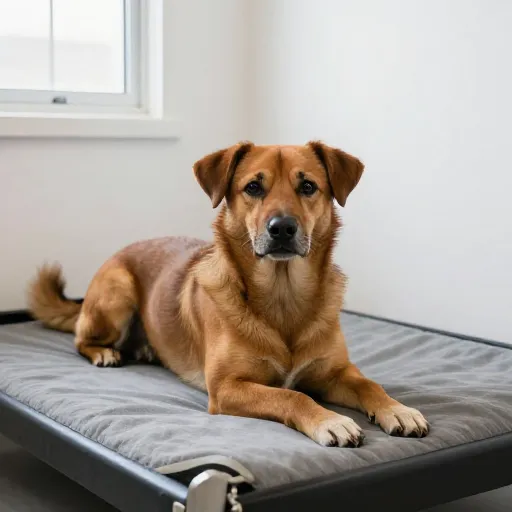
Your dog’s bed should feel like a nest. Look for orthopedic or bolster beds that offer support and a sense of security. Add a soft blanket or two—they love to burrow.
I switch out bedding seasonally. A cooling pad in summer and a fleece throw in winter keep my dog happy year-round. Make sure everything is machine washable for easy care.

5. Keep Essentials Within Reach
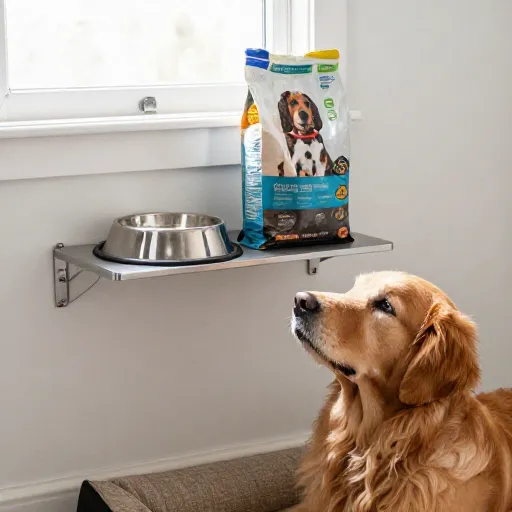
Store food, water bowls, treats, and toys right in the room. A low shelf or a small cabinet works perfectly. Having everything nearby makes daily routines smooth and keeps your dog’s space self-contained.
I use a shallow bin for toys and a mat under the water bowl to catch splashes. It’s all about making the room functional without feeling cluttered.
6. Use Calming Colors and Soft Lighting
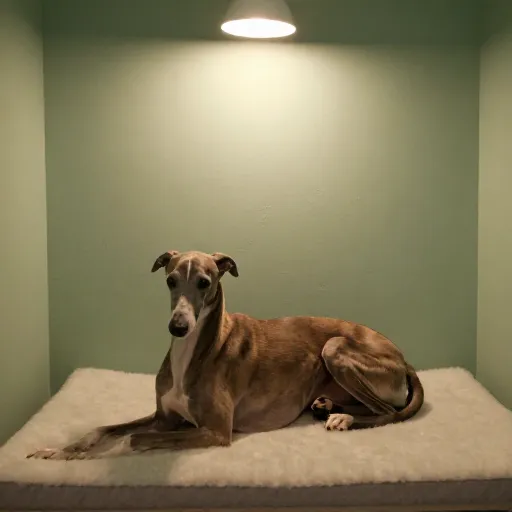
Bright lights and loud patterns can stress your dog. Stick to soft, neutral tones on walls and bedding. Add dimmable lighting or a simple nightlight for late-night potty breaks.
I painted our kennel room a soft sage green. It feels peaceful even to me. A small Himalayan salt lamp gives off a warm glow that my dog seems to love during quiet evenings.
7. Build in Storage for a Tidy Space
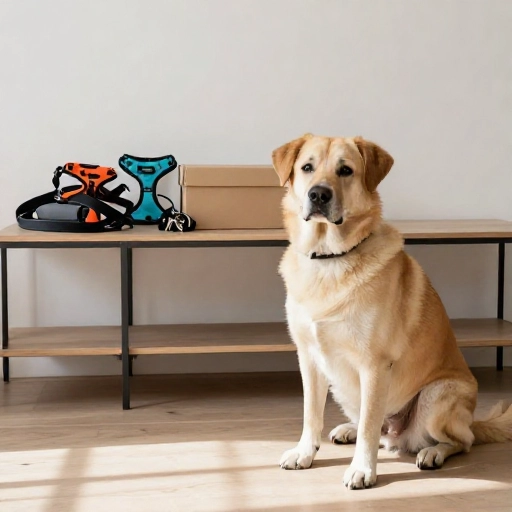
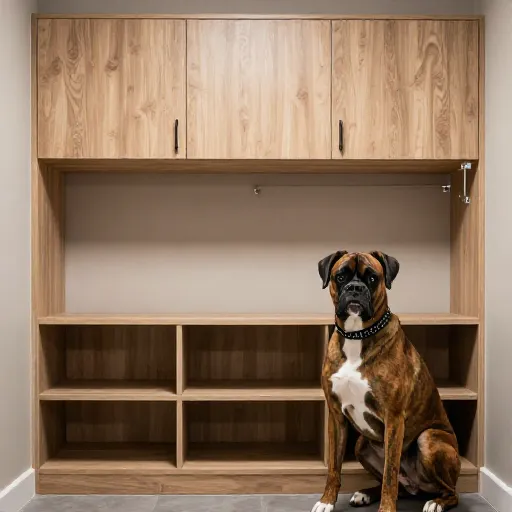
Dogs come with gear—leashes, poop bags, brushes, medications. Keep it all organized with baskets, hooks, or a small shelving unit. A tidy room feels more like a sanctuary and less like a storage closet.
I installed a few wall hooks for leashes and a basket for smaller items. Everything has its place, and I can grab what I need in seconds. Plus, it looks clean and intentional.
8. Include a Potty Area (If Needed)
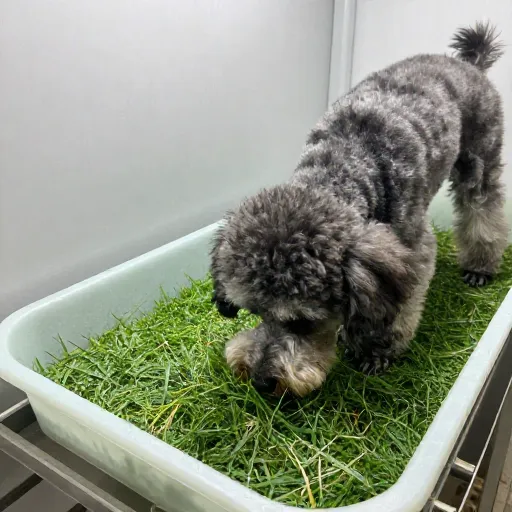
For puppies or senior dogs, a designated potty spot inside the room is a lifesaver. Use a washable pee pad tray or a patch of artificial grass. Place it away from the sleeping area to encourage good habits.
I keep a small tray in the far corner. It gives my dog an option when I’m stuck in a meeting or the weather is terrible. Just clean it daily to avoid odors.
9. Add Enrichment Without Overcrowding
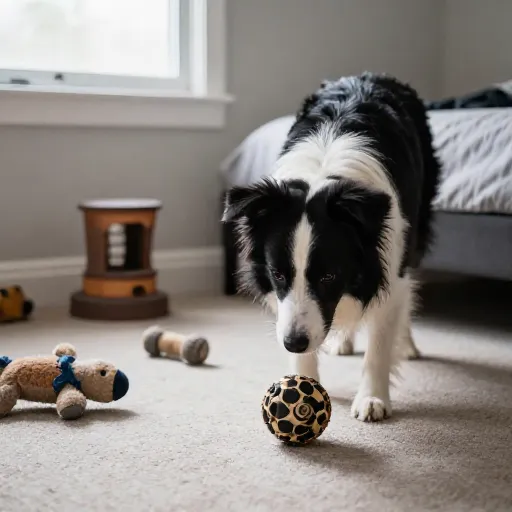
Keep your dog mentally stimulated with puzzle toys, a snuffle mat, or a chew station. Rotate toys weekly so they stay exciting. Avoid cluttering the room—less is more when it comes to focus and calm.
I have a small basket with three rotating toys and a frozen Kong for busy days. It keeps my dog entertained without overwhelming the space. A little goes a long way.
10. Make the Entrance Inviting for Your Dog
The door or gate to the kennel room should feel like a welcome sign, not a barrier. Use a baby gate or a dog door that your pup can navigate easily. Keep the entrance clear and add a soft mat for a smooth transition.
I installed a simple wooden gate that matches our decor. My dog knows it’s her special space and walks in happily. A positive entrance sets the tone for a positive experience.
Conclusion
Setting up an indoor kennel room doesn’t have to be complicated or expensive. With a little thought and a few simple touches, you can create a space your dog loves and you feel good about. Start with one or two tips and build from there—your pup will let you know what works.
Remember, the goal is comfort, safety, and a little bit of style. Your dog deserves a cozy retreat, and you deserve the peace of mind that comes with it. Happy decorating!
Frequently Asked Questions
1. How big should my dog’s kennel room be?
It depends on your dog’s size and breed. A good rule is to give enough space for a bed, water bowl, and a small play area without feeling cramped. Measure your dog lying down and standing up to get an idea.
2. Can I use a regular room in my house as a kennel room?
Absolutely. Any room can work as long as it’s quiet, safe, and easy to clean. You can use a spare bedroom, a home office corner, or even a large closet. Just dog-proof it first.
3. How do I keep the kennel room from smelling?
Good ventilation is key. Wash bedding weekly, clean floors with pet-safe products, and use an air purifier if needed. A little baking soda on the carpet helps too.
4. Should I leave my dog in the kennel room all day?
No. A kennel room is for short periods or overnight, not for hours on end. Make sure your dog gets plenty of exercise, playtime, and human interaction throughout the day.
5. What’s the best flooring for a kennel room?
Vinyl, laminate, or washable rugs are top choices. They’re durable, easy to clean, and comfortable for your dog. Avoid carpet unless you’re okay with frequent deep cleaning.