Puppy Sleep Schedule by Age: How Much Sleep Does Your Pup Really Need?
When I brought home my first puppy, I thought I’d never sleep again. He was up every hour, chewing everything, and crashing mid-play. I quickly learned that puppies need a shocking amount of sleep—and their needs change fast as they grow.
Understanding a puppy sleep schedule by age saved my sanity. It helped me set realistic expectations, plan potty breaks, and finally get some rest myself. Whether you have a tiny newborn pup or a rowdy adolescent, this guide breaks down what to expect at every stage.
Below, I’ll walk you through sleep schedules from birth to adulthood, plus practical tips to make naptime easier for both of you. Let’s dive in.
1. Newborn Puppies (0–2 Weeks): Sleep Is Their Full-Time Job
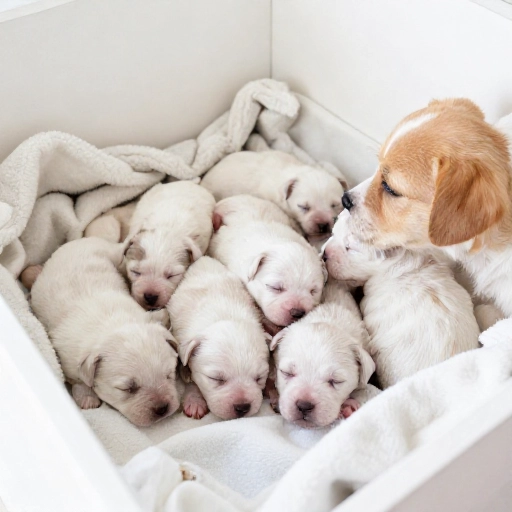
For the first two weeks of life, puppies are basically tiny sleeping machines. They sleep about 90% of the day—roughly 20 to 22 hours—waking only to eat and be cleaned by their mom.
At this age, they can’t regulate their own body temperature or eliminate without help. Their sleep is deep and frequent because their brains and bodies are growing at lightning speed.
If you’re fostering a newborn litter, you won’t be doing much training. Just keep them warm, fed, and let them sleep. Interrupting this sleep can be dangerous.
2. 3–4 Week Old Puppies: Eyes Open, Sleep Still Rules
Around three weeks, puppies’ eyes and ears open. They start wobbling around, but they’re still mostly asleep—about 18 to 20 hours a day.
You’ll notice short bursts of awake time for eating and clumsy play. Then they crash hard. This is when their little personalities begin to show, but don’t expect long wake windows.
I always kept the room dim and quiet during this stage. Too much stimulation can overwhelm them and disrupt their much-needed rest.
3. 5–8 Week Old Puppies: The Play-Sleep Cycle Begins
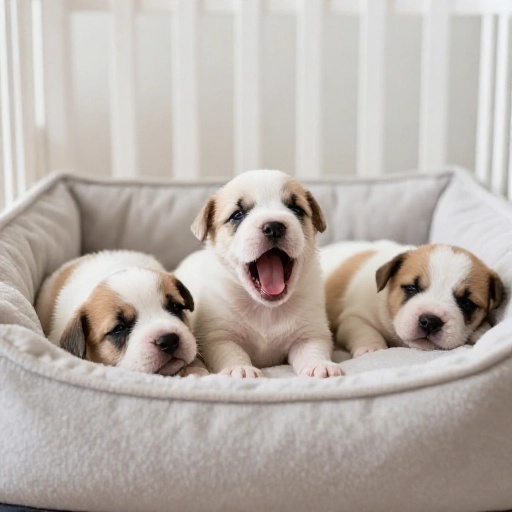
By five to eight weeks, puppies are more mobile and curious. They sleep around 18 to 20 hours, but now it’s broken into distinct play-sleep cycles.
A typical pattern looks like this: 45 minutes of play, then a 1- to 2-hour nap. Repeat all day. They’re like tiny toddlers who don’t know when to stop.
This is the age when many puppies go to their new homes. If you’re bringing one home now, be ready for frequent potty breaks and lots of enforced naps.
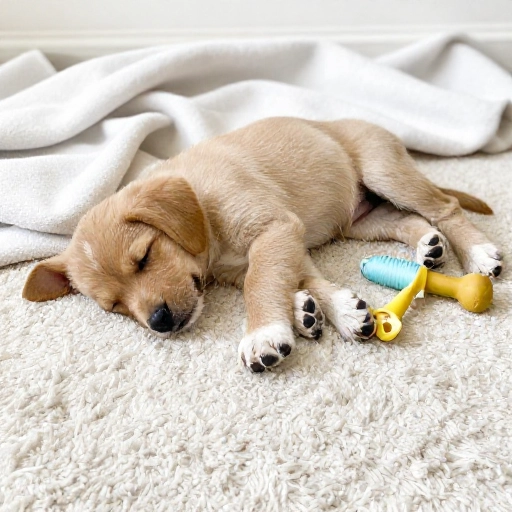
4. 9–12 Week Old Puppies: Potty Training Meets Naptime
At 9 to 12 weeks, your puppy still needs 18 to 20 hours of sleep. But now you’re juggling potty training, crate training, and socialization.
I found that setting a strict nap schedule helped with potty training. A tired puppy is more likely to have accidents. After every play session, meal, and training bit, I put my pup in his crate for a nap.
Wake windows are short—about 60 to 90 minutes. Then it’s back to sleep. If your puppy gets bitey or wild, that’s a sign they’re overtired.
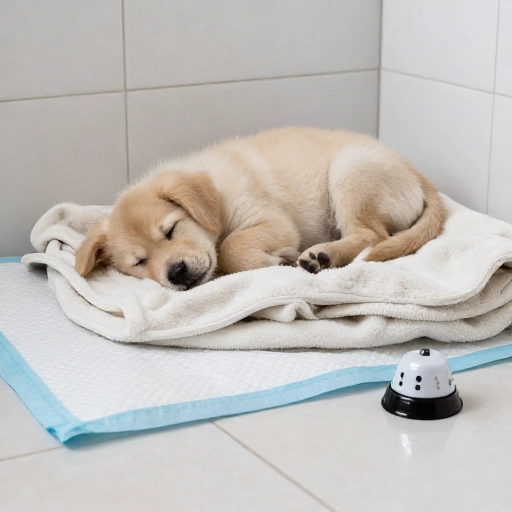
5. 3–4 Month Old Puppies: More Awake Time, Shorter Naps
By three to four months, sleep needs drop slightly to about 16 to 18 hours a day. Your puppy can stay awake for 1.5 to 2 hours at a time.
Naps become shorter—often 1 to 1.5 hours. You might see fewer naps per day, maybe four to six. But they still need plenty of rest to grow and learn.
This is when I started using a schedule: wake up, potty, play, train, potty, nap. Repeat. Consistency made a huge difference in my puppy’s behavior.
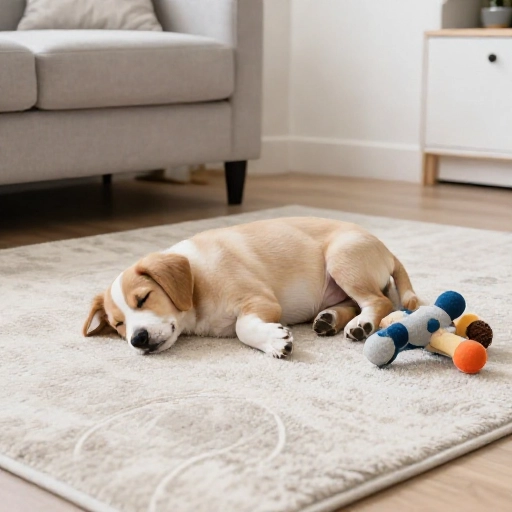
6. 4–5 Month Old Puppies: Teething and Tiredness
Teething kicks in around four to five months, and it can wreck your puppy’s sleep. They may wake up more often, chew on everything, and seem restless.
Sleep needs are still around 14 to 16 hours a day. But pain from teething can make it hard for them to settle. I offered frozen carrots and cold teething toys before naps.
Don’t be surprised if your previously perfect sleeper starts waking at night again. Stick to your routine, offer comfort, and know it’s temporary.
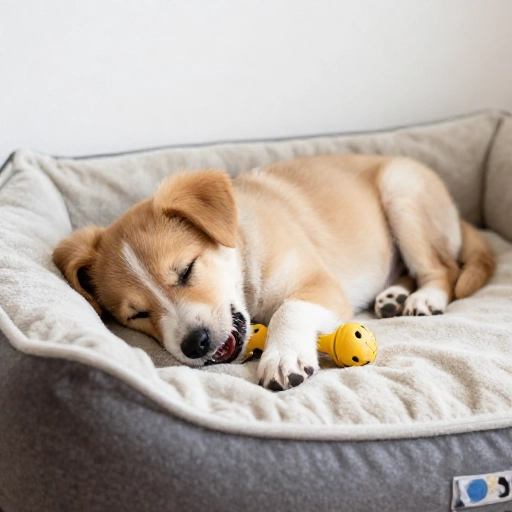
7. 5–6 Month Old Puppies: Teenage Energy Spikes
At five to six months, your puppy might act like a teenager—bounding with energy one minute, then crashing the next. They need about 14 to 16 hours of sleep.
Those energy spikes can be intense. Without enough naps, they turn into bitey, crazy little monsters. I learned to enforce quiet time even if my pup didn’t seem tired.
A good rule: if they’ve been awake for more than two hours, it’s nap time. Trust me, everyone will be happier.
8. 6–9 Month Old Puppies: Sleep Consolidation
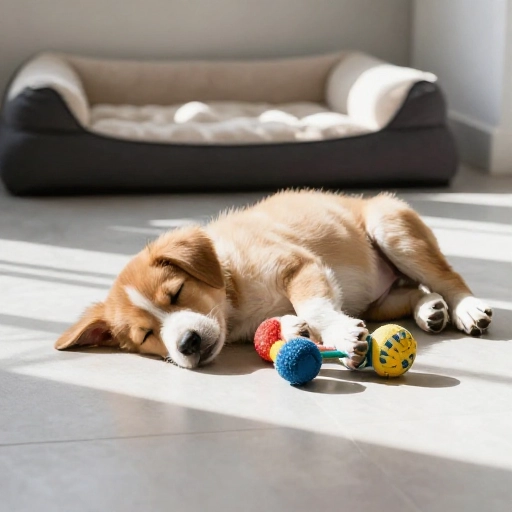
Between six and nine months, sleep starts to consolidate. Your puppy may sleep 12 to 14 hours a day, with fewer but longer naps.
Nighttime sleep becomes more solid—often 8 to 10 hours if you’re lucky. They can hold their bladder longer, so fewer midnight potty trips.
I still gave my pup a mid-day nap, but I started to see a more predictable pattern. This is also when some puppies begin to sleep through the night consistently.
9. 9–12 Month Old Puppies: Almost Adult Sleep
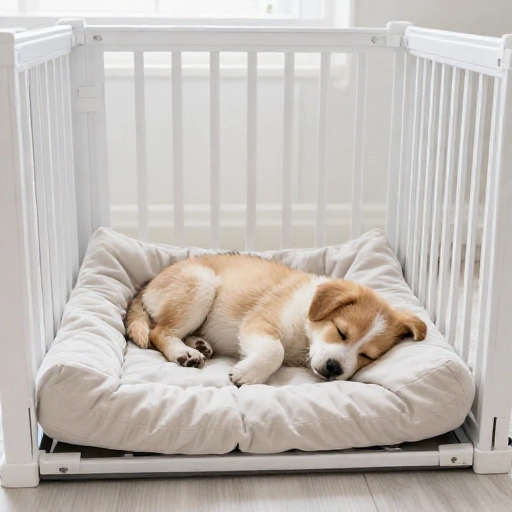
By nine to twelve months, your puppy is nearly full-grown. They need about 12 to 14 hours of sleep, similar to an adult dog.
Most puppies this age can sleep through the night and take one or two naps during the day. Their schedule is more flexible, but they still thrive on routine.
I noticed my dog started sleeping more at night and less during the day. If your pup is still waking up frequently, check for underlying issues like boredom or discomfort.
10. 1 Year and Older: Adult Sleep Schedule
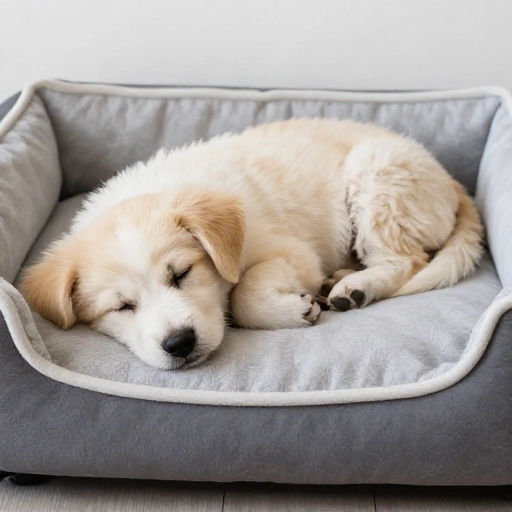
Once your puppy turns one, they’re officially an adult (in most breeds). Adult dogs sleep 12 to 14 hours a day, often split between nighttime and a few naps.
Their schedule is pretty simple: sleep at night, nap during the day. Some dogs nap more, some less, depending on breed, age, and activity level.
I keep a consistent bedtime and wake-up time for my dog. It helps him know what to expect and keeps his internal clock happy.
Conclusion: Every Puppy Is Different
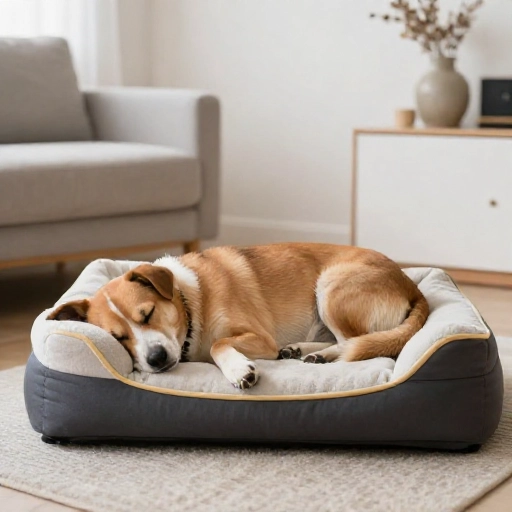
No two puppies are exactly alike. Some need more sleep than the averages above. The key is to watch your puppy’s cues—yawning, slowing down, getting grumpy—and offer a quiet place to rest.
Building a flexible sleep schedule by age helped me survive puppyhood and raise a happy, well-rested dog. You can do it too. Just be patient, consistent, and forgiving of the occasional off day.
Frequently Asked Questions
How much sleep does a 3-month-old puppy need?
Around 16 to 18 hours a day. That usually includes nighttime sleep plus several naps.
Should I wake my puppy to potty at night?
For very young puppies (under 4 months), yes. They can’t hold it long. Set an alarm for every 2–3 hours, then gradually extend as they grow.
Why does my puppy get crazy at night?
It’s often overtiredness or too much stimulation. Try enforcing a nap earlier in the evening and dim the lights an hour before bed.
Can I let my puppy sleep in my bed?
That’s a personal choice. Some puppies sleep better crated, others love cuddling. Just be consistent and safe. If you choose your bed, make sure they can’t fall off.
When will my puppy sleep through the night?
Most puppies can sleep 7–8 hours by 4 to 6 months. Smaller breeds may take longer. Stick to a routine and be patient.