14 Stylish Backyard Fence Ideas for Dog Owners That Look Amazing
Let’s be honest—our dogs are family. But that doesn’t mean your backyard should look like a kennel run. For years, I struggled with a plain chain-link fence that did its job but made my outdoor space feel cold and uninviting. I knew there had to be a way to keep my pup safe and happy without sacrificing style.
After countless hours of research (and a few DIY projects), I’ve rounded up the best fence ideas that combine durability, safety, and serious curb appeal. Whether you have a tiny escape artist or a giant gentle dog, these designs will transform your yard into a beautiful retreat for both of you.
Let’s dive into these game-changing fence ideas that your dog (and your neighbors) will absolutely love.
1. The Modern Horizontal Slat Fence
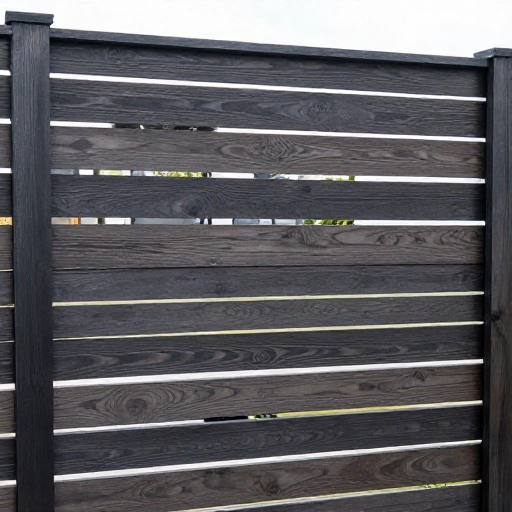
Horizontal slats are everywhere in modern home design, and for good reason. They look sleek, clean, and incredibly upscale. For dog owners, the gaps between the slats are the perfect size—small enough to prevent curious noses from getting stuck but large enough to let a breeze flow through.
I love using cedar or redwood for a warm, natural tone that ages beautifully. You can also paint the slats in a dark charcoal or deep forest green for a bold, contemporary statement.
One tip: make sure the slats are spaced no more than 3 inches apart. This prevents even the smallest paws from slipping through while still maintaining that airy, modern look.
2. The Classic Picket Fence with a Twist
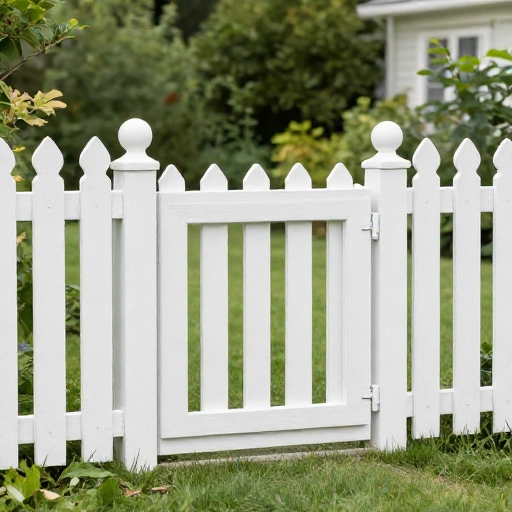
Picket fences are timeless, but the standard white version can feel a bit suburban. Instead, opt for a taller, sturdier picket design with alternating heights. This adds visual interest while giving your dog a solid barrier that’s harder to jump.
Use pressure-treated wood or composite materials that can withstand rough play and weather. A soft sage or buttery yellow paint can give this classic style a fresh, charming personality.
Add a rounded top cap to your pickets. This not only looks polished but also prevents your dog from scratching their chin while peeking through the gaps.
3. The Lattice-Topped Privacy Fence
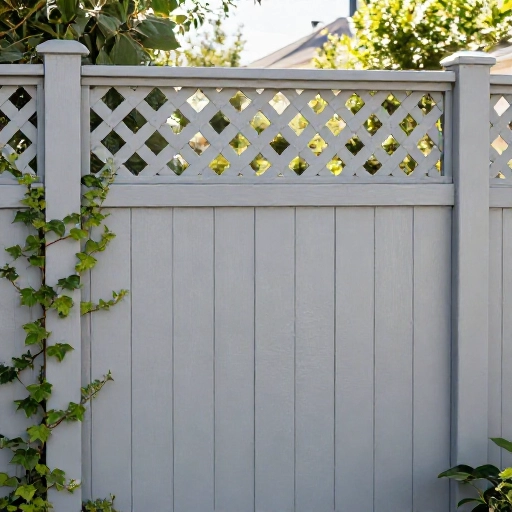
Do you have a dog that loves to climb or bark at passersby? A solid privacy fence with a lattice top is your best friend. The solid bottom section blocks your dog’s view, reducing territorial barking, while the lattice adds a decorative touch and lets in more natural light.
You can plant climbing vines like clematis or jasmine at the base. Within a season, you’ll have a lush, green living wall that looks straight out of a magazine.
This style works beautifully in both traditional and cottage-style gardens, making it a versatile choice for any home.
4. The Farmhouse Wire and Wood Combo
If you love that rustic, countryside aesthetic, this is the fence for you. Combine sturdy wooden posts with welded wire mesh or horse fencing. The wood provides the structure, while the wire keeps your dog safely contained without blocking the view of your beautiful yard.
I recommend using black-coated wire instead of galvanized silver. The black blends into the landscape better and looks much more polished against the wood.
This is also a budget-friendly option that’s easy to install yourself. Just be sure to bury the bottom of the wire a few inches underground to prevent digging escapes.
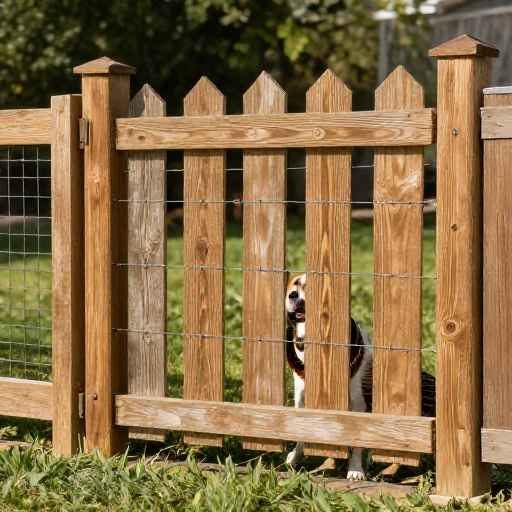
5. The Solid Board-on-Board Fence
For maximum privacy and noise reduction, board-on-board is the gold standard. This style features overlapping vertical boards, so there are absolutely no gaps. Your dog can’t see through it, which helps keep them calm and focused on their own yard.
Choose a warm wood stain in a honey or walnut tone for a welcoming feel. Alternatively, a matte black board-on-board fence creates a dramatic, sophisticated backdrop for colorful landscaping.
Because it’s completely solid, this fence also blocks wind effectively, making your backyard a cozy retreat even on breezy days.
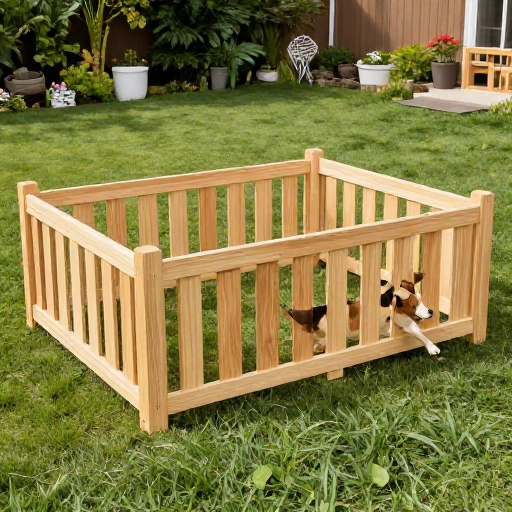
6. The Bamboo Screen Fence
Bamboo is an eco-friendly, fast-growing option that brings a serene, Zen-like vibe to any yard. Bamboo rolls or panels attach easily to existing fencing or wooden frames. They’re lightweight yet surprisingly strong, making them great for smaller dog breeds.
The natural texture and warm honey color of bamboo add instant warmth to outdoor spaces. I love pairing it with tropical plants like ferns or hostas to create a lush, resort-like atmosphere.
Just note that bamboo requires a bit of maintenance—it needs a weatherproofing sealant to prevent cracking and fading over time.
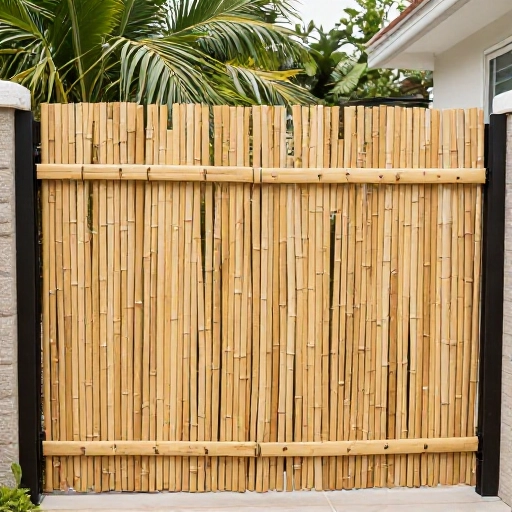
7. The Sleek Metal Panel Fence
For a truly modern and ultra-durable option, consider metal panels. These can be made from aluminum, steel, or corten (rust-colored) metal. They’re incredibly strong, resistant to chewing, and practically maintenance-free.
Solid metal panels offer complete privacy and are excellent for blocking noise. If you prefer a more open look, choose a metal design with vertical or horizontal slats that still keep your dog secure.
This is a higher investment, but it’s a one-time purchase that will last for decades without needing a single repaint.
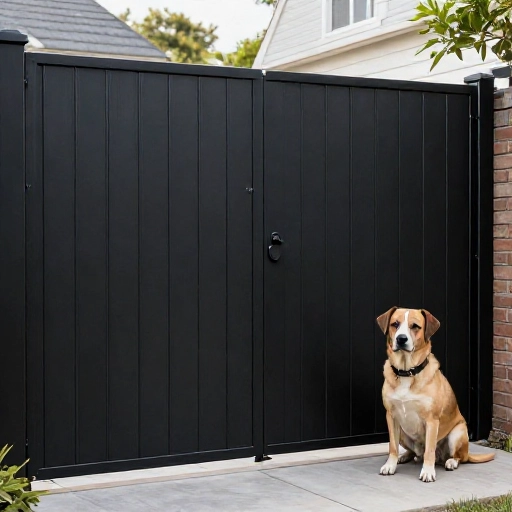
8. The Reclaimed Wood Fence
Give your fence a unique story by using reclaimed wood from old barns, pallets, or construction sites. Each board has its own character, with knots, nail holes, and weathered textures that add rustic charm.
Reclaimed wood is often more durable than new wood because it’s already been seasoned for years. It’s also a sustainable choice that reduces waste.
To make it dog-friendly, sand down any rough edges and apply a non-toxic sealant to protect the wood from moisture and chewing. The result is a one-of-a-kind fence full of personality.
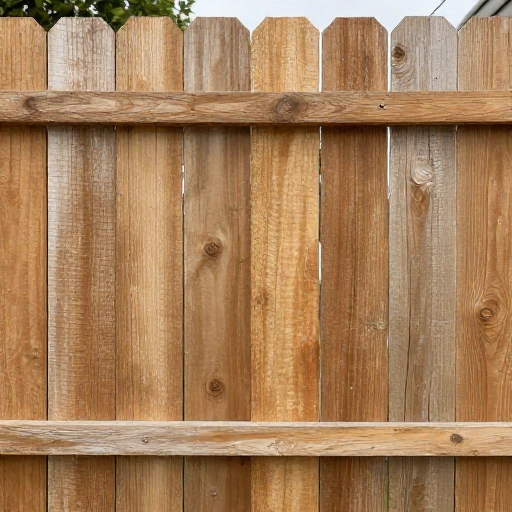
9. The Vinyl Fence with Pet-Friendly Inserts
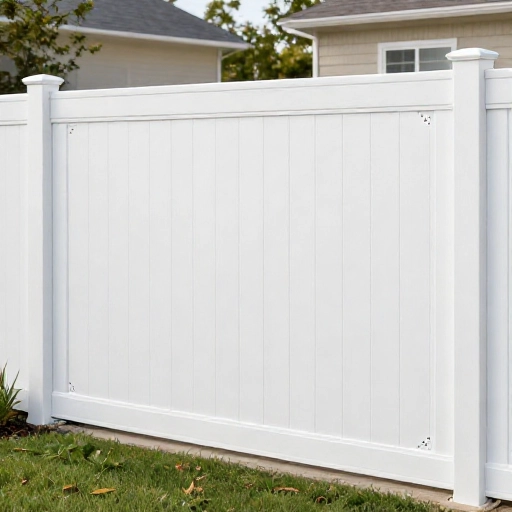
Vinyl fences are a favorite among dog owners because they’re incredibly easy to clean, don’t rot, and never need painting. A simple spray with a hose takes care of mud and drool. However, standard vinyl can have small gaps at the bottom.
To solve this, add pet-friendly mesh or base rails specifically designed to fill those gaps. These inserts are available in matching white or tan and snap right into place.
This combination gives you the low-maintenance benefits of vinyl with the peace of mind that your little escape artist can’t squeeze through.
10. The Gabion Cage Fence
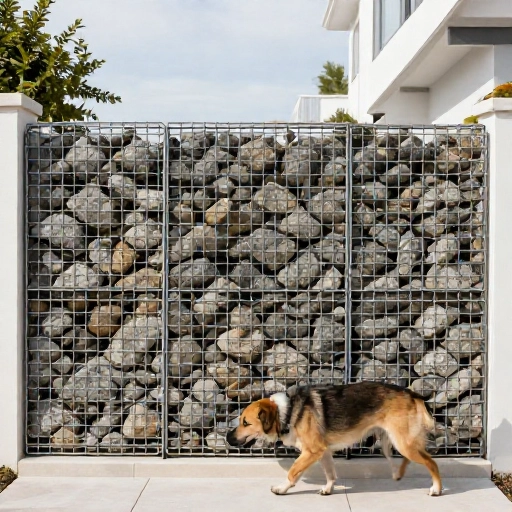
If you want a truly unique, architectural statement, gabion fences are jaw-dropping. These are wire cages filled with rocks, stones, or even recycled concrete. They’re massive, incredibly sturdy, and completely impenetrable.
The rocks provide excellent soundproofing and create a beautiful natural texture. You can choose river stones for a smooth look or jagged granite for something more rugged.
Gabion cages are a larger project, often requiring professional installation due to their weight. But the result is a stunning, permanent fence that will never need replacing.
11. The Living Hedge Fence
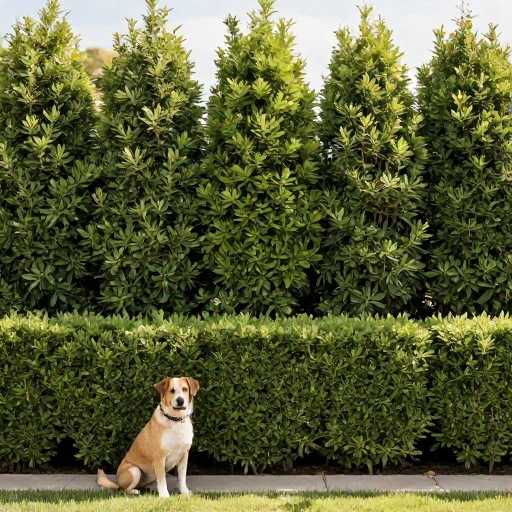
Who says a fence has to be made of wood or metal? A dense, well-maintained hedge can be the most beautiful and natural barrier for your dog. Evergreen shrubs like arborvitae, privet, or holly create a thick, green wall that provides privacy and blocks the wind.
Hedges take a few years to establish, but they’re worth the wait. They’re also softer on your dog’s paws and eyes compared to hard materials.
Choose a thornless variety to protect your dog’s nose and skin. I recommend planting them a bit closer together than usual to create a denser barrier that’s harder to push through.
12. The Concrete Block and Wood Combo
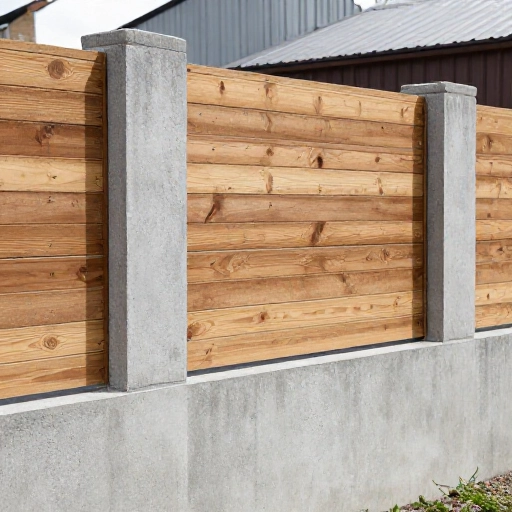
This fence style is all about durability. A short concrete block wall forms the base (about 18 inches high), and wooden fence panels sit on top. The concrete base prevents digging, while the wood top provides height and privacy.
The contrast between the cool, textured concrete and the warm wood creates a really interesting visual aesthetic. You can paint the concrete or leave it natural for an industrial feel.
This is an excellent choice for strong dogs that love to dig. It’s virtually impossible for them to get through that solid concrete foundation.
13. The Decorative Iron Fence
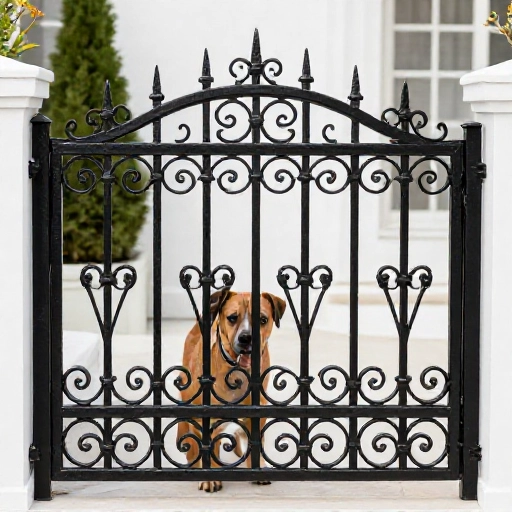
Iron fences add an elegant, classic touch to any property. They’re incredibly durable and give your yard an open, airy feel. For dogs, you’ll want to choose iron with narrow spacing or add a mesh overlay to prevent escapes.
Powder-coated iron is rust-resistant and comes in a variety of colors, including matte black, bronze, or even a muted green. The intricate scrollwork adds a touch of old-world charm.
This is a fantastic option if you have a well-behaved dog that doesn’t bark at everything and you want to show off your beautiful landscaping.
14. The Two-Tone Painted Fence
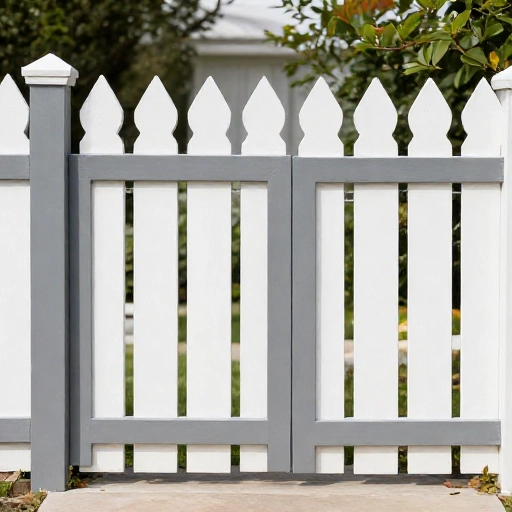
Here’s a simple, budget-friendly trick to make any fence look custom: paint it in two different colors. Use a darker shade for the bottom half and a lighter shade for the top, or paint the fence itself one color and the trim another.
This technique adds depth and dimension to flat panels. It also has a practical benefit—darker colors hide dirt and mud splashes from your dog’s zoomies better than light colors.
I love a navy blue bottom with a white top, or a charcoal bottom with a natural wood top. It’s a simple DIY that completely transforms the look of your yard.
Final Thoughts on Choosing the Right Fence
Choosing the perfect fence is all about balancing your dog’s needs with your home’s style. Think about your dog’s size, energy level, and behavior. Do they dig? Jump? Bark at everything? Each of these factors will point you toward the right solution.
Remember, the best fence is one that keeps your pup safe, makes you happy every time you look at it, and enhances your outdoor living space. Take your time, measure carefully, and don’t be afraid to mix materials for a truly custom look.
Your backyard should be a sanctuary for both you and your furry best friend. With one of these stylish ideas, you can have both beauty and safety—no compromises needed.
Frequently Asked Questions
What is the most durable fence material for dogs?
Metal (steel or aluminum) and high-quality vinyl are the most durable options. They resist chewing, scratching, and weather damage far better than wood and require minimal maintenance over time.
How do I stop my dog from digging under the fence?
Bury the bottom of the fence 6-12 inches underground, or install a concrete base or a wire mesh apron that extends outward from the fence line. This physically blocks your dog’s digging path.
How high should a fence be for a dog?
For most dogs, a 4-foot fence is sufficient. For larger breeds or known jumpers, a 6-foot fence is recommended. Always err on the side of taller if your dog is athletic or energetic.
Can I use a living hedge as a dog fence?
Yes, dense evergreen shrubs can work well, but they take time to grow and aren’t as secure as traditional fences. They’re best for calm dogs or as a secondary barrier behind a real fence.
What is the cheapest stylish fence option?
A wood and wire combo is one of the most budget-friendly stylish options. Using reclaimed wood can also save money while giving your yard a rustic, unique look that’s full of character.