12 Studio Pet Photography Poses That Always Get the Tail Wagging
I have spent countless hours in the studio trying to capture that perfect pet portrait. And let me tell you, it’s not always easy. Some days, the dog is more interested in the squeaky toy than the camera. Other days, the cat decides the backdrop is a perfect napping spot.
But over time, I discovered that having a mental list of go-to poses is a total lifesaver. It keeps the session flowing, helps the pet stay calm, and makes sure you walk away with at least a handful of frame-worthy shots. Here are the twelve poses I use again and again.
These are simple, natural, and work for almost any breed or personality. Whether you are a pro or just starting out, keep these in your back pocket.
1. The Classic Sit-Stay
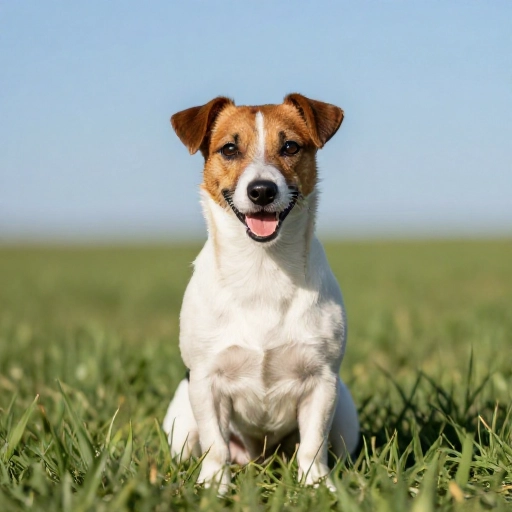
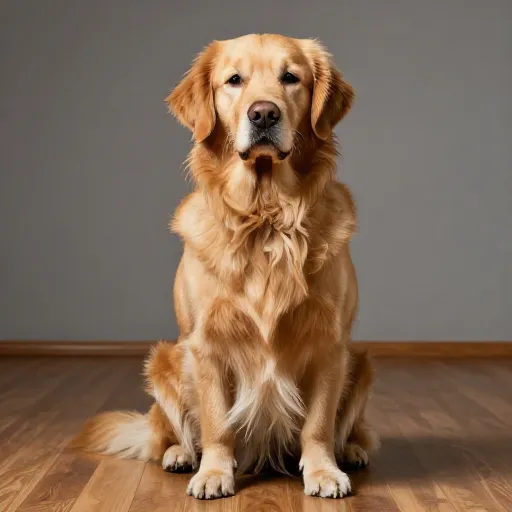
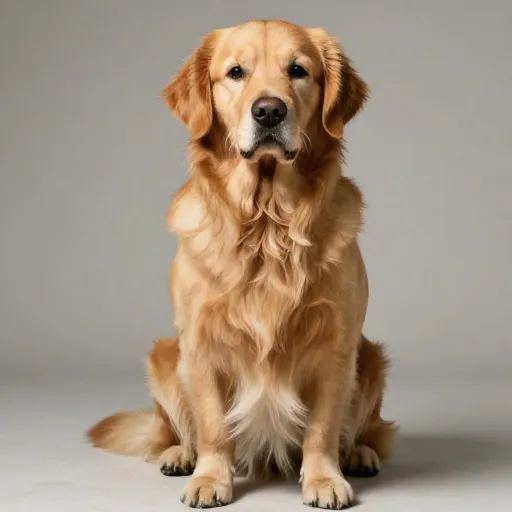
This is the foundation of most studio sessions. Have the pet sit squarely on a marker or a small rug. Make sure their front paws are even and their back is straight.
I usually hold a treat right above the lens to get that soft, focused eye contact. A gentle “stay” command helps, but if they break pose, just reset with a happy voice. This pose works for almost every breed and gives you a clean, timeless portrait.
2. The Downward Dog (The Play Bow)
This is one of my personal favorites because it shows so much personality. Wait for the moment the dog lowers their front legs and keeps their rear end up in a playful bow.
It is a natural, happy pose that feels candid even in a studio setting. Use a squeaky toy to trigger the bow, then snap fast. It works best with energetic dogs who love to play.
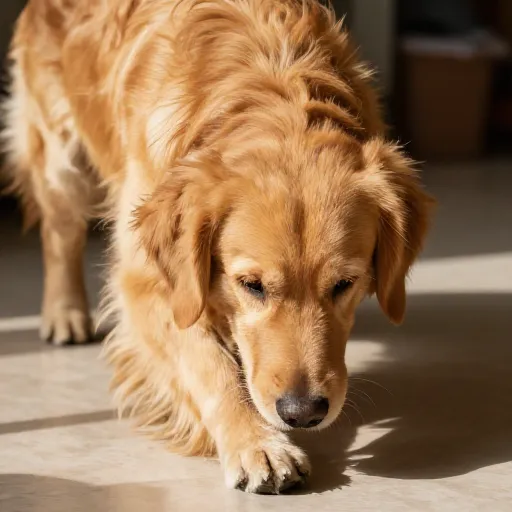
3. The Side-Lying Rest
For a more relaxed, elegant look, have the dog lie down on their side. Place a soft cushion or blanket under them so they are comfortable. Their head should rest naturally on the floor or on their paws.
This pose is perfect for senior pets or breeds with long fur. It highlights their profile and creates a calm, almost dreamy vibe. I often use a low aperture to blur the background here.
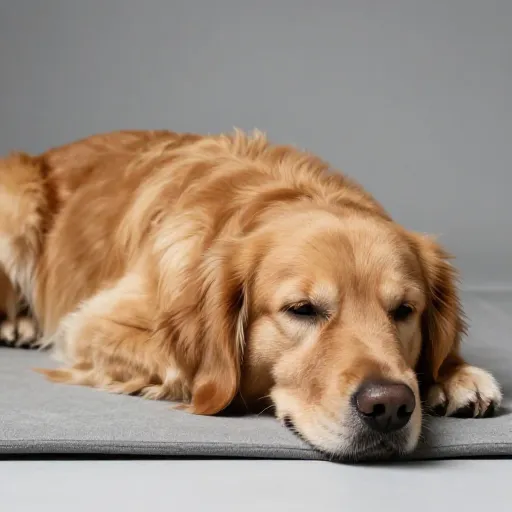
4. The Head Tilt
That adorable head tilt is pure gold. To trigger it, make a funny, unfamiliar sound—like a kiss noise or a high-pitched squeak. Do not say their name in the same tone every time.
Position yourself slightly to the side so the tilt is visible. Capture it quickly because it only lasts a second. This pose adds instant charm and works for cats and dogs alike.
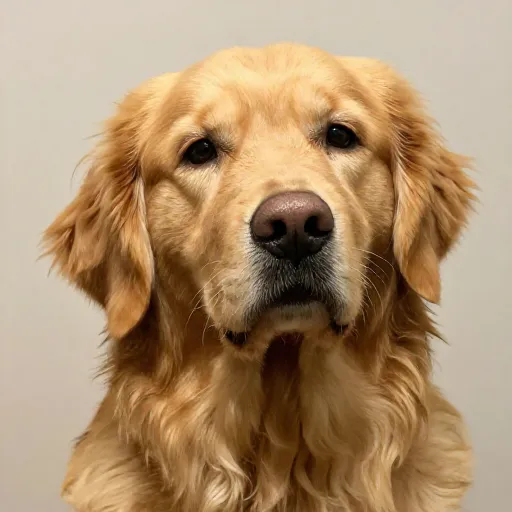
5. The Over-the-Shoulder Look
Ask the pet to sit facing away from you, then call their name softly. They will turn their head back over their shoulder to look at you. This creates a beautiful, natural curve in the neck and shoulders.
It is a great way to show off the pet’s coat texture and body shape. Use a treat to guide their gaze if they don’t respond to their name. This pose feels very candid and editorial.
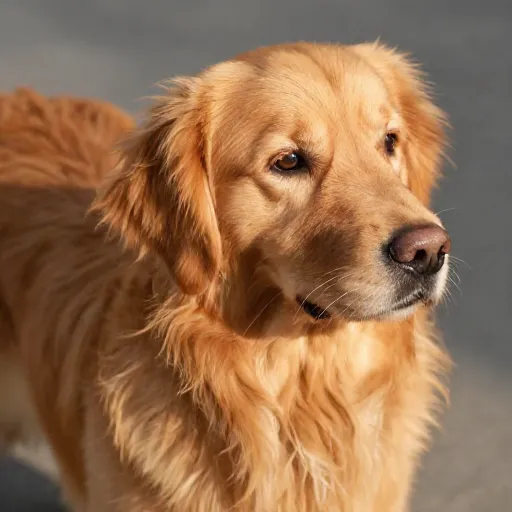
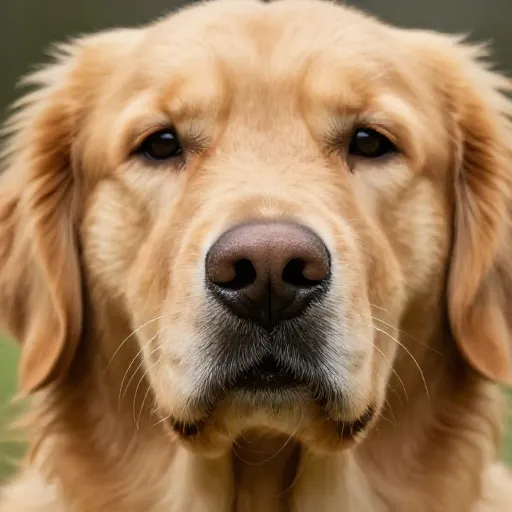
6. The Snoot Boop (Close-Up Nose)
Get right in close with a macro lens or a zoom. Focus on the nose and eyes. Have the pet sit still while you hold a treat near the lens so their nose comes forward just a bit.
The result is a funny, intimate portrait that highlights their whiskers and nose texture. This works especially well for dogs with distinct snouts, like collies or greyhounds. Keep the background simple.
7. The Lap Cuddle (With Human)
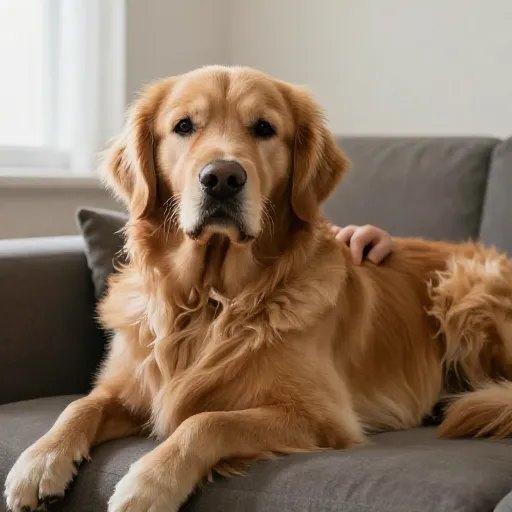
If the session includes a human, this pose is a must. Have the person sit on a stool or the floor, and let the pet curl up in their lap. It works for small dogs and cats.
The pet usually feels safe and relaxed. Capture the moment they lean into the person’s chest or rest their chin on their arm. It is a warm, emotional pose that tells a story of connection.
8. The Stand-and-Stare (Profile View)
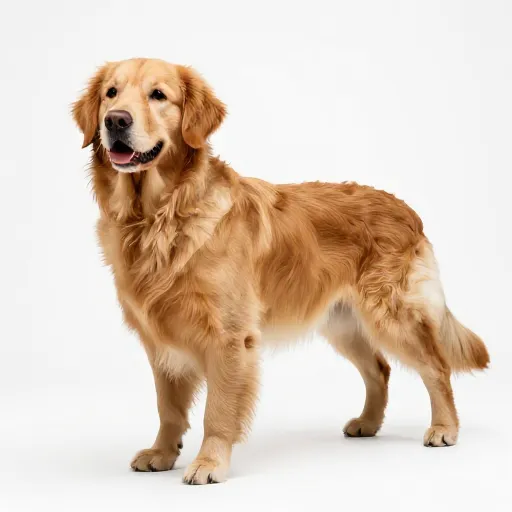
Ask the pet to stand in a natural, squared stance. Then walk to the side so you are capturing their full profile. Their head should be up, ears alert, and tail relaxed.
This pose highlights the animal’s physique and breed characteristics. I use a solid-colored backdrop to keep the focus on their silhouette. A helper can hold a treat at nose level to keep their head up.
9. The Yawn or Mouth Open
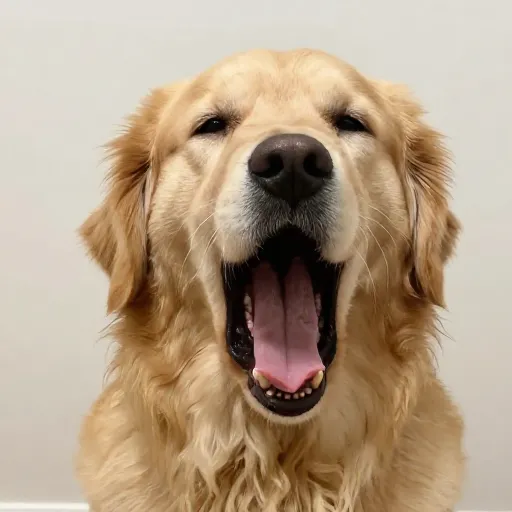
Yawns are hilarious and always get a laugh. Wait for the pet to yawn naturally, or trigger it by yawning yourself (sometimes it works!). Another trick is to make a soft, low growl sound.
Capture the moment just as the mouth opens wide. This pose shows teeth and tongue in a funny, non-threatening way. It adds a playful energy to any gallery.
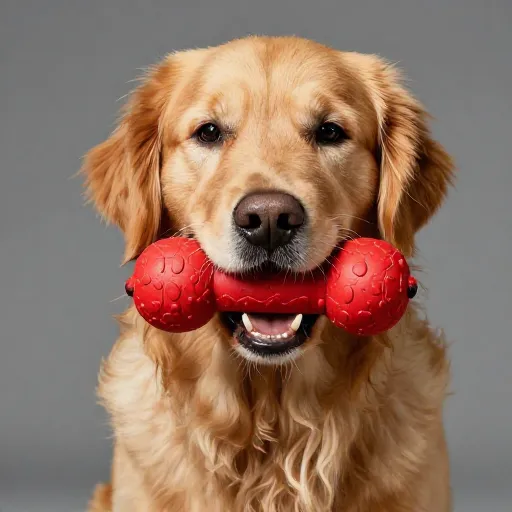
10. The Prop Pose (With a Favorite Toy)
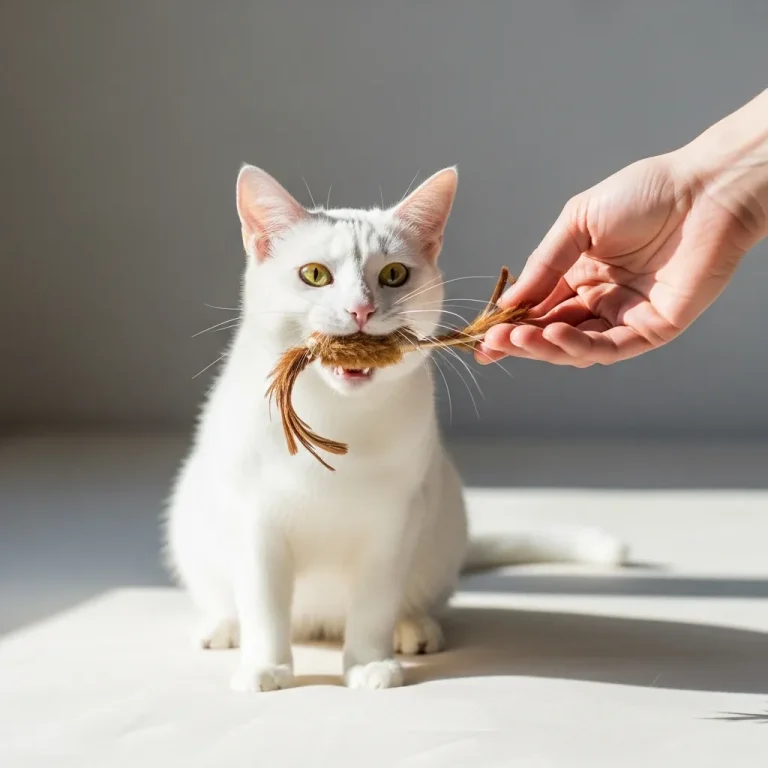
Bring a simple prop that the pet loves—a ball, a stuffed animal, or a bandana. Have the pet hold it in their mouth or rest their paw on it. The prop should not distract from their face.
I like to use a toy that is neutral in color so it does not clash with the backdrop. This pose adds a personal touch and shows the pet’s personality. It is also a great way to keep them focused.
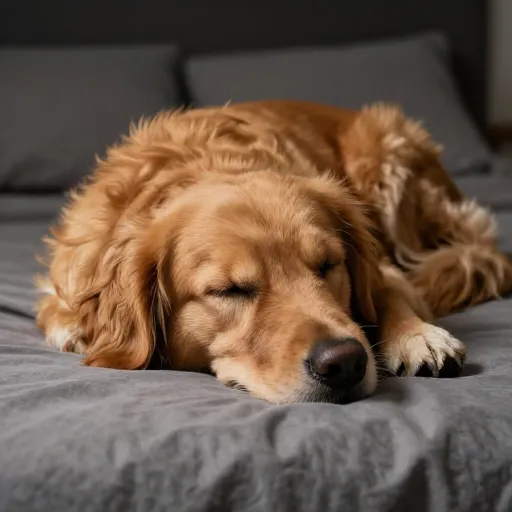
11. The Sleeping Beauty (Eyes Closed)
Sometimes the most beautiful portrait is of a sleeping pet. Wait for them to doze off naturally on their bed or mat. Position yourself low and shoot from above or at eye level.
Soft lighting is key here. The peaceful expression, relaxed paws, and gentle breathing make for a serene image. This pose works wonders for anxious pets who need a break during the session.
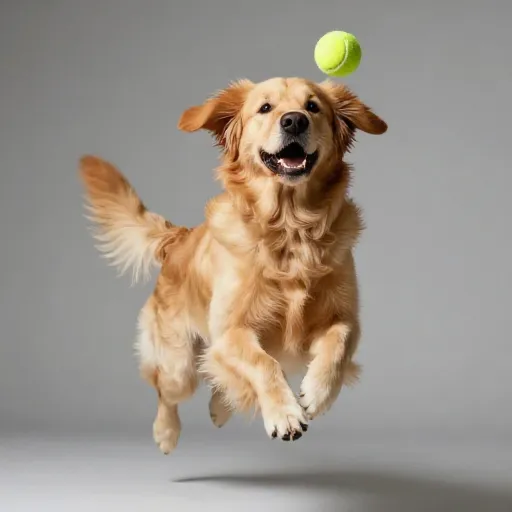
12. The Action Jump (Mid-Air)
For high-energy dogs, a jump shot is pure magic. Use a low stool or a small platform. Toss a treat or toy just above the camera, and shoot in burst mode as the dog leaps.
Make sure the backdrop is clear and the lighting is fast enough to freeze motion. The result is an exciting, dynamic pose that shows off the dog’s athleticism. Just be ready for a few tries.
Conclusion
These twelve poses have saved me more times than I can count. They give structure to a session while still allowing for spontaneous, joyful moments. Remember, the goal is always to make the pet feel comfortable and loved.
Try mixing a few poses together in one session. You might discover a new favorite angle. And most importantly, have fun with it. The camera will catch your good energy.
Frequently Asked Questions
How long should a studio pet photography session last?
I keep my sessions to about 30 to 45 minutes. Pets get tired or bored quickly, so it is better to work fast and take breaks as needed.
What if the pet won’t sit still?
Use high-value treats and a calm voice. Take a short break if they are restless. Sometimes a quick walk outside the studio helps reset their focus.
Do I need special lighting for these poses?
Natural softbox lighting works best for most poses. Avoid harsh overhead lights. A key light with a fill light will give you even, flattering results.
Can I use these poses for cats?
Absolutely. Cats respond well to the side-lying rest, the over-the-shoulder look, and the lap cuddle. Just be patient and let them come to you.
What background color works best for pet portraits?
Neutral tones like gray, cream, or soft blue are safe choices. They do not compete with the pet’s fur color. Dark backgrounds add drama, while light backgrounds feel airy.