8 Cheap Homemade Cat Food Ideas Your Feline Will Actually Eat
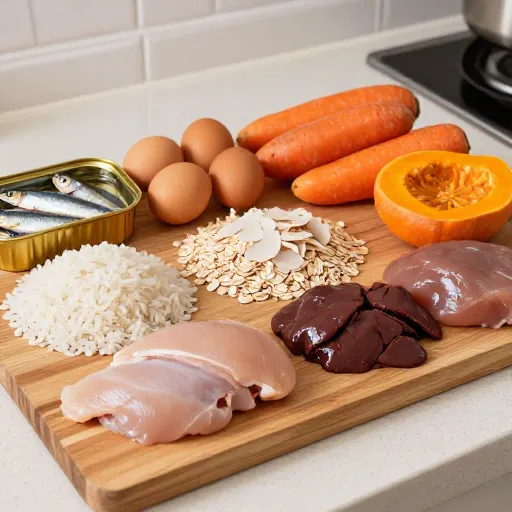
Let’s be honest—buying fancy cat food every week adds up fast. I started making my own cat food last year when my budget got tight, and honestly, my cat has never been happier. She licks the bowl clean every single time.
You don’t need to be a chef or spend a ton of money. These recipes use simple ingredients from your kitchen. Most cost less than a dollar per serving. Just remember to always check with your vet before switching your cat’s diet, especially if they have health issues.
Here are eight easy, cheap homemade cat food ideas that are gentle on your wallet and tasty for your kitty.
1. Simple Chicken and Rice Mash
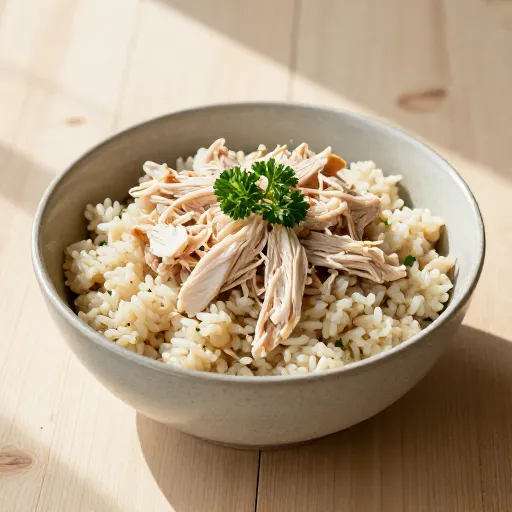
This is the recipe I start with when introducing homemade food. Boil one boneless, skinless chicken breast until fully cooked. Shred it into tiny pieces with two forks.
Cook half a cup of plain white rice (no salt, no butter). Mix the shredded chicken with the cooked rice. Add a splash of the chicken cooking water to make it moist and easy to eat.
This is super gentle on sensitive stomachs. My picky eater gobbles this up within seconds. Store leftovers in the fridge for up to three days.
2. Sardine Surprise (No Salt Added)
Sardines are cheap and packed with healthy omega-3s. Grab a can of sardines packed in water—make sure there’s no salt or oil added. Drain the water completely.
Mash two sardines with a fork until they’re almost paste-like. Mix in a tablespoon of plain pumpkin puree (not pie filling). Pumpkin helps with digestion and adds fiber.
The smell is strong, so your cat will come running. I serve this as a special treat once a week. It’s tiny but mighty in nutrition.
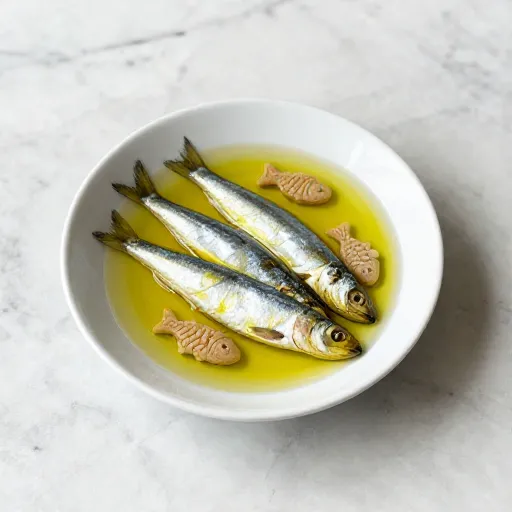
3. Eggcellent Scramble
Eggs are a great protein source and super affordable. Scramble one egg in a non-stick pan using a tiny bit of water instead of oil or butter.
Cook until fully set, no runny parts. Let it cool completely. Chop the scrambled egg into very small, cat-sized bites.
You can serve this plain or mix it with a little bit of plain cooked oatmeal. My cat does a little happy dance when she sees me cracking eggs. Keep portions small—one egg is plenty for a meal.
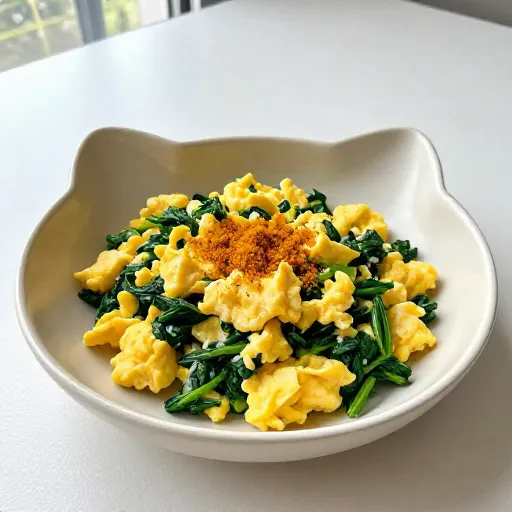
4. Tuna and Sweet Potato Bowl
Open one small can of tuna packed in water (no salt added). Drain it well. Mash it with a fork until it’s flaky.
Steam or boil a small piece of sweet potato until soft. Mash a tablespoon of the sweet potato and mix it with the tuna. Add a splash of warm water to create a gravy-like texture.
Sweet potato adds vitamins and natural sweetness. Cats love the texture combo. This is one of the cheapest meals you can make, and it feels fancy to them.
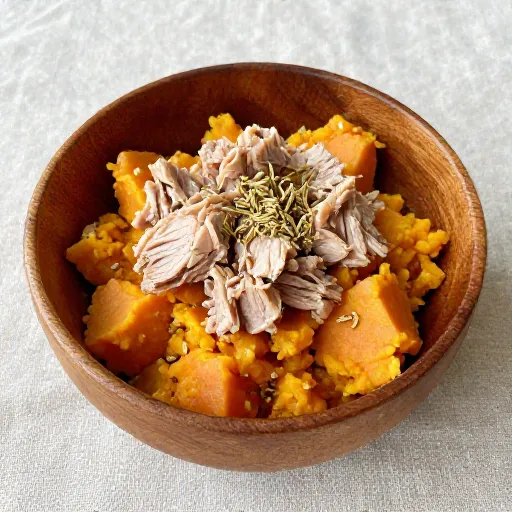
5. Liver Pâté Bites
Chicken liver is incredibly cheap and nutrient-dense. Boil a small piece of chicken liver in water for about 10 minutes until cooked through. Let it cool.
Mash the liver with a fork until it forms a smooth paste. Mix in a little bit of plain yogurt (no sugar, no flavors) for creaminess. You only need about a teaspoon of yogurt.
Shape the paste into tiny pea-sized balls. I freeze these and give them as occasional treats. Liver is strong, so feed it in small amounts—too much can upset their stomach.
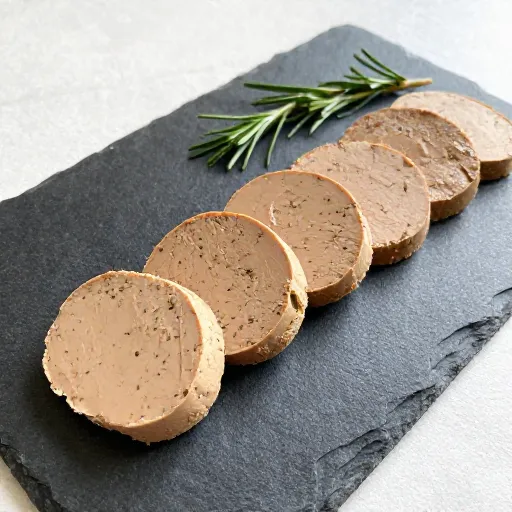
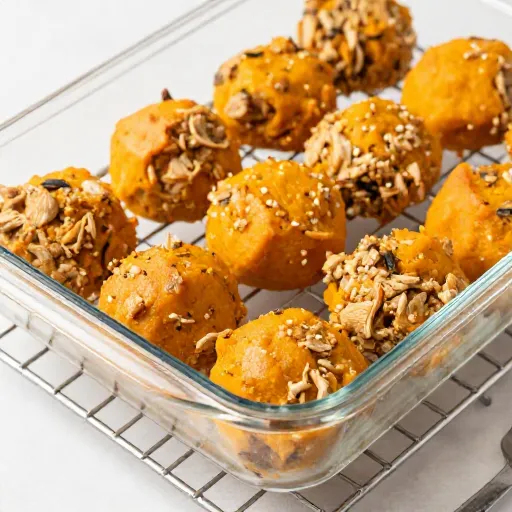
6. Pumpkin and Turkey Soft Bites
Ground turkey is often cheaper than chicken. Cook a quarter pound of lean ground turkey in a pan with no oil. Drain any fat. Let it cool.
Mix the turkey with two tablespoons of plain pumpkin puree. Add a pinch of water until it’s soft and scoopable. No spices, no salt.
This meal is high in protein and low in fat. The pumpkin helps keep things regular. I make a big batch on Sunday and portion it out for the week.
7. Carrot and Chicken Broth Soup
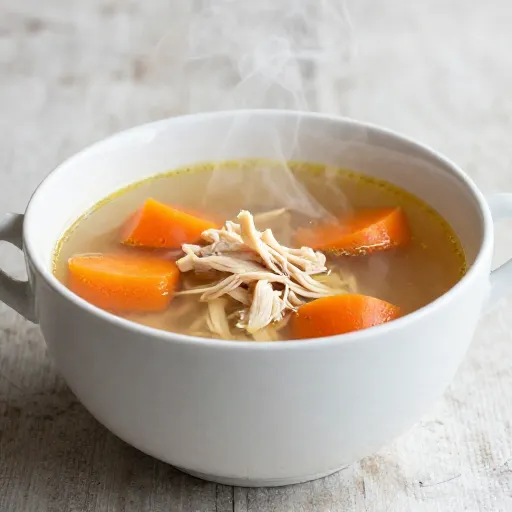
Homemade broth is free if you save bones and veggie scraps. Boil chicken bones (no seasoning) with a few carrot peels for 30 minutes. Strain out the solids. Let the broth cool completely.
Skim off any fat that rises to the top. Pour a small amount of broth over a tablespoon of finely grated raw carrot. Add tiny pieces of cooked chicken if you have some.
This is perfect for older cats who need extra hydration. My senior cat loves lapping up the warm broth. Store broth in the fridge for up to five days.
8. Oatmeal and Fish Flakes
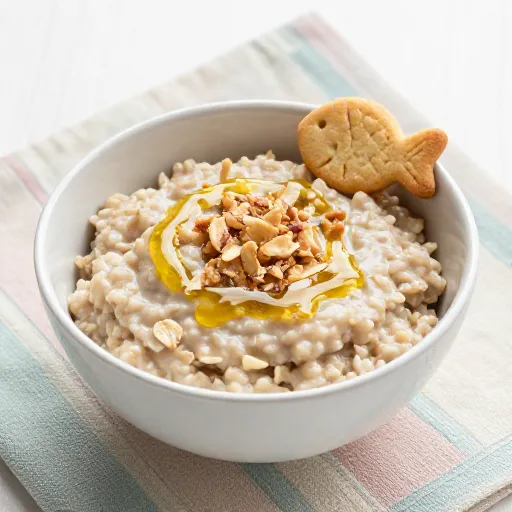
Cook plain rolled oats with water until very soft and mushy. No milk, no sugar, no salt. Let it cool to room temperature.
Flake a small piece of cooked fish (like cod or salmon) into tiny bits. Mix one tablespoon of oatmeal with the fish flakes. Add a splash of warm water to make it easier to eat.
This is a gentle meal for cats with upset tummies. The oatmeal is soothing, and the fish adds irresistible flavor. Use fish that’s plain and fully deboned.
Conclusion
Making cat food at home doesn’t have to be complicated or expensive. These eight recipes use basic ingredients you probably already have. Start with one recipe and see how your cat reacts. Every cat is different, so pay attention to what they like and what settles well.
Remember to introduce new foods slowly. Mix a little homemade food with their regular food at first. And always keep fresh water available. Your cat will thank you with purrs and happy meows.
Frequently Asked Questions
1. Can I feed my cat homemade food every day?
Yes, but only if the recipes are nutritionally balanced. Most vets recommend using homemade food as a supplement or treat. For a full daily diet, you need to add a cat-specific vitamin supplement to ensure they get all necessary nutrients.
2. How long does homemade cat food last in the fridge?
Most homemade cat food stays fresh for 3 to 4 days in an airtight container. You can freeze portions for up to two months. Thaw in the fridge overnight before serving.
3. What ingredients should I never feed my cat?
Avoid onions, garlic, grapes, raisins, chocolate, raw eggs, and raw fish. Also skip any seasonings, salt, sugar, and dairy products like milk (most cats are lactose intolerant). Stick to plain, simple ingredients.
4. Can kittens eat these homemade recipes?
Kittens have different nutritional needs than adult cats. These recipes are designed for adult cats. If you have a kitten, consult your vet before switching to homemade food. Kittens need more protein and specific vitamins for growth.
5. My cat is picky. How do I get them to try homemade food?
Start by mixing a tiny amount of homemade food with their regular kibble or wet food. Gradually increase the homemade portion over a week. Warming the food slightly (not hot) can make it smell more appealing. Be patient—some cats need a few tries before accepting new food.