First-Time Grooming Tips: 10 Beginner Essentials Every Dog Parent Needs to Know
Bringing home a new dog is pure joy, but that first grooming session can feel a little intimidating. I remember staring at my puppy, covered in mud, wondering where to even start. The good news? Grooming doesn’t have to be complicated or stressful.
These beginner-friendly tips will help you bond with your pup, keep their coat shiny, and make grooming a happy part of your routine. Let’s dive into the essentials every new dog parent should have in their toolkit.
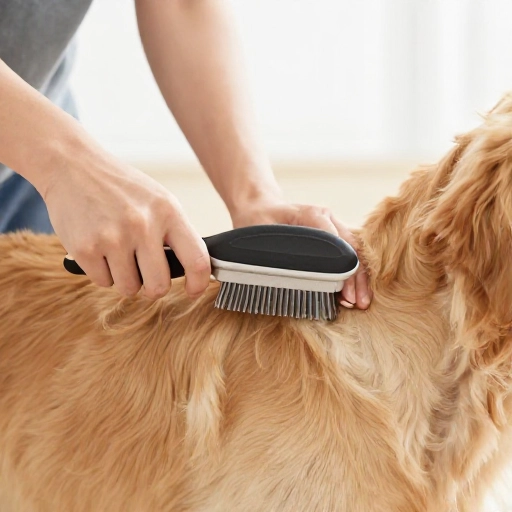
1. Start with a Gentle Slicker Brush
A good slicker brush is your new best friend. It removes loose fur, prevents mats, and distributes natural oils for a healthy coat. Start slow—let your dog sniff the brush first, then do a few gentle strokes on their back.
If your dog is nervous, pair brushing with treats. Short, positive sessions build trust. Remember, you’re not just brushing fur; you’re creating a calm, happy experience.
Always brush in the direction of hair growth. For double-coated breeds, focus on the undercoat to reduce shedding.
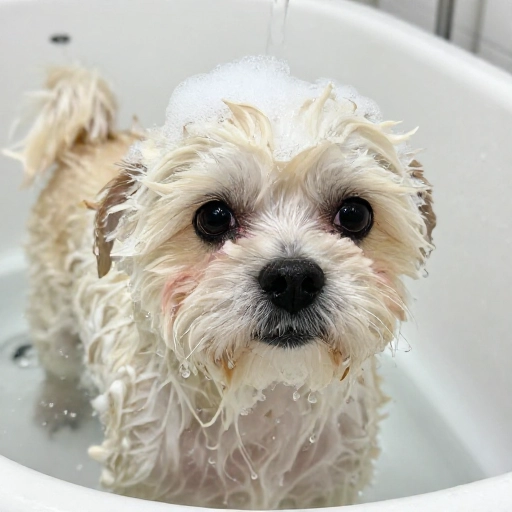
2. Choose a Dog-Safe Shampoo
Never use human shampoo on your dog. Their skin has a different pH balance, and human products can cause irritation, dryness, or allergic reactions. Look for a gentle, oatmeal-based or hypoallergenic shampoo designed specifically for dogs.
I learned this the hard way when my pup got flaky skin after a bath. Now I always keep a mild, tear-free formula on hand. It’s worth the small investment for their comfort.
If your dog has sensitive skin, opt for fragrance-free options. A patch test on a small area is always a smart first step.
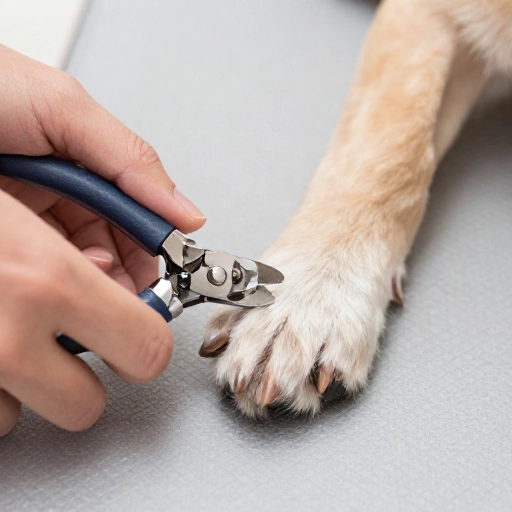
3. Master the Art of Nail Trimming
Nail trimming is often the scariest part for beginners. Use a quality pair of dog nail clippers or a grinder. Trim only the tip—avoid the quick (the pink area inside the nail). If you’re unsure, trim a tiny bit at a time.
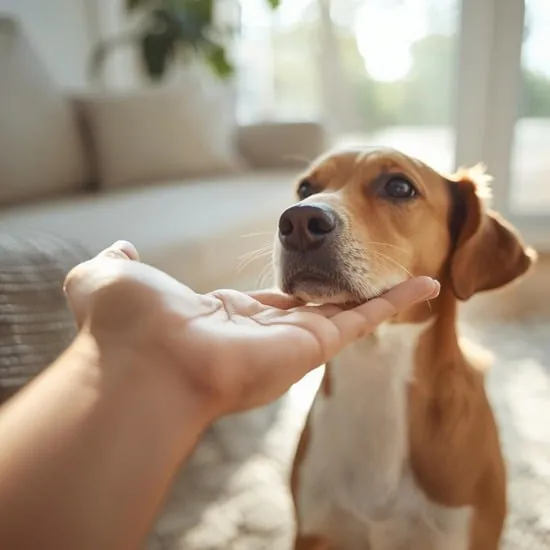
Start by handling your dog’s paws daily. Give treats and praise so they associate paw touches with good things. I found that a little patience goes a long way here.
If you accidentally cut the quick, keep styptic powder or cornstarch nearby to stop bleeding. Stay calm—your dog will take cues from you.
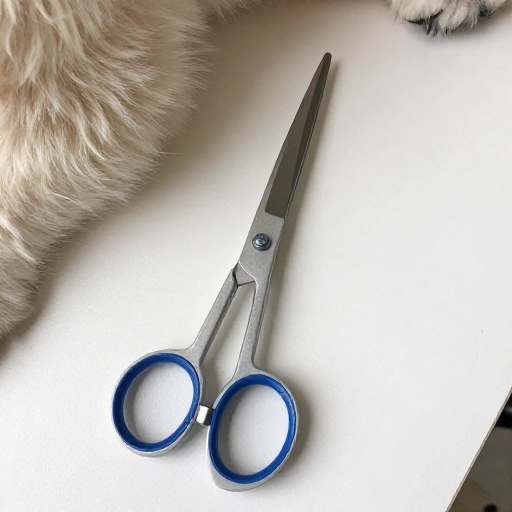
4. Invest in a Pair of Blunt-Tip Scissors
Blunt-tip scissors are a must for trimming delicate areas like around the eyes, paws, and sanitary areas. They’re safer than sharp-pointed scissors and reduce the risk of accidental nicks.
Use small, careful snips. Never cut too close to the skin, especially around the face. If your dog squirms, take a break and try again later.
For long-haired breeds, regular trims prevent mats from forming in these sensitive spots. A little maintenance goes a long way.
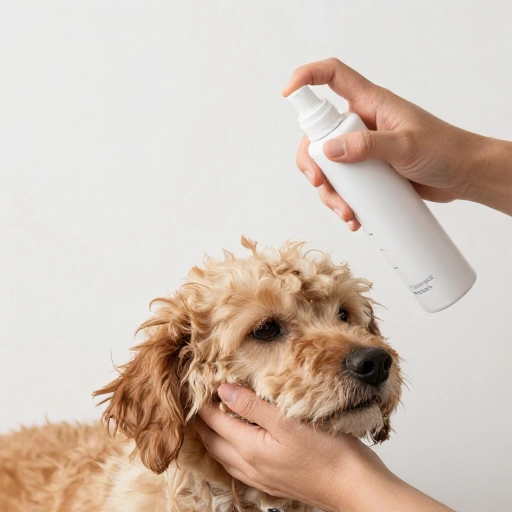
5. Use a Detangling Spray for Mats
Mats can be painful for dogs and frustrating for you. A good detangling spray or leave-in conditioner makes brushing easier and less painful. Spray it on problem areas, let it sit for a minute, then gently work through the mat with your fingers or a comb.
For stubborn mats, never yank. Use a mat splitter or consult a professional groomer. I’ve saved many a tangled pup with a spritz of detangler and some patience.
Regular brushing prevents mats from forming in the first place. Aim for a quick brush session every few days.
6. Keep Ear Cleaning Simple and Safe
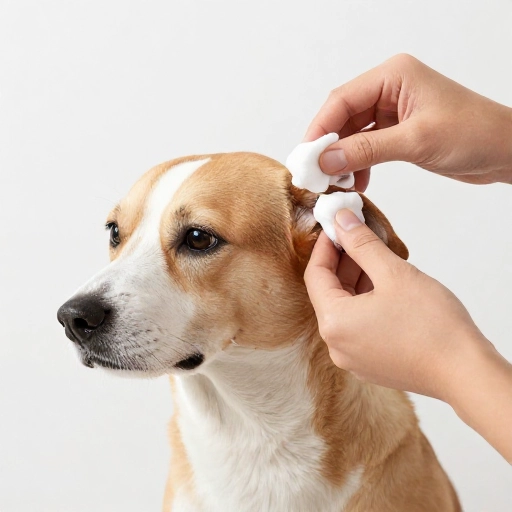
Dirty ears can lead to infections, so make cleaning a weekly habit. Use a vet-recommended ear cleaning solution and a soft cotton ball. Never use Q-tips—they can push debris deeper into the ear canal.
Gently lift your dog’s ear flap, apply a few drops of solution, and massage the base of the ear. Let them shake their head, then wipe away any excess with a cotton ball. It’s quick and painless.
If you notice redness, odor, or excessive scratching, consult your vet. Clean ears are happy ears.
7. Don’t Forget Dental Care
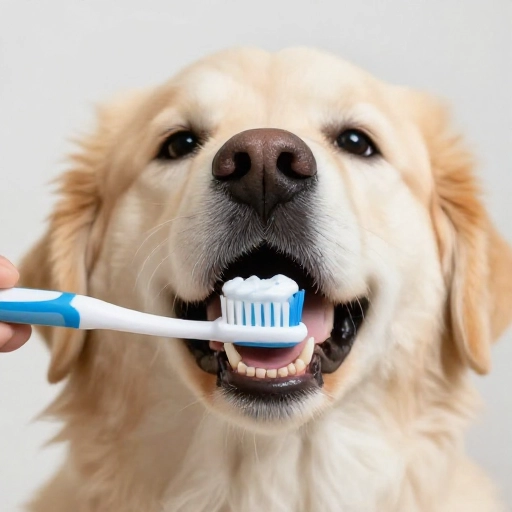
Dental health is often overlooked but so important. Start with a dog-specific toothbrush and toothpaste (never human toothpaste). Let your dog taste the toothpaste first, then gently brush a few teeth at a time.
If brushing is too much, use dental chews or water additives as a supplement. I rotate between brushing and chews to keep things easy.
Bad breath can signal dental issues. Regular care prevents plaque, gum disease, and even heart problems. Your pup’s smile will thank you.
8. Use a Grooming Table or Non-Slip Mat
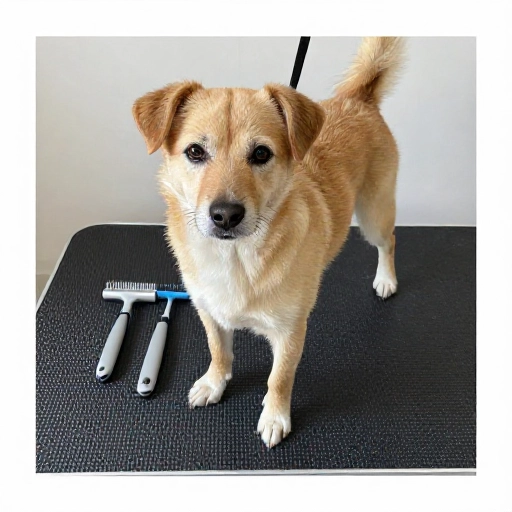
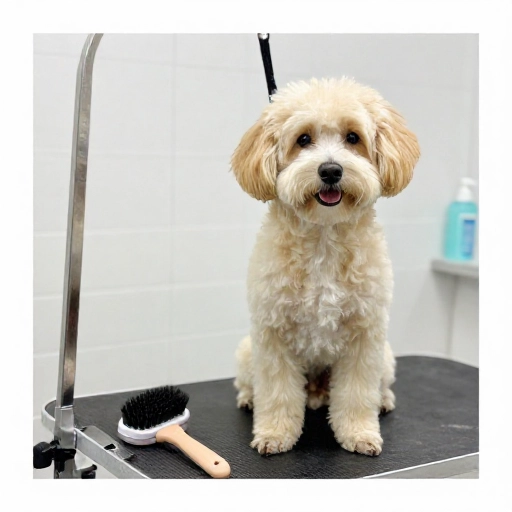
A stable surface makes grooming safer and more comfortable for both of you. A non-slip mat on your kitchen counter or floor prevents your dog from slipping. If you groom often, a foldable grooming table is a game-changer.
Your dog needs to feel secure. A wobbly surface can cause anxiety, so invest in something sturdy. I use a simple yoga mat—it’s cheap and works perfectly.
Always supervise your dog during grooming, especially on elevated surfaces. Safety first.
9. Introduce Tools One at a Time
Don’t overwhelm your dog with a full grooming kit on day one. Introduce each tool slowly. Let them sniff the brush, see the clippers, and hear the sound of the dryer from a distance. Pair each new item with treats and praise.
I made the mistake of trying everything at once with my first dog. He was stressed and so was I. Slow introductions build confidence and make grooming a positive experience.
Take it week by week. Your dog will learn that these tools mean good things are coming.
10. Keep a Consistent Routine
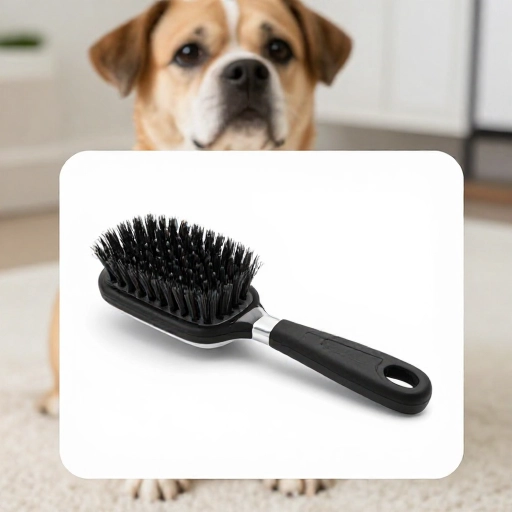
Dogs thrive on routine. Set a regular grooming schedule—maybe every Sunday morning or after a walk. Consistency helps your dog know what to expect and reduces anxiety.
Short, frequent sessions are better than long, stressful ones. Even 10 minutes of brushing and checking ears can make a huge difference.
Celebrate small wins with a treat or extra playtime. Soon, grooming will become a bonding ritual you both look forward to.
Conclusion: You’ve Got This!
Grooming your dog for the first time doesn’t have to be perfect. It’s about building trust, staying calm, and enjoying those quiet moments together. Start with the basics, go slow, and always listen to your pup’s cues.
You’ll quickly learn what works best for your dog’s coat and personality. Before you know it, you’ll be a confident grooming pro. Happy grooming, new parent!
Frequently Asked Questions
Q: How often should I bathe my dog?
Most dogs need a bath every 4–6 weeks. Over-bathing can strip natural oils, so adjust based on your dog’s activity level and coat type.
Q: Can I use human conditioner on my dog?
No. Human conditioners contain ingredients that can irritate a dog’s skin. Always use products specifically made for dogs.
Q: What if my dog hates being brushed?
Start with short sessions, use high-value treats, and brush gently. Pair brushing with something they love, like a walk or cuddle time.
Q: Do I need to trim my dog’s hair if they have a short coat?
Short-coated dogs still benefit from brushing to remove loose fur and distribute oils. Nail and ear care are still essential.
Q: Should I take my dog to a professional groomer?
It’s a great option if you’re unsure or have a breed with complex grooming needs. Even occasional professional visits can be helpful for nail trims or sanitary cuts.