Puppy Feeding Schedule by Age: The Complete 0–18 Month Guide for Happy, Healthy Pups
When I brought my first puppy home, I felt completely lost. How often should I feed him? How much? When do I switch to adult food? I wished someone had just handed me a simple schedule by age. So after raising a few puppies and talking with my vet, I put together the guide I wish I’d had from day one.
Puppies grow fast, and their nutritional needs change even faster. A 6-week-old eats very differently from a 6-month-old. The good news is you don’t need to be a vet to get it right. I’ll walk you through each stage, from newborn to 18 months, with simple meal times and portion tips.
Use this as your go-to puppy feeding chart. Every puppy is unique, so always check with your vet first. But these age-by-age guidelines will give you a solid, stress-free starting point.
Newborn Puppies (0–4 Weeks): Mom’s Milk Rules the Schedule
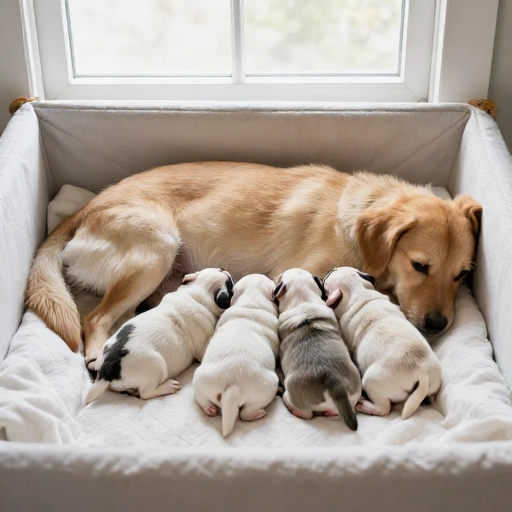
At this age, puppies get everything they need from mom. If mom is present, they nurse on demand — usually every 1 to 2 hours. I didn’t have to do much except keep mom healthy, hydrated, and well-fed.
If you’re bottle-feeding orphaned puppies, the schedule is intense: every 2 hours around the clock for the first week, then every 3 hours. It’s exhausting but temporary.
No solid food yet. Their tiny tummies can’t handle it. Just warm formula and lots of cuddles.
4–8 Weeks: Weaning and the First Real Feeding Schedule
This is when things get messy and fun. I started mixing puppy formula with soft puppy food to make a gruel. At 4 weeks, they might just lap at it. By 6 weeks, they’re eating more solids.
I fed 4 small meals a day: morning, noon, late afternoon, and bedtime. Each meal was about 1/4 to 1/2 cup of softened food, depending on litter size.
By 8 weeks, most puppies are fully weaned and ready for 4 meals of dry kibble soaked in warm water.
8–12 Weeks: The 4-Meal-a-Day Puppy Schedule
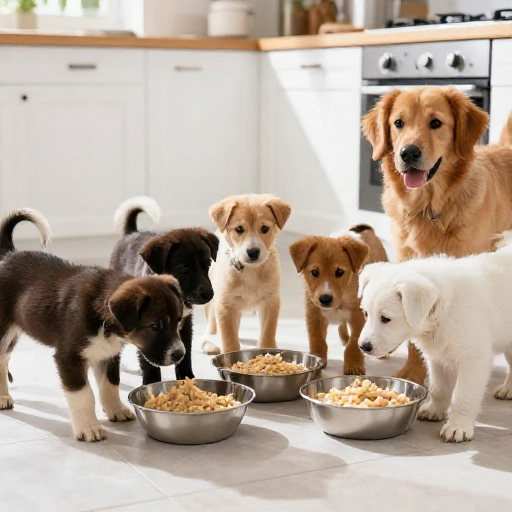
This is the classic puppy schedule. I fed my pup at 7 AM, 12 PM, 5 PM, and 10 PM. Consistency helped with potty training too.
Portions depend on breed and kibble. I followed the bag but adjusted based on my puppy’s body condition. You should see a waist and feel ribs easily.
Don’t free-feed. It makes house training harder and can lead to obesity. Set meals, then pick up the bowl after 15 minutes.
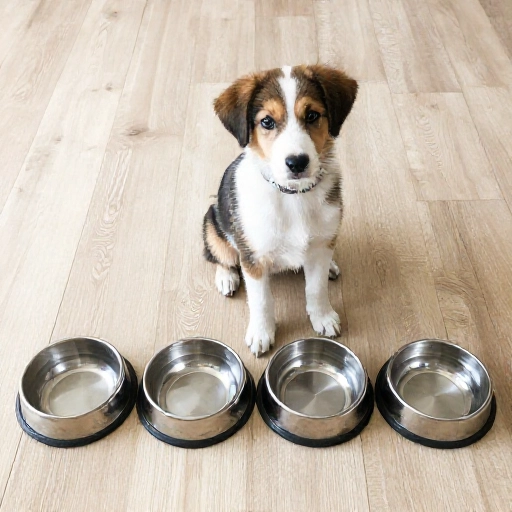
3–4 Months: Dropping to 3 Meals a Day
Around 12–16 weeks, I noticed my puppy wasn’t as ravenous at lunch. So I merged the midday and late afternoon meals into one. That gave us 3 meals: morning, midday, and evening.
I kept the same total daily amount, just split into 3. For example, 1.5 cups total became 1/2 cup per meal.
This is also when I started adding a little warm water to kibble to make it easier to chew. Teething is real.
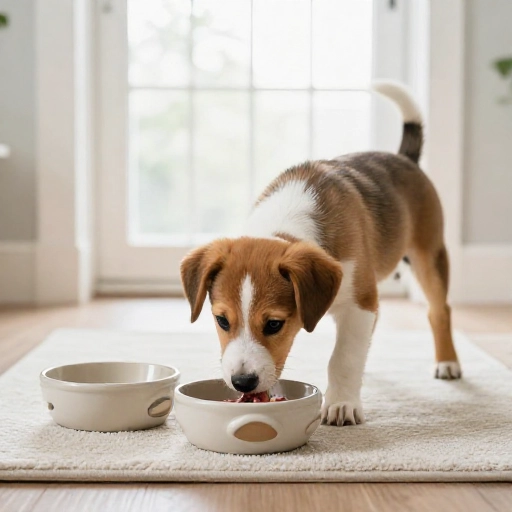
4–6 Months: Growth Spurts and Sticking to 3 Meals
My puppy grew like a weed here. The vet said to increase portions slightly every 2 weeks. I used a puppy feeding chart by weight as a guide.
I stuck to 3 meals a day: 7 AM, 1 PM, 7 PM. This routine gave him something to look forward to and helped with training.
Watch for signs of overfeeding: loose stools, gas, or a round belly. Underfeeding shows as visible ribs and low energy. Adjust as needed.
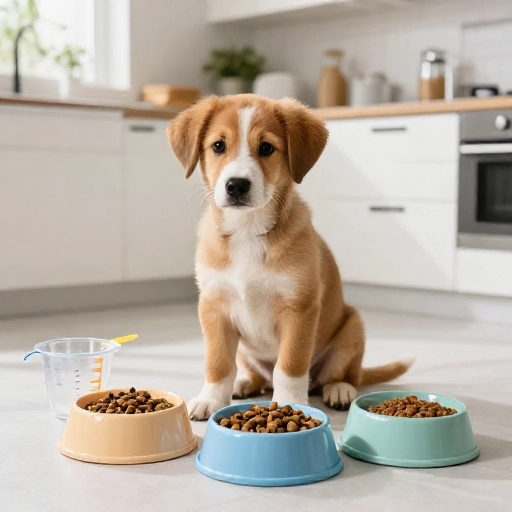
6–9 Months: Moving Toward 2 Meals a Day
By 6 months, most puppies can handle 2 meals a day. I slowly phased out the midday meal by reducing it over a week.
I fed at 8 AM and 6 PM. That matched my work schedule and gave him a good overnight fast.
Some small breeds still need 3 meals until 9 months. Know your breed. My friend’s Chihuahua stayed on 3 meals longer.
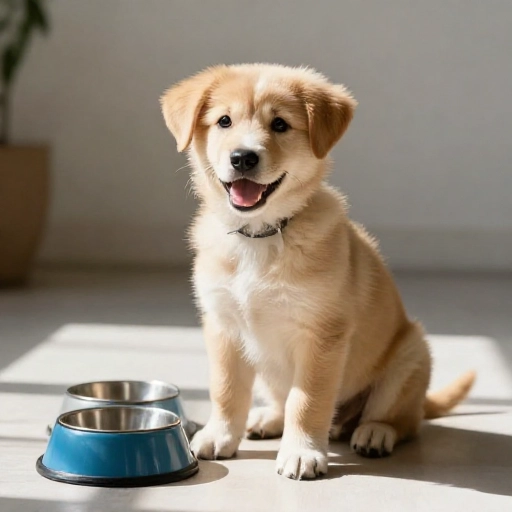
9–12 Months: Almost Adult, But Still a Puppy Schedule
At this stage, my puppy was nearly full size but still needed puppy food for extra nutrients. I kept 2 meals a day.
I started mixing in adult food slowly if the vet said it was okay. Usually around 12 months for small breeds, 18 months for large.
Watch for weight changes. If your puppy is getting chubby, reduce portions slightly. If ribs are too visible, add a bit.
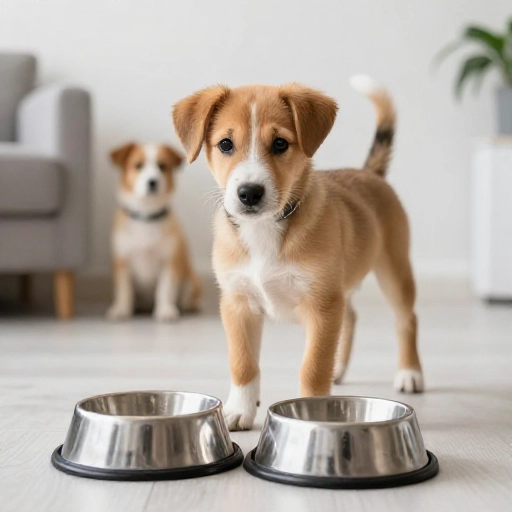
12–18 Months: When to Switch to Adult Feeding Times
This is the transition to adult food and schedule. For small breeds, switch at 12 months. For large breeds, wait until 18 months.
I switched gradually over 7–10 days, mixing 25% adult food, then 50%, then 75%, then 100%.
Adult dogs usually eat 2 meals a day. I kept the same times: 8 AM and 6 PM. Consistency is key.
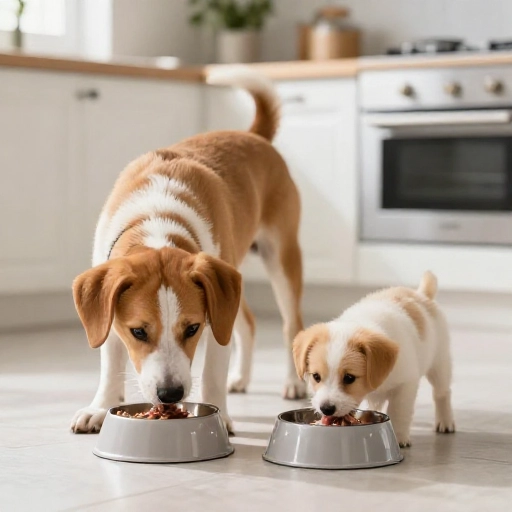
Small vs. Large Breed Puppy Feeding Schedules by Age
Small breeds mature faster. They might switch to adult food at 10–12 months. Large breeds need puppy food longer, up to 18–24 months.
Large breed puppies are prone to joint issues if they grow too fast. So I carefully measured portions and didn’t overfeed.
Small breeds can have faster metabolisms. They might need 3 meals a day longer. Always check with your vet for breed-specific advice.
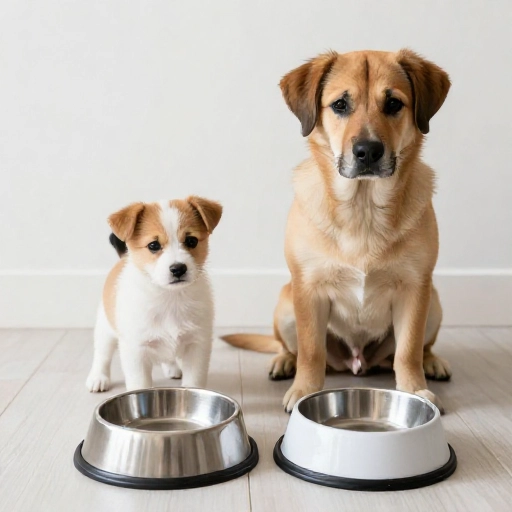
How to Adjust Your Puppy’s Feeding Schedule (Travel, Teething, and Tummy Troubles)
Life happens. When I traveled, I packed pre-measured bags and stuck to the same times in a new time zone as best I could.
Teething made my puppy avoid hard kibble. I added warm water or switched to wet food for a few days.
Tummy troubles? I fasted him for 12 hours (with vet approval) then gave small, bland meals. If diarrhea lasts more than a day, call the vet.
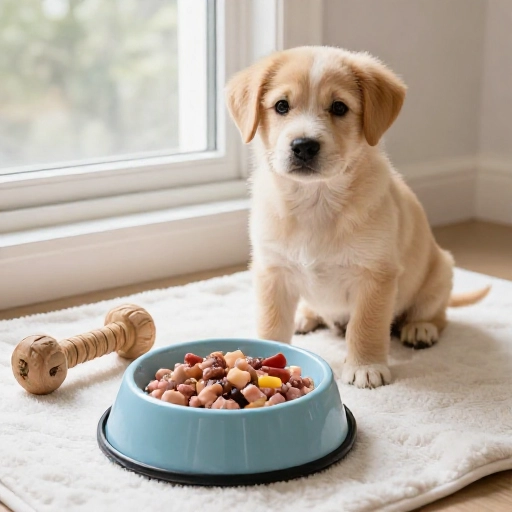
Conclusion: Trust the Schedule, But Listen to Your Puppy
Feeding by age is a guideline, not a rule. My puppy taught me that every day is different.
Keep an eye on body condition, energy, and poop. Those are your best clues.
When in doubt, call your vet. They know your puppy’s specific needs better than any chart.
FAQ: Puppy Feeding Schedule by Age
Q: How often should I feed my 8-week-old puppy?
A: 4 meals a day, about 4 hours apart. Example: 7 AM, 11 AM, 3 PM, 7 PM.
Q: When can I switch my puppy to 2 meals a day?
A: Most puppies are ready around 6 months. But small breeds may need 3 meals until 9 months. Check with your vet.
Q: Should I free-feed my puppy?
A: No. Free-feeding makes potty training harder and can cause obesity. Scheduled meals are better.
Q: How much should I feed my puppy?
A: Start with the bag’s recommendation based on weight, then adjust based on body condition. You should feel ribs but not see them.
Q: Can I change my puppy’s feeding schedule?
A: Yes, gradually. Shift meal times by 15–30 minutes every few days. Sudden changes can upset their stomach.