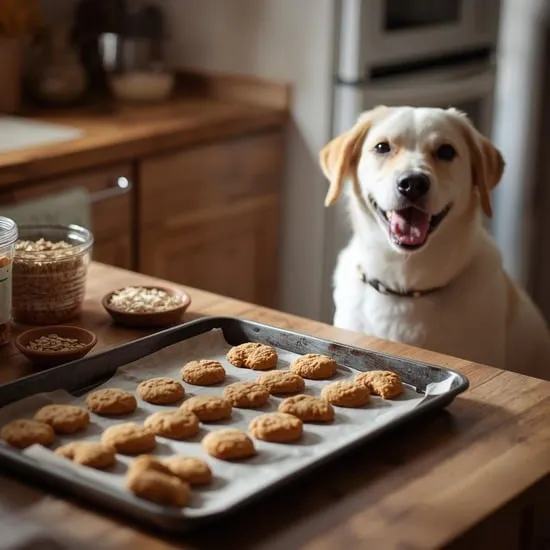
13 Easy Steps to Teach the Quiet Command

If you’ve ever wished your dog would just chill out for a moment, you are not alone. The “quiet” command is a lifesaver for anyone with a vocal pup. It’s not about silencing your dog completely—it’s about giving them a clear way to understand when barking is okay and when it’s time to settle.
Teaching this takes a little patience, but the payoff is huge. I’ve trained many dogs using these steps, and they work best when you keep sessions short and positive. Ready to bring some peace into your home? Let’s walk through it together.
1. Understand Why Your Dog Barks
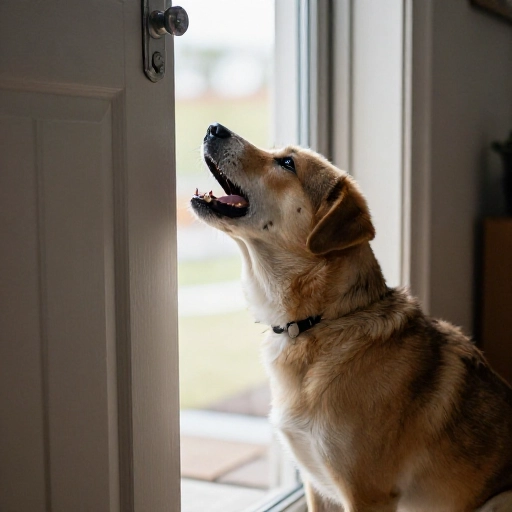
Before you teach quiet, you need to know the “why” behind the bark. Is your dog bored, scared, excited, or alerting you to something? A dog that barks out of fear needs a different approach than one who barks at the doorbell.
Spend a few days just observing. Notice the triggers—the mail carrier, another dog, a knock. This insight helps you stay one step ahead and choose the right moment to practice.
2. Pick a Quiet Time to Start
Don’t try to teach “quiet” when your dog is already losing it. Start during a calm moment, like after a walk or when they’re lounging. You want their brain in learning mode, not alert mode.
Early morning or evening wind-down times work great. The quieter the environment, the easier it is for your dog to focus on you.

3. Teach “Speak” First
It sounds backward, but teaching “speak” makes “quiet” much easier. Once your dog knows how to bark on cue, they also learn to stop on cue. Get a friend to knock or ring the doorbell, then say “speak” right before they bark.
Reward the bark with a treat and lots of praise. Do this until your dog barks when you say the word. Now you have a starting point for the quiet command.
4. Introduce “Quiet” During a Bark
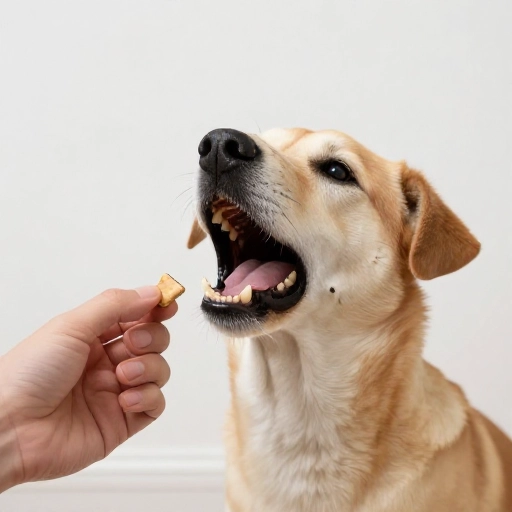
With your dog barking on cue, hold a high-value treat close to their nose. Most dogs will stop barking to sniff the treat. The second they pause, say “quiet” in a calm, firm voice, then give the treat.
Timing is everything here. You want them to connect the word “quiet” with the moment their mouth is closed. Repeat this a few times per session.
5. Use a Hand Signal
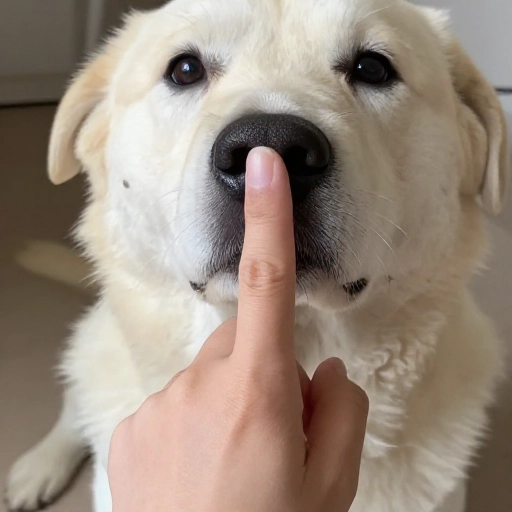
Dogs pick up on visual cues faster than words. Pair your “quiet” command with a hand signal—like holding your index finger to your lips or an open palm facing them. Use the same signal every time.
After a few tries, try giving just the hand signal without speaking. Reward when they stop barking. This gives you a silent way to ask for quiet, which is gold in public places.
6. Reward Silence, Not Just Stopping
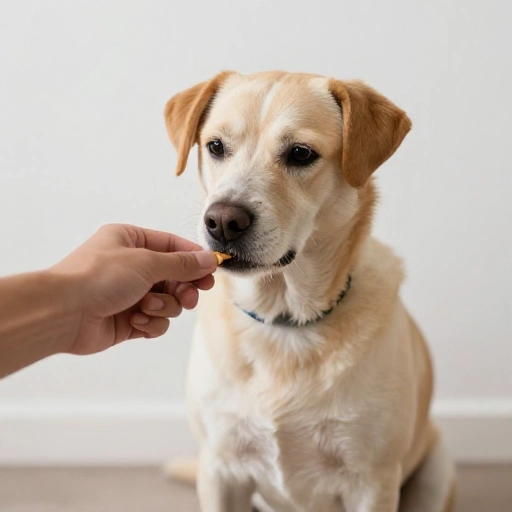
It’s not enough for your dog to stop barking for one second. You need to stretch that silence. After they pause, wait one second before giving the treat. Gradually increase the wait time to two, three, then five seconds.
Use a marker word like “yes” to tell them exactly when they’ve done the right thing. This builds their ability to stay quiet longer.

7. Practice in Different Locations
Your dog might be quiet in the living room but bark like crazy in the yard. Take the training to new spots once they understand the basics. Start in a slightly distracting area, like the hallway, then move to the front yard.
Each new place is a fresh challenge. Go back to short rewards and build up from there. Consistency across locations makes the command stick.

8. Add Mild Distractions Gradually
Life is full of distractions, so your dog needs to learn to ignore them. Try practicing “quiet” while someone walks past the window or while you crinkle a treat bag. Start with low-level distractions and work up.
If your dog barks, that’s okay. Just go back to a quieter setting and try again. Progress, not perfection, is the goal.
9. Manage the Environment
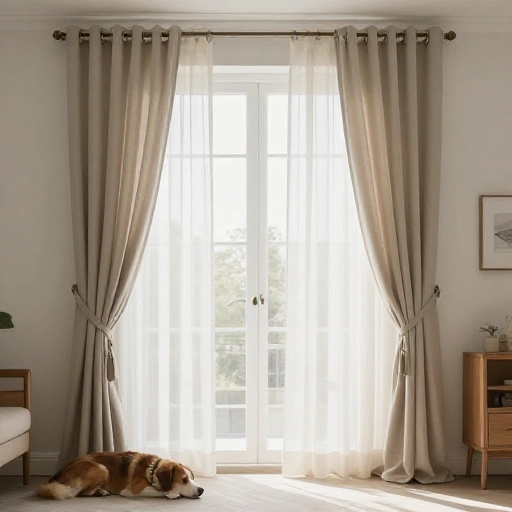
Sometimes the best training is prevention. If your dog barks at every person outside, close the curtains or use frosted window film. If they bark at the doorbell, ask visitors to text instead of ringing.
Managing triggers gives you more control over practice sessions. You’ll have fewer setbacks and more wins, which keeps both of you motivated.

10. Use Real-Life Triggers for Practice
Once your dog is solid in controlled settings, use real triggers. Have a friend knock on the door, or walk past the house while you practice “quiet.” Keep treats handy and be ready to reward the silence.
Real-life practice is where the magic happens. Your dog learns that “quiet” works even when things get exciting. Keep sessions short and always end on a positive note.
11. Don’t Yell Over the Barking
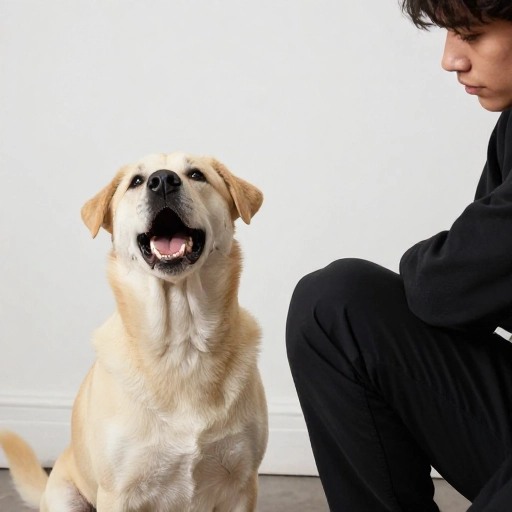
It’s tempting to raise your voice when your dog won’t stop barking. But yelling sounds like barking to your dog, and it can make them bark more. Stay calm and use your quiet, steady voice.
If you feel frustrated, take a break. Training works best when you’re relaxed. Your dog feeds off your energy, so keep it cool and consistent.

12. Be Patient with Setbacks
Some days your dog will nail it, other days they’ll bark at a leaf. That’s normal. Setbacks happen when dogs are tired, overstimulated, or just having an off day. Don’t take it personally.
Take a step back to an easier step and rebuild. Consistency over time is what creates a reliable command, not perfection in a single week.
13. Celebrate Small Wins
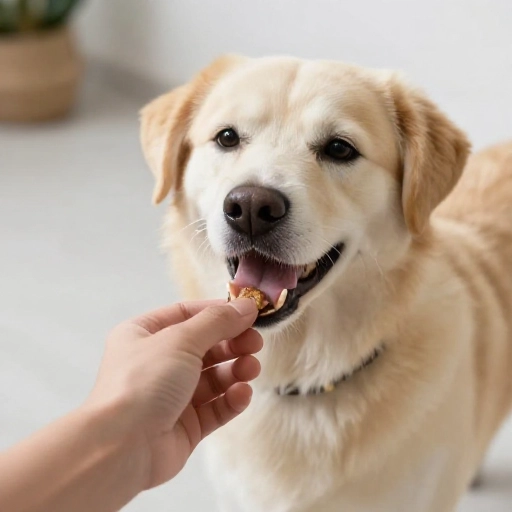
Every time your dog chooses quiet over barking, that’s a win. Celebrate with treats, a happy voice, or a quick game. Positive reinforcement makes your dog want to repeat the behavior.
Keep a little training journal if it helps. Noting progress—even tiny steps—keeps you encouraged. Your dog is learning, and so are you.

Conclusion
Teaching the quiet command is a journey, not a race. With patience, consistency, and a lot of treats, your dog will learn when to settle. Remember, barking is natural—you’re just giving them a tool to know when it’s time to stop.
Every dog learns at their own pace, so don’t compare your progress to others. Stick with it, keep sessions fun, and you’ll both enjoy the peace that comes with understanding each other better.
Frequently Asked Questions
How long does it take to teach a dog the quiet command?
It depends on your dog and how often you practice. Some dogs pick it up in a few days, while others need a few weeks. Short, daily sessions of 5–10 minutes work best.
Can I teach an old dog to be quiet?
Absolutely. Older dogs can learn new cues, though they might take a bit longer. Use high-value treats and keep sessions positive. Patience is key at any age.
What if my dog only barks when I’m not home?
That sounds like separation anxiety or boredom. Try leaving interactive toys or a white noise machine. If barking is severe, consider consulting a trainer or vet for extra help.
Should I use a bark collar to stop barking?
I don’t recommend bark collars. They can cause fear and don’t teach your dog what to do instead. Positive training builds trust and a stronger bond.
My dog stops barking but starts again after the treat. What do I do?
This is common. You need to stretch the quiet time. Gradually increase the delay before giving a treat, and reward calm behavior even when you didn’t ask for it. Over time, your dog learns to stay quiet longer.