12 Heartwarming Pet Ramp Solutions That Protect Joints and Keep Tails Wagging
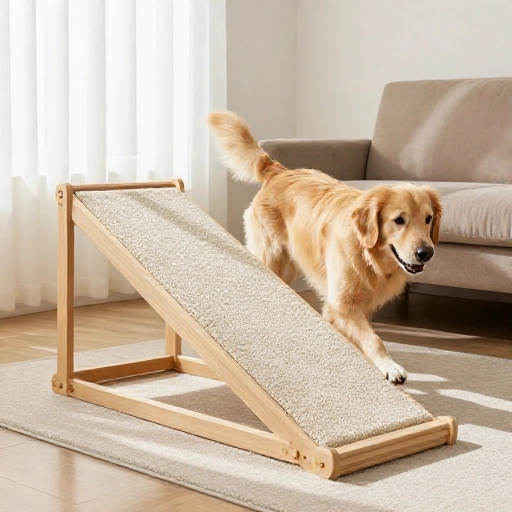
I still remember the day my 11-year-old lab mix hesitated at the back door steps for the first time. That tiny pause broke my heart—and it kicked off a full-on deep dive into pet ramps. If your furry family member is slowing down, recovering from surgery, or simply has little legs that need a lift, the right ramp can change everything.
The good news? You don’t have to settle for ugly, overpriced plastic planks. There are so many clever, budget-friendly, and even stylish ways to help your pet get around. From DIY wood builds to foldable travel ramps, I’ve rounded up 12 of the most heartwarming solutions I’ve tried, spotted in friends’ homes, or saved from fellow pet parents.
Ready to make every step easier and keep those tails wagging? Let’s dig in.
1. DIY Carpet-Covered Wood Ramp for Senior Dogs
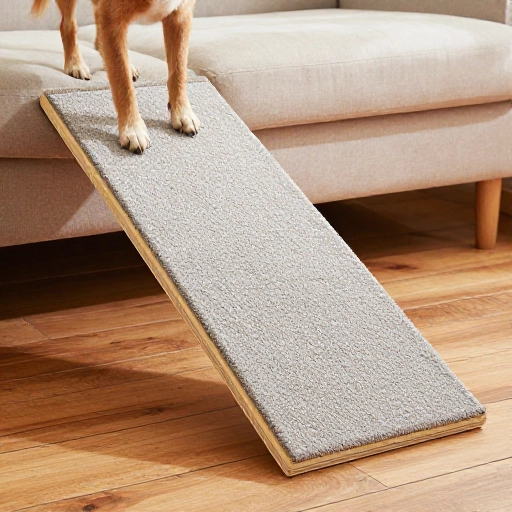
My first ramp project started with a leftover piece of plywood and a roll of old carpet. I sanded the edges smooth, attached two small side rails for safety, and stapled the carpet down tightly. The texture gave my old boy just enough grip to walk up without slipping, even on his wobbly days.
You don’t need fancy tools for this one. A simple rectangle of sturdy plywood, a non-slip carpet remnant, and some basic brackets are enough. The beauty is you can cut the wood to exactly the height of your couch or back steps. If you’re worried about splinters, wrap the edges with duct tape or an old yoga mat before adding the carpet.
What makes this truly heartwarming is watching a senior dog rediscover independence. That first time they walk up without being carried feels like a small victory for both of you.
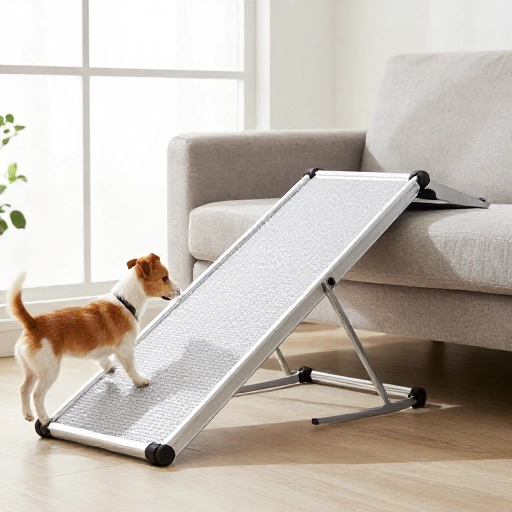
2. Foldable Aluminum Ramp That Lives Behind the Couch
For years I avoided metal ramps because they looked cold and industrial—until a friend showed me one that folds flat and slides behind her sofa. It’s light enough to grab with one hand, yet supports up to 150 pounds. Perfect for a large dog or a chunky cat.
The texture is the secret sauce. A good one has a high-traction surface that stays grippy even when wet. I’ve used it for loading into the car, helping a post-surgery pup navigate one step, and even as a temporary bridge over a slick tile floor during a rainy week.
Because it folds so slim, you won’t trip over it or have to stash it in the garage. That convenience means you’ll actually use it—and your pet will thank you with every pain-free climb.
3. Memory Foam Pet Stairs That Double as a Bed Ramp
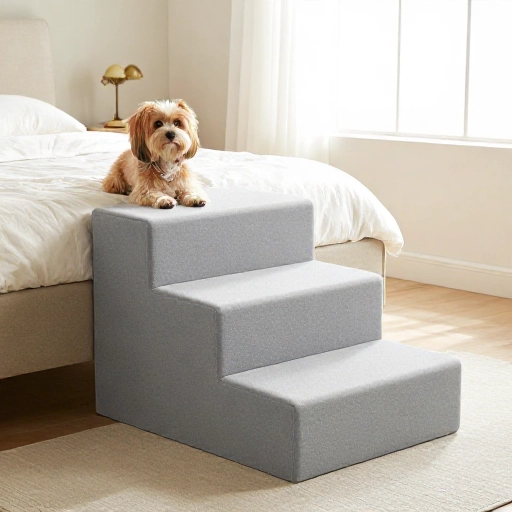
Some pets refuse to walk up a solid ramp but will happily bound up soft stairs. That’s where memory foam steps come in. They compress just enough to feel stable but soft on arthritic paws. I placed a set next to my bed, and my senior cat started using them within two days.
Look for covers that zip off and are machine washable—trust me, fur and drool will happen. The height matters too. For a bed or couch, you want the top step to sit within a few inches of the surface, so they don’t have to jump the last gap.
These aren’t just for elder pets. Small breeds like Chihuahuas and Yorkies benefit from them from day one, preventing long-term joint strain before it starts.
4. Cat Window Perch Ramp with Sisal Scratching Surface
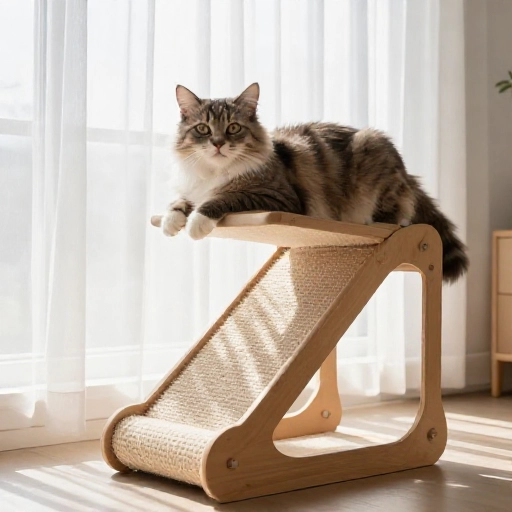
Cats are notorious for ignoring anything you buy for them. But wrap a ramp in sisal rope and place it leading up to their favorite window perch? Suddenly it’s not a ramp—it’s a scratching post and climbing challenge. That’s how I finally got my picky calico to use one.
You can build this with a simple wooden plank, wrap the top with sisal using hot glue, and secure it at a gentle angle. Add a small ledge at the top so they can pause and survey the room. The sisal doubles as claw care, which keeps them off your furniture.
What I love most is seeing an older cat still enjoy bird watching. A ramp like this gives them access to a cozy spot without the painful leap that used to end in a sad meow.
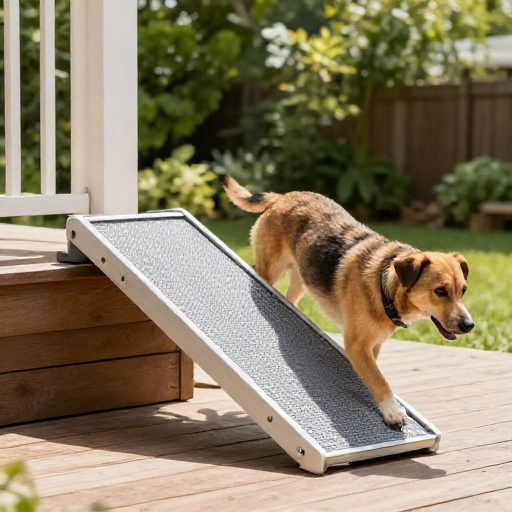
5. Outdoor Weatherproof Ramp for Porch Steps
My back porch has three concrete steps that became a real obstacle for my aging dog. I finally built a pressure-treated wood ramp with a slight angle and covered the surface with outdoor stair tread tape. Rain, snow, or morning dew—no slipping.
The key here is weatherproofing. Use galvanized screws, exterior wood or composite decking, and a surface that drains well. I also added a sanded paint finish for extra grip. If you have room, make the ramp wider than you think so your pet doesn’t feel like they’re balancing on a tightrope.
Watching my dog trot up that ramp after a potty break instead of standing at the bottom looking defeated? That’s the kind of everyday magic a simple ramp can create.
6. Adjustable Incline Ramp for Couch Snuggles
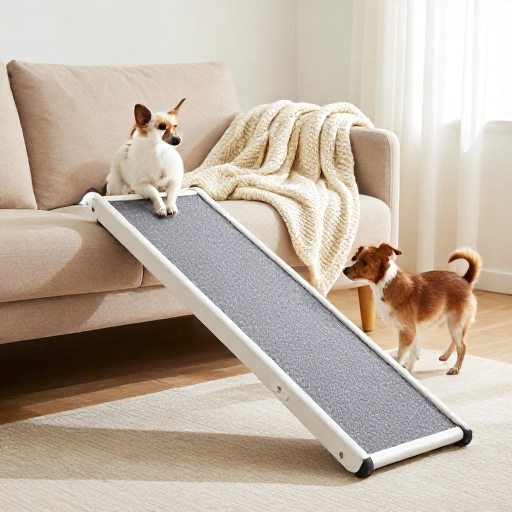
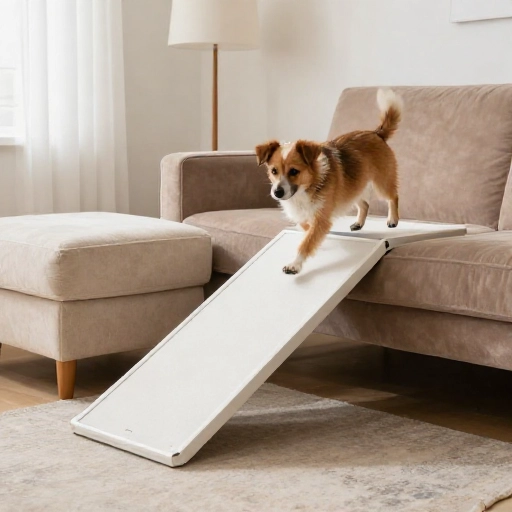
My couch is taller than most, and my dachshund mix’s back can’t handle the jump. An adjustable ramp with multiple height settings solved that. It goes from a gentle slope for lazy mornings to a steeper incline when I move it to the armchair.
Look for one with rubber feet or locking mechanisms at both ends. The last thing you want is the ramp sliding away mid-climb. I also love models with a carrying handle, so I can shift it from living room to bedroom without breaking a sweat.
The heartwarming part? My little guy now curls up next to me every evening instead of staring longingly from the floor. Couch snuggles are no longer a risky leap—they’re a safe invitation.
7. Low-Profile Ramp for Dachshunds and Corgis
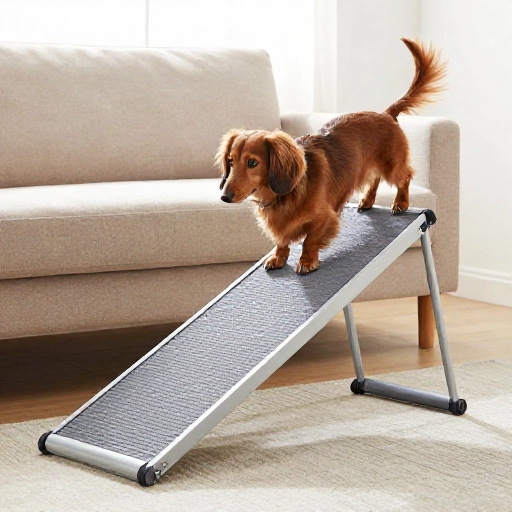
Long-bodied, short-legged breeds need a completely different ramp geometry. Too steep, and they’ll strain their backs. Too narrow, and they’ll feel unstable. I learned this the hard way with a corgi who flat-out refused a standard ramp until I built one with a very low angle.
The ideal slope for these pups is about 18–20 degrees, which means the ramp needs to be long and wide. I used a hollow-core door cut in half, covered it with ribbed rubber matting, and added low side rails. The result was instant acceptance.
Hearing those little feet patter up without fear is worth every minute of measuring and cutting. For small breeds, a ramp isn’t a luxury—it’s a spine saver.
8. Ramp Disguised as a Decorative Storage Bench
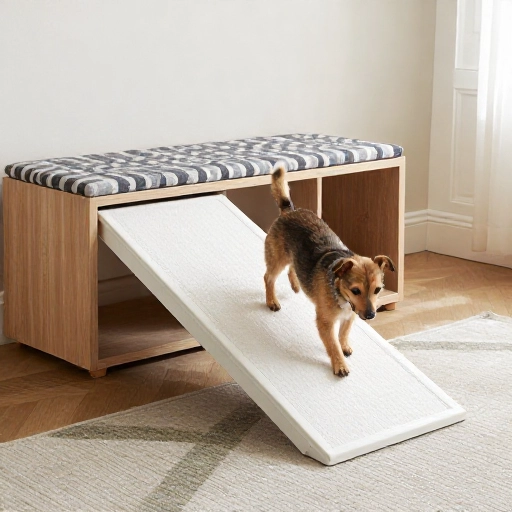
Not everyone wants a giant plastic wedge in the middle of their living room. That’s why I fell for the idea of a ramp that looks like a piece of furniture. You can build a wooden ramp with a hinged top that opens to store toys, leashes, or blankets.
The surface gets a layer of upholstery fabric or a washable rug, and the legs are cut at an angle so it doubles as a gentle incline. Place it against the bed or couch, and it blends right in with your decor. Guests often mistake it for a stylish bench until they see the cat climb it.
This is my go-to solution for people who love their pets but also love a tidy, beautiful home. Form and function can absolutely coexist—and your pet deserves both.
9. Roll-Up Travel Ramp for Car Rides and Vet Visits
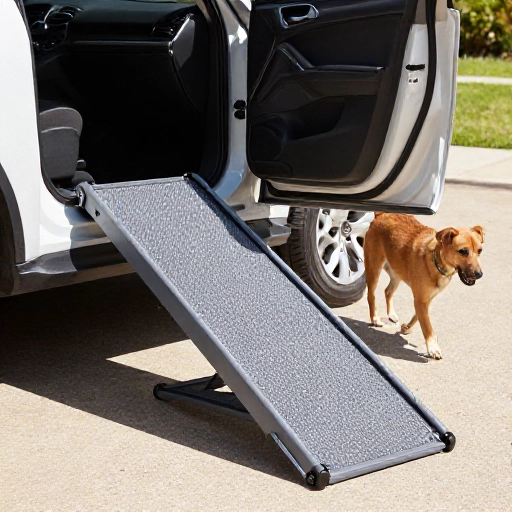
Car rides used to be a two-person job: one to lift the dog, one to stabilize the ramp. Then I found a roll-up travel ramp made from high-density foam and rugged fabric. It rolls out in seconds, supports decent weight, and folds back into a small tote bag.
These are lighter than aluminum and often cheaper, making them perfect for small to medium pets. For larger dogs, there are roll-up ramps with reinforced plastic cores. The best part is they fit behind the seat or in the trunk without taking up precious cargo space.
Now vet trips are calmer for both of us. My dog hops up the ramp, settles in, and we’re off—no heavy lifting, no strained backs, no whining in the parking lot.
10. Modular Foam Blocks That Turn Into a Custom Ramp
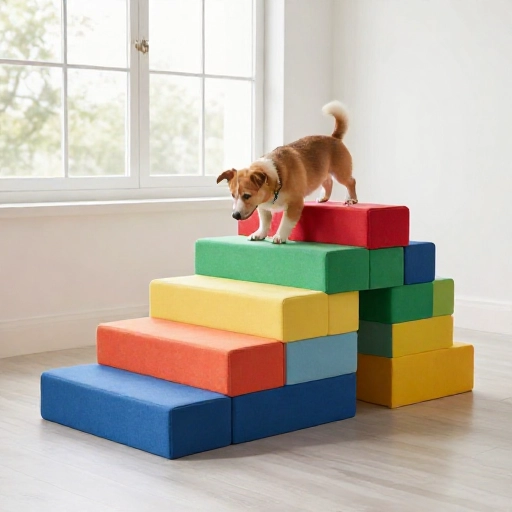
When my friend’s elderly rabbit started struggling with her hutch, I suggested something unconventional: modular foam blocks. These are large, firm wedges and cubes that you can arrange into a low ramp or steps. They’re light, easy to clean, and completely customizable.
For small animals like rabbits, guinea pigs, or even tiny dogs, these blocks create a soft path that doesn’t put pressure on their joints. You can stack them differently each day to keep things interesting, or glue them together for a permanent shape.
What got me was watching that little bunny hop up to her food bowl again. It’s such a small change, but it restored her confidence and her appetite.
11. Heated Ramp for Cold Winters and Stiff Joints
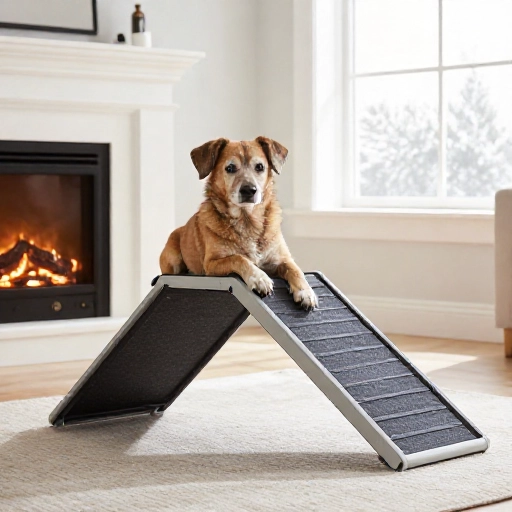
Living in a colder climate taught me that ramps alone aren’t always enough. Stiff joints get worse when temperatures drop. That’s why I experimented with a low-wattage heating pad placed under a thin, waterproof cover on a foam ramp.
The warmth soothes arthritic paws and hips before and after climbing. You can buy ready-made heated pet ramps, but a DIY version with a pet-safe heating pad works just as well. Just make sure the cord is tucked away and the pad doesn’t overheat.
On freezing mornings, my old cat walks up the heated ramp, pauses for a moment, and gives me that slow blink of contentment. That’s all the proof I need that warmth makes a difference.
12. “Invisible” Ramp Using Rearranged Furniture and Ottomans
Sometimes the best ramp solution is already in your living room. I once rearranged a storage ottoman, a firm pouf, and a low bench to create a gentle staircase for a dog who refused every commercial ramp I bought. It cost nothing and took ten minutes.
The trick is stability. Each piece must not wobble or slide. I used non-slip pads under everything and placed them so the height difference between each step was no more than four to five inches. A small rug on top gave extra traction.
My dog started using her “furniture stairs” within the hour. It looked completely natural in the room and gave her access to the couch without a single manufactured ramp in sight. Proof that creativity can be just as effective as a store-bought solution.
Conclusion
Helping a pet move around safely is one of the most loving things we can do as pet parents. Whether you build a carpeted ramp, invest in a foldable travel version, or simply rearrange your ottomans, the goal is the same: fewer painful jumps and more happy moments together.
Start small. Observe how your pet moves, measure your furniture or steps, and pick one solution from this list that matches your space and budget. Give them time to adjust—treats and patience go a long way. Once they get it, you’ll see that spark of independence return.
Your pet gives you unconditional love every single day. A ramp is a simple way to give some of that love back, one safe step at a time.
FAQ: Pet Ramp Questions, Answered
How do I train my dog or cat to use a ramp?
Start by placing the ramp flat on the floor with treats scattered along it. Let them walk across without any incline. Over several days, gradually raise one end a few inches at a time. Always use encouragement and their favorite treats, and never force them. Short, positive sessions work best.
What slope is safe for older or arthritic pets?
For most senior dogs and cats, aim for a rise-to-run ratio of about 1:4, which means for every 4 inches of horizontal length, the ramp rises 1 inch. That’s roughly a 14–15 degree angle. For long-backed breeds like dachshunds, go even gentler—around 1:5 or 18 degrees is safer.
Can I make a cat ramp without any tools?
Yes! Use a sturdy cardboard box or a stack of firm books, cover it with a folded blanket or a rubber-backed rug, and lean it against the couch at a low angle. For a more permanent no-tool option, buy modular foam blocks that can be arranged into a ramp shape. Just make sure everything is stable.
How do I keep a ramp from slipping on hardwood floors?
Attach rubber feet or non-slip pads to the bottom of the ramp. You can also use a non-slip rug pad underneath. Some ramps come with rubber grippers built in. If yours doesn’t, adhesive stair tread tape or silicone caulk lines across the bottom work well. Test by pressing firmly before letting your pet climb.
Are ramps better than stairs for dogs with arthritis?
In most cases, yes. Ramps allow a continuous, low-impact climb without the jarring motion of stepping up each stair. Stairs can strain hips and shoulders, especially for dogs with arthritis or hip dysplasia. A ramp with a gentle slope lets them keep their body in a more neutral position, which is much easier on sore joints.