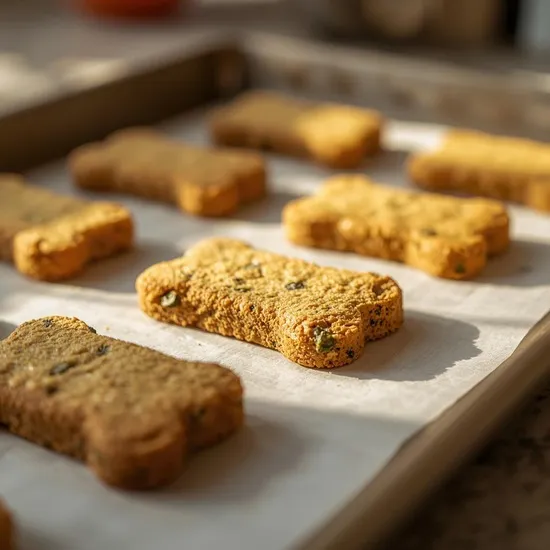
12 Safe OTC Meds For Dogs With Stomach Pain

Nothing tugs at my heart more than seeing my dog curled up, looking miserable with a gurgling tummy. I know that desperate feeling of wanting to help them feel better, fast. But reaching into the medicine cabinet without thinking can be dangerous for our furry friends. I’ve learned (sometimes the hard way) that what works for us doesn’t always work for them.
Over the years, I’ve compiled a list of over-the-counter remedies that veterinarians generally consider safe for occasional stomach upset. Remember, I’m just a dog mom sharing my experience — always check with your vet before giving any medication, especially if your dog has other health issues or is on other meds. Let’s get that tail wagging again.
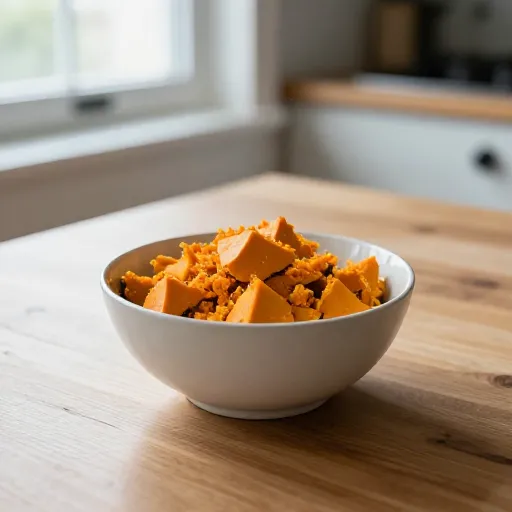
1. Plain Canned Pumpkin (Not Pumpkin Pie Filling)
This is my absolute go-to for mild tummy troubles. Plain canned pumpkin is packed with soluble fiber, which is a miracle worker for both diarrhea and constipation. It helps bulk up loose stools and gently regulates slow digestion.
Just make sure you grab 100% pure pumpkin, not the sugary, spiced pie filling. A spoonful mixed into their dinner usually does the trick. I keep a can in my pantry at all times now.
2. Probiotics For Dogs
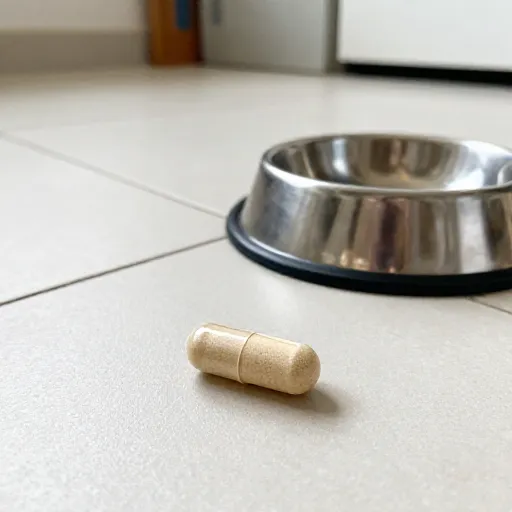
Think of probiotics as the good guys for your dog’s gut. When their stomach is upset, the natural balance of bacteria is often thrown off. A dog-specific probiotic powder or chewable can help restore that balance and calm the inflammation.
You can find these at pet stores or online. I sprinkle the powder over their kibble. It’s gentle, safe, and works wonders for sensitive stomachs, especially after a round of antibiotics.
3. Pepto-Bismol (With Vet Approval Only)
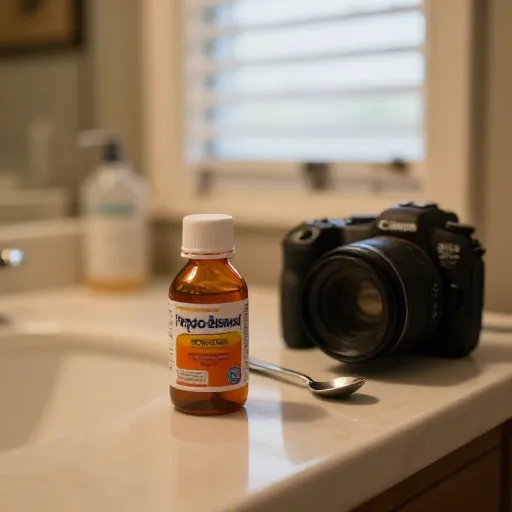
This one comes with a big warning sign. While vets sometimes recommend Pepto-Bismol for diarrhea, it contains salicylate, which can be toxic to some dogs. It’s not safe for cats at all.
If your vet gives the green light, they’ll tell you the exact dose based on your dog’s weight. Never guess. I’ve used it once under direct vet supervision, but honestly, I prefer gentler options first.
4. Ginger Tea (Plain, Unsweetened)
Ginger is a natural anti-nausea remedy that works for humans and dogs. I brew a weak cup of ginger tea, let it cool completely, and offer a tablespoon or two to my dog. It can settle a queasy stomach and reduce gas.
Never give ginger essential oil or concentrated capsules. Just a simple tea or a tiny bit of fresh grated ginger mixed into their food. It’s a soothing, gentle option for mild nausea.

5. Slippery Elm Bark
This herbal supplement is a hidden gem. Slippery elm bark coats the digestive tract with a soothing gel-like substance, which can calm irritation from gastritis or mild food sensitivities. It’s very gentle and safe for dogs.
You can buy it as a powder. I mix it with a little warm water to make a thin paste before adding it to their meal. It’s not a quick fix, but it’s wonderful for ongoing mild stomach issues.

6. Pedialyte (Unflavored, Small Amounts)
If my dog has had a bout of vomiting or diarrhea, dehydration worries me most. Unflavored Pedialyte can help replenish lost electrolytes. I offer it in a bowl or use a syringe to give small sips.
Stick to the unflavored kind because artificial sweeteners and flavors can upset their stomach further. It’s not a long-term solution, but it’s great for a quick hydration boost.

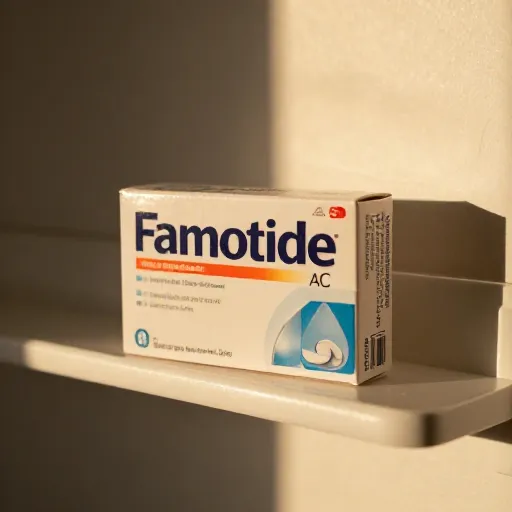
7. Famotidine (Pepcid AC) For Acid Reflux
When my dog has that sour, gurgly stomach after eating, famotidine is what my vet recommends. It reduces stomach acid production, making it helpful for acid reflux or mild gastritis. It’s generally safe in the right dose.
Always get a weight-specific dose from your vet. I give it 30 minutes before a meal. It’s not for every stomach ache, but it’s a solid option for acid-related issues.
8. Bone Broth (Low Sodium, No Onions or Garlic)
A warm, savory broth can be incredibly comforting for a sore tummy. Bone broth is packed with collagen and nutrients that are easy to digest. It encourages hydration and provides gentle nutrition.
But read the label carefully. Many store-bought broths contain onions, garlic, or high sodium, which are toxic to dogs. I buy a dog-safe brand or make my own by simmering bones with water for 24 hours.
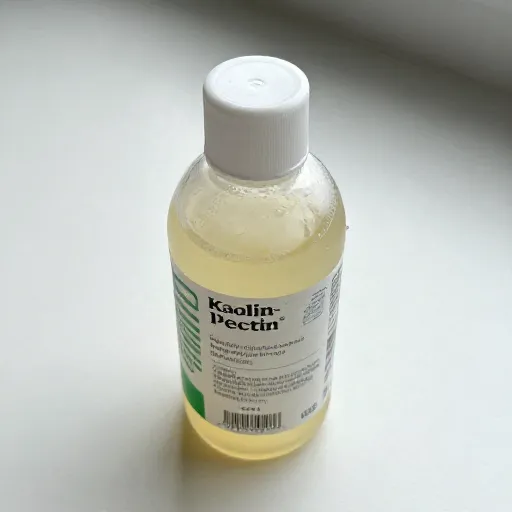
9. Kaolin-Pectin (Like Kaopectate)
This is a classic anti-diarrheal that works by absorbing excess fluid in the gut. It’s generally considered safe for dogs, but it can interfere with the absorption of other medications. I only use it if my vet says it’s okay.
It comes in a liquid form. I measure the dose carefully with a dropper. It’s not for long-term use, but it can stop a bout of watery diarrhea quickly.
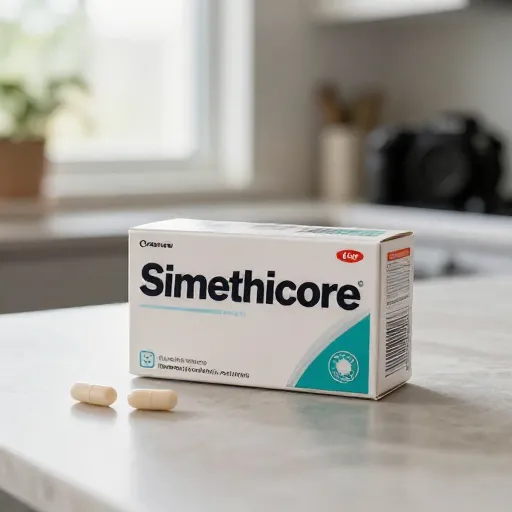
10. Simethicone (Gas-X) For Gas Pain
Sometimes stomach pain is just trapped gas. Simethicone is the active ingredient in Gas-X, and it’s safe for dogs. It helps break up gas bubbles, relieving that bloated, painful feeling.
I use a child’s liquid version or a tiny chewable. It’s not a cure for serious issues, but it’s fantastic for simple gas discomfort. A little goes a long way.
11. Apple Cider Vinegar (Raw, Unfiltered)
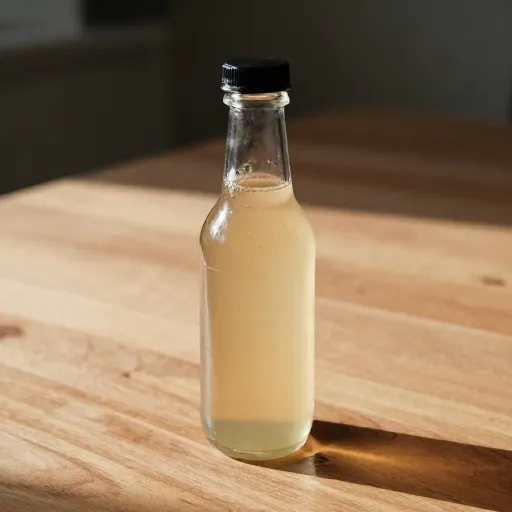
A tiny amount of raw apple cider vinegar can help balance stomach pH. I add a teaspoon to my dog’s water bowl once a day. It can help with mild indigestion and even bad breath.
Start with a very small amount. Too much can irritate their stomach. I always dilute it in water. It’s a natural, gentle option that many holistic vets recommend.
12. A Bland Diet (Boiled Chicken & Rice)
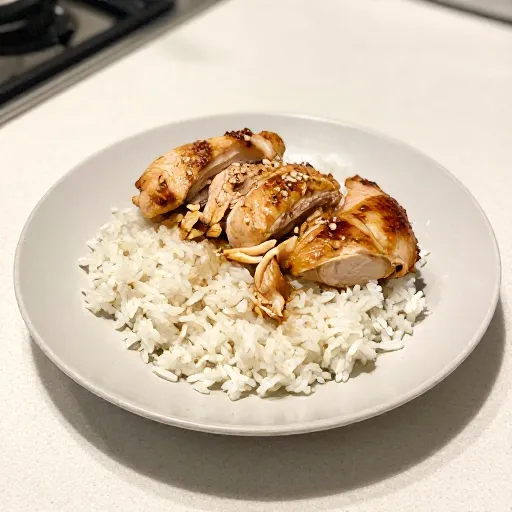
This isn’t a medication, but it’s the most important thing I do for a dog with stomach pain. Boiled, boneless, skinless chicken breast and white rice is easy to digest and gives their gut a break. It’s the gold standard for recovery.
I start with small, frequent meals. After 24 hours, if they’re better, I slowly mix their regular food back in. It’s simple, safe, and works every time.
Conclusion
Seeing your dog in pain is never easy, but having a few safe, vet-approved tools in your back pocket makes a huge difference. I’ve learned that the best approach is always to start with the gentlest option and watch closely. If symptoms last more than 24 hours, include blood, or involve severe lethargy, it’s time for the vet.
Every dog is different, so what works for mine might not work for yours. Trust your gut, listen to your vet, and keep that pantry stocked with pumpkin. Here’s to happy, healthy bellies.
Frequently Asked Questions
Can I give my dog human Tylenol or Advil?
No. Never give your dog acetaminophen (Tylenol) or ibuprofen (Advil, Motrin). These are toxic to dogs and can cause liver failure or kidney damage. Always stick to dog-safe options or vet-approved OTC meds.
How do I know if my dog’s stomach pain is an emergency?
If your dog is vomiting repeatedly, has bloody diarrhea, is lethargic, or shows signs of bloat (distended belly, unproductive retching), go to the emergency vet immediately. These can be signs of a serious condition.
Can I give my dog Pepto-Bismol for vomiting?
Not without a vet’s guidance. Pepto-Bismol is sometimes used for diarrhea, but it can mask symptoms of a more serious issue. Always consult your vet before giving it for vomiting.
How long should I wait before seeing a vet?
If your dog has one or two episodes of mild diarrhea or vomiting but is acting normal, you can try a bland diet for 24 hours. If symptoms persist, worsen, or if your dog seems in pain, see a vet within 24 hours.
Is pumpkin safe for all dogs with stomach pain?
Generally yes, but start with a small amount. Too much fiber can actually cause diarrhea. For a medium-sized dog, one to two tablespoons per meal is plenty. Always use plain, canned pumpkin, not pie filling.