10 Luxury Dog Hotel Designs That Make Pet Parents Book Instantly
When I first started planning my own dog hotel, I thought “luxury” meant gold bowls and fancy signage. It doesn’t. Real luxury is a dog that walks out calm, tired, and happy — and a pet parent who books again before they’ve even left the parking lot.
Over the years I’ve toured a lot of facilities, borrowed ideas, and scrapped plenty that looked good in photos but failed in real life. What follows are the ten design moves that actually moved the needle for me, both in guest comfort and in bookings.
You don’t need a huge budget to start. You need good bones, smart materials, and a clear idea of what a stressed dog actually needs. Let’s get into it.
1. Suite-Style Rooms That Feel Like a Boutique Hotel
The single biggest upgrade I made was ditching standard kennel runs for actual suites. Each one is roughly 4 by 6 feet, with a tempered glass front instead of metal bars. Dogs can see out without feeling trapped, and the whole space reads calmer.
Inside, I used raised orthopedic beds, a small non-slip rug, and a mounted water bowl so nothing tips over. Wall colors stay soft — warm greys, sage, sandy beige — because bright white shows every scratch and every paw print.
One thing I learned the hard way: skip fabric-covered anything. Vinyl-wrapped walls and sealed concrete floors wipe clean in seconds and still look high-end when the lighting is good.
2. A Rooftop or Garden Play Terrace
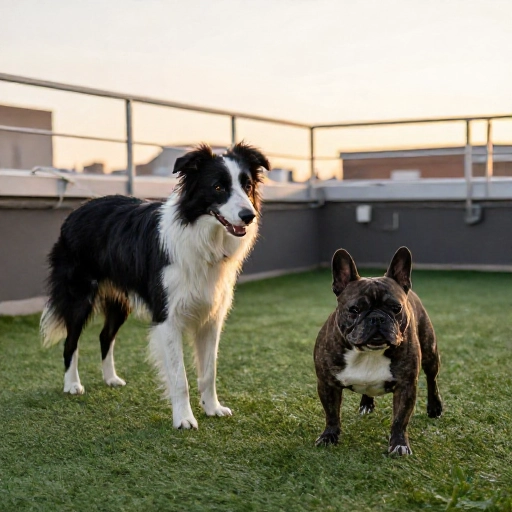
Vertical space is underrated. If your building has a flat roof or a side yard nobody uses, that’s a luxury amenity waiting to happen. I turned a boring back lot into a turf terrace with shade sails and it became the most photographed part of the property.
A few things that mattered:
- K9 artificial turf with proper drainage underneath, so rain isn’t a disaster
- Shade sails or pergolas for midday sun
- Double-gated entry so no dog ever slips out
- Low walls or frosted panels so dogs can’t fence-fight
Group play sessions here run 20 to 30 minutes, supervised, then dogs head back to rest. Tired dogs sleep better, and sleeping dogs make quiet hotels.
3. An Indoor Splash Pool or Hydrotherapy Spa
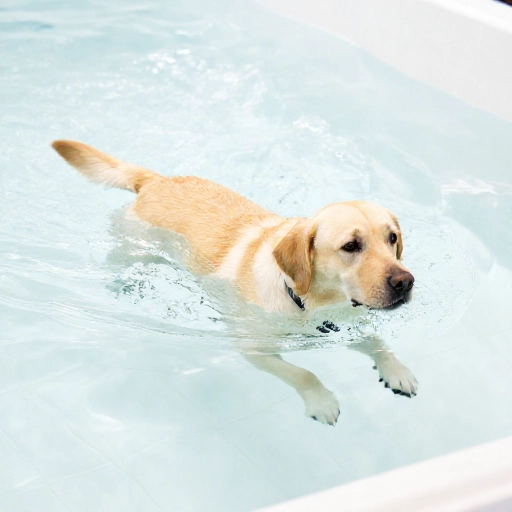
A shallow pool is the amenity clients talk about at dinner parties. Mine is 12 feet by 8 feet with a gentle ramp entry and a heated water system set around 82°F.
It’s not just for show. Older dogs, dogs recovering from surgery, and water-loving breeds all benefit. I also use it for structured swim sessions, which is fantastic enrichment for high-energy dogs who’d otherwise bounce off the walls.
Practical notes: textured pool tile for grip, a chlorine or salt system you actually maintain, and a drying station right at the exit. Wet floors plus excited dogs equals injuries, so invest in good drainage and non-slip mats.
4. A Cozy Lounge With Real Furniture
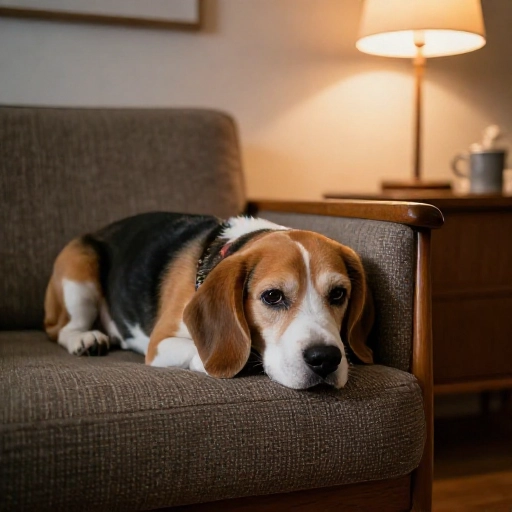
This is my favorite room in the whole building. It’s a lounge, not a play yard — sofas, rugs, soft lamps, a fireplace screen, and low-volume classical music. Dogs hang out on beds and get one-on-one attention from staff.
I kept the furniture cheap on purpose. Thrifted couches with washable covers look great and don’t break my heart when a puppy has an accident. Everything is pet-safe, no dangling cords, no sharp edges, nothing a chewer can destroy in five minutes.
It also doubles as a meet-and-greet space. When a nervous dog arrives, we do introductions here instead of in a loud lobby. That one change cut first-day anxiety dramatically.
5. A Spa and Grooming Room That Looks Medical-Grade Clean
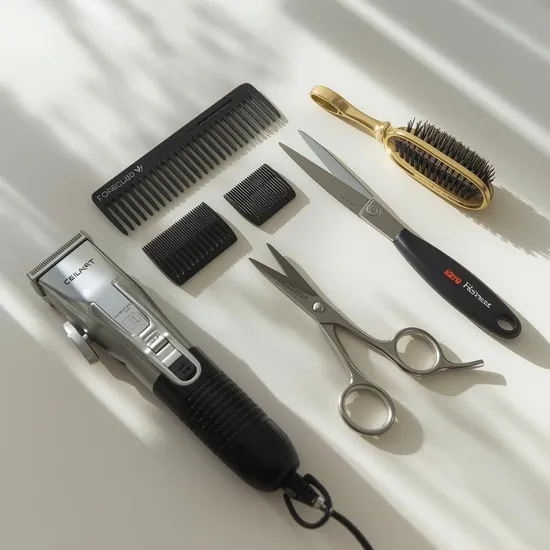
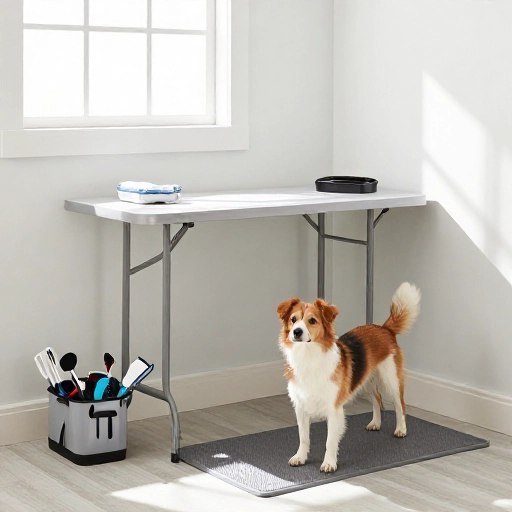
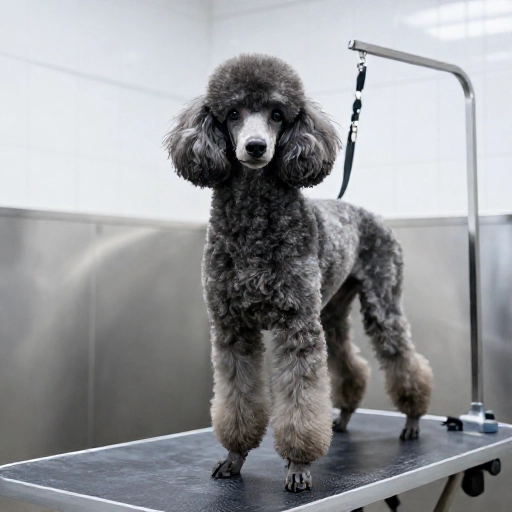
Grooming isn’t glamorous, but a beautiful grooming suite absolutely sells. Mine has a raised tub with a walk-up ramp, a hydraulic table, and a wall of backlit storage for towels and products.
Lighting matters more than you’d think. Bright, cool light makes it easy to spot skin issues, mats, and ticks. But I also added a dimmable warm setting for anxious dogs who tense up under harsh glare.
Add-ons that pay for themselves: blueberry facials, paw balm treatments, and a de-shedding package. They sound fancy, they take ten extra minutes, and clients love them.
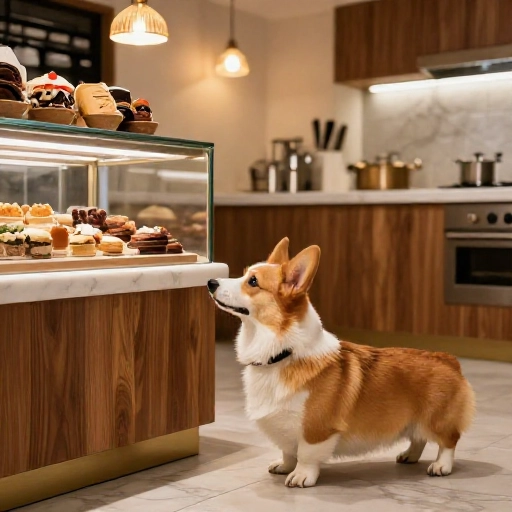
6. A Gourmet Treat Bar and Chef’s Kitchen Corner
I built a small kitchenette with a fridge, a freezer, and a treat display that looks like a bakery counter. Dog-safe “pupcakes,” frozen yogurt cups, and bone broth toppers are all made in-house.
The design trick is visibility. Put the prep area behind glass so owners can watch while they check in. It builds trust instantly — they can see exactly what their dog is eating.
I also keep a labeled bin system for allergies. Nothing ruins a luxury stay faster than a dog getting into the wrong treat. Color-coded bins and a checklist on the wall solved that for us.
7. Soundproof Nap Pods for the Sensitive Dogs
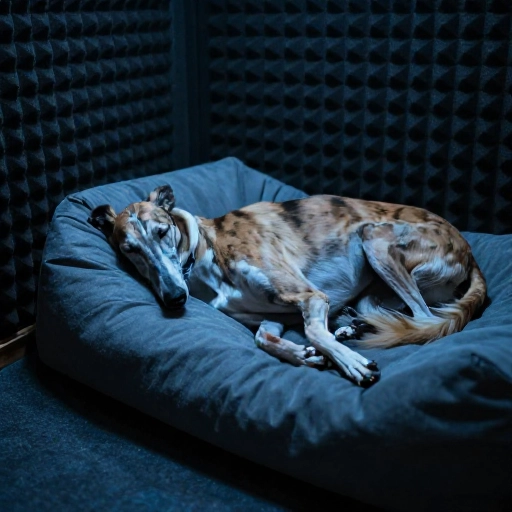
Not every dog wants company. Some need dark, quiet, and a door that blocks the barking from two rooms over. That’s where nap pods come in.
Mine are built with acoustic panels, breathable mesh fronts, and a memory foam base. Each pod is slightly dim, around 70°F, and positioned away from high-traffic hallways.
These spaces are gold for senior dogs, rescue dogs, and dogs with noise phobias. I charge a small premium for “quiet suite” stays, and honestly, they’re almost always full.
8. A Boutique Lobby With Real Check-In Energy
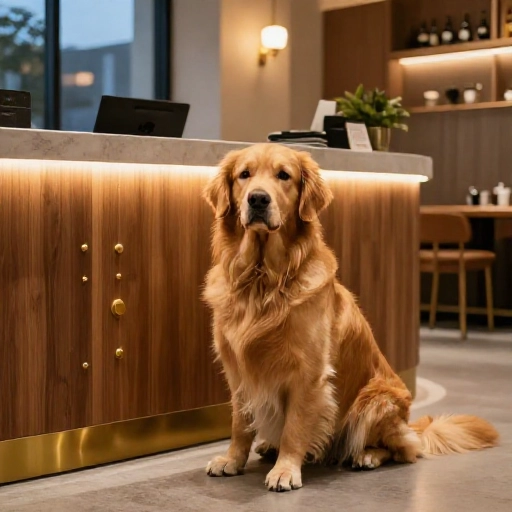
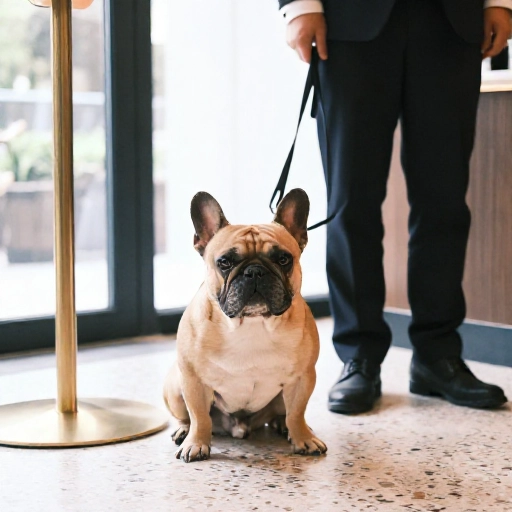
Your lobby is the first and last impression, and most facilities treat it like a utility closet. I went the other way: warm wood tones, a seating area, fresh flowers, and a welcome desk designed at standing height so staff can talk eye-to-eye.
I added a dedicated “sniff spot” corner with a few low plants and a treat jar at nose level. Dogs get a moment to decompress before walking into the back. It also keeps the entry area from turning into a chaotic greeting pile.
Little touches matter here. A chalkboard with the day’s guests’ names, a water station, and a clear pickup bench with cubbies for leashes. Nothing expensive, everything thoughtful.
9. Outdoor Yards Zoned by Energy Level
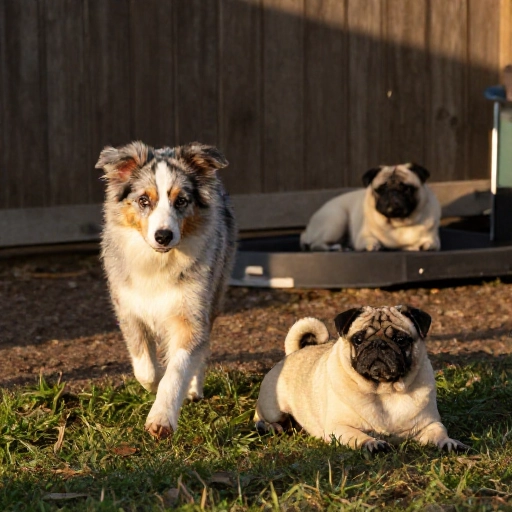
One big yard sounds great until you put a nine-month-old husky in with a twelve-year-old pug. I split my outdoor space into three zones: high-energy, calm social, and solo sniffing.
Each zone has a different surface. High-energy gets turf and agility equipment. Calm social gets gravel paths and shaded benches. Solo sniffing gets grass, natural scents, and privacy fencing so reactive dogs can relax without triggers.
Staff rotate dogs between zones based on temperament notes, not size alone. That single policy change reduced scuffles to almost zero, and owners notice how relaxed their dogs are at pickup.
10. Penthouse Suites With Live Camera Access
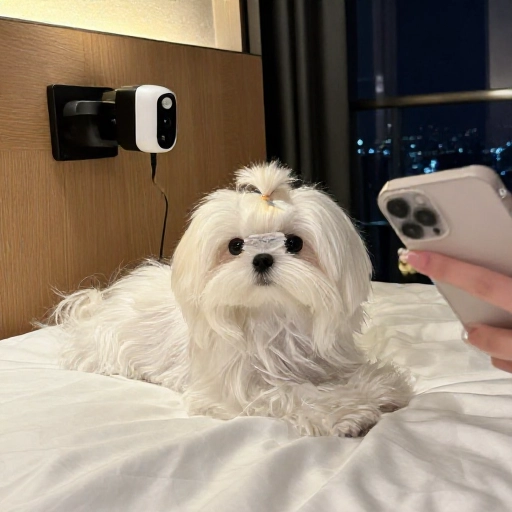
This one is my best marketing tool, hands down. My top-tier suites include a mounted camera and a private login for the owner. They can peek in from their phone at any time during the stay.
The rooms themselves are larger — around 8 by 10 feet — with a window, a real bed, a raised feeder, and a small indoor potty tray for overnight emergencies. It genuinely feels like a hotel room, not a kennel.
Camera access cuts down on check-in calls dramatically. Owners feel involved, and honestly, I’ve had clients book the penthouse just so they could watch their dog nap on vacation.
Wrapping It Up
You don’t have to build all ten of these at once. I started with suites and the lounge, then added the terrace and camera suites a year later once cash flow allowed.
Pick two or three that fit your space and your clients, do them really well, and photograph the heck out of them. Great design that’s also practical is what turns a kennel into a place people brag about.
Frequently Asked Questions
How much space does each luxury suite really need?
A good minimum is around 4 by 6 feet for a single dog, but bigger always books faster. If you plan to offer penthouse-level rooms, aim for 8 by 10 feet with a window.
What flooring holds up best in a dog hotel?
Sealed concrete or epoxy with a non-slip additive is the most durable. Add washable rugs in lounge areas for comfort — just make sure everything can be hosed or machine washed.
Is a splash pool worth the cost and maintenance?
If you have the space and staff to supervise it, yes. It doubles as hydrotherapy, enrichment, and a photo opportunity. Just budget for filtration, heating, and daily water checks.
How do I keep luxury spaces from getting destroyed?
Skip fabric, skip porous wood, skip anything glued down. Choose materials you can spray, scrub, and replace in sections. Cheap but replaceable beats expensive and fragile every time.
Do cameras in suites creep clients out?
Not when they’re optional and clearly explained. Frame them as a comfort feature, keep footage private, and let owners opt in. Most see it as a perk, not a privacy issue.