13 Must-Know Tips for RVing With Cats
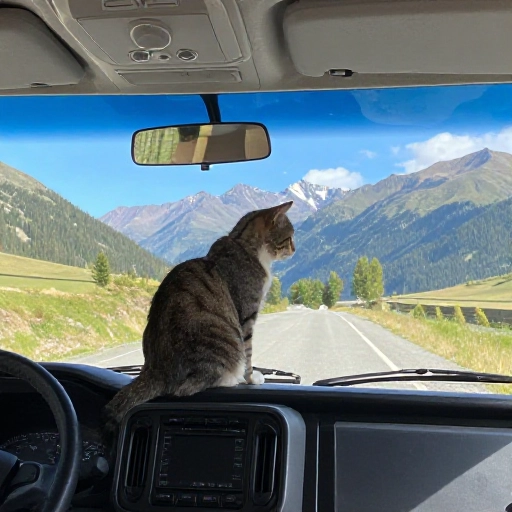
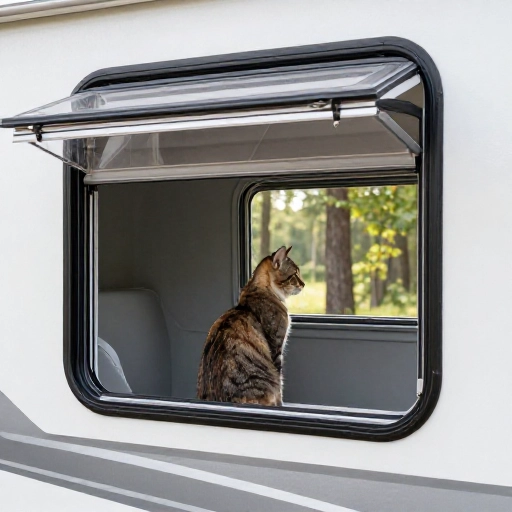
I never thought my sweet, couch-loving cat would turn into such a little road warrior. When we first hitched up the RV, I honestly worried she’d hide under the dinette for the entire trip. But with some smart prep and a lot of patience, she now hops right onto her window perch the moment the engine starts.
If you’re dreaming of mountain views and lakeside sunsets with your feline co-pilot, I’ve got you. These thirteen tips come straight from my own trial-and-error adventures on the road. They’ll help keep your cat safe, calm, and actually happy while you explore together.
1. Start With Short “Car Camping” Trips
Before you drive off into the sunset, give your cat a chance to learn the RV. I parked our rig in the driveway for a whole weekend. We slept there, ate there, and let my cat explore every nook and cranny without the engine running.
Once she seemed comfortable, I took us on a 20-minute drive around the block. Then a 40-minute drive. Then a full hour. Each time, I watched for signs of stress. If your cat is panting or drooling, slow way down. Short trips build confidence fast.
The goal is for the RV to feel like a second home, not a scary moving box.
2. Create a Safe “Cave” Zone
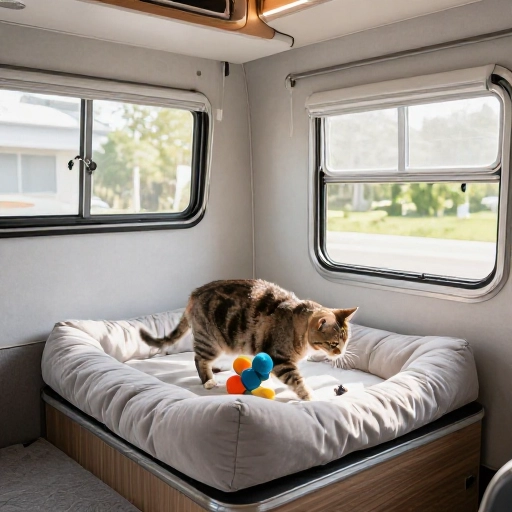
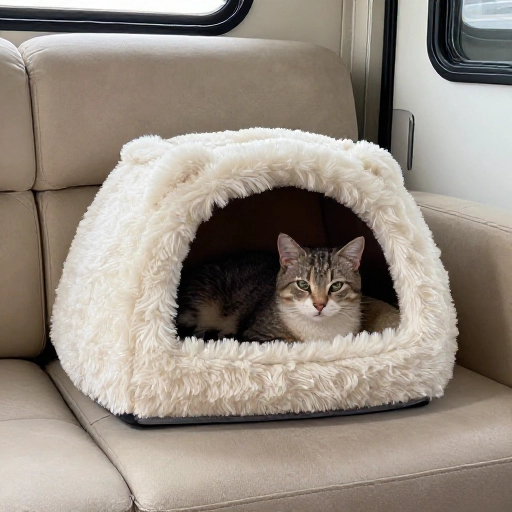
Cats love small, dark spots when they feel nervous. Before we leave, I set up my cat’s carrier with her favorite soft blanket inside. I leave the carrier door open so she can come and go. It’s her little cave.
I also place a covered cat bed in a quiet corner of the RV, away from foot traffic. Some cats prefer a cardboard box with a towel draped over one side. Let them choose their safe spot. Never drag them out if they’re hiding there.
Having a go-to hideaway makes the whole RV feel less overwhelming.
3. Buckle Up for Safety
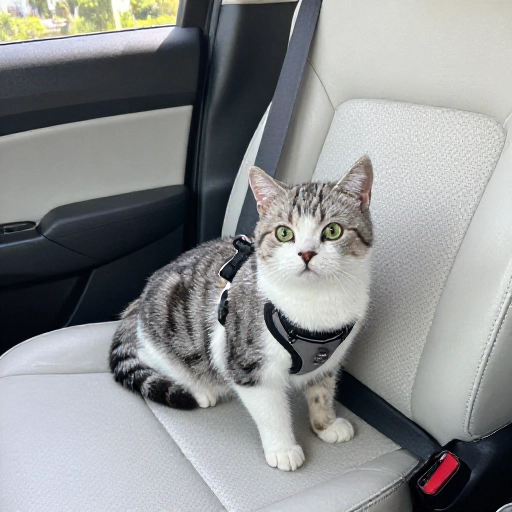
I learned this one the hard way during a sudden stop on a winding mountain road. My cat went flying off the couch. Now she always rides in a crash-tested carrier secured with a seatbelt or tied down.
You can also use a harness with a short tether that clips into the seatbelt buckle. This lets them sit near you without roaming the whole rig while you drive. Never let your cat free-roam while the RV is moving. It’s dangerous for them and for you.
A little restraint gives everyone peace of mind.
4. Keep the Litter Box in a Steady Spot
Cats are creatures of habit. When we first hit the road, I moved the litter box around depending on where we parked. Big mistake. My cat got confused and stopped using it.
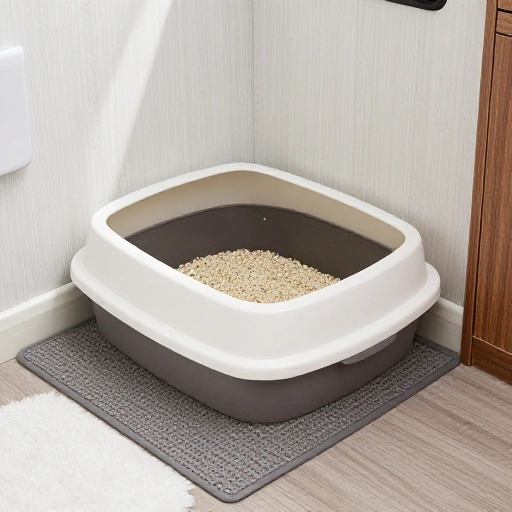
Now I keep the box in the same corner of the bathroom every single time. I use a high-sided box to prevent spills on turns, and I line it with a heavy-duty mat. I clean it twice a day to keep smells from building up in such a small space.
Consistency is key. Once your cat knows where to go, accidents become rare.
5. Bring a Portable Catio or Leash
My cat loves fresh air but hates being carried outside. A portable catio changed everything. We set it up under our awning at campsites. She can watch birds and feel the breeze without any risk of running off.
If you prefer walks, start harness training at home before your trip. Let your cat wear the harness around the house for short periods. Then practice walking in your backyard or a quiet park. Some cats take to it right away, others need weeks.
Either way, outdoor time is a huge mood booster for indoor-only cats.
6. Keep a Routine for Meals and Play
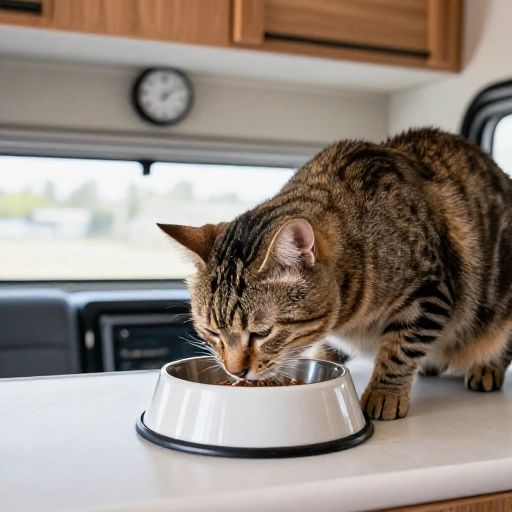
Life on the road can feel chaotic, but cats thrive on routine. I feed my cat at the same times every day, even if we’re in a different time zone. I also set aside 10 minutes for playtime morning and evening.
A simple wand toy or a laser pointer works great inside the RV. Play helps burn off energy and reduces anxiety. After playtime, I always offer a small treat or meal. This mimics the natural “hunt, catch, eat” cycle.
That little rhythm makes the RV feel like home no matter where we park.
7. Cat-Proof Your RV Before You Drive
Before I start the engine, I do a quick safety sweep. I check that all cabinet doors are latched shut. I tuck away any loose cords or small objects that could become toys or choking hazards. I also make sure the stove knobs are covered.
I store cleaning supplies and human food in high, closed cabinets. Some cats are clever enough to open lower doors. Childproof locks are a lifesaver for curious paws.
A quick 5-minute check can prevent a lot of mess and worry.

8. Use Feline Pheromone Spray or Diffuser
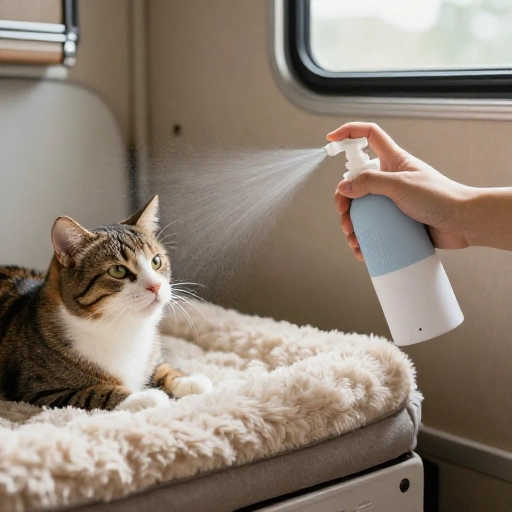
When my cat first started traveling, she seemed a little on edge. I picked up a calming pheromone spray from the pet store. I spritz it on her bedding and inside her carrier about 15 minutes before we drive.
I also use a plug-in diffuser in the RV for longer trips. These products mimic natural cat pheromones that signal safety and comfort. They aren’t a magic fix, but they definitely take the edge off.
It’s like a little “everything is okay” signal for your cat’s brain.
9. Monitor Temperature Closely
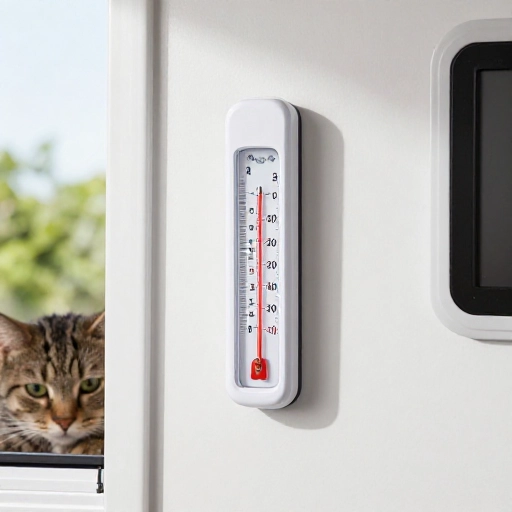
RVs heat up and cool down fast. I never leave my cat alone in the rig without a working air conditioner or heater. I use a small, battery-powered thermometer that sends alerts to my phone if the temperature goes above 85°F or below 50°F.
On hot days, I park in the shade and crack a window if it’s safe. In cold weather, I make sure the RV is well-insulated. I also keep extra blankets in my cat’s favorite spots.
Your cat can’t tell you if they’re too hot or cold. You have to stay one step ahead.
10. Pack a Dedicated Cat First-Aid Kit
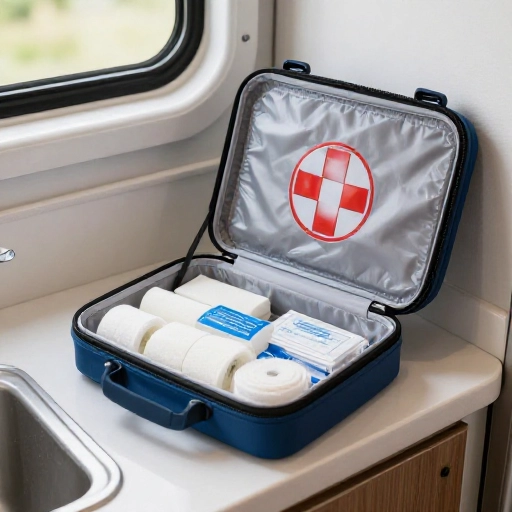
You never know when a little mishap might happen on the road. I keep a small pouch with cat-specific supplies: tweezers for splinters, sterile gauze, pet-safe antiseptic wipes, and a digital thermometer. I also include a list of emergency vet numbers for the areas we visit.
I add some basics like a spare harness, extra ID tags, and a copy of my cat’s vaccination records. If we’re going somewhere remote, I also bring a small bottle of activated charcoal in case of poisoning (but I ask my vet first).
Being prepared means less panic if something goes wrong.
11. Plan for Potty Breaks at Rest Stops
When we stop for gas or a break, I never let my cat out of the RV without a harness and leash. Even the most relaxed cat can spook in a new place. I set up a portable litter tray inside the rig for quick stops.
I also bring a small travel litter box that folds flat. I line it with a disposable bag and a bit of litter. After my cat uses it, I seal the bag and toss it. This keeps the RV fresh and avoids stressful outdoor potty situations.
Your cat will appreciate having a clean, familiar place to go.
12. Introduce New Campgrounds Slowly
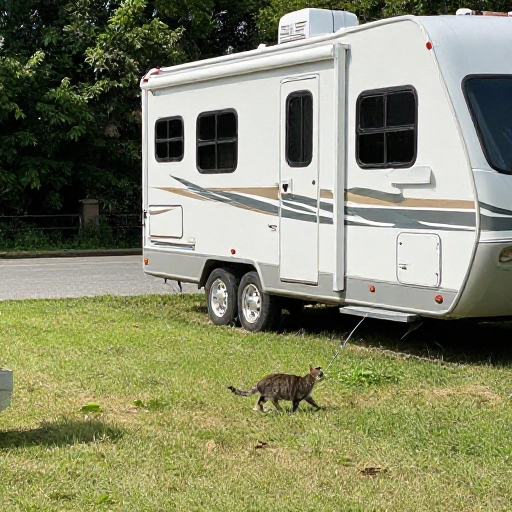
Every new campsite feels different to a cat. When we arrive, I keep my cat inside the RV for the first hour. I open the windows and let her smell the new air from a safe distance. Then I let her explore the rig freely.
Once she seems relaxed, I set up her catio or take her out on a harness. I stay close to the RV at first. If she seems nervous, I don’t push it. Some cats need a full day to adjust to a new spot.
Patience here pays off big time. Your cat will learn that new places are fun, not scary.
13. Keep a Travel Journal for Your Cat
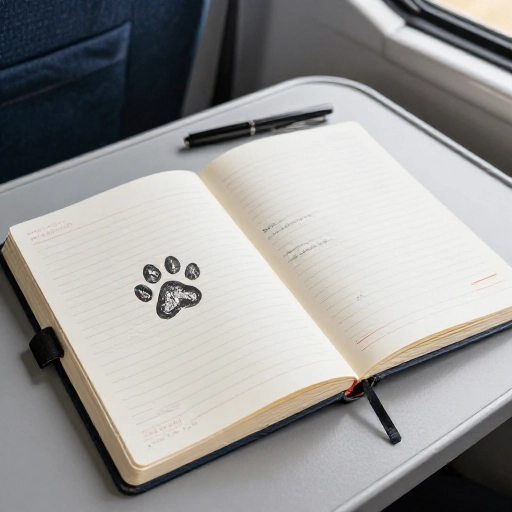
This one sounds silly, but it’s actually super helpful. I keep a small notebook where I track where we stayed, how my cat reacted, and what worked or didn’t. I note which campsites were quiet, which had lots of dogs, and where the best sunny spots were.
Over time, this journal became my go-to guide for planning future trips. I also write down any health notes, like changes in appetite or litter box habits. It helps me spot patterns early.
Plus, it’s a sweet memory keeper of all the adventures we’ve shared.
Traveling with a cat in an RV takes a little extra thought, but it’s absolutely worth it. The purrs at sunset, the curious nose at the window, the warm weight on your lap as you watch the stars come out. These moments make all the planning worthwhile.
Start small, stay patient, and listen to your cat. They’ll tell you what they need. Before you know it, you’ll both be seasoned road warriors, ready for the next beautiful campground.
Frequently Asked Questions
Q: How do I stop my cat from meowing the whole time we’re driving?
Some cats vocalize because they’re anxious. Try covering their carrier with a light blanket to block visual stimulation. Play calming music or use a pheromone spray. If the meowing continues, check if they need a potty break or water. Most cats settle down after the first few trips once they realize the routine.
Q: Can I let my cat roam freely while the RV is moving?
I don’t recommend it. A sudden stop or turn can throw your cat off balance. They could get injured or distract the driver. Always secure your cat in a carrier or with a harness tether. Safety comes first.
Q: What if my cat refuses to use the litter box in the RV?
First, make sure the box is in a quiet, consistent spot. Use the same litter brand you use at home. Clean it frequently. If your cat still refuses, try a different style of box or add an extra box. Some cats prefer open boxes, others like covered ones. Patience and consistency usually solve this.
Q: How do I keep my cat from escaping when I open the RV door?
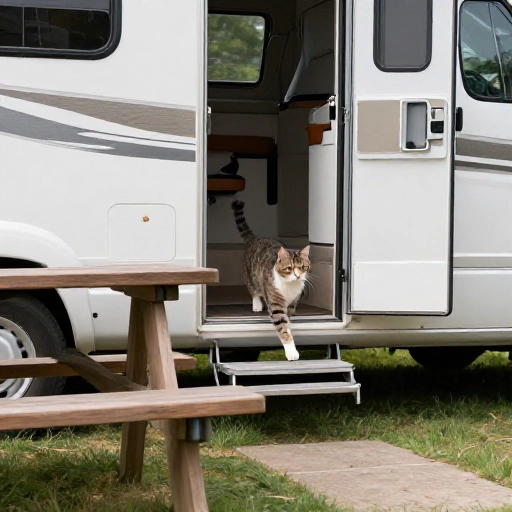
I use a simple trick: I always open the door only a crack at first. I look for my cat and make sure she’s not nearby. I also trained her to come when I shake a treat bag. If she’s near the door, I toss a treat to the back of the rig first. A little prevention goes a long way.
Q: Should I microchip my cat before RVing?
Absolutely. A microchip is the best backup if your cat ever gets lost. Make sure your contact info is up to date in the microchip registry. I also attach a tag to my cat’s collar with my cell number and “I’m on an RV trip” written on it. It’s a simple step that gives huge peace of mind.