12 Words Your Cat May Actually Understand

We all talk to our cats. Sometimes it’s a full conversation about our day, other times it’s just a quick “what are you doing?” when they stare at a blank wall. But how much of it actually sinks in? I used to think my cat, Miso, only responded to the sound of a treat bag. Then I started paying closer attention.
Turns out, cats are pretty clever listeners. They might not understand full sentences, but they absolutely connect certain sounds with actions, emotions, or outcomes. It’s not about vocabulary tests—it’s about repetition and association. Here are 12 words your cat likely recognizes, based on what I’ve noticed and what cat behavior science suggests.
1. Their Name
This is the big one. Most cats learn their name within a few weeks, especially if you use it in a happy tone. When I say “Miso,” her ears swivel my way almost every time.
It helps to use their name when you’re feeding or petting them. Avoid using it when you’re annoyed or scolding them. You want that word to feel like a good thing.

2. Treats
Say “treat” a few times near the kitchen cabinet where you keep them, and watch what happens. My cat comes running from anywhere in the house.
It’s not the word itself—it’s the sound pattern. Over time, they link that specific sound to something delicious. You can use any word you want, but once it sticks, it sticks.

3. Dinner / Food
This one is similar to “treats” but often more dramatic. The word “dinner” gets a certain kind of meow around here. It’s urgent, loud, and impossible to ignore.
Cats are creatures of routine. If you say “food” or “dinner” before you fill their bowl, they’ll start associating that sound with meal time. Just don’t say it by accident at 3 PM unless you’re ready for the stare.

4. No
Does your cat stop what they’re doing when you say “no”? Maybe for a second. It’s not their favorite word, but many cats do understand it means “stop that.”
The key is tone. A firm, low voice works better than yelling. I’ve found that “no” paired with a gentle redirect (like moving them away from the counter) teaches the message faster.

5. Up
I say “up” when I’m about to pick up Miso, or when I want her to jump onto the couch. She usually gets it, even if she doesn’t always cooperate.
You can test this by saying “up” while patting a surface. If your cat hops onto it, they’ve made the connection. It’s a handy word for vet visits or bedtime.

6. Down
Opposite of “up,” and equally useful. I use “down” when Miso is on the kitchen counter or a high shelf I don’t want her on.
It takes patience. Cats don’t love being told what to do. But with consistent tone and maybe a treat when they listen, “down” becomes a word they recognize over time.
7. Come
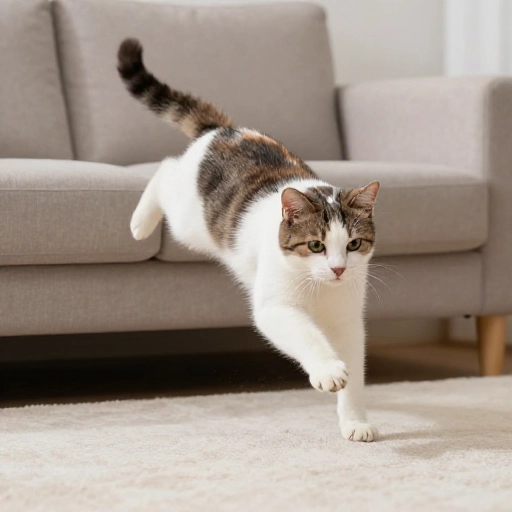
Some cats come when called. Others act like they didn’t hear a thing. Mine comes about half the time—usually when she thinks there’s food involved.
Start by saying “come” in a cheerful voice while shaking a treat container. Eventually, they’ll associate the word with coming toward you. It’s not perfect, but it works more often than you’d think.

8. Outside / Out
My indoor cat knows “outside” means the door opens. She doesn’t go out, but she loves to sit and sniff the air. The word alone makes her run to the door.
If your cat is an indoor-outdoor cat, this word probably gets a big reaction. Just be careful not to say it casually unless you want them waiting by the door.

9. Brush / Groom
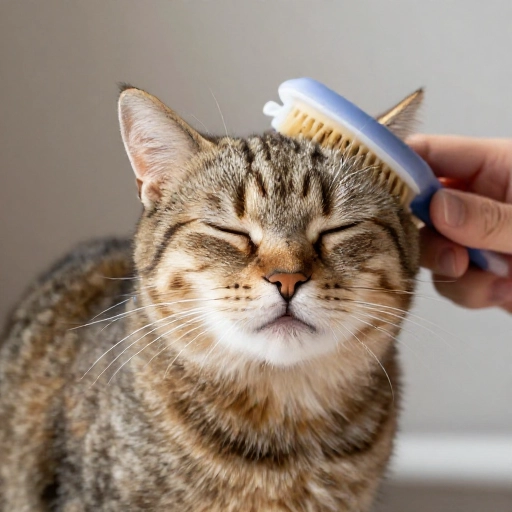
Miso comes running when she hears the word “brush.” She loves being brushed more than almost anything. It’s her favorite part of the day.
If your cat enjoys grooming, they’ll learn the word for it quickly. Say it before you pick up the brush, and soon they’ll recognize the sound as a promise of something pleasant.
10. Bed / Sleep
I say “bedtime” every night before I turn off the lights. Miso doesn’t always go to her bed, but she knows what’s coming. She’ll yawn and settle down nearby.
Cats are routine animals. If you say “bed” or “sleep” at the same time each night, they’ll start associating the word with winding down. It’s a subtle but real connection.

11. Play
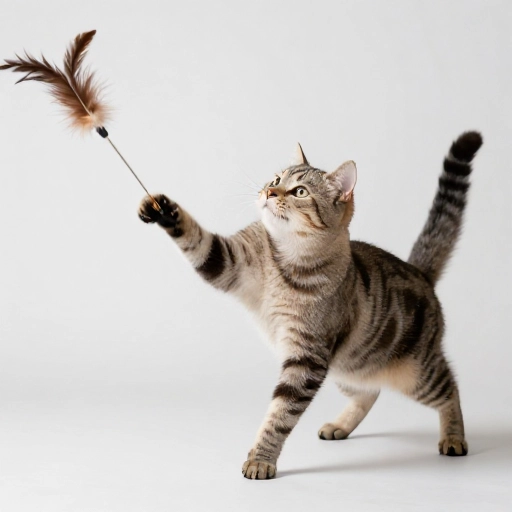
When I say “play,” Miso’s ears perk up. She looks around for her favorite toy mouse or a feather wand. It’s one of her happiest words.
You can teach this by saying “play” right before you engage with a toy. Over time, the word becomes a signal for fun. It’s a great way to get their attention when they’re bored.
12. Love / Good
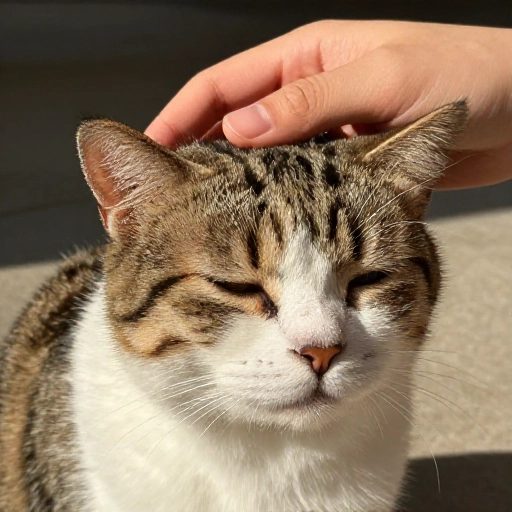
This one is softer. I say “good girl” or “I love you” in a gentle voice when she’s curled up next to me. She purrs. She might not know the exact words, but she knows the tone means safety and affection.
Cats are sensitive to emotional cues. They don’t need a dictionary. They feel the warmth in your voice, and that’s enough.
Conclusion
Your cat probably understands more than you give them credit for. They pick up on repeated sounds, tones, and routines. It’s not about teaching them a language—it’s about building a shared one.
Try paying attention this week. Say a word consistently and watch for a reaction. You might be surprised at how much your cat is really listening. And remember, even if they don’t always obey, they’re probably understanding more than they let on.
FAQ
Do cats understand human language?
Not in the way humans do. Cats don’t understand grammar or full sentences. But they do recognize specific sounds and associate them with actions, objects, or emotions.
How many words can a cat learn?
It varies. Some cats recognize up to 25–50 words or sound cues. Most learn between 10 and 20 common words they hear daily, especially if paired with a routine.
Can I teach my cat new words?
Yes. Repetition and positive reinforcement are key. Say the word in the same tone each time, and pair it with an action or reward. Patience helps—cats learn at their own pace.
Why does my cat ignore me sometimes?
They’re cats. Ignoring you doesn’t mean they don’t understand. They might just not feel like responding. Cats are independent, and they choose when to engage.
Does tone matter more than the word?
Absolutely. Cats pay close attention to your tone of voice. A cheerful, high-pitched tone signals something positive. A low, firm tone signals caution. The word itself matters less than how you say it.