Soothing Food for a Dog’s Upset Stomach – 5 Gentle & Simple Recipes Your Pup Will Love
There’s nothing worse than seeing your furry best friend feeling blah. That droopy tail, those worried eyes, and the little whimper when they just don’t feel like themselves. When our golden retriever, Max, had a rough patch last spring, I felt totally helpless. The vet said it was just a mild tummy bug, but I was determined to help him get back on his paws with food that was as gentle as it was tasty.
After a lot of trial and error (and a very patient pup), I found the magic formula for soothing dog food. This isn’t about fancy, complicated meals. It’s about simple, whole ingredients that are easy on a sensitive digestive system. Think of it as chicken soup for your dog’s soul—warm, comforting, and packed with the good stuff to help them heal from the inside out.
These recipes are my go-to for any upset stomach, from minor indigestion to post-vet-visit pick-me-ups. They’re so simple to make, and I promise, your dog will thank you with a happy, wagging tail in no time. Let’s get cooking for your best buddy!
Why Make a Special Meal? The Health & Nutritional Benefits for Dogs
When your dog’s tummy is upset, their digestive system is inflamed and sensitive. Regular kibble, with its complex proteins and fats, can be tough to break down. A bland diet gives their gut a much-needed break. The goal is to provide easily digestible nutrients that help restore balance without triggering more issues.
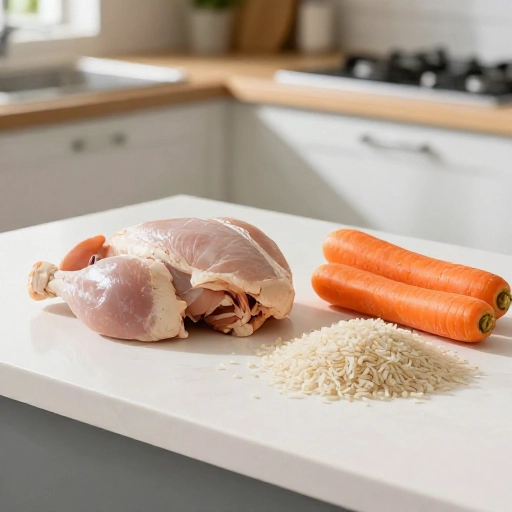
The classic combo of plain boiled chicken and white rice is a vet-recommended staple for a reason. Chicken provides lean, high-quality protein for muscle repair, while white rice acts as a gentle binder for the digestive tract. It’s low in fiber, which helps firm up loose stools. These ingredients are the building blocks for a speedy recovery.
By making a meal from scratch, you have complete control over what your dog is eating. No hidden preservatives, no artificial flavors, just pure, simple goodness. It’s a small act of love that can make a huge difference in how quickly your pup feels better. Plus, the warmth of the food can be incredibly comforting and enticing for a dog with a poor appetite.
Kitchen Equipment & Tools You’ll Need
You don’t need a fancy culinary school setup for this. Most of these recipes use basic kitchen tools you already have in your cabinets. Keep it simple and stress-free—the focus is on your dog, not on complicated cooking techniques.
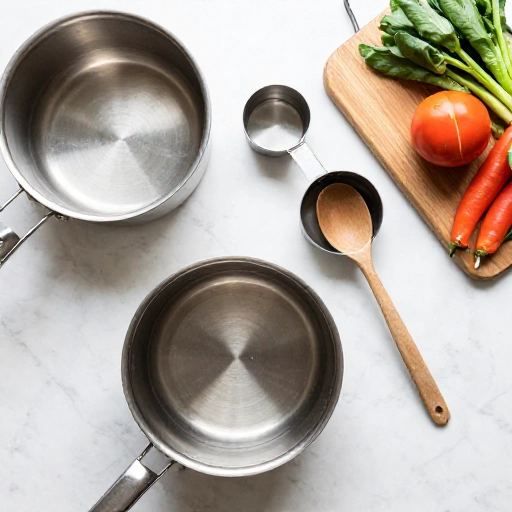
- A Large Pot or Dutch Oven: Perfect for boiling chicken and making rice. A heavy-bottomed pot ensures even cooking.
- A Sharp Knife & Cutting Board: You’ll need these for prepping veggies like pumpkin or sweet potato.
- Measuring Cups & Spoons: Accuracy is key to maintaining the right balance of ingredients for a sensitive stomach.
- A Fork or Potato Masher: Great for mashing pumpkin, banana, or sweet potato to a smooth, easy-to-eat consistency.
- Storage Containers: Airtight glass containers are perfect for storing leftovers in the fridge. They keep the food fresh and don’t absorb odors.
- A Fine-Mesh Strainer: This is essential for rinsing the rice and straining the chicken broth to ensure it’s free of any bone fragments or skin.
That’s really it! No need for a blender or a food processor unless you want to puree everything. A simple fork works wonders for mashing. Having these tools ready before you start will make the whole process smooth and quick, getting that healing food to your pup faster.
Ingredients List & Safe Substitutions
These recipes are built on a foundation of superfoods for upset stomachs. Here’s a breakdown of the core ingredients and how you can swap them out based on what you have on hand or what your dog prefers. Always introduce any new food gradually.
The Core Base: This is the heart of the meal.
- Boneless, Skinless Chicken Breast: The leanest and most easily digestible protein source. You can substitute with boiled ground turkey (93% lean) or even plain cooked white fish like cod or tilapia.
- White Rice: Plain, long-grain white rice is the gold standard. It’s low in fiber and easy to break down. Avoid brown rice as its high fiber content can be counterproductive for diarrhea.
The Soothing Add-Ins: These boost nutrition and flavor.
- Plain Canned Pumpkin (100% pure): Not pumpkin pie filling! It’s packed with soluble fiber to absorb excess water in the gut. A fantastic substitution is boiled and mashed sweet potato.
- Low-Sodium Chicken Broth: Adds flavor and hydration. Make sure it’s 100% onion and garlic-free, as those are toxic to dogs. You can also just use the water you boiled the chicken in.
- Plain Boiled Carrots: These are soft and easy on the stomach, providing beta-carotene and gentle fiber. Finely chopped green beans are another great option.
- Scrambled Egg (cooked plain): A great source of easily digestible protein. Just ensure it’s fully cooked with no butter, oil, or milk.
Important Note: Never use ingredients like onion, garlic, salt, pepper, butter, or cooking oils. These can be harmful to dogs and will definitely worsen their stomach issues. Stick to the basics, and you can’t go wrong.
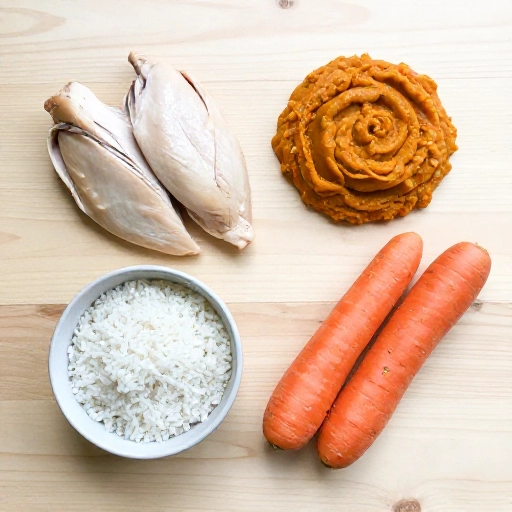
Step-by-Step Instructions: My Go-To Bland Diet Recipe
This is the recipe I always turn to first. It’s the ultimate comfort food for a sick dog. Follow these steps, and you’ll have a batch of soothing food ready in about 30 minutes. This makes enough for a few meals for a medium-sized dog.
- Cook the Chicken: Place the chicken breasts in a large pot and cover with water. Bring to a boil, then reduce heat and simmer for 15-20 minutes, or until cooked through with no pink inside. Remove the chicken and let it cool completely.
- Cook the Rice: While the chicken is cooking, rinse 1 cup of white rice under cold water. In a separate pot, bring 2 cups of water to a boil. Add the rice, reduce heat to low, cover, and simmer for 15-18 minutes, until all the water is absorbed and the rice is very soft.
- Shred the Chicken: Once the chicken is cool enough to handle, shred it into small, bite-sized pieces. Using a fork or your fingers works best. Make sure there are no bones or fatty pieces.
- Prepare the Pumpkin: If using canned pumpkin, just open the can. If using sweet potato, peel, cube, and boil it in water until fork-tender. Then, mash it with a fork until smooth.
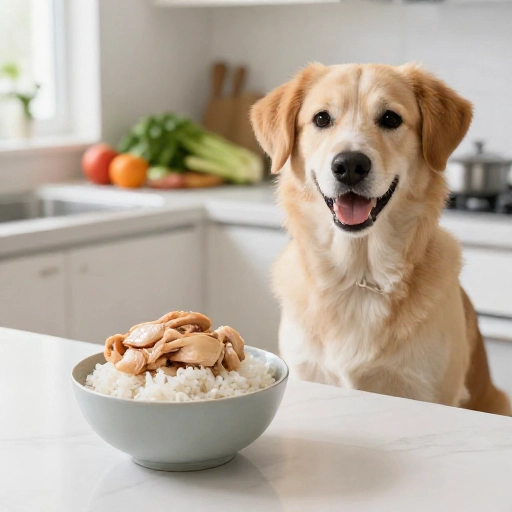
- Combine Everything: In a large bowl, gently mix the shredded chicken, cooked rice, and mashed pumpkin. Add a splash of the water you used to cook the chicken (or low-sodium broth) to make it a bit soupy and more enticing.
- Cool and Serve: Let the food cool down to room temperature. It should be warm, not hot. Serve a portion appropriate for your dog’s size. The rest can be stored in the fridge.
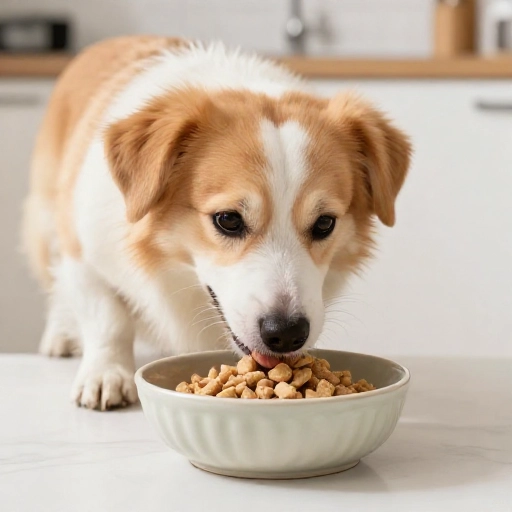
I like to mix it all together so Max can’t pick out just the chicken. The warm, savory aroma is irresistible, and I’ve never seen him turn his nose up at this meal, even when he’s not feeling great. It’s a guaranteed clean bowl.
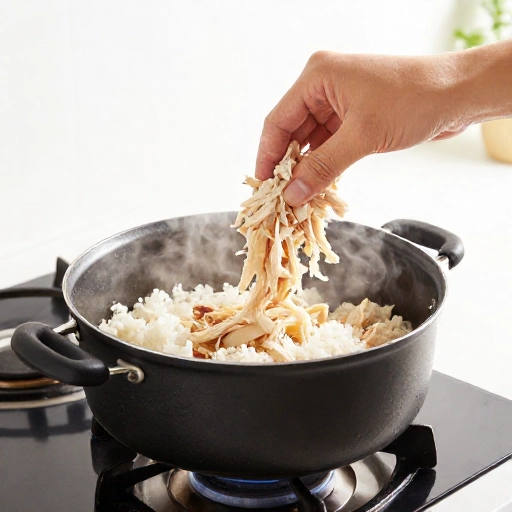
Feeding Guidelines, Serving Size & Storage Tips
Now that you’ve made this wonderful, gentle meal, it’s important to know how to serve it. The goal is to ease your dog’s stomach back to health, and portion control is a big part of that. Start slow and see how they respond.
Feeding Guidelines: Start by offering a small portion, about 1/4 to 1/3 of their normal meal size. If they keep it down and seem interested, you can offer another small portion 4-6 hours later. For the first 24 hours, it’s better to feed smaller, more frequent meals rather than a large one. Monitor their stool and energy levels.
- Serving Size: For a small dog (under 20 lbs), start with 1/4 cup. For a medium dog (20-50 lbs), start with 1/2 cup. For a large dog (over 50 lbs), start with 1 cup. Adjust based on your vet’s advice and your dog’s appetite.
- Transition Back: After a day or two of bland food and once their stool is firm, you can start mixing in a little of their regular kibble. Start with a 75% bland/25% kibble ratio, then 50/50, and so on over 3-4 days.
Storage Tips: Store the unused portion in an airtight container in the refrigerator. It will stay fresh for up to 3 days. You can also freeze it in individual portions (like in a muffin tin) for up to 3 months. Thaw a portion in the fridge overnight before serving. Never leave the food out at room temperature for more than 2 hours.
Remember, these are general guidelines. When in doubt, always consult your veterinarian. They can give you the best advice for your specific dog’s needs and health history. A happy, healthy gut is the final goal.
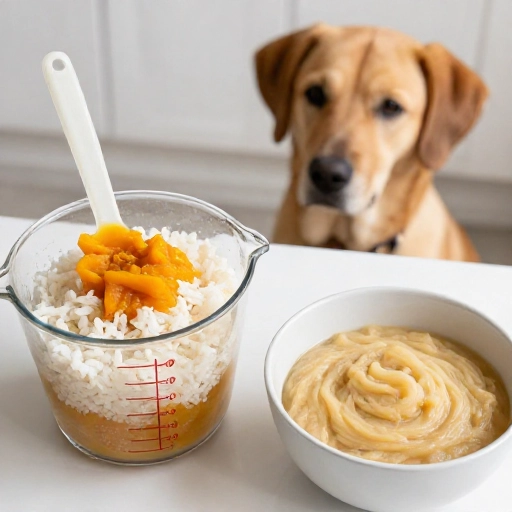
Final Verdict & Summary: A Simple, Loving Solution
I can’t recommend this soothing food enough. It’s a gentle, effective, and heartfelt way to care for your dog when they need it most. The ingredients are simple, the process is foolproof, and the results are almost always positive. It’s become a staple in our home, not just for sick days, but as a special topper on Max’s regular food for a little extra love.
Seeing the relief in your dog’s eyes as they comfortably eat a meal you made just for them is an incredibly rewarding feeling. It strengthens your bond and gives you peace of mind knowing you’re doing everything you can to help them heal. This recipe is a true game-changer for any dog owner.
So, the next time your pup gives you that sad, sick look, you’ll know exactly what to do. Skip the store-bought mixes and head to your kitchen. This simple, homemade recipe is your secret weapon for a quick recovery and a happy, tail-wagging friend again. It just might become your dog’s favorite meal, even when they’re feeling perfectly fine.
Frequently Asked Questions
How long should I feed my dog this bland diet?
Most vets recommend feeding a bland diet for 2 to 3 days. Once your dog’s symptoms (like vomiting or diarrhea) have subsided for 24 hours, you can begin slowly transitioning them back to their regular food. Always monitor their progress and contact your vet if symptoms persist for more than 48 hours.
Can I use brown rice instead of white rice?
It’s best to stick with white rice. Brown rice has a higher fiber content, which can be too harsh for an already upset stomach and might make diarrhea worse. White rice is much easier to digest and acts as a gentle binder, making it the safer choice for this purpose.
Is it okay to add a little bit of salt for flavor?
No, absolutely not! Dogs do not need added salt in their diet, and it can be harmful, especially if they are dehydrated. The natural flavors of the chicken and pumpkin are more than enough to entice your dog. Keep it completely plain and unseasoned for the best and safest results.
My dog is a picky eater. How can I make this more appealing?
Warmth is your best friend. Serving the food slightly warm (not hot) really brings out the aroma and makes it much more appetizing. You can also add a spoonful of plain, non-fat Greek yogurt for extra flavor and probiotics, but only if your dog tolerates dairy well. The warm chicken broth usually does the trick.
What if my dog refuses to eat this at all?
If your dog is refusing food, it could be a sign that their stomach is still very upset. Don’t force them to eat. Offer a small amount and wait a few hours. Make sure they are drinking water to stay hydrated. If they haven’t eaten anything within 24 hours, it’s time to call your vet for further advice.