10 Easy DIY Catio Projects for Indoor Cats
Let’s be real—our indoor cats live the good life, but they still stare out the window like they’re watching a nature documentary they can’t quite hear. That little chirp they make at the birds? It’s adorable, but it also makes you feel a tiny bit guilty. A catio (a cat patio) is the perfect middle ground. It gives your feline the fresh air and mental stimulation they crave, without the dangers of free-roaming outdoors.
The best part? You don’t need to be a master carpenter to build one. Over the years, I’ve built three different catios (and helped a friend build two more), and I’m here to tell you that even a small balcony or a quiet corner of your yard can become your cat’s new favorite spot. These DIY projects are budget-friendly, adaptable, and honestly, pretty fun to put together. Let’s dive into ten ideas that are equal parts simple and brilliant.
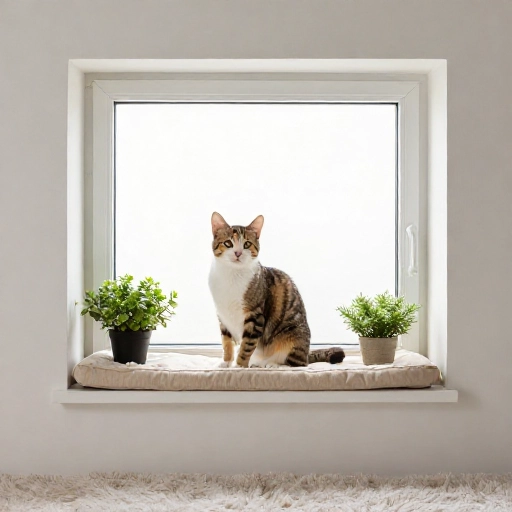
1. The Window Box Catio
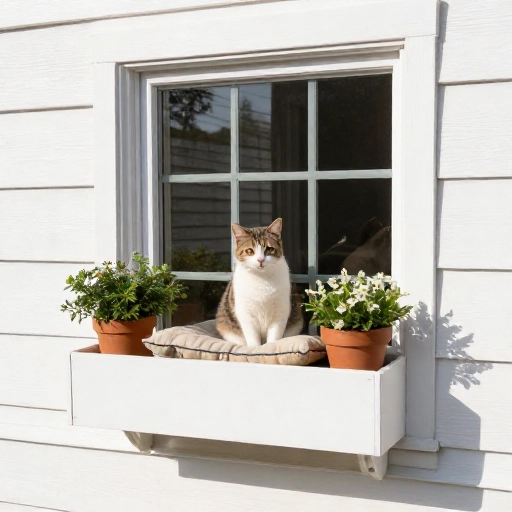
This is the gateway catio. If you have a window that opens outward or a sliding window, this is your easiest win. It’s basically a sturdy box that attaches to the outside of your window frame, giving your cat a little perch to lounge on.
I built mine using a pre-made wooden crate, some wire mesh, and a few hinges. The trick is to make a removable panel on the top so you can clean it easily. Your cat will spend hours just watching the neighborhood from their new skybox.
Make sure the structure is anchored well to the wall studs, not just the window trim. You don’t want it to wobble when your cat jumps in. Add a soft cushion or a piece of indoor/outdoor carpet, and you’re done.
2. The Balcony Net Enclosure
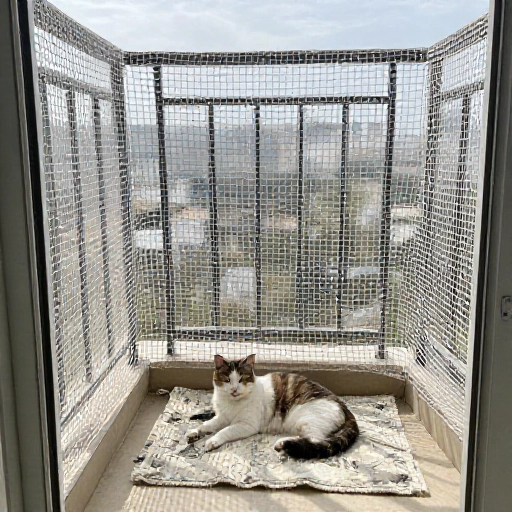
Renters, this one is for you. You don’t need to drill anything permanent. All you need is a roll of nylon or metal mesh netting and some heavy-duty zip ties. You’re basically creating a safe bubble around your balcony railing.
Start by measuring the height from the floor to the ceiling of the balcony. Then, secure the netting to the railings and the ceiling. I used zip ties to attach it every few inches along the top and bottom rails. It looks a bit like a bird cage from the outside, but from the inside, it feels like a safari tent.
Leave a small gap near the door to make your own “zipper” entry, or just use a piece of velcro attached to the netting. It’s not the prettiest, but it is 100% effective and takes under an hour to set up.
3. The Freestanding A-Frame Catio
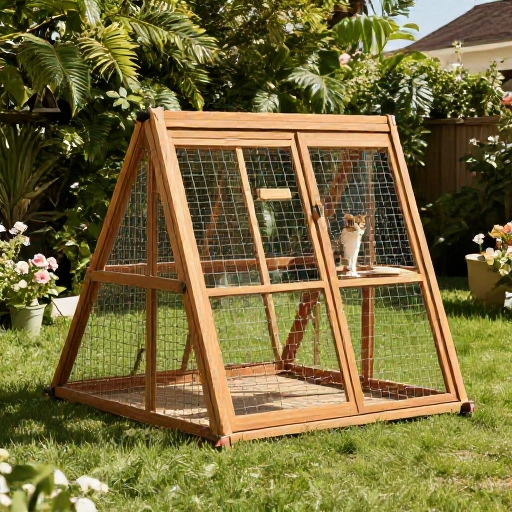
If you have a little bit of yard space, this is a classic. The A-frame shape is naturally sturdy and gives your cat plenty of vertical climbing space. You can build the frame out of 2×2 lumber and cover it in hardware cloth (that’s the welded wire mesh that’s safe for paws).
I built mine with a simple hinge along the top so one whole side swings open like a garage door. This makes it super easy to get in there with a broom or a vacuum. Inside, I added a couple of floating shelves at different heights to mimic tree branches.
The slanted sides are great for rain runoff, so you don’t need to worry about a roof. Just make sure the wire mesh is pulled tight and stapled down securely. This project takes a weekend, but it’s totally doable with a basic saw and a drill.
4. The Repurposed Bookshelf Catio
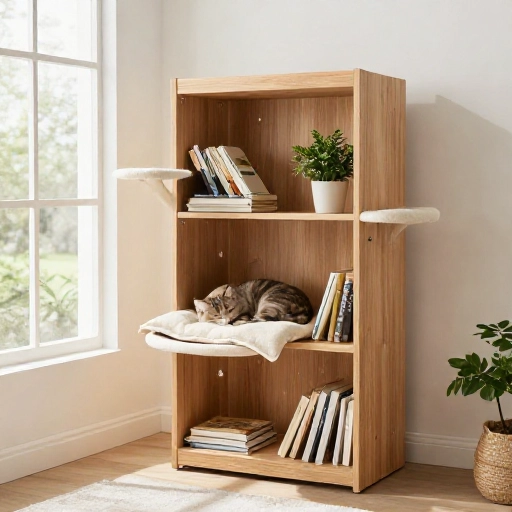
This is my favorite budget hack. Instead of building a frame from scratch, find an old wooden bookshelf at a thrift store or on the curb. The taller, the better. Remove all the back panels and some of the shelves to create big open spaces.
You’ll turn this on its side or keep it upright, depending on the shape. Then, you’ll staple wire mesh to the open front and sides. The shelves inside become natural perches. I added a little ramp leading down to the floor of the bookshelf, so my cat could jump in and out easily.
This is a great project for people who want an “outdoor” feel but are working with a covered porch or a sunroom. It’s basically a giant cat tree that you can stand inside of (if you’re small, anyway).
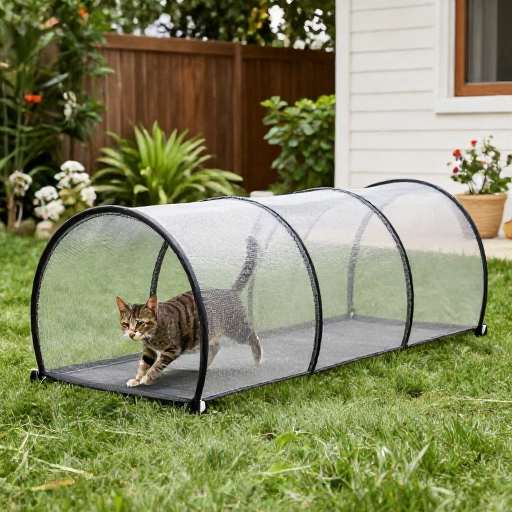
5. The PVC Pipe Tunnel Catio
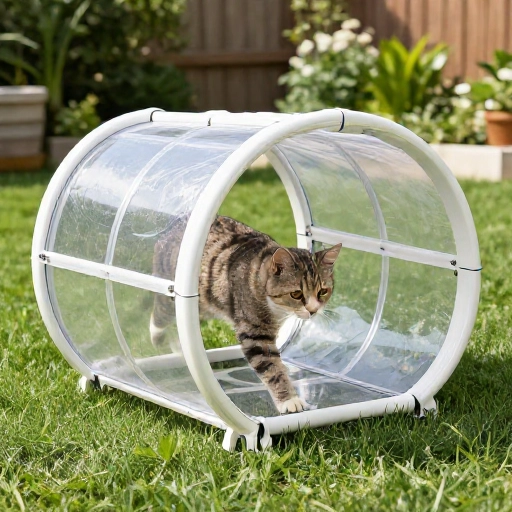
Don’t want to deal with wood rot? PVC pipe is your friend. This is a lightweight, modular catio that you can assemble in an afternoon. You’ll need PVC pipes, elbow joints, and a lot of cable ties to secure the mesh.
The beauty of this design is that you can make it any shape you want. I built a long, low tunnel that runs along the side of my house. My cat loves to race through it. It’s also great if you have multiple cats because you can create branching paths.
Because it’s so light, you need to anchor it down. I used landscape staples pushed through the bottom of the PVC frame into the grass. You can also attach it to a wooden deck for extra security. It’s not the most elegant, but it’s super functional and cheap.
6. The Window Well Catio
Do you have a basement window with a window well? That little metal half-circle pit is a perfect ready-made enclosure. You just need to cover the top. This is a surprisingly simple project that uses the existing structure to your advantage.
I built a wooden frame that sits on top of the window well lip, and then covered it with a sturdy wire mesh. I added a hinge so I can flip it open to get in and out for cleaning. The walls of the window well are already solid, so you only have to secure the top.
Painting the mesh black makes it almost invisible from the yard. It looks like a little secret underground bunker for your cat. Just make sure the window itself is secure and that your cat can’t scratch through the screen to get out.
7. The Pallet Catio
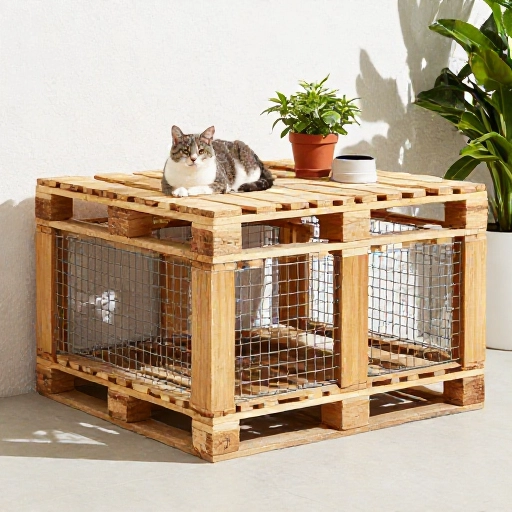
If you have a rustic or farmhouse style, pallets are a free and abundant resource. You can usually get them for free from local hardware stores or warehouses. The trick is to find pallets that aren’t treated with harsh chemicals (look for the HT stamp, which means heat-treated).
Stack two pallets on their sides to form an L-shape, and use one as the base. You’ll screw them together securely. Then, you’ll line the inside with wire mesh to prevent escapes. The gaps in the pallets are perfect for attaching toys or shelves.
This catio feels very organic and blends into a garden setting nicely. It’s also very heavy, so it won’t blow away in a storm. I added a roof made of a third pallet, but you could also use a piece of clear corrugated plastic to let the sun in.
8. The Hanging Tent Catio
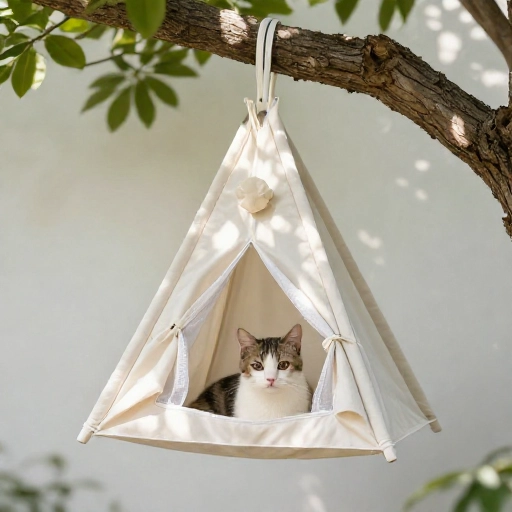
This is less of a permanent structure and more of a pop-up play space. It’s a mesh pop-up laundry hamper (the ones that look like a cube) that you repurpose. You can buy these cheaply, and they are surprisingly spacious when you zip them open.
I placed mine on the grass under a tree, but you could also put it on a deck. Because it’s so lightweight, I staked the corners down. My cats love that they can see out in all directions, but they are safely contained.
This is perfect for a cat that just wants to roll in the dirt or chew on some cat grass. It’s not ideal for jumping, but it’s great for supervised lounging. When you’re done, you just fold it up and put it in the closet. It’s the easiest “catio” you’ll ever build.
9. The Lean-To Greenhouse Catio
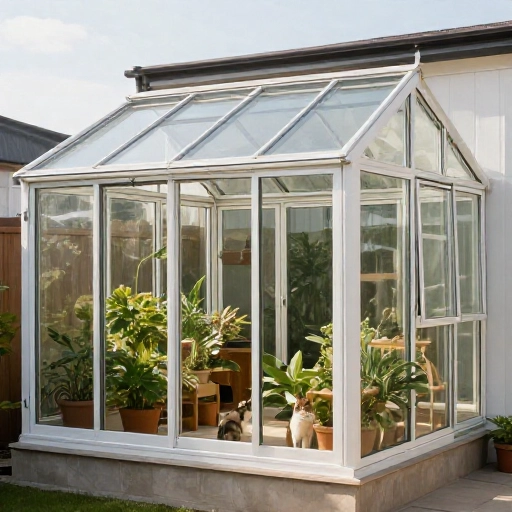
Do you have a sunny spot against a wall? This is a beautiful project that uses the side of your house as one of the walls. You’ll build a simple slanted roof from the house to a post, creating a lean-to shape. It’s like a mini greenhouse for cats.
I used a clear polycarbonate roof for mine, so the space gets nice and warm in the morning. This is great for cats that love to sunbathe. The sides are framed with wood and covered in wire mesh, but the roof lets the UV rays in.
This one requires a bit more skill because you have to attach a ledger board to your house’s exterior wall. But if you’re handy with a level and a drill, you can handle it. It’s the most permanent option on this list, so make sure you’re ready to commit to that spot.
10. The Catio Tunnel Run
This is the perfect solution if you have a cat that needs to run. It’s a long, narrow enclosure that connects from your house (via a pet door or a window) to a small enclosed box at the end. It’s basically a hamster tube for a cat.
I built this using a long frame of 2x4s and covered it in mesh. The trick is to make it tall enough for a cat to stand up in—about 3 feet high. The long length gives them a runway to chase toys and burn off energy.
At the end, I built a small square “hub” with a shelf so they can sit up high and survey the yard. This is great for active breeds like Bengals or Siamese who really need that horizontal space to zoom around in.
Time to Get Building
Building a catio is one of the most rewarding projects you can do for your indoor cat. It enriches their life in so many ways, from lowering their stress to keeping them entertained. You don’t need a huge budget or a ton of space; you just need a little creativity and a trip to the hardware store.
Start small if you’re nervous. Even a simple window box will make your cat’s day. Once you see how happy they are, you’ll be planning your next, bigger build before you know it. Your cat will thank you with endless chirps and purrs.
Frequently Asked Questions
Is it safe to leave my cat in a catio unsupervised?
Generally, yes, as long as the structure is secure and the weather is mild. Check for gaps or loose mesh regularly. Always make sure they have shade and fresh water. If it’s extremely hot, freezing, or stormy, bring them inside.
What is the best wire mesh to use?
I always recommend hardware cloth (welded wire) rather than chicken wire. Chicken wire is too flimsy and cats can push through it. You want a mesh with 1/2-inch or 1-inch squares to keep paws safe from predators and to prevent escape.
Do I need a permit to build a catio?
It depends on where you live and the size of the structure. A small window box usually doesn’t require one, but a large freestanding structure might. Check your local homeowner association rules and city zoning laws before you start hammering.
How do I clean a catio?
I find that a shop vac works wonders for fur and litter that gets tracked out. For the mesh, a spray bottle with a mild vinegar solution and a scrub brush does the trick. If you have a hinged roof or door, cleaning takes under fifteen minutes.
What if I only have a tiny apartment balcony?
You can still do a version of the Balcony Net Enclosure. Even a small corner with a mesh barrier and a cat tree inside will give them the feeling of being outdoors. Focus on vertical space to make the most of a small footprint.