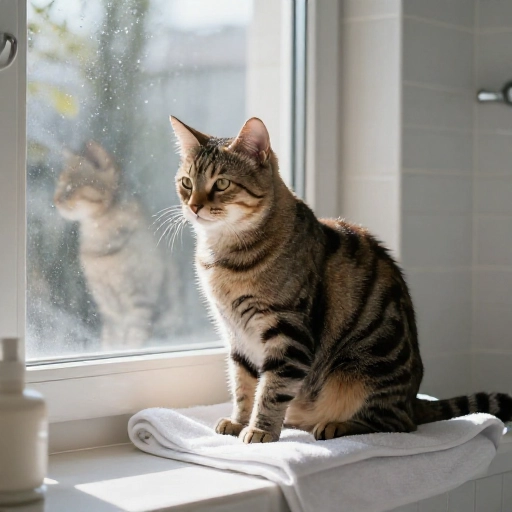
How to Do a Simple Health Check on Your Cat at Home
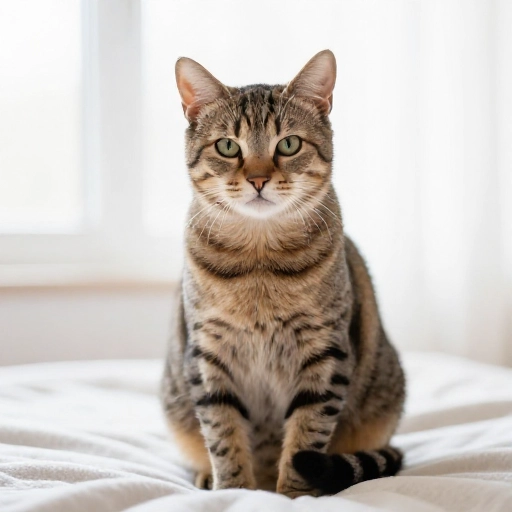
I remember the first time I noticed my cat’s ear looked a little red. I panicked, rushed her to the vet, and it was just a bit of wax. That moment taught me something valuable: you don’t need to be a vet to keep an eye on your cat’s health. A quick, gentle check at home can catch small issues before they become big problems.
Your cat can’t tell you when something hurts. But with a calm touch and a little routine, you can learn a lot. I do this check while we’re cuddling on the couch. It takes maybe five minutes, and my cat thinks it’s just extra pets. That’s the perfect energy.
Let’s walk through ten simple steps to check your cat from nose to tail. No stress, no fancy tools. Just you, your cat, and a little love.
Start with the Eyes
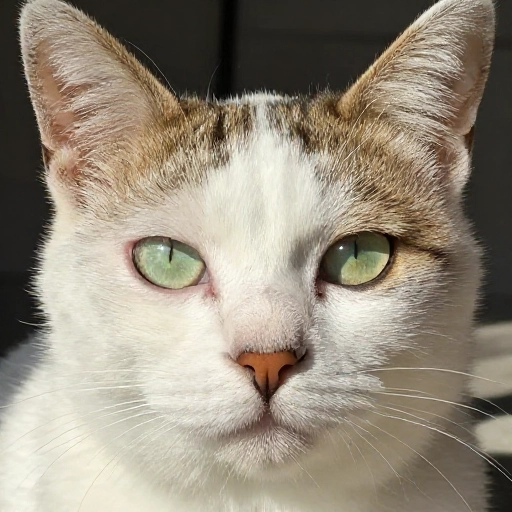
Your cat’s eyes should be bright and clear. Look for any redness, cloudiness, or discharge. A little sleep in the corner is normal, especially after a nap. But if you see green or yellow goo, that’s a sign to call your vet.
Gently lift the upper eyelid with your thumb. The pink tissue underneath should be moist and not swollen. If your cat squints or rubs her face a lot, something might be bothering her.
I check my cat’s eyes when she’s blinking slowly at me. It feels like a shared moment, not a medical exam.
Check the Ears
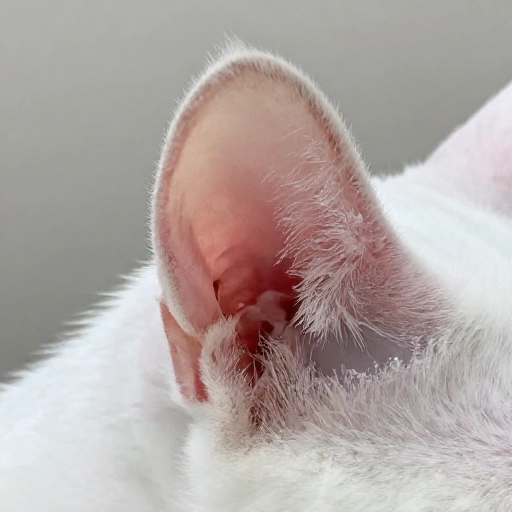
Ears are a big one. Lift the flap and peek inside. The skin should be pale pink and clean. A little wax is fine. What you don’t want is dark, crumbly stuff that looks like coffee grounds. That could mean ear mites.
Smell is also a clue. Healthy ears don’t have a strong odor. If you notice a yeasty or sour smell, that’s worth a vet visit.
I do this while scratching behind her ears. She loves it, and I get a clear view.
Look at the Nose
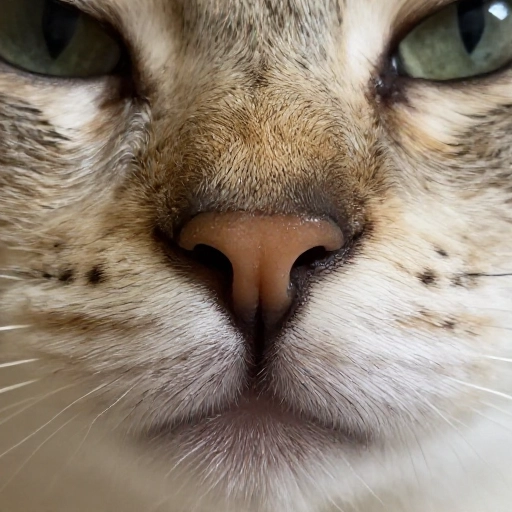
A cat’s nose can be wet or dry, and both are normal. What matters is discharge. If you see thick, colored snot or if her nose is crusty, that’s a red flag.
Also check for any sores or scabs. Cats can get sunburn on their noses, especially light-colored ones.
I usually sneak a look when she’s sniffing a treat. Easy and natural.
Peek Inside the Mouth
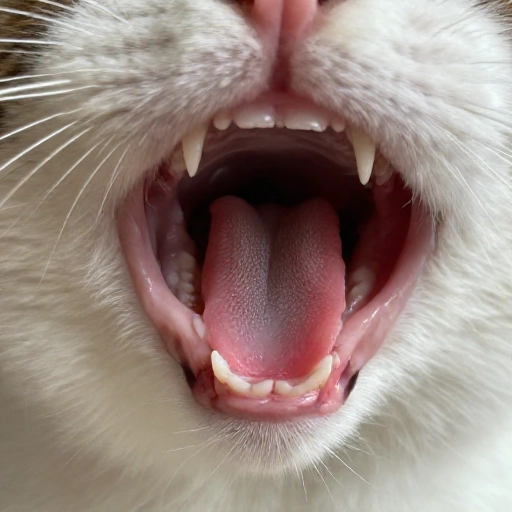
This one takes a little practice. Gently lift your cat’s lip and look at her gums. They should be pink and moist. Pale or sticky gums can mean dehydration. Red, swollen gums might mean dental trouble.
Check her teeth for yellow plaque or broken bits. Bad breath is also a clue. A little fishy smell is normal, but really stinky breath needs attention.
I do this while pretending to play with her whiskers. She barely notices.
Feel the Body
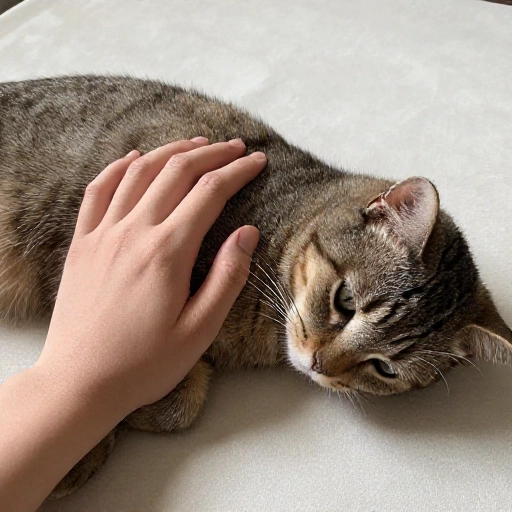
Run your hands gently over your cat’s whole body. Start at the head and go all the way to the tail. You’re looking for lumps, bumps, or any spot she flinches at.
Pay attention to her ribs. You should be able to feel them with a light touch, but not see them. If they stick out too much, she might be underweight. If you can’t feel them at all, she might be carrying extra weight.
I do this during lap time. It’s like a mini massage for her.
Check the Coat and Skin
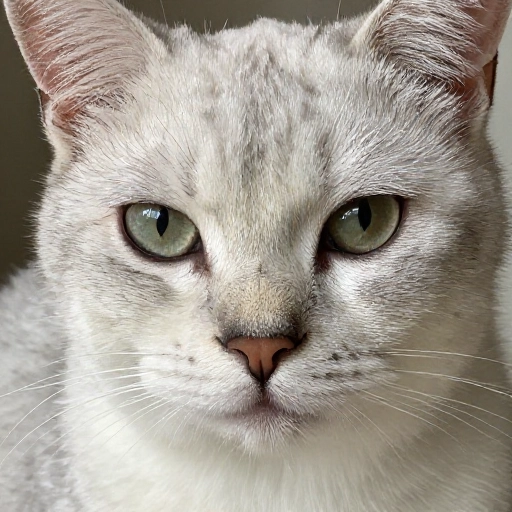
A healthy coat is shiny and soft. Run your fingers through her fur. Look for flakes, bald patches, or little black specks that might be flea dirt.
Part the fur in a few spots to check the skin underneath. It should be pink or slightly pigmented, but not red or scabby. If you see tiny moving dots, those are fleas.
Brushing time is perfect for this. She gets pampered, and I get a health check.
Watch How She Moves
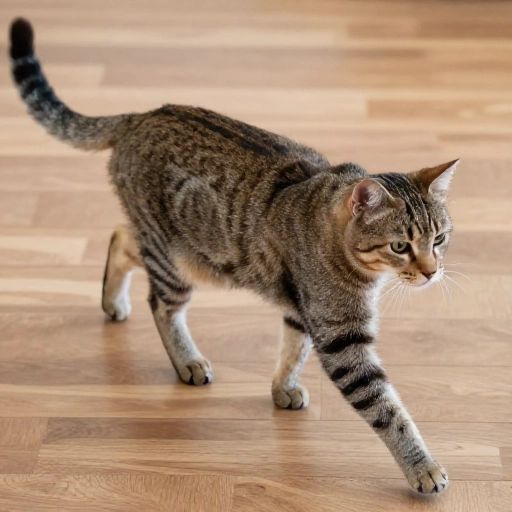
Observe your cat walking and jumping. Is she moving smoothly? Does she hesitate before jumping onto the couch? Stiffness or limping can mean joint pain, especially in older cats.
Also notice if she’s suddenly less active or hiding more. Cats are great at hiding pain, so changes in behavior are big clues.
I watch her chase a toy mouse. If she pounces like a kitten, I know she’s feeling good.
Check the Paws and Claws
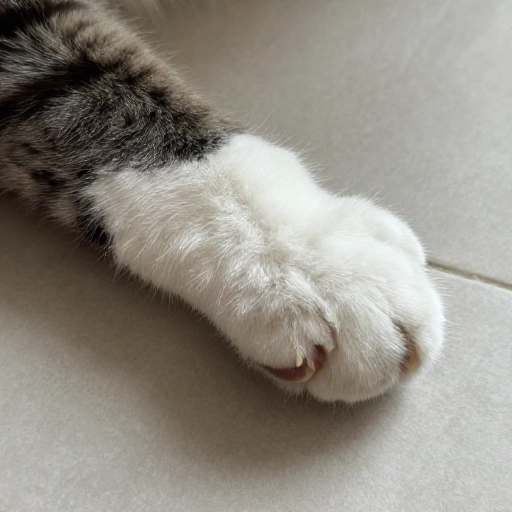
Pick up each paw gently. Look between the toes for redness, swelling, or little cuts. Check her claws too. They should be smooth and not too long.
If her claws are curling into the paw pads, they need a trim. Also check for cracked or split nails.
I do this when she’s sleepy and relaxed. She barely stirs.
Monitor the Litter Box
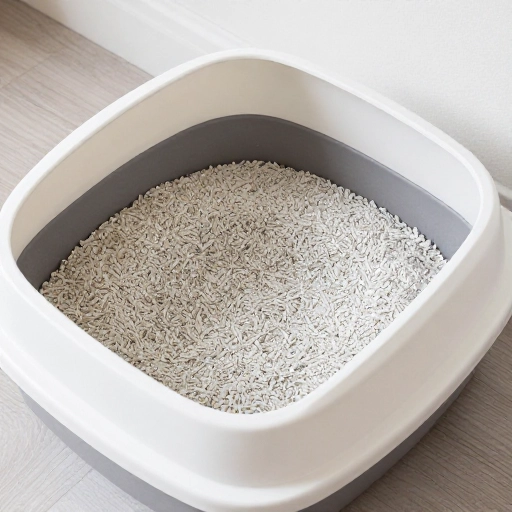
I know, it’s not glamorous. But the litter box tells you so much. Notice how often she goes and what it looks like. Healthy urine is pale yellow and clear. Healthy poop is brown, firm, and not too smelly.
Look for signs of diarrhea, constipation, or blood. Also notice if she’s straining or going outside the box. Those are big red flags.
I keep a mental note during daily scooping. It’s a habit now.
Watch Her Eating and Drinking
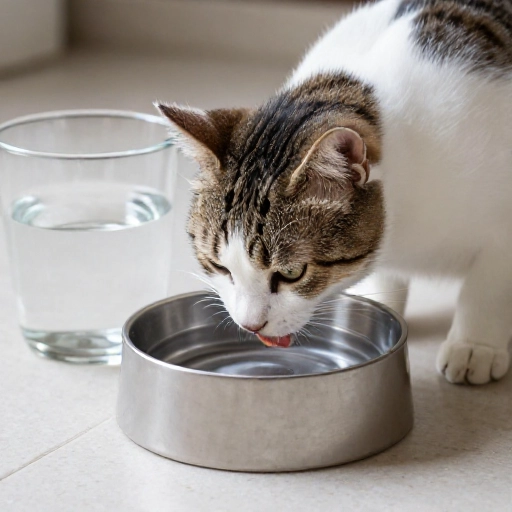
Is she eating her food with enthusiasm? A sudden loss of appetite is a serious sign. Also check how much she drinks. Cats often don’t drink enough, so if she’s suddenly lapping up lots of water, that can signal kidney issues or diabetes.
Feel her water bowl. If it’s barely touched, try a fountain. Many cats prefer moving water.
I notice her habits during meal times. She tells me everything without a word.
Conclusion
Doing a quick health check on your cat doesn’t have to be a big production. It’s just a few minutes of gentle observation and touch during your regular bonding time. You know your cat better than anyone. If something feels off, trust that feeling.
These checks help me catch small things early. And honestly, they make me feel closer to my cat. She gets extra attention, and I get peace of mind. That’s a win for both of us.
[[IMG:IMG12]]
Frequently Asked Questions
How often should I do a health check on my cat?
Once a week is great. You can do a quick daily check just by watching her behavior and eating habits. The full hands-on check can be a weekly routine.
What if my cat hates being touched in certain spots?
Go slow and use treats. If she flinches or pulls away, stop and try again later. Some cats are just sensitive. If the same spot always bothers her, ask your vet.
Do I need any special tools?
Nope. Just your hands and your eyes. A good flashlight can help see inside ears and mouth, but it’s not necessary. Your cat’s comfort matters most.
What are the most important things to check?
I’d say eyes, ears, and the litter box. Those three areas give you the fastest clues about overall health. But a full body check helps you catch lumps and skin issues early.
When should I go to the vet?
If you notice anything unusual that lasts more than a day, call your vet. Loss of appetite, vomiting, diarrhea, limping, or sudden behavior changes all need professional attention. Trust your gut.