10 DIY Shampoo Recipes for Happy, Healthy Pets (Gentle, Natural & Easy!)
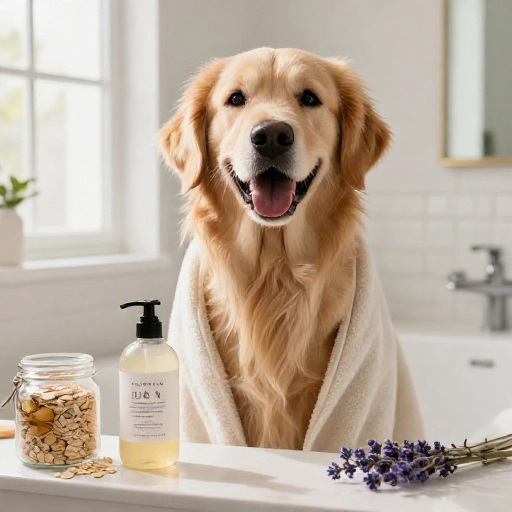
I still remember the first time my pup rolled in something mysterious at the park. I grabbed the nearest pet shampoo, scrubbed him clean, and watched him scratch for days. That’s when I started looking at what was actually in the bottle — and eventually, I began making my own.
These homemade pet shampoo recipes are simple, budget-friendly, and easy to tweak for sensitive skin, doggy odor, dull coats, and muddy paws. I’m sharing my favorites so you can pamper your pet without a trip to the pet store.
One quick note: every pet is different. Patch test first, avoid essential oils around cats, and check with your vet if your pet has allergies, open sores, or a skin condition.
1. Why I Switched to DIY Pet Shampoo
At first, I thought store-bought shampoo was the only safe option. But the more I read labels, the more I noticed heavy perfumes, drying alcohols, and long ingredient lists I couldn’t pronounce.
Making my own shampoo gave me control. I could skip the fake fragrance, use soothing oats or aloe, and mix only what my pet actually needed. Plus, it turned bath time into a little spa moment instead of a chemical experiment.
It’s also surprisingly cheap. Most of these recipes use things I already have in my kitchen, like oats, honey, coconut milk, and apple cider vinegar.
2. My 5 Golden Rules Before You Mix Anything
Before you start blending and pouring, these rules keep bath time safe and stress-free. I learned them the hard way, so you don’t have to.
- Skip harsh ingredients. No tea tree oil, no undiluted essential oils, and no citrus oils for cats.
- Dilute everything. Stronger is not better when it comes to pet skin.
- Patch test first. Put a tiny bit on a small area and wait 24 hours.
- Keep it out of eyes, ears, and mouth. Use a washcloth for the face.
- Rinse, rinse, rinse. Leftover soap or residue can cause itching.
If your pet is on medication or has a skin condition, ask your vet before trying a new recipe. A little caution goes a long way.
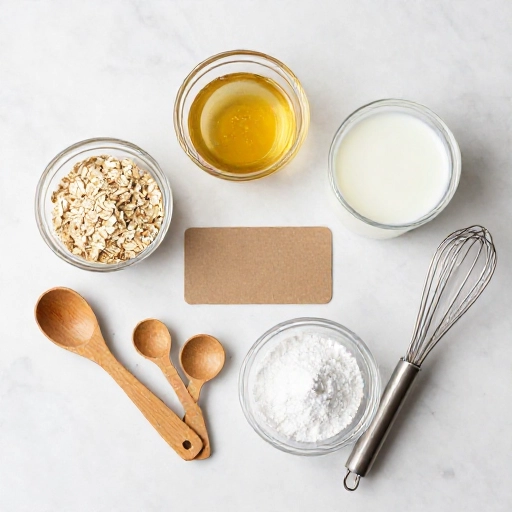
3. Oatmeal & Honey Itch-Relief Shampoo
This is my go-to when my dog’s skin looks dry or itchy. Oatmeal calms irritation, and honey helps hold moisture without feeling greasy.
Mix 1/2 cup of plain rolled oats with 1/4 cup warm water until it forms a soft paste. Stir in 1 tablespoon of raw honey and 1 tablespoon of gentle pet shampoo or unscented castile soap.
Massage it into your pet’s coat, let it sit for 3 to 5 minutes, then rinse thoroughly. I usually follow with a plain water rinse just to be sure. It leaves the coat soft and the scratching noticeably calmer.
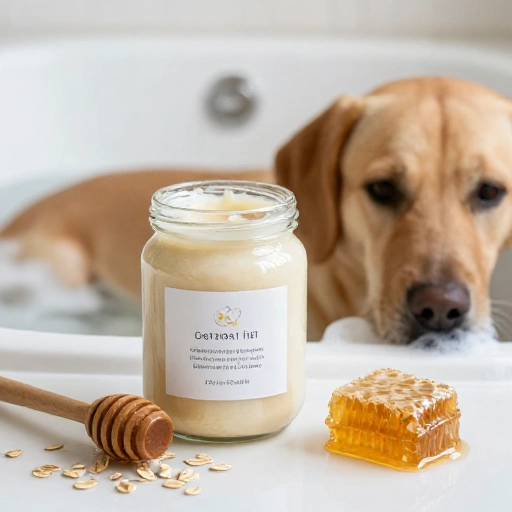
4. Gentle Aloe & Baby Shampoo Wash for Sensitive Skin
When my friend’s rescue dog had a reaction to regular shampoo, we tried this mild blend. It’s soft enough for pets who itch easily but still gets the dirt out.
Combine 1/4 cup fragrance-free baby shampoo, 2 tablespoons pure aloe vera gel, and 1 cup warm water. Shake gently and use it like a regular shampoo. Aloe soothes, while the baby shampoo keeps things simple.
Rinse very well, especially around the belly and armpits. I like this one for dogs, and I only use it on cats if their vet gives the thumbs-up.
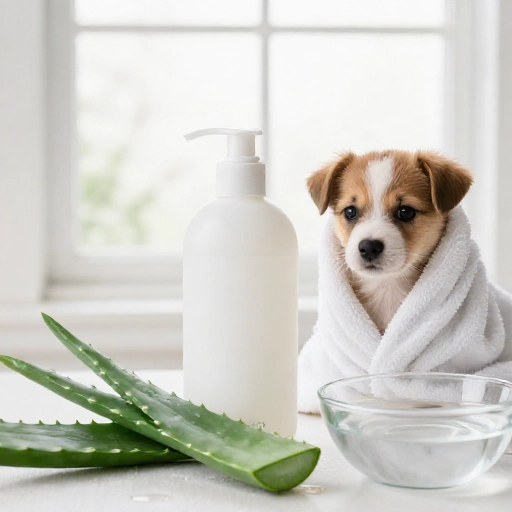
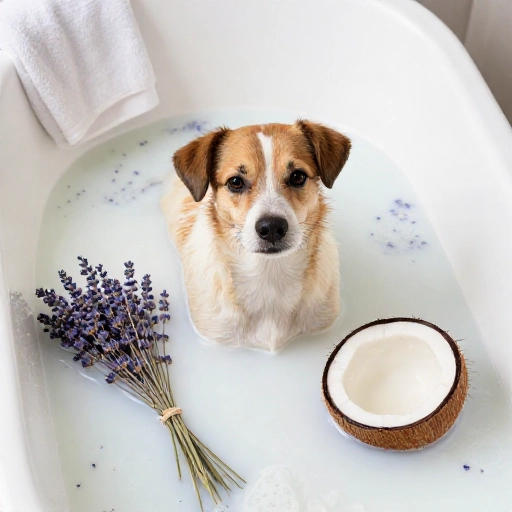
5. Coconut Milk & Lavender Calm Bath
This recipe smells like a quiet evening, and it makes the coat feel unbelievably soft. Coconut milk adds moisture, and lavender helps everyone chill out.
Warm 1/2 cup coconut milk with 1 cup water. Add 1 teaspoon dried lavender buds, then let it steep and cool. Strain the liquid and pour it into a squeeze bottle.
Use it as a final rinse after shampooing. For dogs only, you can add 1 drop of lavender essential oil, but skip that completely for cats. Rinse lightly and towel dry.
6. Apple Cider Vinegar Shine Rinse
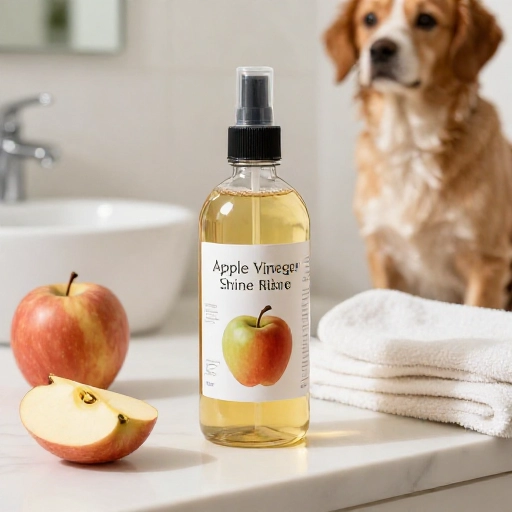
If your pet’s coat looks dull, this rinse is like a reset button. Apple cider vinegar helps balance pH and leaves fur looking shiny without any heavy products.
Mix 1 part raw apple cider vinegar with 4 parts water. After shampooing, pour it over the coat, massage it in for a minute, and rinse well. The vinegar smell fades as the coat dries.
Skip this one if your pet has broken skin or a rash. I use it on my dog about once a month, and his coat always looks glossier afterward.
7. Baking Soda & Chamomile Odor Buster
Some pets have that “rolled in something” smell even after a bath. This recipe neutralizes odors without covering them up with perfume.
Brew 1 cup of strong chamomile tea and let it cool. Stir in 1 tablespoon baking soda and 1 teaspoon gentle soap. Mix until the baking soda dissolves.
Wash your pet as usual, then rinse thoroughly. Chamomile is soothing, and baking soda helps freshen the coat. I use this on my dog, but I skip it for cats since they’re often more sensitive to teas and powders.
8. Flea-Fighting Citrus & Herb Shampoo (Dogs Only)
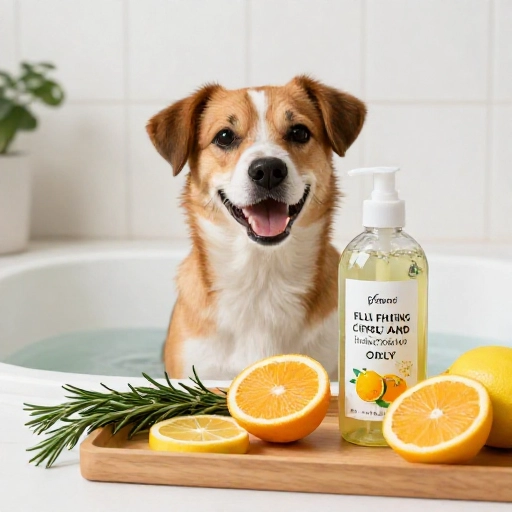
I make this in the warmer months when fleas seem to appear out of nowhere. It’s not a replacement for vet-approved flea treatment, but it can help repel pests and freshen the coat.
Slice 1 lemon and add it to a pot with 2 sprigs of fresh rosemary and 2 cups water. Boil, then turn off the heat and let it steep for 30 minutes. Strain and cool completely.
Mix the liquid with 1/4 cup unscented castile soap. Shampoo your dog, avoiding the eyes, and rinse very well. This one is for dogs only — citrus and some herbs are not safe for cats.
9. Dry Shampoo Powder for Between Baths
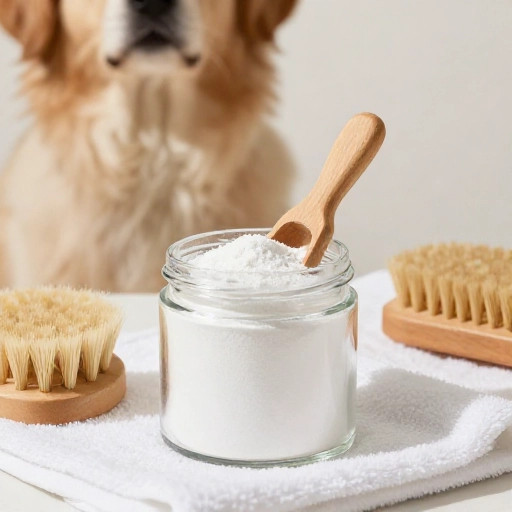
Not every muddy adventure needs a full bath. This dry shampoo powder is perfect for quick refreshes when your pet smells a little “doggy” but you don’t have time for a soak.
Mix 1/2 cup cornstarch, 1/4 cup baking soda, and 1 tablespoon finely ground oatmeal. If you want a subtle scent for dogs, add 1 drop of lavender essential oil and stir well.
Sprinkle a little over the coat, brush it through, and let it sit for a few minutes. Then brush out the excess. I use this on my dog, but I skip powders for cats because they groom themselves so much.
10. Soothing Paw & Belly Wash for Muddy Days
This is the recipe I reach for after rainy walks. It’s gentle enough for paws and bellies, and it saves me from giving a full bath every single day.
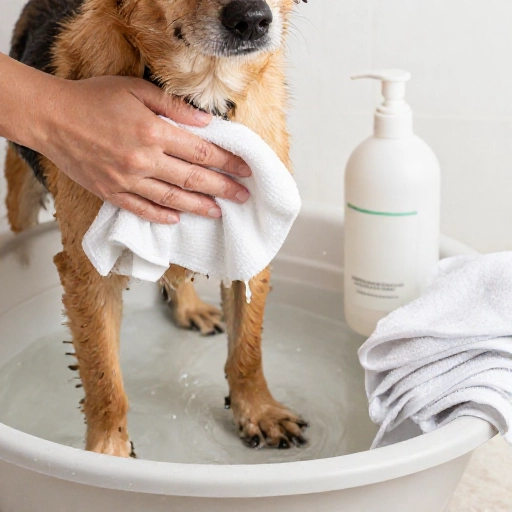
Mix 1 cup warm water, 1 tablespoon gentle soap, and 1 teaspoon aloe vera gel. Dip a soft washcloth into the mixture and wipe down muddy paws, belly, and legs.
Rinse the cloth with plain water and wipe again to remove residue. Then dry with a towel. My dog actually enjoys this one because it feels like a mini massage.
Final Thoughts
Making my own pet shampoo started as a way to save money, but it turned into a small act of love. I know exactly what I’m putting on my pet, and I can adjust each recipe as the seasons change.
Start with one recipe, patch test, and keep notes on what works. Your pet doesn’t need a perfect spa day — just a gentle wash, a good rinse, and a little extra cuddle afterward.
FAQ: Your Pet Shampoo Questions, Answered
Q: Can I use human shampoo on my pet?
A: It’s not ideal. Human shampoo has a different pH for pet skin and can be drying. In a pinch, a fragrance-free baby shampoo is gentler, but rinse very well.
Q: Are essential oils safe for pets?
A: Cats should avoid essential oils completely. For dogs, only use pet-safe oils that are heavily diluted, and ask your vet first.
Q: How often can I bathe my pet?
A: Most dogs do well with a bath every 4 to 8 weeks, or as your vet suggests. Cats usually need baths much less often.
Q: What if my pet gets itchy after a bath?
A: Rinse again with plain water. If the itching continues, stop using the recipe and call your vet. It may be an allergy or irritation.
Q: Can these recipes get rid of fleas?
A: Some ingredients may help repel fleas, but they are not a cure. Use a vet-approved flea treatment for real protection.