Recall Training Secrets Every Dog Owner Must Know for a Rock-Solid Come Command

I used to be that person at the dog park, awkwardly calling my dog’s name while she pretended not to hear me. It was embarrassing. But after years of training (and plenty of mistakes), I’ve learned that recall isn’t about luck or magic. It’s about a few simple secrets that any dog owner can use.
In this post, I’m sharing the exact recall training secrets that turned my “selective hearing” dog into one who comes running. Whether you have a puppy or an older dog, these tips will help you build a reliable come command. Let’s dive in.
Start With a Name Your Dog Actually Loves
Before you can teach “come,” your dog needs to know their name means good things happen. I spent weeks just saying my dog’s name and rewarding her for looking at me. No pressure, just treats.
Use their name only for positive moments. Never scold them after saying their name, or they’ll start avoiding it. That’s a quick way to ruin recall before you even begin.
Practice in the kitchen: say the name, mark with “yes” or a clicker, give a tiny treat. Do this 10 times a day. It takes two minutes and builds a strong foundation.
The High-Value Treat Secret (and When to Use It)
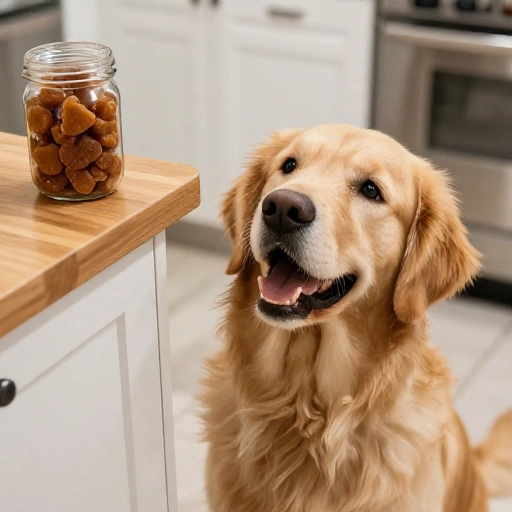
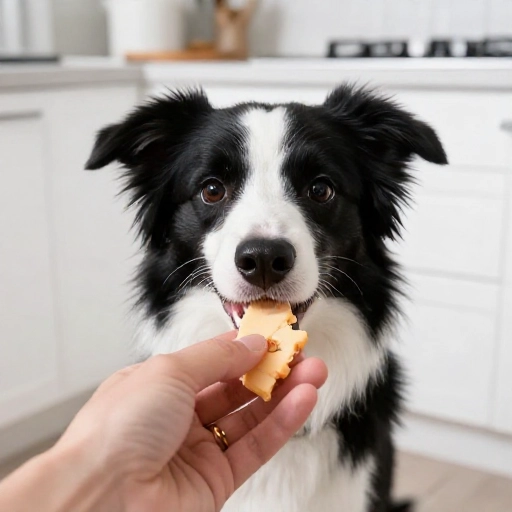
Not all treats are equal. For recall, you need something your dog would trade their favorite toy for. Think tiny pieces of cheese, hot dog, or freeze-dried liver. The stinkier, the better.
Keep these “jackpot” treats only for recall training. If they get them all the time, they lose their power. I learned that the hard way when my dog started ignoring plain kibble.
I keep a special pouch in my pocket that only comes out for recall practice. My dog notices that pouch immediately. It’s like a magic signal that something amazing is about to happen.
Practice in a Boring Hallway Before You Hit the Park
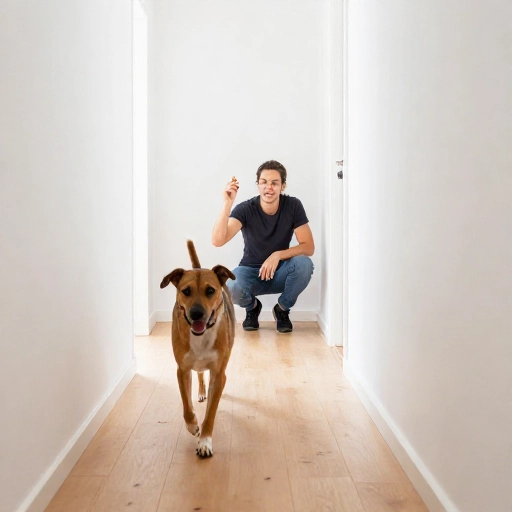
Your dog can’t learn recall in a distracting environment. Start inside your home, then move to a quiet backyard. I began by standing just a few feet away, saying “come,” and rewarding when she reached me.
Then I gradually increased distance. Five feet, then ten, then across the room. Only add distractions when your dog succeeds 9 out of 10 times in the easy spot.
If you jump straight to the park, you’re setting both of you up for failure. Boring repetitions build the muscle memory that works later in exciting places.
Never, Ever Punish a Dog for Coming (Even If It Took Forever)
This is the biggest mistake I see. If your dog finally comes after 5 minutes of sniffing, and you yell at them, they learn that coming to you is a bad thing. Next time, they’ll avoid you entirely.
Always act like they just won the lottery when they arrive. Even if you’re frustrated, fake the joy. Your dog reads your energy, and a happy greeting makes them want to come again.
If you need to end a walk, go to them instead of calling and then doing something they hate (like clipping the leash and going inside). Or call, reward, then release them again. That keeps recall positive.

The Long Line Is Your Best Friend
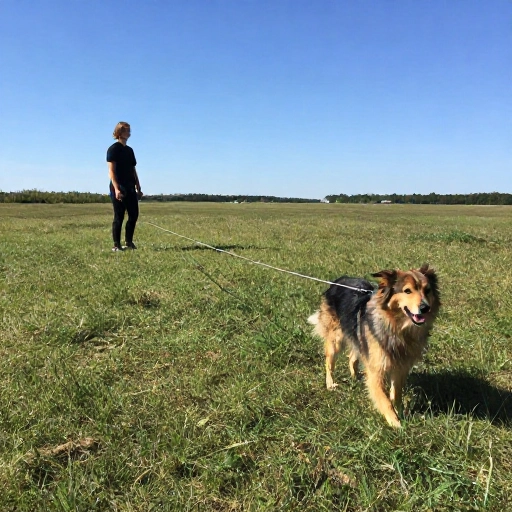
A long line (10-30 feet) gives your dog freedom while keeping them safe. It’s perfect for practicing recall in open areas. I use a lightweight biothane line that doesn’t tangle easily.
When my dog comes, I reward her, then let her go back to exploring. This builds trust and teaches her that coming to me doesn’t always mean the fun ends.
Never use a retractable leash for this. They teach pulling and are dangerous. A simple long line is one of the most underrated recall tools out there.
Throw a “Recall Party” Every Single Time
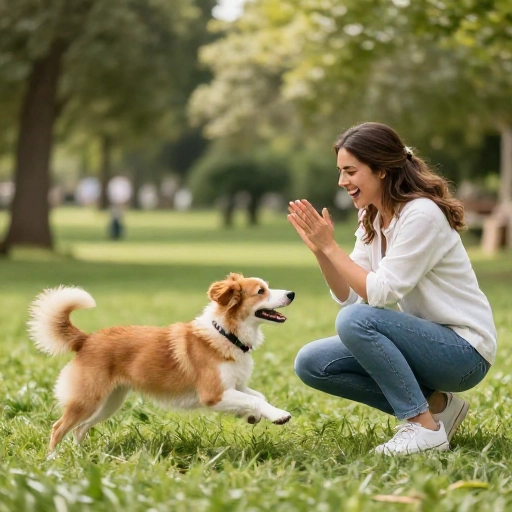
When your dog comes to you, celebrate like they just scored the winning goal. Clap, cheer, give treats, pet them, maybe even run away a little so they chase you. Make it a full-on party.
The party should last 10-20 seconds. Then release them to play again if possible. I used to just give a treat and say “good.” That’s boring. The party makes coming to you the best part of their day.
If you’re not embarrassed by how silly you look, you’re doing it right. Your dog will remember that energy and want more of it.
Add Distractions Slowly: The 3 Ds
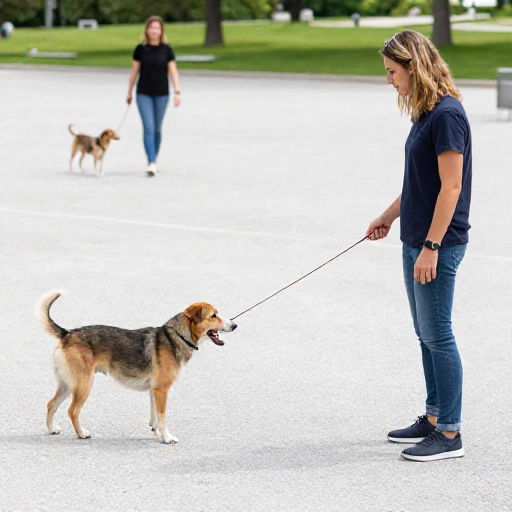
The 3 Ds are Distance, Duration, and Distraction. Only increase one at a time. For example, if you add distance, keep duration short and distractions low.
Then add a mild distraction like a person walking by. I made the mistake of jumping from my quiet yard to a busy park. My dog failed, and I had to start over. Go slow.
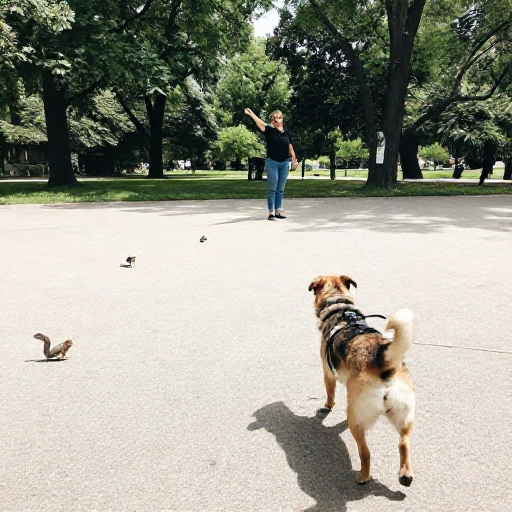
Celebrate every small win. If your dog holds a recall with a squirrel in the distance, that’s huge. Build from there, one step at a time.
Teach an Emergency Recall Cue
A regular “come” might not work when your dog is chasing a squirrel. That’s why I taught a separate emergency recall: a whistle. It’s a different sound that cuts through everything.
I charged the whistle by blowing it and giving a huge reward (like a piece of steak) every single time. Now that whistle gets an instant head turn, no matter what.
Use a unique sound—whistle, squeaky toy, or a word like “here!”—and never use it for anything else. Reserve it for true emergencies or high-value moments.
Keep Training Sessions Short and Sweet
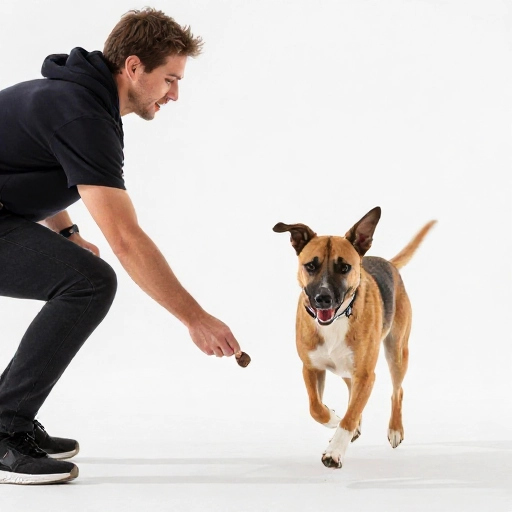
Dogs have short attention spans. I do 3-5 minute sessions, 2-3 times a day. That’s it. Any longer and they get bored or frustrated.
Always end on a success. If your dog nails a recall, throw a party and stop. That way, the last memory of training is a happy one.
I keep training fun by mixing in easy wins. If she’s struggling, I go back to a simpler step. Short sessions mean we both stay engaged and excited.

Proof Recall in Real Life (The Ultimate Test)
Once your dog is reliable in easy spots, gradually test in real life: front yard, quiet park, then busier areas. Use a long line until you’re 100% sure. I still use one in new places.
Every successful recall strengthens the habit. If they fail, don’t get mad—just go back a step and practice more. Failure is information, not a disaster.
Remember that no dog is perfect. Even well-trained dogs have off days. The goal is a strong, reliable recall that works most of the time, not a robotic response.
Conclusion: You Can Do This
Recall training isn’t about being a drill sergeant. It’s about building a relationship where your dog wants to come to you. Start small, use amazing treats, and never punish.
Before you know it, you’ll be that person whose dog actually comes when called. It’s one of the most rewarding skills you can teach, and it keeps your dog safe.
Frequently Asked Questions
Q: How long does it take to train a reliable recall?
A: Every dog is different. Some pick it up in weeks, others take months. Consistency matters more than speed. I practiced daily for about 3 months before I felt confident off-leash in low-distraction areas.
Q: What if my dog ignores me when they’re off-leash?
A: That means you moved too fast. Go back to a long line and easier environments. Also, check your treats—are they exciting enough? And make sure you’re not accidentally punishing them by ending fun every time they come.
Q: Can I use recall training with an older dog?
A: Absolutely. I’ve seen 10-year-old dogs learn recall. It just takes patience and high-value rewards. Start with name recognition and go from there.
Q: Should I use an e-collar for recall?
A: I don’t recommend starting with an e-collar. Positive reinforcement is safer and builds trust. If you’re considering one, talk to a professional trainer who uses humane methods.
Q: How do I stop my dog from running away?
A: Prevention first: use a long line or fenced area. Then build recall step by step. Also, make sure your dog isn’t bored or under-exercised. A tired dog is less likely to bolt.