Crate Training a Rescue Dog With a Rough Past: How I Turned a Scary Box Into a Safe Haven
When I adopted my rescue, he flinched at sudden sounds and watched every door like it might slam. The crate felt like the last thing he needed—or so I thought. With time, patience, and a lot of tiny steps, it became the one place he could finally exhale.
I’m not a professional trainer. I’m just a dog mom who learned the hard way that force backfires with a dog who’s already been let down. This is the gentle crate training plan I wish I’d had from day one.
Below are 10 practical ideas that helped my rescue feel safe in his crate. Take them slow, celebrate every small win, and let your dog set the pace.
1. Read Your Rescue’s Body Language Before You Touch the Crate
Before I introduced the crate, I spent a few days just watching. I noted what made my dog relax: a soft blanket, a chew toy, me sitting on the floor. I also noted what made him tense: looming over him, loud voices, quick movements.
Your rescue is speaking all the time. A tucked tail, whale eye, lip licking, freezing, or sudden sniffing can all mean “I’m not okay.” If you miss those signals, crate training can feel like a trap to your dog.
I started pairing the crate with things he already loved. That meant the crate showed up only when I was calm and he was already relaxed. No forcing, no shoving, no “just get in.”
2. Make the Crate Feel Like a Cozy Cave, Not a Cage
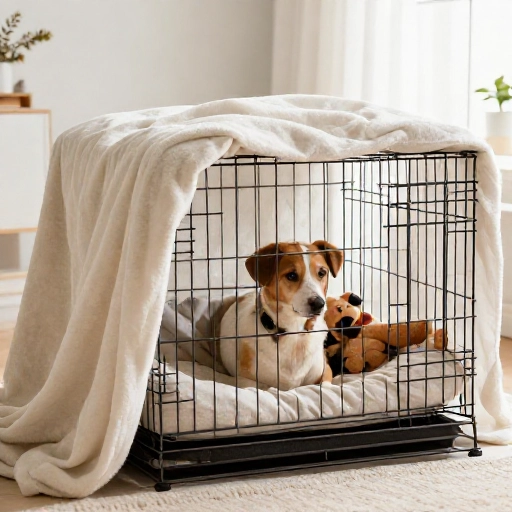
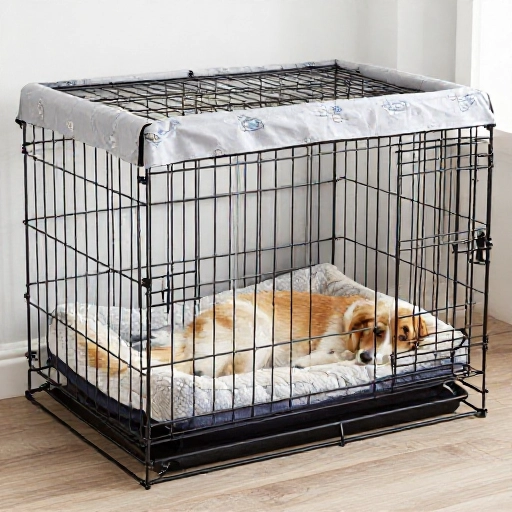
A rescue with a rough past may see bars and think “kennel” or “confinement.” I wanted my dog to see a den. So I draped a lightweight blanket over three sides to make it darker and cozier—always leaving the front open for airflow and choice.
I added a familiar-smelling blanket, a soft bed, and a safe chew. I kept the crate in a quiet corner of the living room, not isolated in a garage or basement. He needed to hear and smell us nearby.
- Remove collars or tags that could catch on bars.
- Skip heavy bedding if your dog is a chewer.
- Keep the crate out of high-traffic walkways.
The goal wasn’t a perfect setup. It was a space that felt warm, predictable, and low-pressure.
3. Go Slower Than You Think—Then Slow Down Again
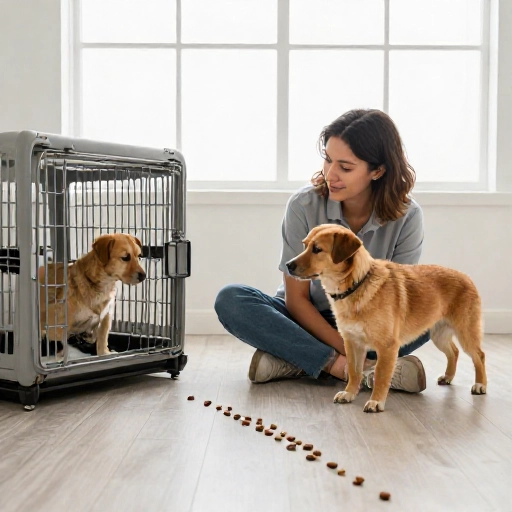
I made the mistake of rushing with my first dog. With my rescue, I committed to a snail’s pace. Day one was just the crate sitting open in the room. Day two was tossing a treat near it. Day three was a treat inside the door.
If your dog backs away, you’re moving too fast. That’s not failure; that’s information. I learned to break every step into five smaller steps.
For a traumatized dog, trust is built in seconds, not sessions. Five calm minutes beat a thirty-minute struggle every time. I stopped aiming for “in the crate” and started aiming for “comfortable near the crate.”
4. Feed Every Meal Near and Inside the Crate
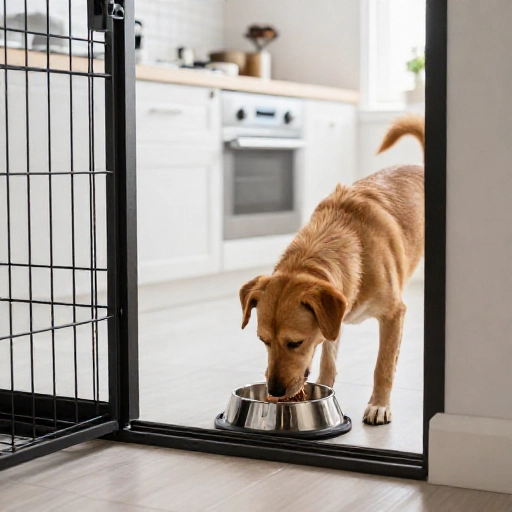
Food is a powerful trust builder. I started by feeding my rescue just outside the crate. Then I moved the bowl to the doorway. Eventually, the bowl went just inside, then all the way in.
I never closed the door while he ate. I wanted his brain to link the crate with good things, not with being trapped. If he paused or walked away, I didn’t push. I just made the next meal a little easier.
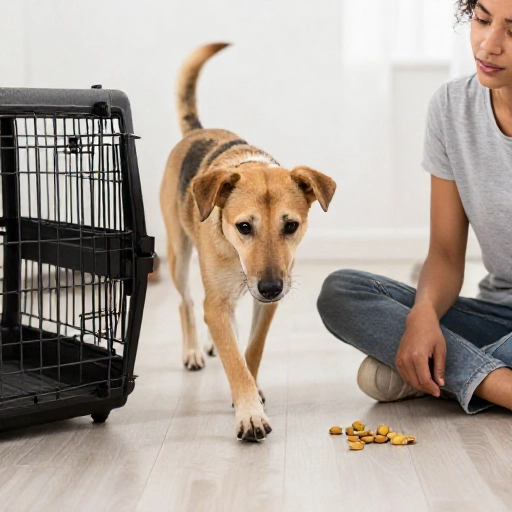
High-value treats helped too. Tiny bits of chicken or cheese tossed in the back of the crate made him curious instead of cautious. This one habit changed everything for us.
5. Use the Crate as a Reset Space, Not a Timeout Zone
Dogs with rough pasts often already feel punished by the world. The crate should never be where they go after an accident, a bark, or a mistake. I kept the crate neutral—no angry voice, no scolding, no dramatic door slam.
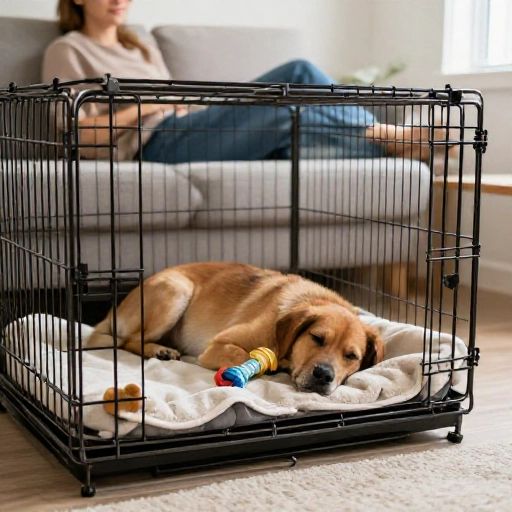
Instead, I used it when my dog was already calm and I needed a safe pause. If guests arrived or I had to answer the door, I’d toss a treat in and let him choose to go in. The crate became a quiet retreat, not a jail cell.
If your dog only sees the crate after trouble, he’ll resist it. If he sees it during good moments, he’ll start to seek it out on his own.
6. Build a Calm Crate Routine With Tiny Wins
Rescues thrive on routine. I started a simple pattern: treat, crate, calm praise, door open. We repeated it at the same times each day. Predictability told his nervous system, “You know what’s coming next.”
I kept sessions short—sometimes just ten seconds. I’d close the door for one second, then five, then ten. If he stayed relaxed, I’d add a little more. If he panicked, I’d go back to the last easy step.
- Same cue word every time, like “crate” or “bed.”
- Same treat reward, delivered calmly.
- Same quiet tone, no excited hype.
Those tiny wins stacked up. After a few weeks, my dog started walking into the crate before I even asked.
7. Handle Whining, Pacing, and Panic Without Giving Up
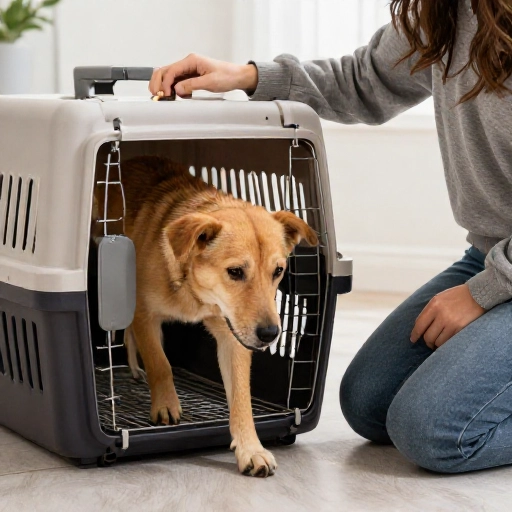
The first time I closed the crate door, my rescue whined. My heart broke. I wanted to let him out, but I also didn’t want to teach him that whining opens the door. So I waited for a split second of quiet, then opened it.
If your dog is truly panicking—drooling, clawing, trying to bite the bars—stop. That’s not stubbornness; that’s fear. Go back to an easier step and get help from a positive reinforcement trainer or vet behaviorist.
For mild whining, I stayed nearby and spoke softly. I never opened the door during a full meltdown. I waited for a pause, even a tiny one, and rewarded that calm. Over time, the pauses got longer.
8. Choose the Right Crate and Setup for a Traumatized Dog
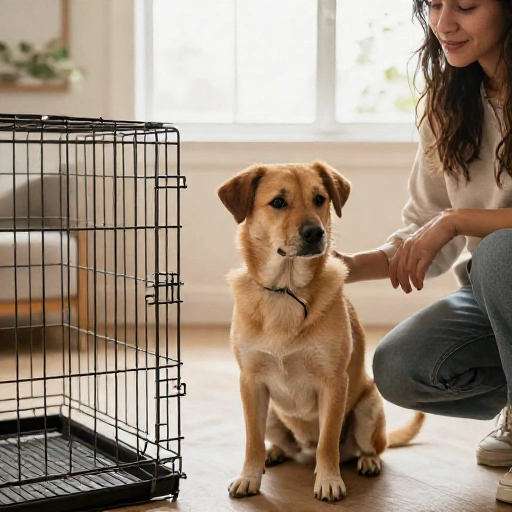
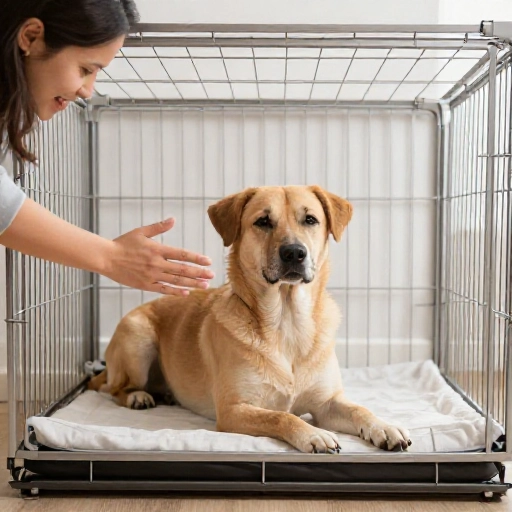
Not all crates feel safe. A wire crate gives visibility, but it can feel exposed. A plastic airline crate feels more den-like, but some dogs overheat. I tried both and watched which one my dog chose when the doors were open.
Size matters too. The crate should be big enough to stand, turn, and lie down, but not so huge that your dog feels lost. For a rescue who’s never had boundaries, a slightly cozy crate often feels safer than a giant one.
I also added a white noise machine and kept the room dim. Small changes made a big difference in how relaxed he was.
9. Practice Alone Time in Micro Doses
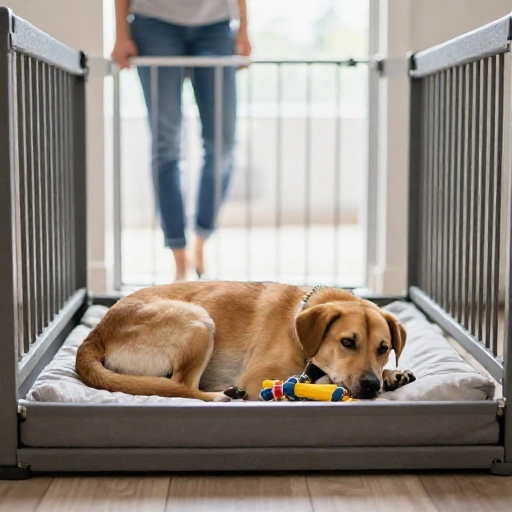
Separation anxiety is common in rescues. I didn’t start by leaving the house. I started by stepping one foot away, then two, then into the hallway. I returned before my dog got worried.
I practiced while he had a frozen stuffed toy. Licking and chewing are calming for dogs. I’d step out for five seconds, come back, and ignore him for a moment so my return wasn’t a big event.
Slowly, I built up to leaving the room for a minute, then five, then ten. If he panicked, I scaled back. The goal was never to “tough it out.” It was to teach him that I always come back.
10. Celebrate Progress and Know When to Get Help
Some days my rescue took two steps forward and one step back. That’s normal. I started keeping a tiny journal of wins: “slept in crate for 20 minutes,” “ate dinner inside,” “didn’t whine when I closed the door.”
If your dog isn’t improving after several weeks, or if he’s injuring himself, it’s okay to ask for help. A certified force-free trainer or veterinary behaviorist can create a personalized plan. There’s no shame in needing support.
Crate training a rescue with a rough past isn’t about perfection. It’s about safety, trust, and giving your dog a place where the world feels quiet. When you go at their pace, that crate can become a gift—for both of you.
Conclusion: Patience Is the Real Training Tool
My rescue didn’t fall in love with his crate overnight. It took weeks of tiny, boring, repetitive moments. But now, when he’s overwhelmed, he walks to his crate and curls up. That’s the win I wanted.
If you’re in the messy middle, keep going. Your dog isn’t giving you a hard time; they’re having a hard time. Slow down, lower your expectations, and let trust do the heavy lifting.
You can crate train a rescue with a rough past. Not with force, but with patience, treats, and a whole lot of grace.
FAQ: Crate Training a Rescue With a Rough Past
How long does it take to crate train a traumatized rescue?
Every dog is different. Some need a few weeks; others need a few months. Focus on comfort, not a timeline. Slow progress is still progress.
Should I ever force my rescue into the crate?
No. Forcing a scared dog can damage trust and make crate training harder. Use treats, patience, and let your dog choose to enter whenever possible.
What if my rescue panics when I close the crate door?
Stop and go back to an easier step. Panic means the crate is too scary right now. Try just feeding near the crate, then work up to closing the door for one second.
Can I use a crate for timeouts with a rescue dog?
I don’t recommend it. The crate should stay a positive, calm space. Use a separate quiet area for timeouts so the crate doesn’t become a punishment.
When should I hire a professional trainer?
If your dog is injuring themselves, not improving after several weeks, or showing severe anxiety, reach out to a force-free trainer or veterinary behaviorist. Getting help early can save months of stress.