13 Everyday Habits That Support Lifelong Dog Health (Simple Routines That Actually Work)
I used to think keeping a dog healthy meant big gestures — expensive food, fancy supplements, a trainer who came twice a week. Then I adopted a senior rescue with bad teeth and a tricky stomach, and I learned the truth fast: it’s the small, boring, everyday stuff that keeps a dog thriving for years.
The good news? None of these habits take much time. Most of them take less than five minutes, and you’re probably already doing a few without realizing they matter.
Here are the 13 habits I’ve built into life with my dogs — the ones I’d tell any friend to start today, whether you’ve got a wiggly puppy or a grey-muzzled old friend.
1. Feed on a Consistent Schedule
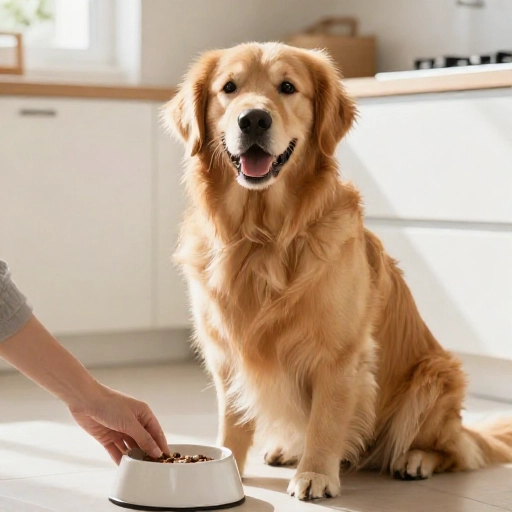
Dogs are creatures of routine, and their digestive systems love predictability. When meals happen at roughly the same times each day, everything from appetite to bathroom breaks becomes easier to read.
I feed my dogs twice a day, morning and early evening, and I’ve noticed fewer 3 a.m. stomach gurgles and way less begging in between. A steady clock also makes it obvious when something’s off — if my normally food-obsessed beagle skips breakfast, I know to pay attention.
Puppies usually need three or four smaller meals, while seniors may do better on two lighter ones. Ask your vet what suits your dog’s age and size.
2. Measure the Food Instead of Guessing
I used to fill the bowl until it “looked right.” Turns out my idea of right was about 30% more than my dog actually needed. That’s how a lot of dogs quietly gain weight.
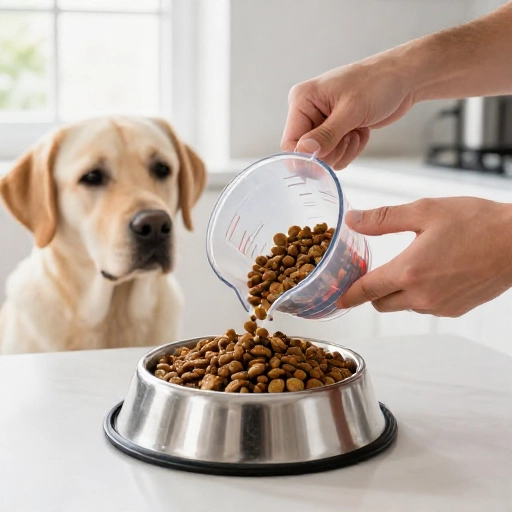
Now I use a measuring cup and check the bag or can for the recommended amount for my dog’s weight and activity level. Then I adjust based on how their body looks and feels, not just the number on the label.
If you free-feed, try switching to set meals for a month. Most dogs settle in within a few days, and you’ll suddenly have a much clearer picture of how much they’re eating.
3. Make Fresh Water a Non-Negotiable
It sounds too simple to matter, but hydration affects digestion, kidney function, energy, and even how well your dog regulates body temperature.
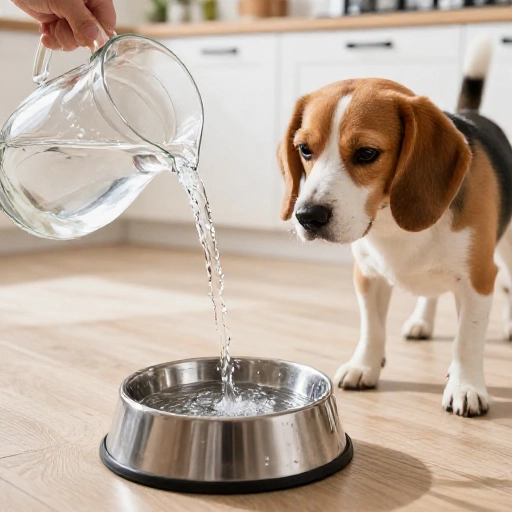
I refresh water bowls twice a day and wash them every single day — slimy bowls make dogs drink less, and I don’t blame them. On hot days or after long walks, I add a splash to their food or offer a little bone broth for extra fluid.
Watch for the signs of trouble: tacky gums, less peeing than usual, or a dog who suddenly camps out by the water bowl. Any of those deserve a call to your vet.
4. Walk Every Day, Even When It’s Drizzly
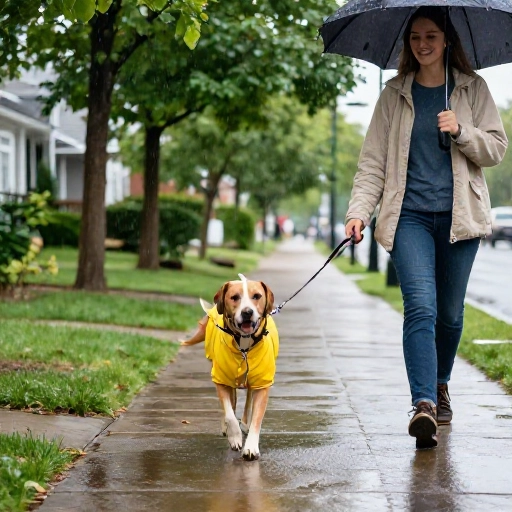
Daily walks are the closest thing to a miracle habit I’ve found. They support joints, keep weight in check, calm anxious minds, and give your dog a chance to sniff the world — which is basically their version of reading the news.
I aim for at least one solid walk a day, plus a couple of quick sniff breaks. For high-energy breeds, that might be an hour of movement; for a senior pug, two gentle laps around the block is plenty.
Skip the midday pavement on scorching days — if it’s too hot for your bare foot, it’s too hot for their paws.
5. Add Play and Brain Games to the Routine
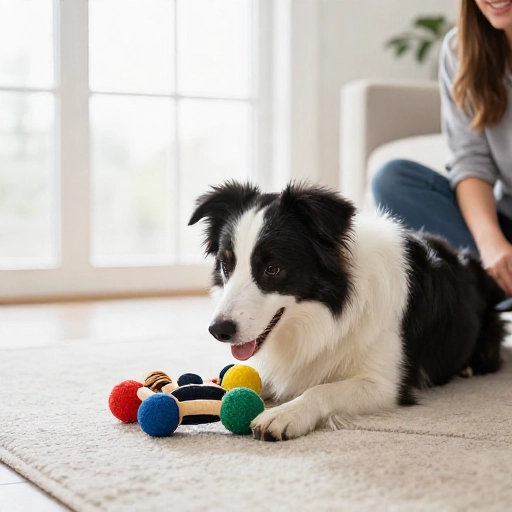
Physical exercise is only half the picture. Dogs need to think, solve, and use their noses, or boredom turns into chewed shoes and barking at nothing.
I hide kibble in snuffle mats, roll treats into a towel, and teach one silly new trick each week. Ten minutes of sniff work tires my dogs out more than a 30-minute walk.
Rotate toys so they feel new, and let your dog “win” sometimes — confidence matters as much as cardio.
6. Brush Those Teeth (Yes, Really)
Dental disease is one of the most common problems vets see, and it doesn’t just stay in the mouth. It can affect the heart, kidneys, and overall comfort of your dog.
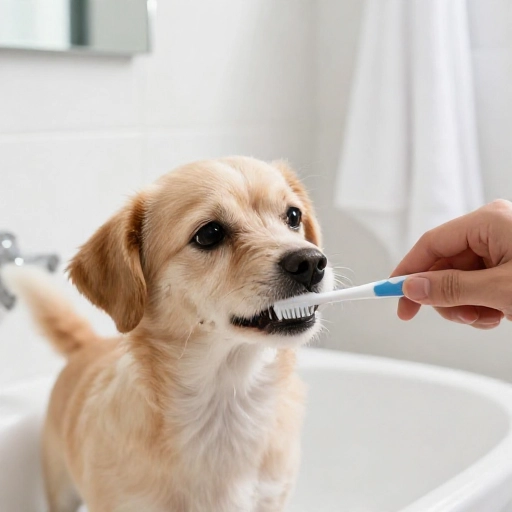
I brush my dogs’ teeth most nights with dog-safe toothpaste — chicken flavor, obviously. Start slow: one tooth, tons of praise, done. A finger brush works great for beginners.
If brushing daily isn’t realistic, aim for three or four times a week and add dental chews on the other days. Your vet will notice the difference at the next checkup.
7. Keep Nails Trimmed and Paws Checked
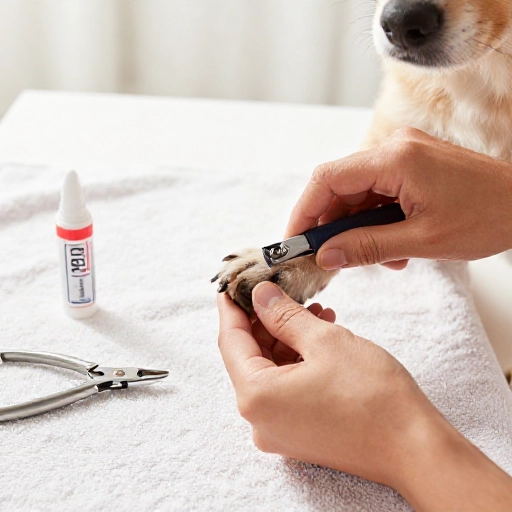
Long nails change how a dog walks, and that small change can ripple into sore joints over time. I trim a little every couple of weeks rather than waiting for the “click click click” on the floor.
While I’m down there, I check paws for cuts, cracked pads, burrs, and winter salt. A quick wipe after walks keeps irritation from building up.
If your dog hates nail trims, do one nail a day and pay generously. Slow and calm beats a wrestling match every time.
8. Do a Weight Check at Home
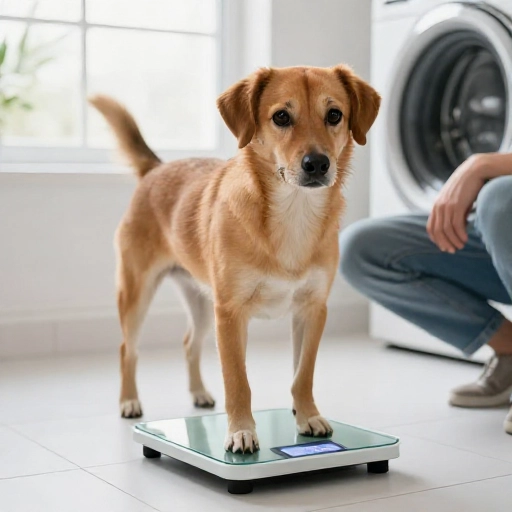
I can’t feel gradual weight gain through cuddles, so I use two simple tests. First, run your hands along the ribs — you should feel them easily under a thin layer of padding. Second, look from above; a waist should curve in behind the ribs.
I also step on the scale with my dog once a month and subtract my own weight. Tracking that number catches changes early, before they become joint strain or diabetes risk.
Keeping dogs lean is one of the most well-supported ways to add healthy years to their life. It’s worth the small effort.
9. Book That Yearly Vet Visit — Even When They Seem Fine
Dogs hide discomfort beautifully. By the time we notice limping or sluggishness, a problem may have been brewing for months.
An annual exam lets your vet catch little things: a heart murmur, a new lump, a slight weight shift, early dental trouble. For seniors, twice a year is even better.
I keep a running note on my phone of anything odd I’ve noticed — a weird cough, a changed sleeping spot, a pickier appetite — and bring it to the appointment. Vets love specific details.

10. Stay Consistent With Parasite Prevention
Fleas, ticks, heartworm, and intestinal worms don’t take winters off, and prevention is far cheaper and kinder than treatment.
I set a monthly phone reminder so I never miss a dose, and I keep the packaging so I know exactly what my dogs are on and when they last had it.
Ask your vet which products fit your region and your dog’s lifestyle. A dog who hikes in tall grass has different risks than a city apartment pup.
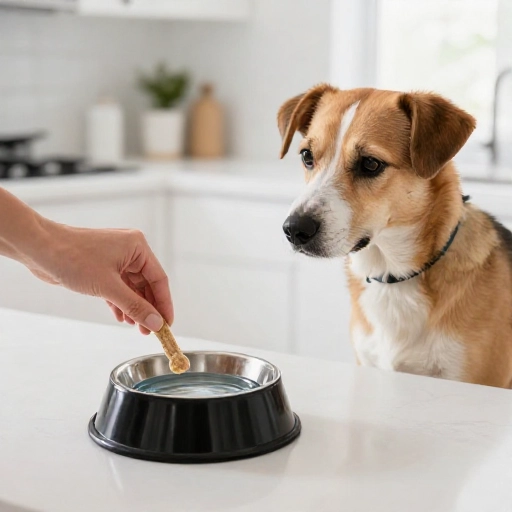
11. Turn Grooming Into a Health Check
Brushing isn’t just about a shiny coat. It’s my chance to run my hands over my dog’s whole body and notice anything new — lumps, scabs, tenderness, or a spot they don’t want touched.
I brush a few minutes most days, check ears for redness or odor, and peek at eyes for discharge. It’s become a nice bonding ritual rather than a chore.
Doing this regularly means I usually spot issues while they’re still small and easy to treat.
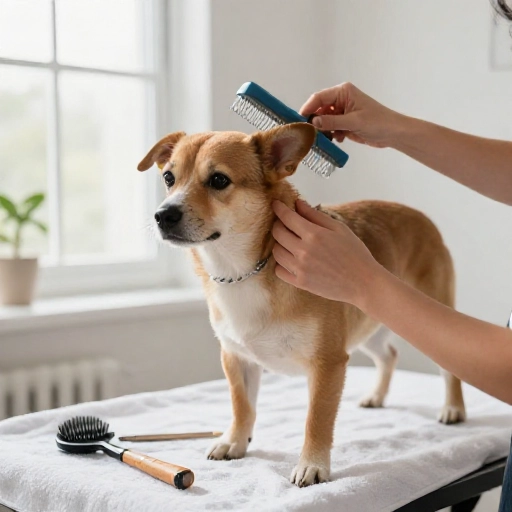
12. Keep Training Sessions Short and Frequent
A dog who understands the house rules feels safer and calmer. Five-minute training sessions — sit, stay, come, leave it — do more for wellbeing than one long weekend class.
I practice “come” in the hallway, “settle” on the couch, and polite greetings at the front door. It keeps my dogs sharp and gives us a shared language.
Mental engagement is a real health habit. Bored, under-stimulated dogs are more prone to anxiety, destructive behavior, and stress-related tummy issues.
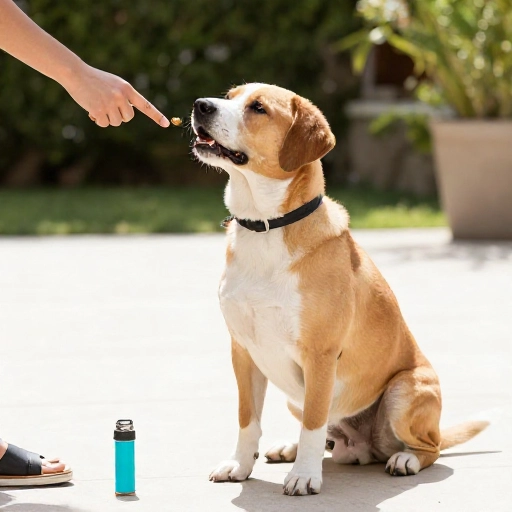
13. Learn What “Normal” Looks Like for Your Dog
This is the habit that ties everything else together. Know your dog’s typical appetite, energy level, bathroom habits, gum color, and resting breathing rate.
When you know their baseline, you’ll notice changes fast — and fast is what matters with so many health issues. I once caught a mild urinary problem because my dog asked to go out an hour earlier than usual.
Write it down if that helps. Your normal is your dog’s early warning system.
Final Thoughts
None of these habits are glamorous. There’s no magic supplement or secret trick — just consistent, small acts of care stacked up over years.
Pick two or three to start with this week. Add water bowl washing, or a nightly toothbrush session, or a monthly weigh-in. Before long, they’ll be automatic, and your dog will be living proof that everyday habits build lifelong health.
FAQ: Dog Health Habits
How often should my dog see the vet?
Once a year for healthy adult dogs, twice a year once they hit senior age (usually around seven, earlier for large breeds). Puppies and dogs with ongoing conditions need more frequent visits.
How much exercise does my dog actually need?
It depends on breed, age, and health. Most dogs do well with 30 to 60 minutes of activity daily, split into a couple of sessions. High-energy breeds need more; seniors and flat-faced breeds need gentler, shorter outings.
Do I really need to brush my dog’s teeth?
Yes — it’s one of the highest-value habits you can build. Daily brushing is ideal, but three to four times a week still makes a big difference. Dental chews help between brushes but aren’t a full substitute.
How can I tell if my dog is at a healthy weight?
You should feel the ribs easily without pressing, see a waist from above, and notice a slight tuck from the side. If you can’t feel ribs, or they’re sharply visible, check in with your vet.
Is grain-free food healthier for dogs?
Not automatically. True grain allergies are rare, and some grain-free diets have been linked to heart concerns. Choose a food that suits your dog’s needs and talk to your vet before making big diet changes.