The Best Time of Day to Bring a New Puppy Home (Morning Wins, But Here’s the Full Story)
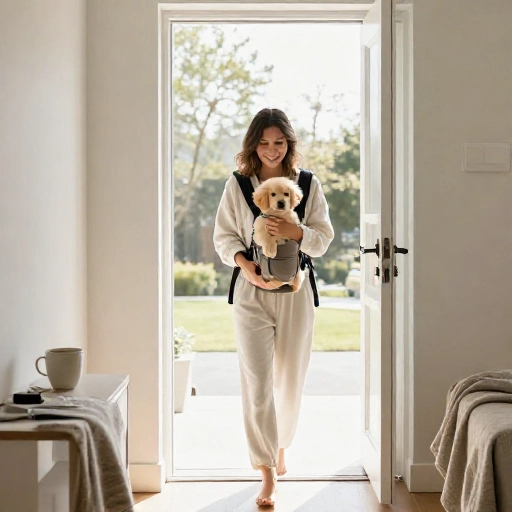
Bringing a new puppy home feels like Christmas morning and a rollercoaster at the same time. I still remember the first time I drove home with a tiny Labrador in my lap—she slept the whole way, then woke up in a brand-new world and had no idea what to do with herself.
That first day sets the tone for everything. The time you choose isn’t just about convenience. It affects how safe your puppy feels, how they sleep that night, and how quickly they settle into your routine.
After raising a few puppies and helping friends pick up theirs, I’ve learned that the best time of day to bring a new puppy home is usually mid-morning. But there are exceptions. Let’s walk through it so you can pick the right window for your situation.
1. Why Morning Is Usually the Best Time to Bring a New Puppy Home
Morning gives your puppy a full day of daylight to explore, potty, and get used to your home before the scary nighttime arrives. That’s huge. Puppies are naturally more alert and curious in the morning, so they’re more likely to warm up to you instead of hiding under the couch.
You also have more energy in the morning. I know I do. You can handle accidents, whining, and the endless “what do I do now?” moments without feeling drained.
Plus, a morning pickup means you can feed your puppy lunch, take them out several times, and still have a calm evening routine. That first night goes much smoother when they’ve already learned where the potty spot is.
2. The Sweet Spot: Mid-Morning to Early Afternoon
If you can’t do a crack-of-dawn pickup, aim for 10 a.m. to 2 p.m. This window misses the morning rush and gives you plenty of daylight to settle in.
I’ve found that puppies picked up in this window tend to be more relaxed by evening. They’ve had a few hours to sniff around, take a nap, and realize you’re not a scary stranger.
- 10 a.m. to noon: ideal for young puppies who nap a lot.
- Noon to 2 p.m.: good if you need to prep your house first.
- After 3 p.m.: starts to get risky—your puppy may be overtired and overstimulated.
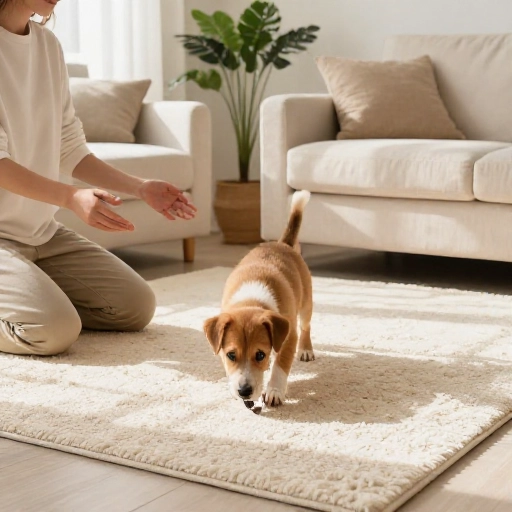
3. Why Late Evening Is the Worst Time (And What to Do If You Have No Choice)
Picking up a puppy at 8 p.m. or later is like bringing a toddler home after a long day at Disneyland. They’re exhausted, confused, and everything is new. You’re tired too. That combo often leads to a rough first night with lots of crying and potty accidents.
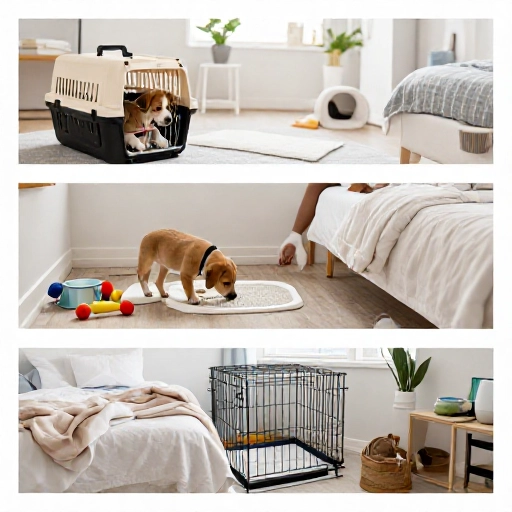
If you truly can’t avoid a late pickup, make it as boring as possible. Keep the lights low. Skip the big family greeting. Take your puppy straight to a quiet room with a crate, a potty pad, and a soft blanket.
Don’t try to play or train. Just let them decompress. You can start the fun stuff tomorrow morning when everyone’s fresh.
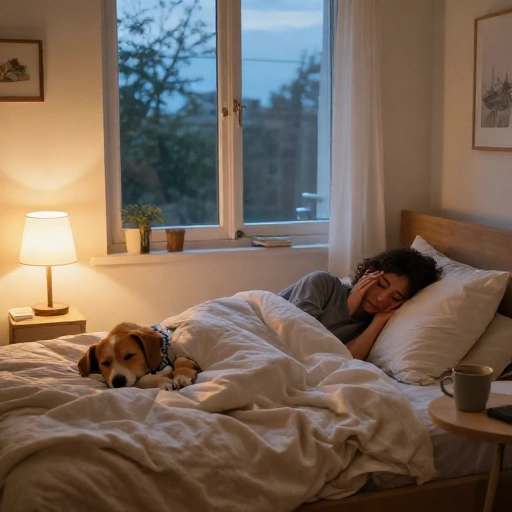
4. Match the Pickup Time to Your Puppy’s Age and Energy
An 8-week-old puppy is not the same as a 14-week-old. Younger puppies need more sleep and more frequent potty breaks. They also get overwhelmed faster.
For a very young puppy, I’d pick a mid-morning time so they have the afternoon to nap and adjust. For an older puppy who’s already had some crate training, a slightly later pickup might be fine.
Always ask the breeder or shelter when your puppy last ate, napped, and went potty. That info helps you plan the perfect arrival time.
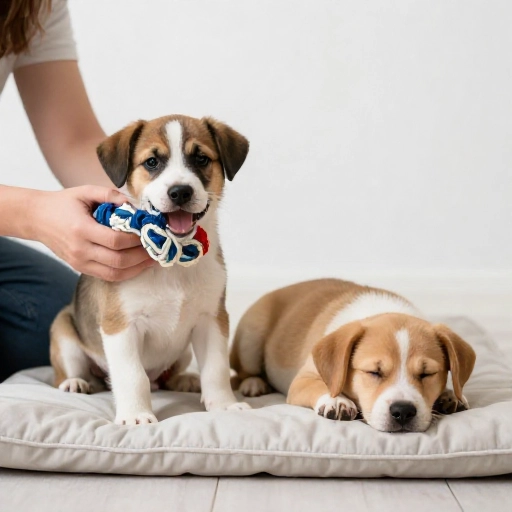
5. Factor in Travel Time Before You Set the Pickup Hour
If you have a two-hour drive to pick up your puppy, don’t schedule the pickup for 3 p.m. You’ll get home at 5:30, and the evening chaos begins. Instead, start earlier so you’re home by early afternoon.
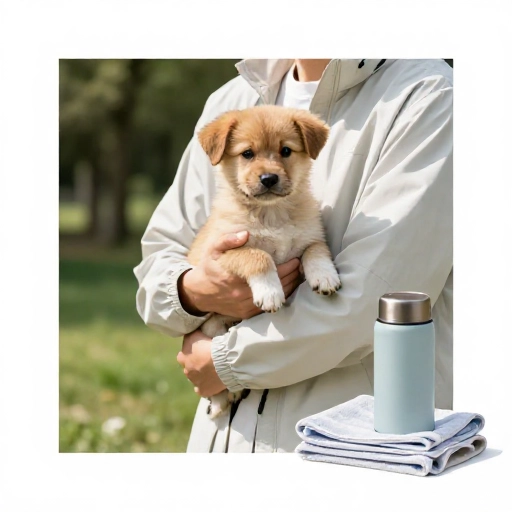
Long car rides can make puppies carsick or anxious. Bring a crate, old towels, and a water bowl. I also keep a roll of paper towels in the car—trust me on that one.
The goal is to arrive home with enough daylight left for a potty break and a calm introduction to the house.
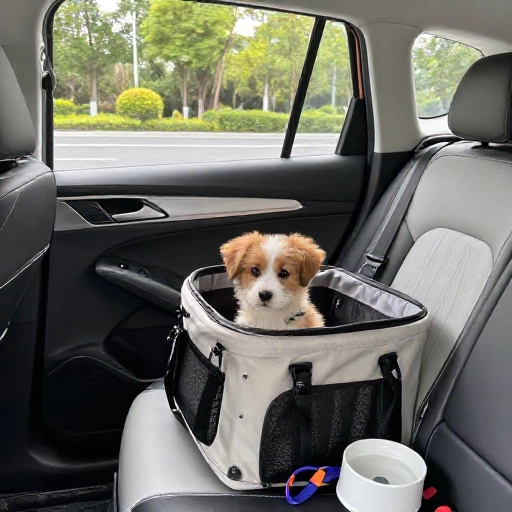
6. Consider the Weather and Temperature
Weather can make or break your pickup time. A hot summer afternoon is not the time to bring a young puppy home. They can overheat quickly, and the pavement can burn their paws.
On the flip side, a freezing winter morning might be too cold for a tiny puppy. Aim for the mildest part of the day.
If it’s raining, have towels ready at the door. If it’s windy, keep the carrier covered. Small adjustments make a big difference for a puppy’s first impressions.
7. Align Pickup With Mealtime and Potty Breaks
Ask the breeder when your puppy’s next meal is due. Ideally, you want to bring them home before a meal so you can feed them on your schedule and then take them straight to the potty spot.
Don’t bring a puppy home right after a big meal if you have a long drive. Carsickness plus a full belly equals a mess.
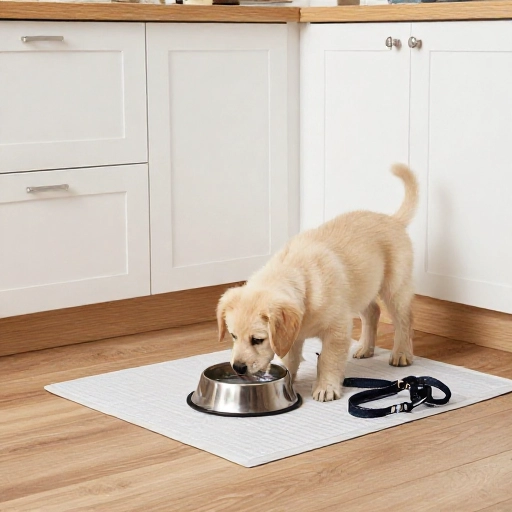
Before you leave, set up your potty area at home. Have the same type of surface you want them to use—grass, pee pads, gravel. That consistency helps them learn faster.
8. Your Own Schedule Matters More Than You Think
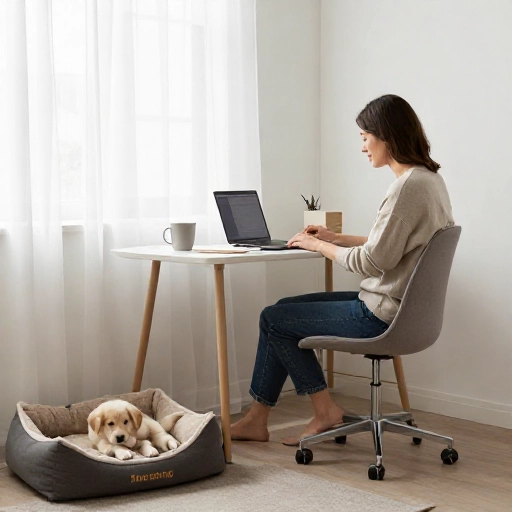
The best time of day is also the time when you can be fully present. If you work from home, a morning pickup is perfect because you can take breaks for potty and play.
If you work outside the home, don’t bring a puppy home and then leave for eight hours. That’s a recipe for anxiety and bad habits. Take at least one or two days off.
I always recommend a Friday pickup if you have the weekend free. That gives you three full days of bonding before real life kicks in.
9. What About Kids, Other Pets, and Household Chaos?
Bring your puppy home when your house is calm. If your kids come home from school at 3 p.m. and the house explodes with noise, that’s not the moment to introduce a nervous puppy.
Morning or early afternoon works better. You can let the puppy explore quietly before the after-school rush.
If you have other pets, introduce them one at a time. Keep the first meeting short and supervised. A calm environment helps everyone feel safe.

10. The First 24 Hours: A Simple Timeline After You Arrive
Once you’re home, keep things simple. Here’s a loose timeline I’ve used that works well.
- First 30 minutes: Take your puppy to the potty spot. Then let them explore one small, safe room.
- Next 2 hours: Offer water. Let them nap in their crate with the door open.
- Evening: Feed a small meal. Potty break. Gentle play. Potty break again.
- Bedtime: Same quiet routine. Crate near your bed if possible.
Don’t expect perfection. The first day is about safety and comfort, not obedience. You’ll have plenty of time for training later.
Conclusion: Pick the Time That Sets Your Puppy Up for Success
If you can, bring your new puppy home in the morning or early afternoon. That gives them daylight to adjust, time to potty, and a calmer first night. Avoid late evenings unless you have no choice.
Also consider travel time, weather, your puppy’s age, and your own schedule. The “best” time is really the time when you can be patient, present, and calm.
Trust your gut. Your puppy will tell you what they need. And remember: the first day is just the beginning of a beautiful adventure.
FAQ: Bringing a New Puppy Home
Is it okay to bring a puppy home at night?
It’s not ideal. Nighttime can make them anxious. If you must, keep things low-key, use a quiet room, and skip any big introductions until morning.
How soon should I feed my puppy after bringing them home?
Wait about an hour or two. Offer a small meal, then take them straight to the potty spot. Don’t overfeed if they seem stressed.
Should I take time off work when bringing a new puppy home?
Yes, if you can. The first few days are crucial for bonding and routine. At least take the day of pickup off.
What if I have a long drive to pick up my puppy?
Start early. Bring a crate, towels, and water. Take breaks every two hours for potty and stretching.
Can I bring my puppy home in the morning and go to work the same day?
No, that’s not a good idea. They need you there to help them feel safe. Take at least the full day off.