How to Clicker Train 2 Dogs Without the Chaos: 10 Calm, Practical Steps That Actually Work
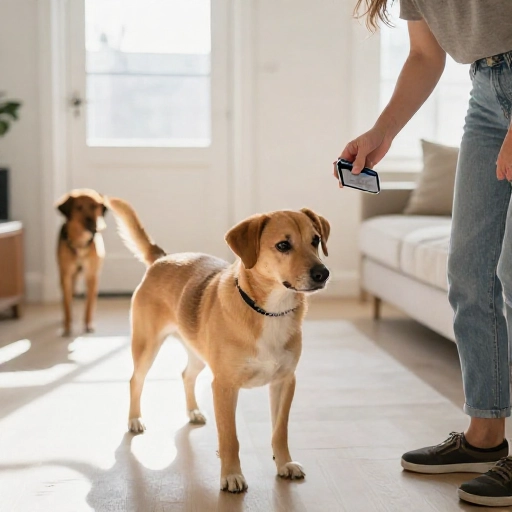
I used to think clicker training two dogs meant double the treats, double the barking, and zero focus. My kitchen turned into a furry stampede every time I picked up a clicker. One dog would sit, the other would spin, and I’d just stand there holding a treat like a confused referee.
Then I stopped trying to train them like one dog. Two dogs need two plans, clear turns, and a whole lot of calm. The good news? You don’t need a trainer’s degree or a bigger house. You just need a smarter setup.
These are the 10 things that finally made clicker training with two dogs feel doable. Short sessions, smart gear, and no chaos.
Start With Solo Sessions in Separate Spaces
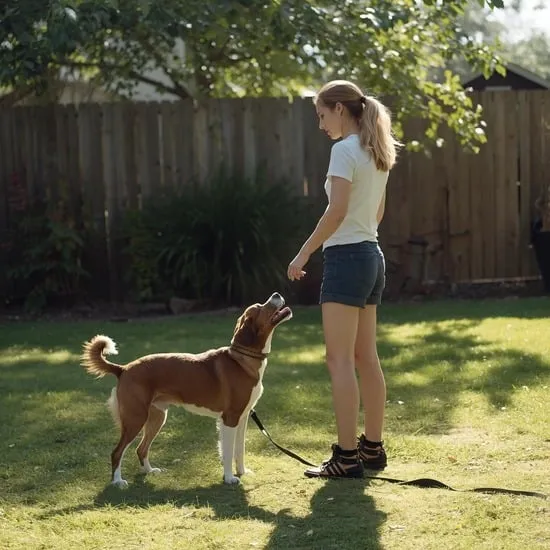
Before you ever put both dogs in the same room with a clicker, train each dog alone. I used my bedroom for one dog and the hallway for the other. Different rooms, same rules.
Solo sessions teach each dog that the click means “yes, that exact thing.” They learn to focus on you, not on what the other dog is doing. That focus is everything later.
Keep these first sessions super short—two minutes max. End while both of you are still having fun. Once each dog can do a few basics alone, you’re ready to add the other dog back in.
Use Separate Clickers or a Marker Word for Each Dog
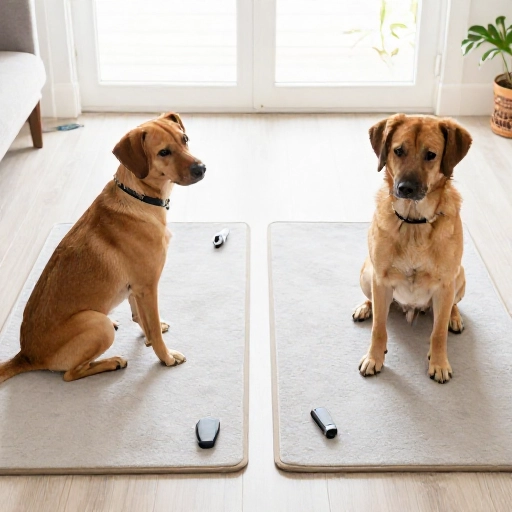
One clicker for two dogs can get messy fast. If both dogs hear the click, both think they earned a treat. I use two clickers with different sounds—one loud click, one soft click—so each dog knows exactly who is being marked.
If two clickers feel like too much, give one dog the clicker and the other a verbal marker like “yes!” Just keep it consistent. The marker always means a reward is coming for that specific dog.
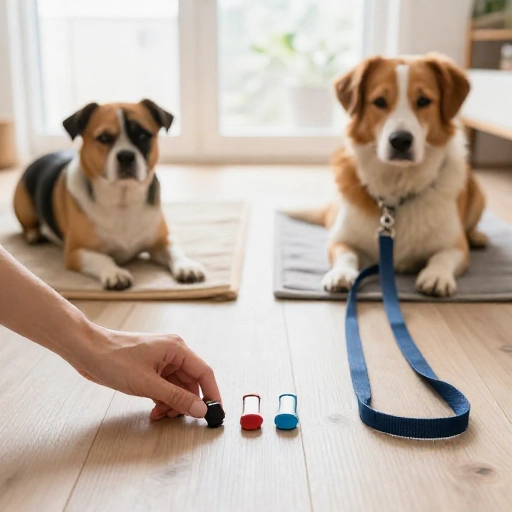
Color-code your gear if you can. A blue leash and blue clicker for one dog, red for the other. Your brain will thank you when things get busy.
Teach “Go to Mat” Before You Train Together
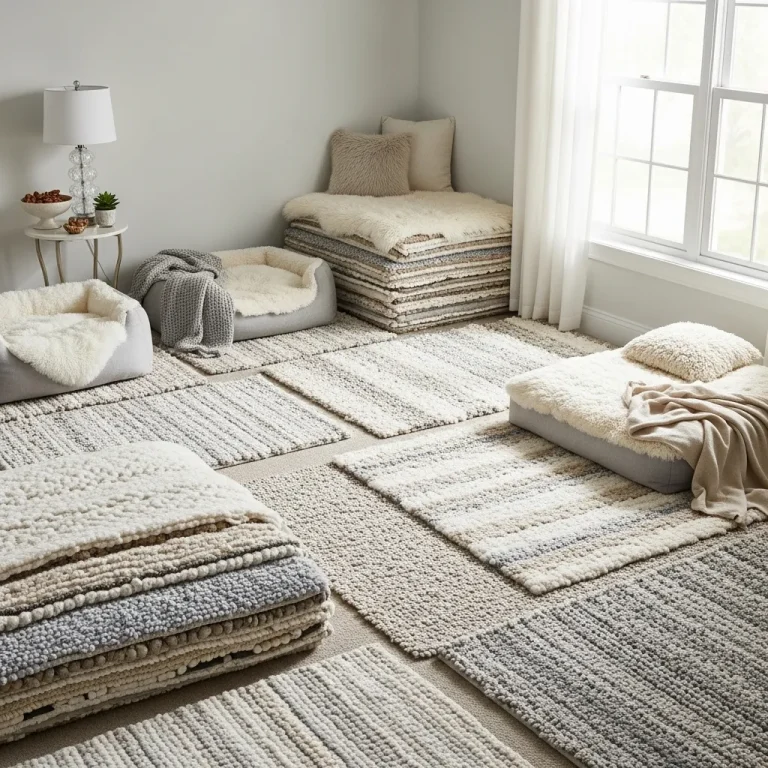
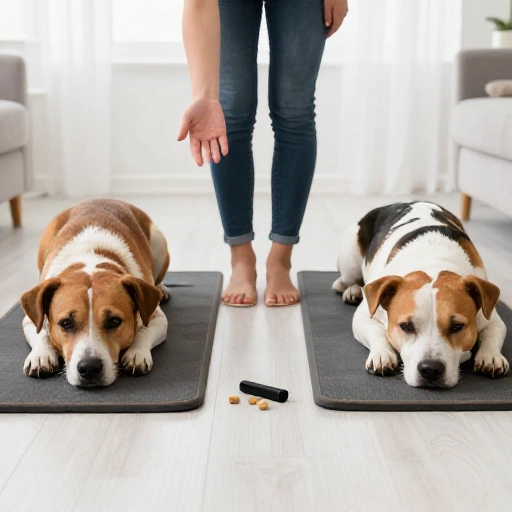
The mat is your secret weapon. It gives each dog a home base during the other dog’s turn. I taught “go to mat” separately first, rewarding any pause on the mat.
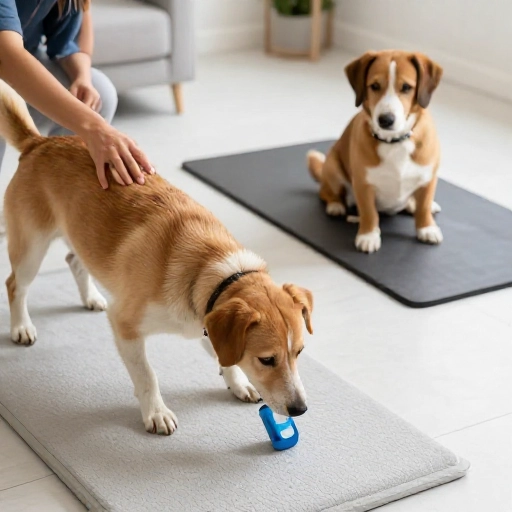
Once both dogs know it, I put one dog on a mat with a chew while I train the other. The working dog gets clicks and treats. The waiting dog gets paid for staying put.
This one skill prevents crowding, treat stealing, and the dreaded “why is she getting treats?” meltdown. It’s not a stay—it’s a chill zone with a paycheck.
Reward Quietly and Deliver Treats With Precision
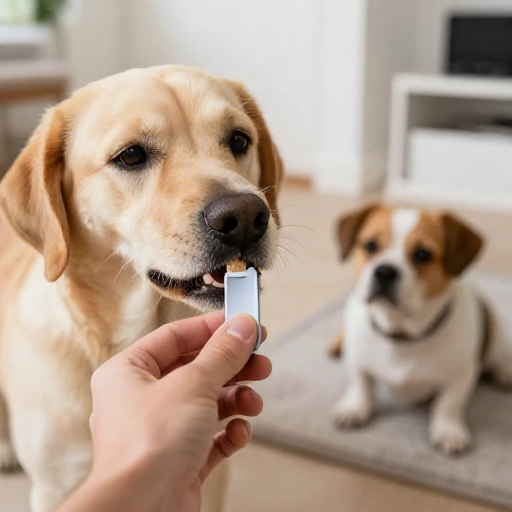
Tossing a handful of treats on the floor is an invitation for chaos. Instead, hand-deliver or toss each treat directly to the dog who earned it.
I keep two treat pouches—one on each hip—so I never fumble. When I click Dog A, Dog A gets the treat. If Dog B is waiting nicely on the mat, I might quietly drop a treat there too.
The goal is calm, not crazy. Slow hands, soft voice, and separate rewards keep the energy low and the learning high.
Alternate Turns With a Predictable Routine
Dogs love a pattern. I say, “Rover’s turn!” then train for 2–3 minutes. Then I say, “Scout’s turn!” and switch. Same order, same words, every time.
The waiting dog learns that their turn is coming. That reduces whining, pushing, and trying to cut in line.
If one dog gets frustrated, I shorten the turns. Thirty seconds of focused work is better than three minutes of fuzzy brains. You can always do more later.
Use Baby Gates and Barriers Without Guilt
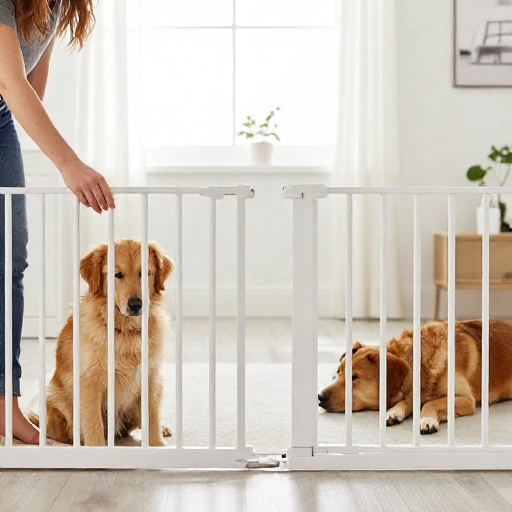
A baby gate is not a punishment. It’s a training tool that lets both dogs succeed. I started with one dog on each side of the gate, far enough apart to think.
I’d click and reward calm behavior—looking at me, sitting, or lying down. The gate kept everyone safe and stopped the “I want that treat” stampede.
Over time, I moved the gate farther away or removed it for short bursts. Barriers buy you focus. Use them as long as you need.
Train Different Skills in Different Spots
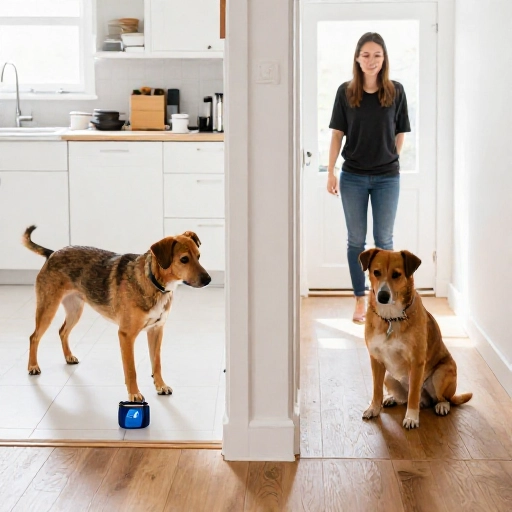
Two dogs in the same spot can trigger competition. I taught one dog to sit-stay in the kitchen and the other to target a hand in the living room.
Different locations gave each dog a mental map: “This is where I work on my thing.” It also gave me a break from refereeing.
Once each skill was solid, I mixed locations. But starting separate made the together sessions way smoother.
Capture Calm and Give It a Name
The best multi-dog skill is doing nothing together. When both dogs were lying down and not bugging each other, I’d click and treat one, then the other.
I called it “settle.” Now when I say “settle,” they both know the goal is calm, not action.
This is huge for real life. Doorbell rings? Settle. Dinner prep? Settle. It turns chaos into a cue for quiet.
Practice “One Works, One Waits” Every Single Day
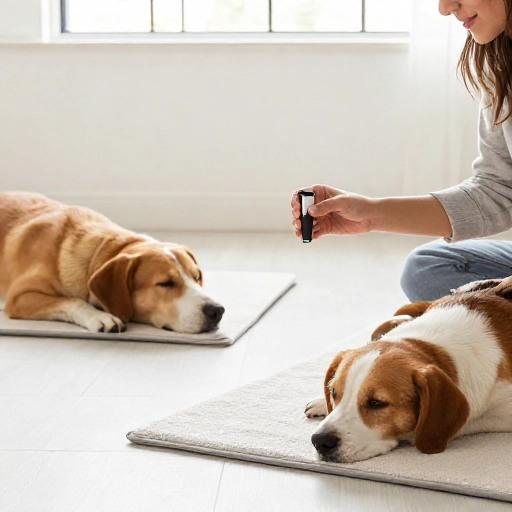
This is the core of clicker training two dogs. One dog works while the other waits on a mat or behind a gate. Then we switch.
I started with 10 seconds of waiting. Then 30 seconds. Then a full minute. I rewarded the waiting dog for staying calm, even if they just blinked slowly.
If the waiting dog breaks, I gently reset them. No yelling, no drama. Just guide them back and make the next repetition easier.
End on a Win and Reset the Space
I always stop before things fall apart. One last easy click, one last happy treat, and we’re done.
Then I reset the space: clickers away, mats picked up, treats put out of reach. If the dogs need a break from each other, I give it.
A calm ending makes them want to play the game again tomorrow. That’s how you build long-term focus without burning out.
Final Thoughts
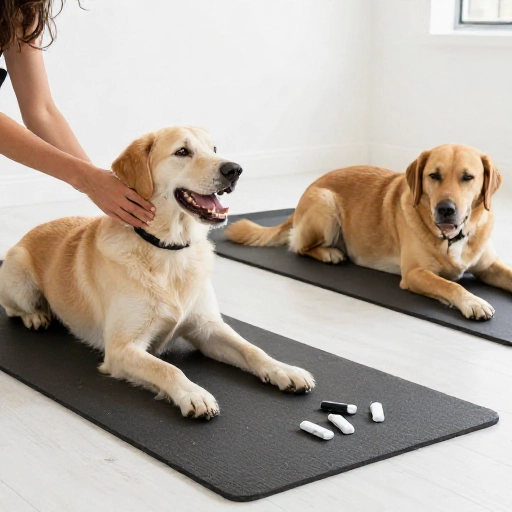
Training two dogs with a clicker isn’t about being a superhero. It’s about setting up small wins. Separate sessions, clear markers, mats, and short turns.
You’ll still have messy days. But you’ll also have moments where both dogs look at you, calm and ready. That’s the magic. Keep it simple, keep it kind, and keep going.
FAQ
Q: Can I use the same clicker for both dogs?
A: You can, but it’s harder. Each dog needs to know when the click is for them. If you use one clicker, say the dog’s name first or train one dog at a time until they understand the system.
Q: What if one dog steals the other dog’s treats?
A: Prevent it with mats, gates, or separate rooms. Deliver treats directly to the dog who earned them. If stealing happens, reset the setup—don’t just correct the dog.
Q: How long until my dogs can train together?
A: It depends on the dogs. Some get it in a week; others need months. Start with 10-second turns and build slowly. If either dog can’t focus, go back to separate sessions.
Q: Do I really need two clickers?
A: No, but it helps. A different clicker or a marker word for each dog makes it clear who earned the reward. Use whatever keeps your brain and your dogs calm.
Q: What if one dog is more food-motivated?
A: Use higher-value treats for the less motivated dog, and lower-value treats for the food-crazy one. Also reward the waiting dog for calm behavior—not just the working dog.