Seven Goals for Your Puppy’s First Week Home (Plus 3 Bonus Habits That Make It Easier)
Bringing a new puppy home feels like a mix of confetti and chaos. I still remember the first night with my puppy — the tiny whimpers, the midnight potty run, the way I second-guessed every decision. The first week isn’t about teaching every command or being perfect. It’s about creating safety, trust, and a rhythm your puppy can count on.
Below are seven goals I focus on during that first week, plus three bonus habits that make everything smoother. Keep things small. If you only get through half of this list, you’re still doing a wonderful job.
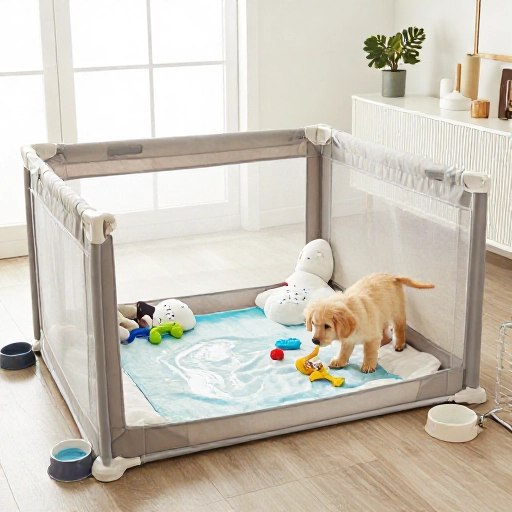
1. Goal One: Set Up a Safe “Puppy Zone” Before Anything Else
Before your puppy explores the whole house, create one small, safe area. A playpen, crate, or baby-gated corner works beautifully. This is where your puppy can decompress without getting into trouble.
Remove wires, shoes, small objects, toxic plants, and anything chewable that shouldn’t be chewed. Add a soft bed, water bowl, a couple of safe toys, and pee pads if you’re using them. Keep this zone near where you spend most of your time so your puppy doesn’t feel alone.
This tiny home base becomes their calm spot. It prevents accidents, reduces overwhelm, and gives you a place to breathe. In the first week, safety is the kindest gift you can give.
2. Goal Two: Start a Gentle Potty Routine from Day One
Potty training in the first week is less about perfection and more about pattern-building. Take your puppy out every 30 to 60 minutes, and always after waking, eating, playing, and napping.
Go to the same spot each time. Stand quietly, praise softly when they go, and then head back inside. If there’s an accident, don’t scold. Clean it with an enzyme cleaner so the spot doesn’t smell like a bathroom invitation.
Your puppy is learning what you want, one tiny trip outside at a time. Patience now saves a lot of frustration later.
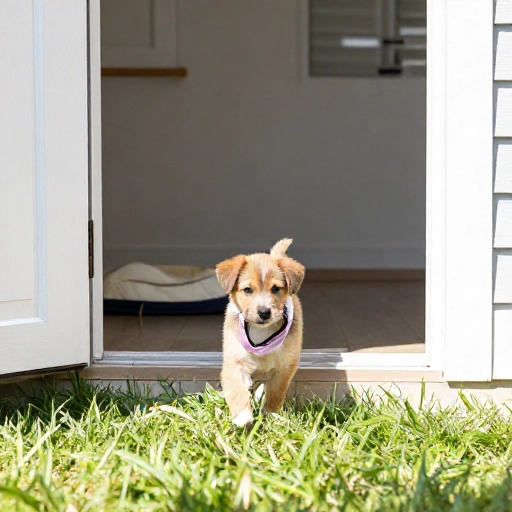
3. Goal Three: Make the Crate Feel Like a Cozy Den, Not a Jail
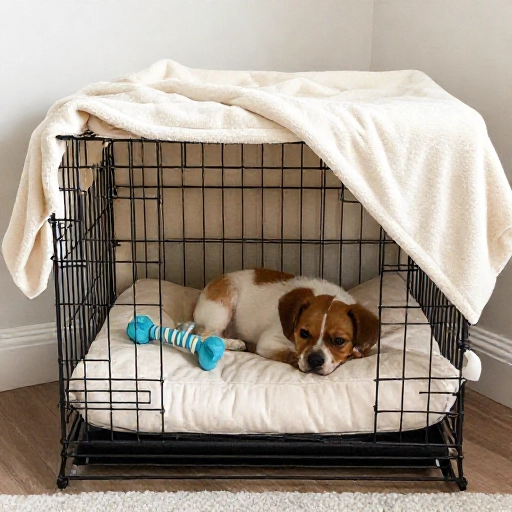
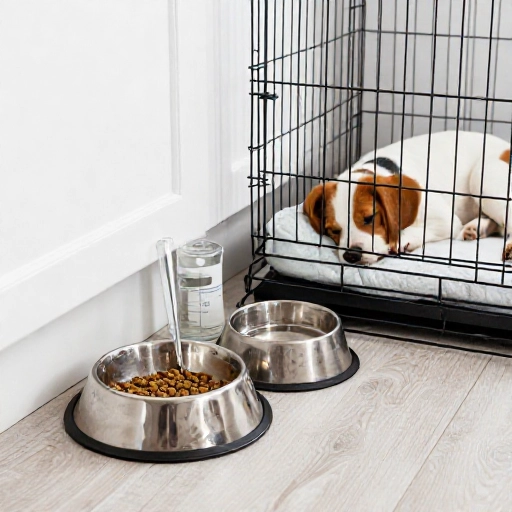
Crate training works best when the crate feels like a safe little bedroom. Feed meals near the crate, toss treats inside, and leave the door open during the day so your puppy can wander in and out.
Start with very short closed-door sessions — just a few seconds — and build up slowly. Put a blanket over part of the crate to make it darker and cozier. Never use the crate for punishment or time-outs that feel scary.
The goal isn’t to lock your puppy away. It’s to help them choose the crate for naps and quiet time. When that happens, everyone gets more rest.
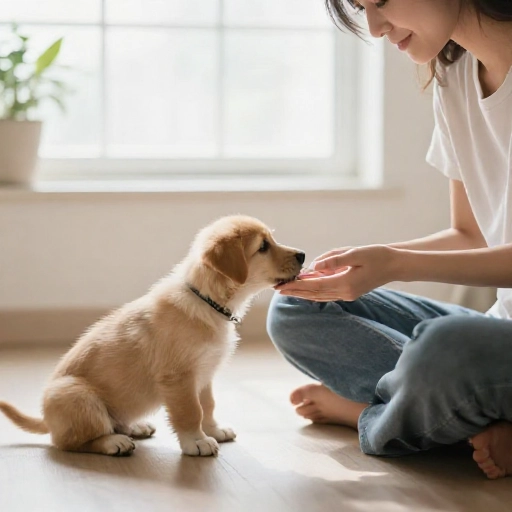
4. Goal Four: Build Trust With Slow, Quiet Bonding
It’s tempting to invite everyone over to meet the puppy. But in the first week, less is more. Sit on the floor, speak gently, and let your puppy come to you. That simple choice builds trust fast.
Use soft touch and a calm voice. Offer treats when your puppy looks at you or stays near you. Keep visitors to one or two calm people at a time, and don’t pass the puppy around like a party favor.
Bonding isn’t about constant cuddles. It’s about your puppy learning that you are safe, predictable, and worth following. Those quiet moments matter more than big adventures.
5. Goal Five: Put Feeding and Sleep on a Simple Loop
Puppies thrive on routine. Feed at the same times each day — usually three to four small meals for young puppies — and take them out to potty right after. Then offer play, then a nap.
Overtired puppies bite, whine, and zoom around like tiny sharks. If your puppy gets wild, it often means they need sleep, not more play. Guide them to their crate or pen for a nap.
A tired puppy is a good puppy. A simple eat-potty-play-sleep loop can transform your first week from chaos to calm.
6. Goal Six: Begin Socialization Without Overwhelming
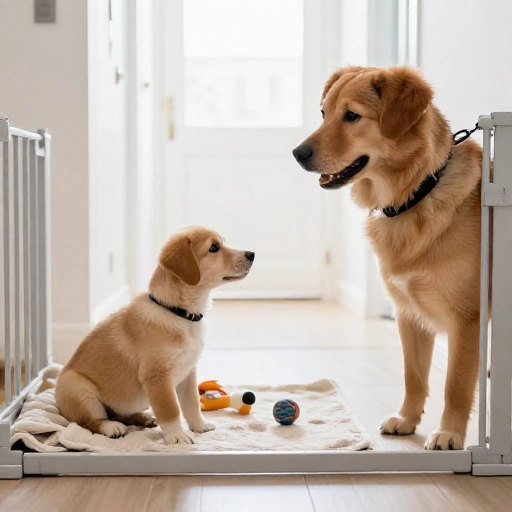
Socialization doesn’t mean taking your puppy to a crowded dog park. It means gently introducing new sights, sounds, surfaces, and safe people. Keep every session short and positive.
If your puppy isn’t fully vaccinated, carry them in a carrier or your arms to hear traffic, see strollers, and watch the world from a safe distance. Let them sniff different textures at home, like carpet, tile, grass, and cardboard.
Watch your puppy’s body language. If they freeze, tuck their tail, or try to hide, stop and give space. Good socialization is not a party. It’s a gentle introduction to a big world.
7. Goal Seven: Book the First Vet Visit and Track Health
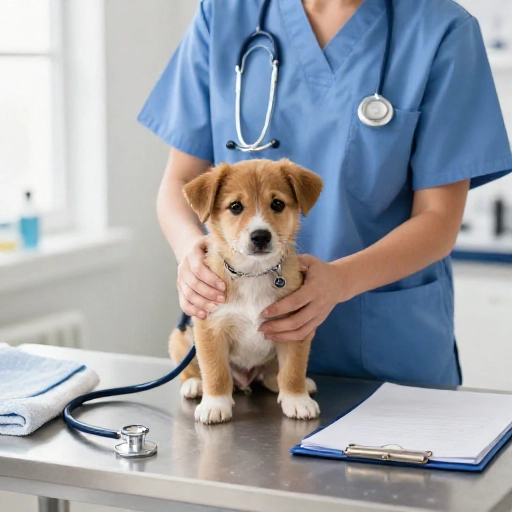
Schedule a vet visit within the first few days of bringing your puppy home. Bring any records from the breeder or shelter, and ask about food, vaccines, deworming, and flea prevention.
Start a simple health log. Note eating, drinking, potty habits, energy level, and anything unusual. Watch for vomiting, diarrhea, coughing, lethargy, or not eating — those are signs to call your vet.
Your vet is your partner in that first week. A quick check can catch small issues before they become big ones. It also gives you a trusted person to ask all your nervous new-puppy questions.
8. Bonus Habit: Puppy-Proof Like a Hawk — Again
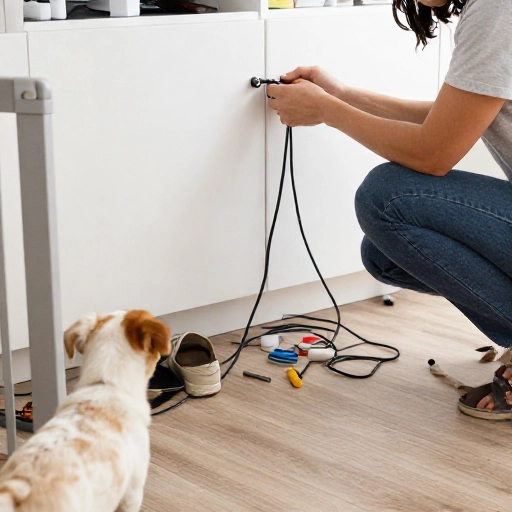
You probably puppy-proofed before your puppy arrived. Now do it again, but get on the floor and look at the room from your puppy’s height. You’ll spot cords, trash, dropped pills, and tiny toys you missed.
Secure bins, block stairs, hide chocolate, xylitol gum, grapes, onions, and medications. Use baby gates to limit access. Keep toilet lids down and pantry doors closed.
Prevention beats an emergency vet visit every single time. A few minutes of scanning each room can save you a world of worry.
9. Bonus Habit: Teach Name Recognition and a Soft “Come”
You can start tiny lessons in the first week without formal training. Say your puppy’s name in a happy voice, and when they look at you, give a treat. Repeat just five times, then stop.
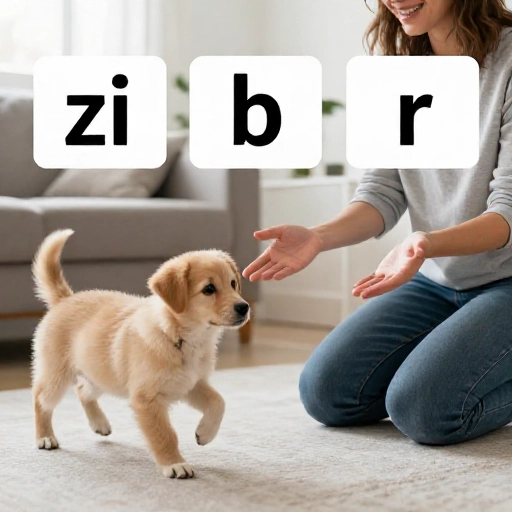
Next, practice a soft “come” from a few feet away. Kneel down, open your arms, and reward your puppy for moving toward you. Never call your puppy to punish them or do something unpleasant.
These micro-lessons build communication and make your puppy want to check in with you. It’s amazing how much you can teach with a few treats and a happy voice.
10. Bonus Habit: Protect Your Own Energy and Ask for Help
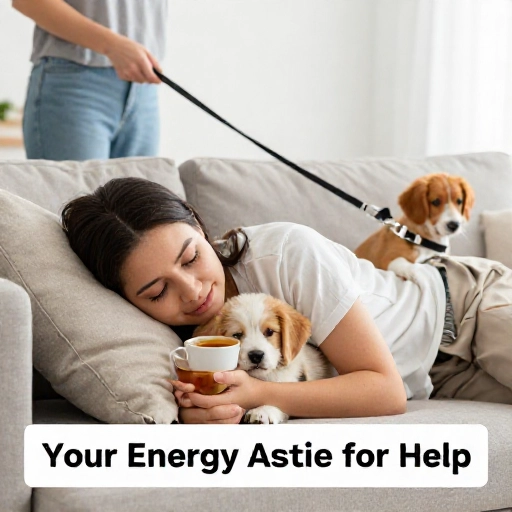
The first week with a puppy is exhausting. I learned to take shifts with my family, sleep when the puppy slept, and prep easy meals ahead of time. You cannot pour from an empty cup.
Lower your expectations for your home, your schedule, and your patience. Ask a friend, family member, or trusted dog sitter to watch the puppy for an hour so you can nap or shower.
A calm owner helps create a calm puppy. Taking care of yourself isn’t selfish — it’s part of caring for your new best friend. You’ve got this, one small routine at a time.
Conclusion: Your Only Real Goal Is Progress, Not Perfection
Your puppy’s first week home is a blur of pee pads, tiny teeth, and a whole lot of learning for both of you. You don’t need to nail every goal perfectly. Focus on safety, routine, and gentle trust.
If you only set up a puppy zone, start potty breaks, and book the vet, you’re already ahead. The rest will come with time. Celebrate the small wins, forgive the messy moments, and keep showing up with kindness.
FAQ About Your Puppy’s First Week Home
How much sleep does a puppy need in the first week?
Most young puppies need 18 to 20 hours of sleep a day. That’s a lot of napping! If your puppy gets bitey or wild, try a quiet nap in the crate or pen.
Should I let my puppy sleep in my bed the first week?
That’s a personal choice, but it can make crate training harder later. Many owners start with a crate or pen right next to the bed so the puppy can smell them and settle.
How often should I take my puppy out to potty?
Every 30 to 60 minutes during the day, plus after waking, eating, playing, and napping. Young puppies have tiny bladders and very little control.
Can I take my puppy outside for walks in the first week?
If your puppy isn’t fully vaccinated, avoid high-traffic dog areas. You can carry them outside to see and hear the world, or use a private, safe yard for potty breaks.
What if my puppy cries at night?
Night crying is normal in the first few days. Keep the crate near you, take them out for a quiet potty break, and then return them to the crate. Avoid turning it into playtime.