13 Easy Dog Grooming Tools Every Beginner Needs (You’ll Thank Me Later)
Let’s be real—when I first brought my pup home, the grooming aisle at the pet store completely overwhelmed me. Brushes for every coat type, clippers with a million attachments, and enough shampoos to open a spa. I honestly just wanted to know what was actually necessary and what was a gimmick.
After a few years of trial, error, and a very patient (and slightly grumpy) Golden Retriever, I’ve figured out the exact starter kit that makes at-home grooming a breeze. Whether you have a fluffy Pomeranian or a short-haired Beagle, this list covers the absolute basics. It’s all about making your life easier and keeping your furry best friend comfortable—without breaking the bank.
Here are the 13 dog grooming tools I genuinely can’t live without. If you’re a total newbie, this is your go-to cheat sheet.
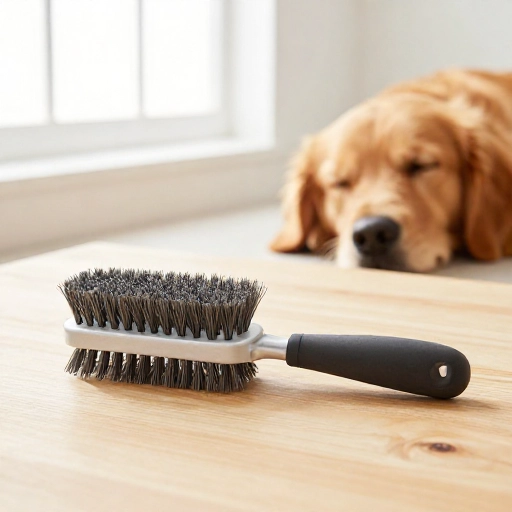
1. The Perfect Slicker Brush for Daily Detangling
This is the workhorse of the grooming world. A good slicker brush has fine, short wires that are slightly bent, making it perfect for removing loose fur, tangles, and pesky mats without scratching your dog’s skin.
I use this on my dog’s legs and tail every single day. It’s especially amazing for breeds with longer hair, but even short-haired pups benefit from the gentle massage and fur removal. Look for one with a non-slip handle and pins that have rounded tips.
Pro tip: Always brush in the direction of hair growth, and go slow around sensitive areas like the belly and ears. It should feel like a massage, not a torture session!
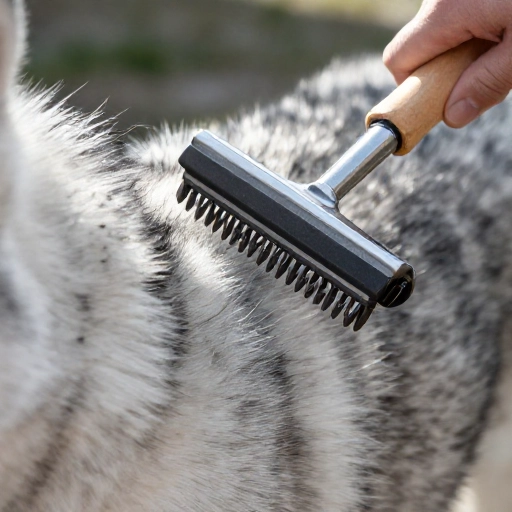
2. A Gentle Undercoat Rake for Shedding Season
If you have a double-coated dog (think Huskies, Shepherds, or Labs), this tool is a game-changer. The undercoat rake has longer, spaced-apart teeth that reach deep into that fluffy underlayer to pull out loose fur before it ends up on your sofa.
I remember the first time I used this on my dog during spring. I literally pulled out enough fur to make a second dog! It was so satisfying. It reduces shedding by like 90% and prevents painful mats from forming close to the skin.
Just be gentle—you don’t want to pull too hard on that dense undercoat. A few passes a week is all you need to keep things under control.
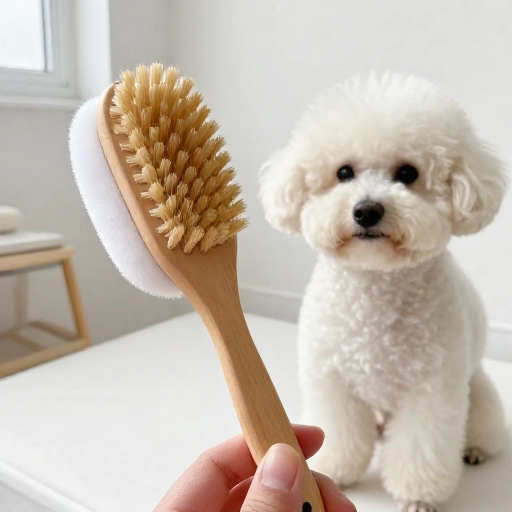
3. The Versatile Pin Brush for Fluffy Breeds
This one looks like a human hairbrush but with metal pins that have little protective balls on the tips. It’s fantastic for getting through long, silky coats and giving a nice final fluff after you’ve done the heavy lifting with the slicker.
I love using a pin brush to fluff up my dog’s mane and give him that “model” look. It doesn’t pull as much as a slicker, so it’s great for a quick touch-up or for dogs with sensitive skin. It’s also perfect for working through conditioner after a bath.
Think of this as the finishing brush—it smooths everything out and leaves the coat looking shiny and polished.
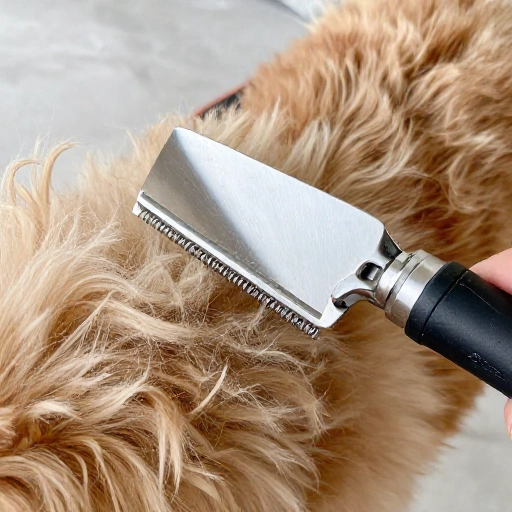
4. A De-Matting Tool for Stubborn Tangles
No matter how diligent you are, mats happen. They’re sneaky and usually appear behind the ears or under the armpits. A de-matting tool has a special blade that splits the mat horizontally, making it easier to gently pull apart the tangle without shaving your dog.
I used to panic when I found a mat, but now I just grab this tool. It saves me from having to take my dog to the groomer for a “shave down” which I really wanted to avoid. It’s a lifesaver for keeping the coat long and healthy.
It does have a blade though, so definitely keep this one out of reach of kids and use it with serious caution. It’s a precision tool, not a daily brush.
5. Nail Clippers That Don’t Make You Nervous
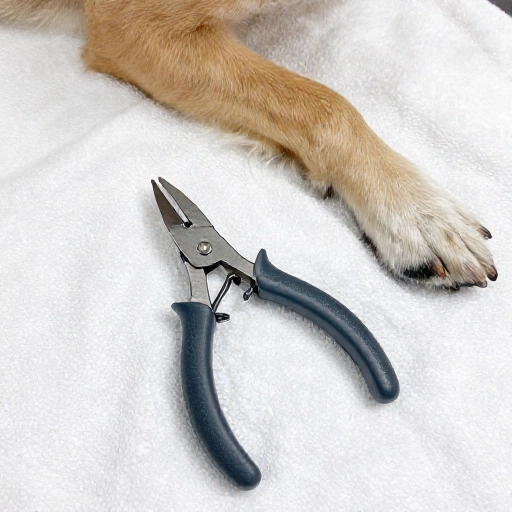
Trimming nails is the scariest task for most beginners, including me. The key is having a quality pair of clippers that give you control. I prefer the guillotine style for smaller dogs, but for my bigger guy, I use the standard plier-style scissors—they give me way more leverage.
The trick is to take small, thin slices off the tip rather than trying to do it in one big chop. This helps you avoid hitting the “quick” (the pink part inside the nail), which is painful and bleeds a lot.
If you’re really anxious, start with just one nail a day. Pair it with a high-value treat, and soon your dog will calmly offer you his paws. It’s all about building trust.
6. A Styptic Powder for Accidental Nail Bleeding
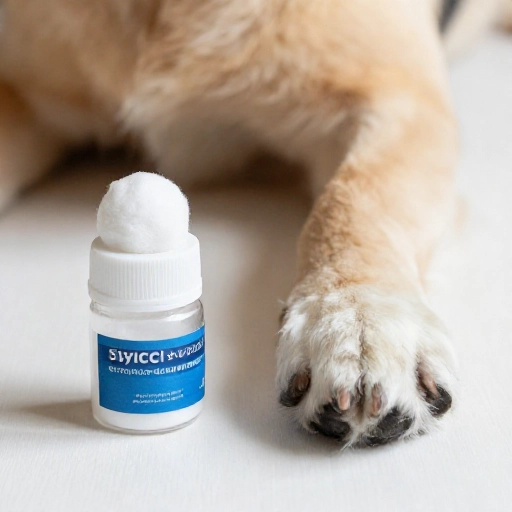
Okay, this isn’t exactly a glamorous tool, but it is a non-negotiable part of your kit. Even the pros cut the quick sometimes. Accidents happen, and when they do, you don’t want to be frantically googling “how to stop dog nail bleeding” with a yelping pup in your lap.
This powder is a clotting agent. You just dip the bleeding nail into the powder (or apply it with a damp cotton swab) and apply gentle pressure. The bleeding stops almost instantly.
It’s a tiny bottle that gives you huge peace of mind. I honestly don’t think I could clip a single nail without knowing this is in my drawer.
7. The Best Dog Shampoo for Sensitive Skin
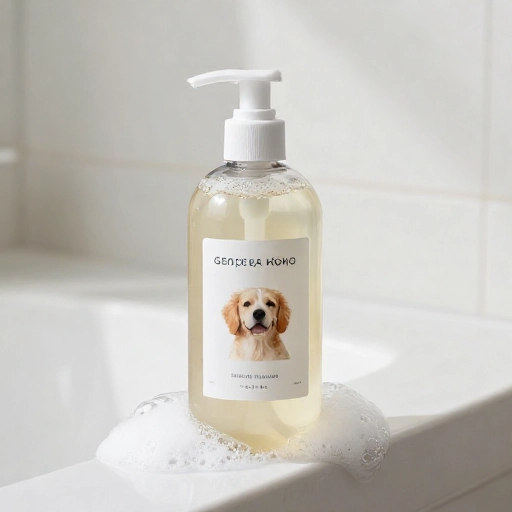
This is more of a grooming essential than a tool, but I’m including it because it’s vital. You absolutely cannot use human shampoo—our pH balance is completely different and it will dry out their skin and cause itching.
I use a gentle, oatmeal-based formula that’s specifically for sensitive skin. It lathers well, smells fresh (but not overpowering), and rinses out easily. If you have a puppy, get a tearless formula that won’t sting their eyes.
Look for something that’s free of harsh chemicals and artificial dyes. Your dog’s skin will stay healthy, and their coat will be softer and cleaner for longer.
8. A High-Velocity Blow Dryer (The Game Changer)
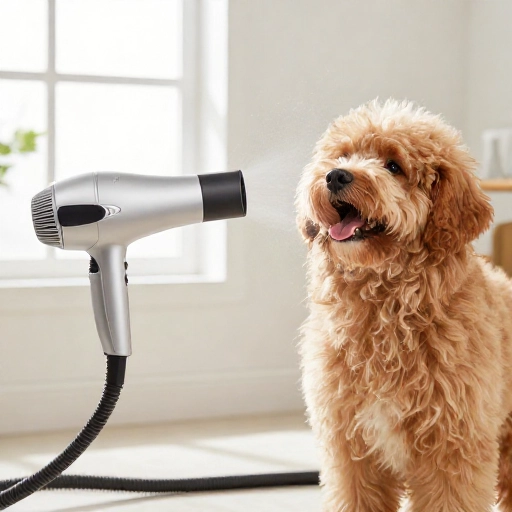
Using your own hair dryer on your dog is a terrible idea—it gets too hot too fast and takes forever. A pet-specific blow dryer, even a budget-friendly one, is a total game-changer. It blows out loose fur and dries the undercoat quickly.
I was shocked at how much faster bath time became once I invested in one. It’s powerful, but it also helps fluff the coat so you can see exactly where you might need to brush or trim next. It also helps prevent moisture from getting trapped in the undercoat, which can cause skin issues.
It’s a bit of an investment, but it saves you so much time and money compared to professional drying sessions.
9. Soft Grooming Gloves for the “Haters”
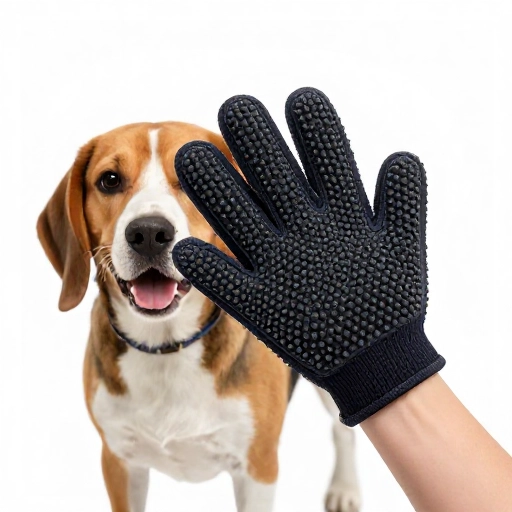
For dogs who absolutely despise being brushed, this is your secret weapon. Grooming gloves look and feel like a massage mitt. You just put them on and pet your dog like you normally would—they won’t even realize they’re being groomed.
My dog is a rescue and was terrified of traditional brushes at first. I started with these gloves and slowly introduced the regular brush. The gloves are perfect for removing loose hair from short-coated breeds and are amazing for the final “polish” on any dog.
Plus, they make bath time easier—you can use them to scrub the shampoo in and really work up a lather.
10. Ear Cleaning Solution and Cotton Pads
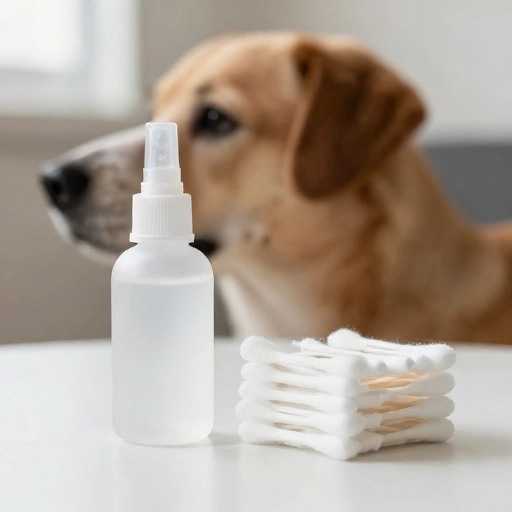
Keeping your dog’s ears clean is crucial to prevent infections, especially for floppy-eared breeds like Cocker Spaniels or Basset Hounds. You don’t need to stick anything inside their ear, just a good liquid solution and some soft cotton pads.
I soak a cotton pad with the cleaner and gently wipe the inside of the ear flap and the visible parts of the ear canal. It’s simple, quick, and makes a huge difference in their comfort. It also helps you spot any redness or dirt early on.
Never use cotton swabs (Q-tips) in their ears—you can push debris further in and damage the eardrum. Just stick to the pads.
11. A Pair of Blunt-Tipped Scissors
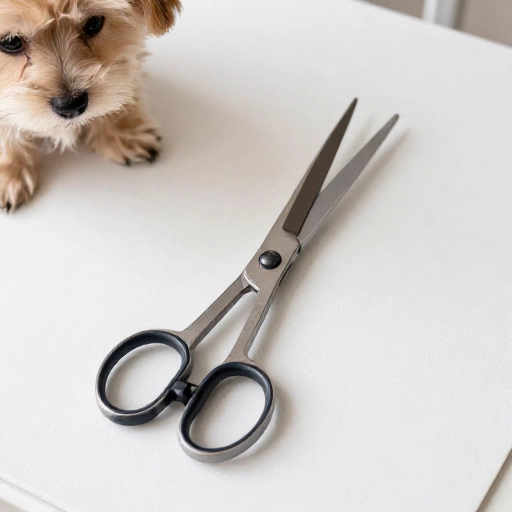
You aren’t going to be giving your dog a full haircut with these, but they are perfect for the tricky spots. The blunt tips mean that if your dog suddenly moves, you’re way less likely to accidentally poke them. I use these for trimming the hair around their paw pads and cleaning up their “sanitary” areas.
It’s also great for trimming the little tufts of hair that stick up between their toes. This helps with traction on slippery floors and keeps them from tracking in mud and debris from outside.
Keep them sharp, and only use them for the dog—using them on paper or fabric will dull the blades quickly.
12. A Rubber Curry Comb for Bath Time
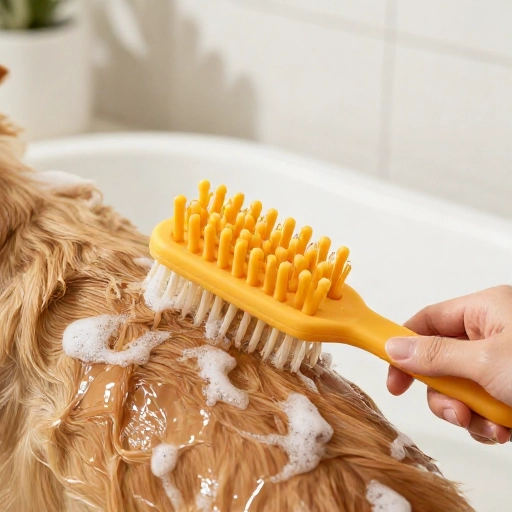
This is the modern version of the classic rubber brush. It has little nubs that are amazing for massaging the skin and lifting dirt and dander to the surface. Most of them are designed to fit in your hand, which makes bathing a lot easier.
I use this to work the shampoo into a lather and really clean the skin underneath all that fur. It also helps stimulate blood flow, which promotes a healthier coat. It’s perfect for short-haired dogs who don’t need intense brushing.
It’s also great for wiping off dust and pollen after a walk—just a quick once-over and they’re clean.
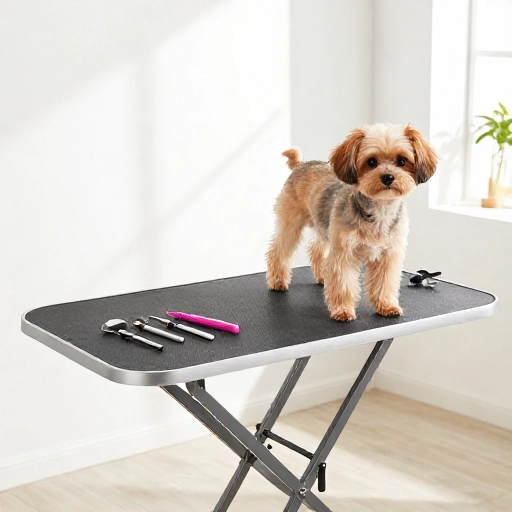
13. A Grooming Table or Non-Slip Mat
Grooming your dog on a slippery surface is stressful for them—they’re constantly trying to keep their balance. A simple rubber mat or a proper grooming table makes them feel secure and makes your job ten times easier.
If you have a small dog, a grooming table is a lifesaver for your back. If you have a big dog, a non-slip mat on the floor is a great option. It gives them a safe place to stand and lets you focus on the task at hand.
It’s not a brush or a bottle, but it’s the foundation of a good grooming session. When your dog feels secure, they’re way more likely to stand still and cooperate.
Final Thoughts: You’ve Got This!
Starting your grooming journey doesn’t have to be expensive or scary. With these 13 tools in your arsenal, you’re fully equipped to handle anything from a muddy walk to a full-blown shedding season. Remember to always go slow, use lots of treats, and keep sessions short and positive.
The bond you build during these quiet moments of care is honestly one of the best parts of having a dog. You’re not just keeping them clean—you’re showing them love, and they absolutely feel it. Happy grooming!
Frequently Asked Questions
How often should I brush my dog?
It depends on the coat. For long-haired breeds, daily is best. For short-haired breeds, once or twice a week is usually enough. During shedding season, you might want to brush more often.
What is the most important tool for a beginner?
A slicker brush is definitely the most versatile and essential tool. It works on most coat types and is the foundation for detangling and removing loose fur.
Can I use human nail clippers on my dog?
No, absolutely not. Human clippers are designed for flat nails, while dog nails are oval-shaped. You’ll likely crush the nail and cause pain. Always use proper dog nail clippers.
My dog hates getting his nails trimmed. What should I do?
Start slow! Just touch his paws regularly, then introduce the clippers without cutting. Cut one nail, give a treat, and stop. Consistency and positive reinforcement are key. Don’t force it.
How do I clean my dog’s grooming tools?
Most brushes can be washed with warm, soapy water to remove hair and oil. Disinfect them with a pet-safe spray. Scissors and clippers should be wiped clean and lightly oiled to prevent rust.