10 Indoor Cardboard Cat Houses Your Pets Will Cherish (Budget-Friendly & DIY!)
If your cat is anything like mine, they’d rather sit in a cardboard box than in a fancy pet bed. There’s something about the crinkle, the scent, and the cozy walls that makes cardboard irresistible. The good news? You don’t need to spend a fortune on cat furniture. With a few boxes, tape, and a little creativity, you can build an indoor cardboard cat house your pet will actually use.
I’ve tested quite a few DIY cat houses over the years, and I’ve learned what works (and what collapses). These 10 ideas are simple, affordable, and perfect for apartments or any indoor space. Most use recycled boxes you already have, and you can customize each one to fit your cat’s personality.
Ready to make your cat’s cardboard dreams come true? Here are my favorite indoor cardboard cat houses that your pets will cherish.
1. The Classic Multi-Level Cardboard Castle
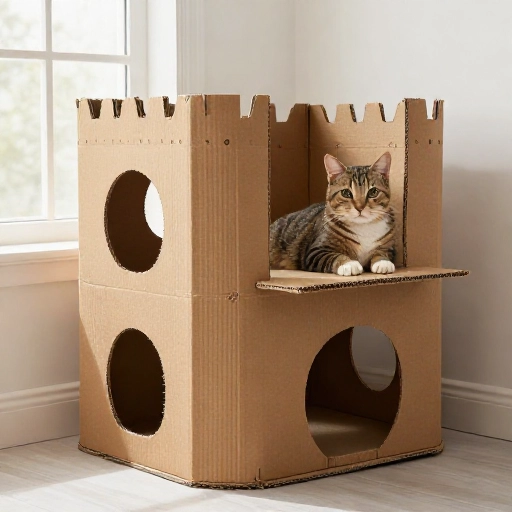
This is the ultimate starter project. I stacked three sturdy boxes of different sizes, cut round doorways between them, and taped the edges with packing tape. My cat loves jumping from the bottom level to the top like a tiny king.
To make it stable, place the largest box at the bottom and the smallest on top. Cut holes just big enough for your cat to squeeze through—about 6 to 8 inches wide for the average cat. Add a scrap of carpet or a soft towel on each level for grip and comfort.
You can also wrap the outside with contact paper or leave it plain. Cats don’t care about looks; they care about hiding spots and height. This castle gives them both.
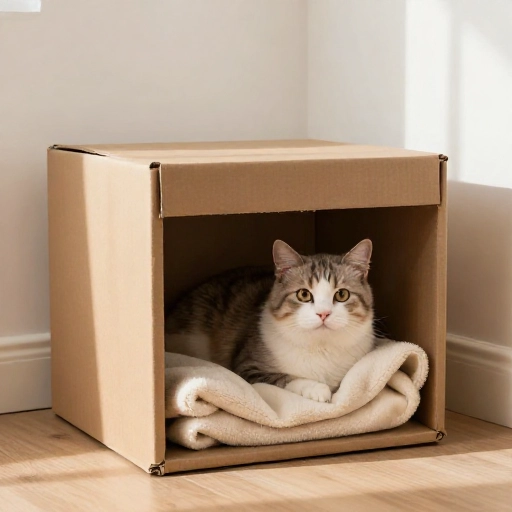
2. Cozy Box Cat Cave with a Blanket
Sometimes simple is best. Take one medium-sized cardboard box, cut a single door on the side, and place a fleece blanket inside. That’s it. My shy cat claimed this cave within minutes and now naps there every afternoon.
The key is location. Put it in a quiet corner, under a desk, or beside a bookshelf. Cats feel safer when their hideout has a wall behind it. You can also tape the flaps shut to make the cave darker and more den-like.
If you want to get fancy, cut a small peephole on the top so your cat can spy on the room without leaving. It’s a low-effort project that delivers high reward.
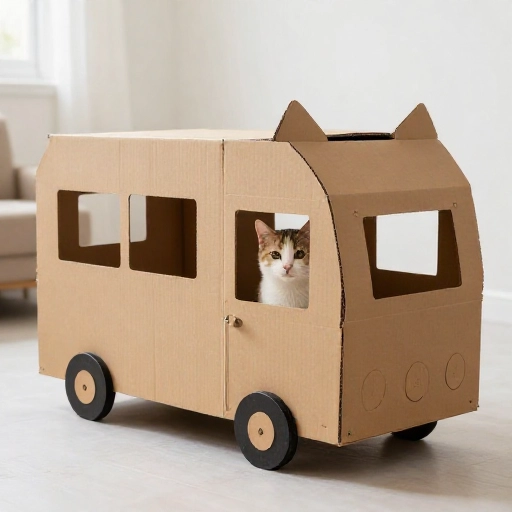
3. Cardboard Cat Train or RV
This one is just for fun. I built a little train engine using a long box for the body and small square boxes for the cab. I added cardboard wheels (they don’t roll, but they look cute) and a window for my cat to poke her head out.
The best part? The inside is hollow, so it doubles as a hiding spot. I cut a door at the back and a window on the side. My cat loves to sit inside and watch the living room like she’s on a road trip.
You can paint it with pet-safe paint or leave it natural. Add a soft cushion inside for extra comfort. This is a great project if you have kids—they can help decorate while you cut and tape.
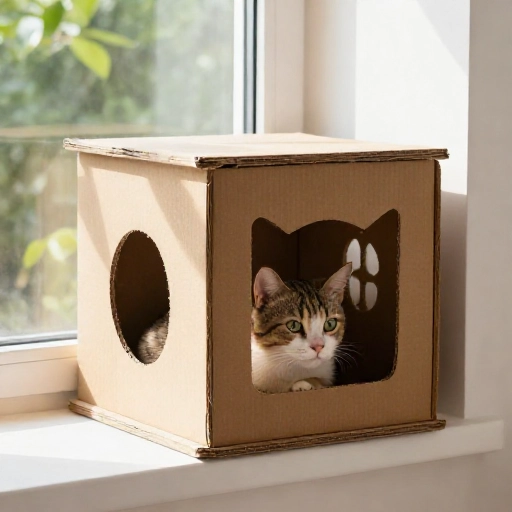
4. Upcycled Window Box House
I love using shipping boxes for this one. Cut two or three square windows on different sides, then cover the outside with leftover wallpaper or non-toxic paint. It looks like a tiny modern home, but it’s still just cardboard underneath.
Make sure the windows are big enough for your cat to jump through, but not so big that the structure weakens. I reinforce the inside corners with extra tape or cardboard strips. My cat uses the windows as both entrances and perches.
This house works great for cats who like to people-watch. Place it near a couch or window so they can feel part of the action while still having a private retreat.
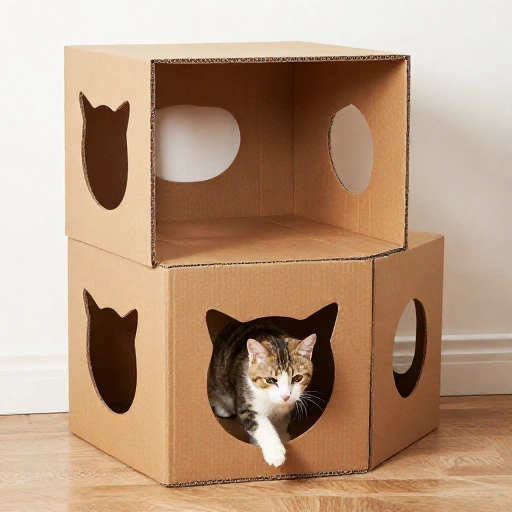
5. Collapsible Cardboard Cat Condo
If you live in a small apartment, you’ll appreciate this idea. I made a condo that folds flat when not in use. I used interlocking flaps instead of glue, so I can take it apart and store it under the bed.
The trick is to score the cardboard where it needs to bend. Use a ruler and a dull pencil to make straight lines, then fold carefully. Tape the corners with removable tape so you can reassemble it later.
My cat doesn’t care that it’s collapsible—she just loves the two-story setup. It has a bottom hideaway and a top perch. When guests come over, I can quickly fold it away and bring it back out later.
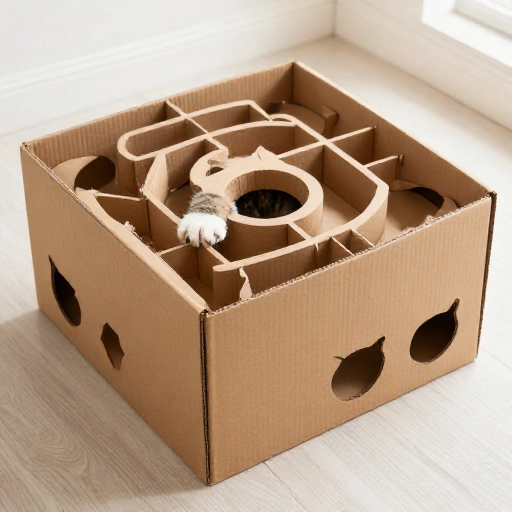
6. Cardboard Cat Maze with Treat Holes
This is my favorite for keeping cats busy. I connected four or five boxes with tunnels made from paper towel rolls or cut cardboard tubes. Then I cut small holes along the walls and dropped treats inside.
My cat spends a solid 20 minutes batting treats out of the holes and exploring every corner. It’s like a puzzle and a playground in one. You can make it as simple or as complex as you want.
Just make sure the tunnels are wide enough for your cat to pass through comfortably. If you have a larger cat, use bigger boxes and wider tubes. This maze is perfect for rainy days when your cat needs mental stimulation.
7. Custom Painted Cat Bungalow
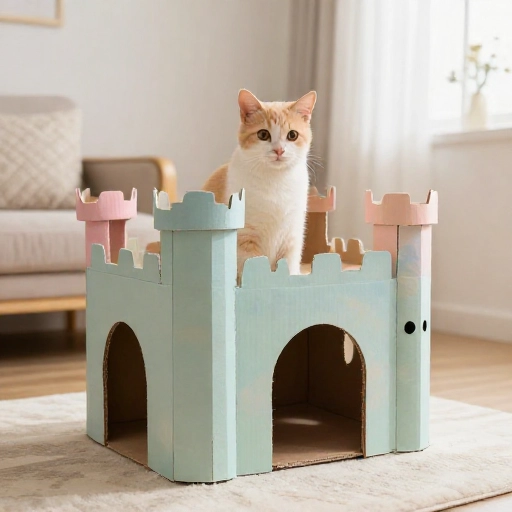
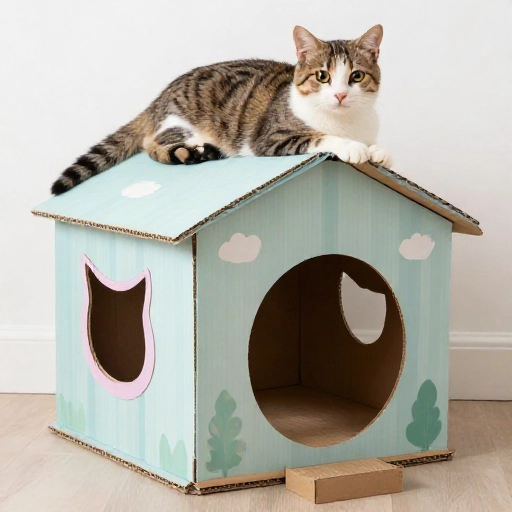
Want a cat house that matches your decor? Grab a box, some pet-safe acrylic paint, and a foam brush. I painted mine a soft mint green and added a felt roof for a pop of color.
Let the paint dry completely before letting your cat inside. I usually wait 24 hours just to be safe. Then add a cozy bed or a folded blanket. My cat loves the bungalow because it’s dark inside and has a small front porch (a flap of cardboard) that she can rest on.
You can personalize it with your cat’s name or simple shapes. Just avoid anything that might peel off and become a choking hazard. Keep it smooth and secure.
8. Scratch Pad Roof House
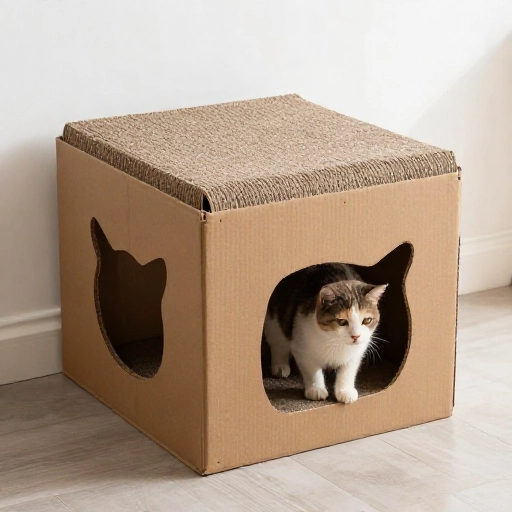
This idea saves your sofa. I built a simple box house and then glued a piece of corrugated cardboard or sisal rope to the roof. My cat scratches the roof instead of my couch—most of the time.
To make the scratch pad, cut a rectangle of corrugated cardboard and stack a few layers, or wrap sisal rope tightly around a flat piece of cardboard. Attach it with non-toxic glue or double-sided tape. Make sure it’s secure so it doesn’t slide around.
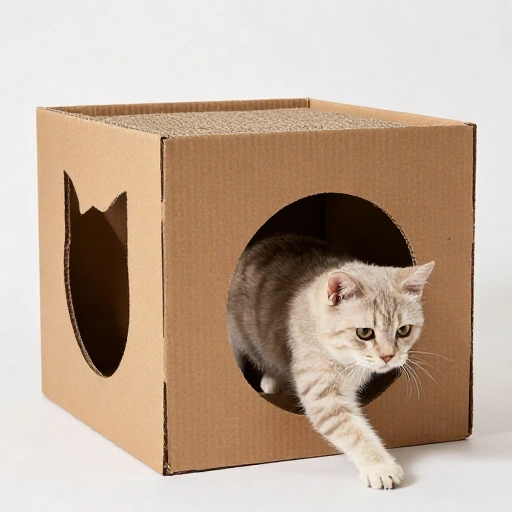
The house itself is a basic cube with a door and a window. The scratch pad on top gives your cat a reason to climb up. It’s a two-in-one win for your furniture and your cat’s claws.
9. Multi-Room Cardboard Cat Mansion
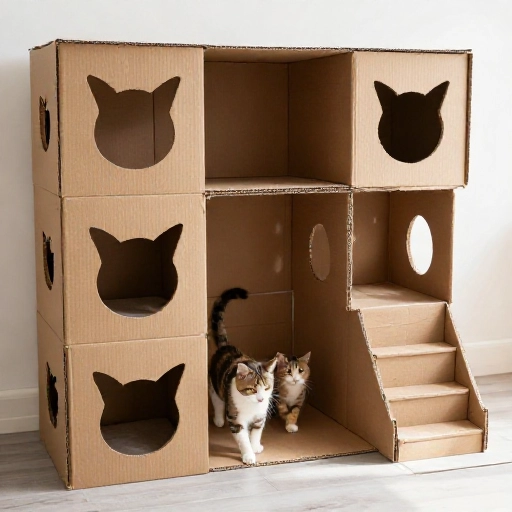
Go big or go home, right? I used six boxes to build a mansion with a bedroom, a playroom, and a dining area. Each room connects through tunnels, and I cut different-sized holes for fun.
I placed food and water in one room, a soft blanket in another, and toys in the third. My cat now has a full tour route. It’s hilarious to watch her run from room to room like she’s on a mission.
This project takes a bit more time and tape, but it’s worth it. Reinforce the joints with extra cardboard strips. If you have multiple cats, they’ll each claim a room. Just make sure there are enough exits so no one feels trapped.
10. Eco-Friendly Hideaway with Tunnel
For the eco-conscious cat parent, this one uses only recycled materials. I took a sturdy box, cut a door, and attached a long tunnel made from a shipping tube or a series of paper towel rolls taped together.
My cat loves to dart through the tunnel and pop out into the hideaway. I stuffed the hideaway with shredded paper or an old t-shirt for bedding. It’s completely compostable when it’s time to replace it.
You can also add a small window for light. Just make sure the tunnel is securely attached. This is a great project for using up all those Amazon boxes and tubes you’ve been saving.
Final Thoughts: Why Cardboard Cat Houses Are Worth It
Cardboard cat houses are cheap, customizable, and surprisingly durable if you reinforce them well. They give your cat a sense of security, a place to scratch, and a fun activity for you to build together. Plus, when they get worn out, you can recycle them and make a new one.
I’ve found that the best houses are the ones that match my cat’s habits—whether she loves to hide, climb, or scratch. Start simple, see what your cat uses, and then upgrade. Your cat will cherish any cardboard creation you make, because it smells like you and feels like a safe little den.
Frequently Asked Questions
How long do cardboard cat houses last?
With regular use, a well-taped cardboard house can last a few weeks to a couple of months. Reinforce the edges and keep it dry. If your cat scratches it a lot, you may need to replace it sooner.
Is cardboard safe for cats?
Yes, plain cardboard is safe. Avoid boxes with heavy ink, staples, or chemical treatments. If you paint, use pet-safe paint and let it dry completely.
How do I keep the house from collapsing?
Use strong packing tape on all seams and corners. Add extra cardboard strips as supports. Place heavier boxes at the bottom and lighter ones on top. Avoid making holes too large.
Can I use glue instead of tape?
You can, but use non-toxic glue like white school glue or a hot glue gun with care. Tape is usually faster and easier to remove if you want to reconfigure the house.
My cat won’t use the cardboard house. What should I do?
Try placing it in a quiet spot, adding a favorite blanket, or rubbing it with a little catnip. Sometimes cats need a few days to warm up. You can also cut a smaller door to make it feel more den-like.