Dog Building Design: 10 Essential Elements for a Cozy, Safe, and Stylish Pup Retreat
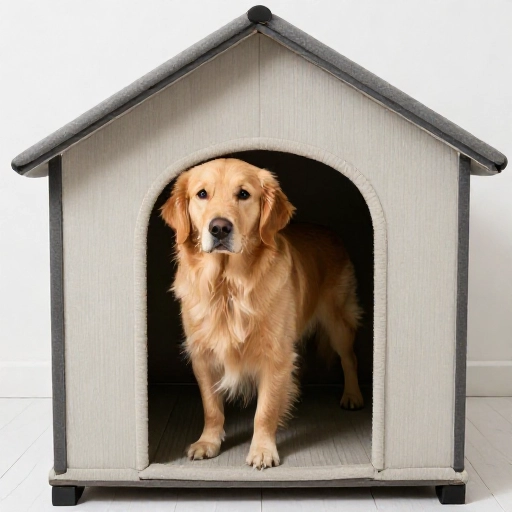
If you’re planning to build a dedicated space for your dog — whether it’s a standalone dog house, a small kennel building, or a tiny playroom in the backyard — getting the design right from the start makes all the difference. I’ve helped friends, clients, and my own pups settle into custom dog buildings, and I’ve learned that a few core elements separate a structure dogs actually use from one they ignore after a day.
Dogs don’t care about fancy trim or trendy paint colors. They care about feeling safe, staying dry, being comfortable, and having easy access to you and the outdoors. That said, you also want something that doesn’t become an eyesore or a maintenance nightmare. Here are the 10 essential elements I always include in a successful dog building design — no matter the size or budget.
1. Right Size and Layout for Your Dog’s Actual Body
A dog building that’s too big is just as bad as one that’s too small. If the space is cavernous, your dog won’t feel cozy, and body heat escapes fast. If it’s cramped, your dog can’t turn around, stretch, or stand without hunching. I always measure my dog’s height at the shoulder, length from nose to tail base, and width when curled up.
A good rule of thumb: the interior height should be at least 2–3 inches taller than your dog’s standing height, and the floor area should let them lie fully stretched plus turn around easily. For multi-dog buildings, give each dog their own defined resting corner. Include a low entry threshold if you have a senior or small breed.
2. Safe, Non-Toxic Materials That Won’t Off-Gas or Splinter
Dogs chew, lick, scratch, and rub against every surface. I avoid pressure-treated lumber for interior walls and floors because the chemicals can irritate paws and mouths. Instead, I use untreated pine, cedar, or exterior-grade plywood with a low-VOC sealant. Cedar is my favorite for the frame — it naturally resists bugs and smells good.
For finishes, choose pet-safe paints or stains that are zero-VOC once cured. Skip fiberglass insulation exposed inside walls; dogs will tear it out. If you need insulation, use rigid foam board or denim insulation fully enclosed behind solid panels. Check every edge and corner for sharp staples, exposed screws, or rough splinters before your dog moves in.
3. Insulation That Actually Works for Your Climate
In hot or cold climates, a plain wooden box won’t keep your dog comfortable. I insulate the floor, walls, and roof just like I would for a tiny human cabin. In cold areas, I use 1–2 inches of rigid foam insulation on all sides, plus a raised floor with a thermal break so cold ground doesn’t seep up. In hot areas, reflective roof panels or a light-colored roof keep the interior cooler.
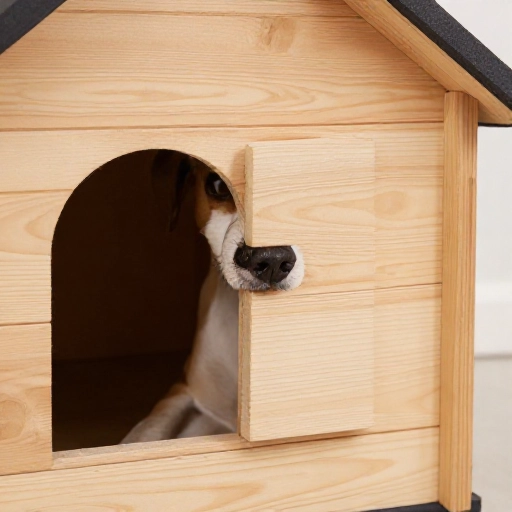
Don’t forget the door flap. A simple vinyl strip or magnetic flap over the entry keeps drafts out in winter and heat out in summer. If you live somewhere with extreme temperature swings, consider a small vented cupola or a removable wall panel for seasonal adjustment.
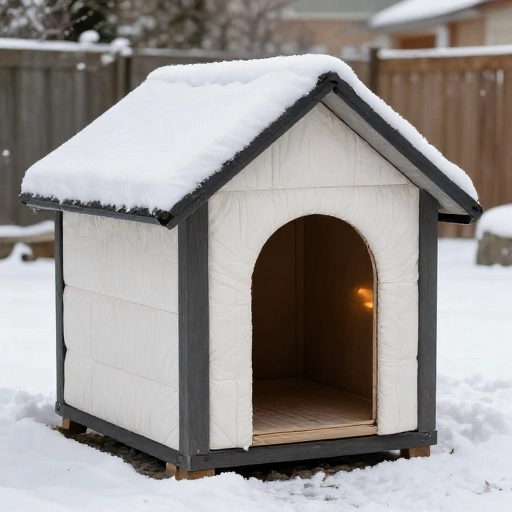
4. Ventilation and Airflow Without Drafts
Stuffy air leads to moisture buildup, mold, and that awful dog smell. I always add at least two small vents — one low on the wall and one high on the opposite side to create natural cross-ventilation. In a small dog house, a 2-inch round vent near the roof peak works wonders. For larger buildings, I install adjustable louvered vents that can be opened or closed seasonally.
Place vents so they don’t blow directly on your dog’s sleeping spot. A good test: stand inside on a warm day and feel for moving air at nose level. Your dog should get fresh air without a chilly jet stream. If you use a fan, mount it outside the sleeping zone and point it upward.
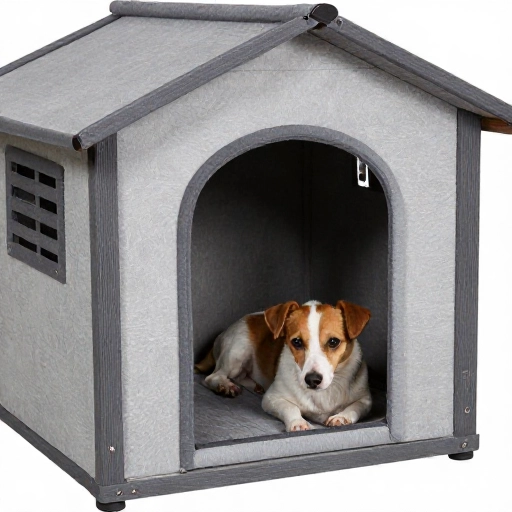
5. Easy-to-Clean Flooring and Wall Surfaces
Dog buildings collect dirt, hair, drool, and the occasional accident. I learned the hard way that raw plywood floors soak up smells forever. Now I use a smooth, sealed surface that can be wiped down in seconds. My top picks are sheet vinyl flooring, rubber horse stall mats cut to size, or a poured epoxy floor in larger buildings.
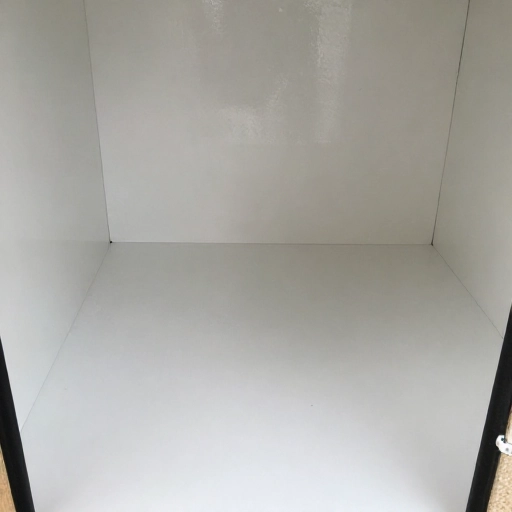
For walls, semi-gloss paint or a washable panel like FRP (fiberglass reinforced plastic) makes cleanup easy. Avoid carpet unless it’s a removable, washable mat. I also slope the floor slightly toward the door so any liquid runs out instead of pooling in the corners. A removable tray under the dog bed catches muddy paws and spills.
6. Plenty of Natural Light (But Not a Greenhouse)
Dogs are happier when they can see outside and get some sunlight, but too much glass turns the building into an oven. I usually add one fixed window or a small skylight made from double-wall polycarbonate instead of single-pane glass. That lets in soft daylight without creating a heat trap. Place the window at dog height so your pup can watch the yard.
If your dog building is in full sun, add a roof overhang or an exterior shade screen over the window. For cold climates, a south-facing window helps warm the space naturally during the day. Just make sure the window opens or is paired with a vent for summer heat release.
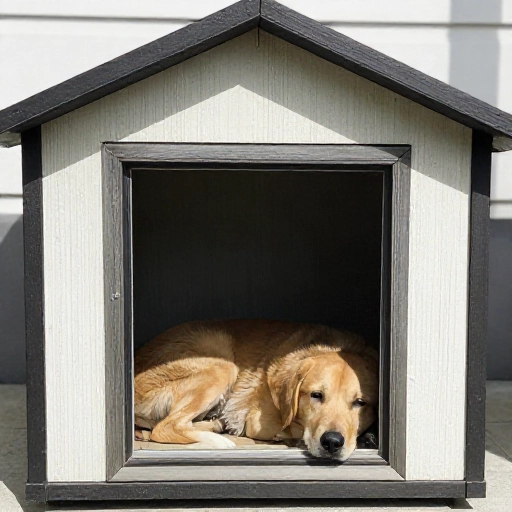
7. Secure Entry and Escape-Proof Design
A dog building isn’t secure if your dog can chew through the door, push out a screen, or dig under the wall. I use a solid wood or metal door with a strong latch that a clever paw can’t open. If you install a dog door flap, choose one with a rigid frame and screw it in from both sides — adhesive flaps peel off in a week.
For larger buildings, check for gaps around the roofline and floor edges. I run hardware cloth or welded wire mesh along the bottom perimeter buried 6–12 inches deep to stop diggers. Make sure any windows have sturdy screens or bars that can’t be popped out. Your dog should never be able to escape if left alone for an hour.
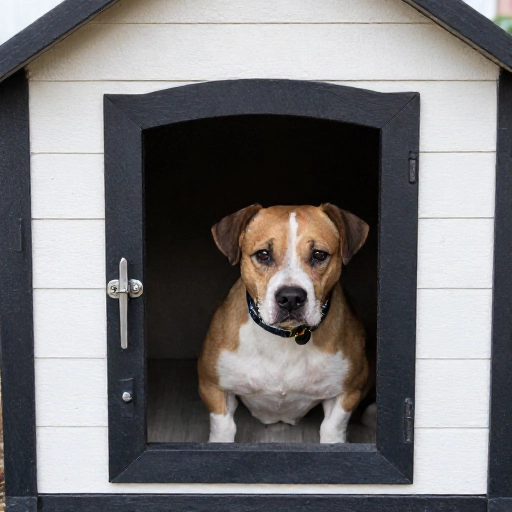
8. Comfortable Resting Zones That Feel Like a Den
Dogs love enclosed, cave-like spaces. Even inside a spacious building, I always create a defined “bedroom” corner with low walls or a canopy. A raised bed frame with a washable cushion keeps them off the cold floor and gives them a sense of territory. For small dogs, a cozy crate or covered dog bed inside the building works beautifully.
Place the resting zone away from the door and out of direct drafts. Add a soft blanket or mat, but make sure it’s removable for washing. In multi-dog buildings, separate the resting zones with a low divider so each dog has their own private nook. Warmth, softness, and privacy are the three things dogs seek most.
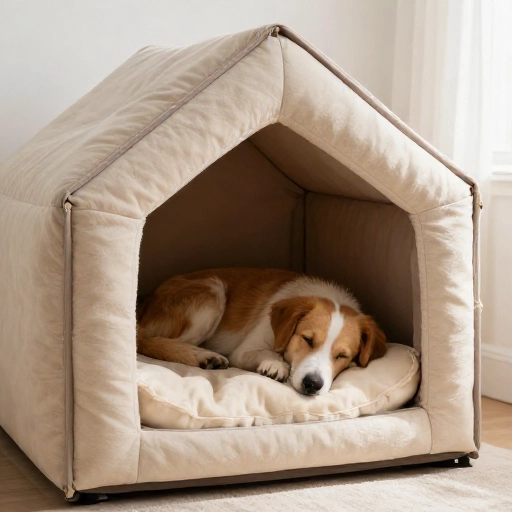
9. Durable Exterior and Weather Protection
Rain, snow, sun, and wind will attack your dog building year-round. I use a sloped roof with at least a 2-inch overhang on all sides to shed water away from the walls. Metal roofing or architectural shingles last much longer than plywood with paint. Flash the roof peak and edges so no water sneaks under the roofing material.
Use exterior-grade paint or stain with UV protection, and reapply every two to three years. Caulk all exterior seams and corners. If you build a raised floor, make sure the gap underneath allows air to flow but is blocked with mesh to keep out rodents and snakes. A small covered porch or awning over the entry gives your dog a dry place to shake off before going inside.
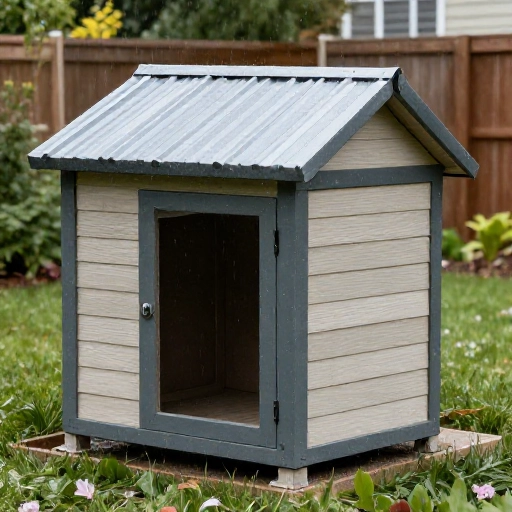
10. Aesthetic Harmony with Your Yard (Yes, It Matters)
I’ll admit it — you want a dog building that looks intentional, not like a forgotten wood pile. Choose a roofline and paint color that echo your house or shed. A gable roof with cedar shingles looks classic; a modern flat roof with black trim suits a contemporary backyard. Add a small flower box or a cute name sign to make it feel like part of the landscape.
But don’t sacrifice function for looks. If you love white, use a white exterior with a dark roof to reflect heat. If you want a rustic look, use rough-sawn cedar with a clear sealer. The best dog building design is one you’re proud to look at every day and your dog is eager to use. That balance is entirely possible with a little planning.
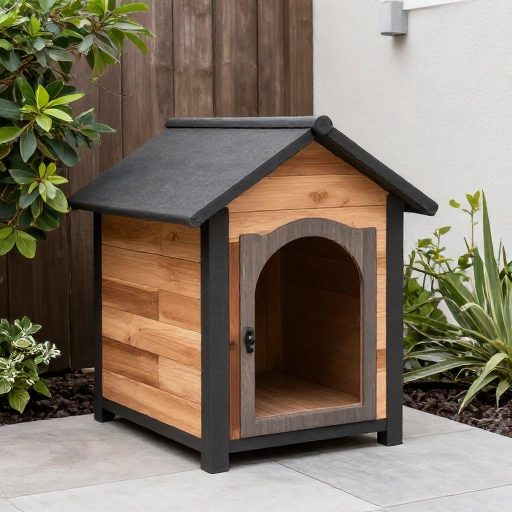
Conclusion: Build It Right, and Your Dog Will Thank You
Creating a successful dog building isn’t about spending a fortune or following a single blueprint. It’s about thinking like your dog — what does she need to feel safe, warm, cool, clean, and secure? The 10 elements above cover the practical and the personal. When you get them right, you’ll see your dog choose the building on their own, nap inside without prompting, and come out happy.
Take your time during the design phase. Sketch a simple floor plan, measure twice, and don’t rush the insulation or ventilation steps. A well-designed dog building lasts for years and becomes a favorite spot in your yard — for both of you.
FAQ: Dog Building Design Questions Answered
Q: How much space does my dog really need inside a dog building?
A: Your dog should be able to stand up, turn around, and lie fully stretched without touching three walls. For most medium dogs, an interior of about 3 feet by 4 feet works well. Bigger dogs need more; tiny dogs prefer a snugger footprint. Always measure your specific dog’s length and height.
Q: What’s the best flooring material for a dog building?
A: I love sheet vinyl for small buildings because it’s smooth, waterproof, and wipe-clean. For larger spaces, rubber stall mats or sealed concrete work great. Avoid bare plywood, carpet, or anything porous. Make sure whatever you choose is non-slip when wet.
Q: Can I build a dog building without insulation if I live in a mild climate?
A: Yes, but still add a raised floor and good ventilation. Even mild climates get chilly at night or hot in the afternoon. At minimum, insulate the roof to prevent heat buildup and add a door flap. You can always add wall insulation later if your dog seems cold.
Q: How do I keep the dog building from smelling like, well, dog?
A: Ventilation is your best friend. Add cross-ventilation vents, use a washable floor, and wash bedding weekly. Wipe down walls and floor with a pet-safe enzyme cleaner once a month. A small solar-powered exhaust fan also helps move stale air out in summer.
Q: Is pressure-treated lumber safe to use in a dog building?
A: I avoid it for interiors, floors, and anywhere a dog might chew or lick. Modern pressure-treated wood uses copper-based compounds, but dogs can still get splinters and ingest small amounts. Use untreated cedar or exterior-grade plywood for interior surfaces, and save pressure-treated posts only for ground contact if needed — sealed well and out of reach.