Why Do Cats Meow at Night?
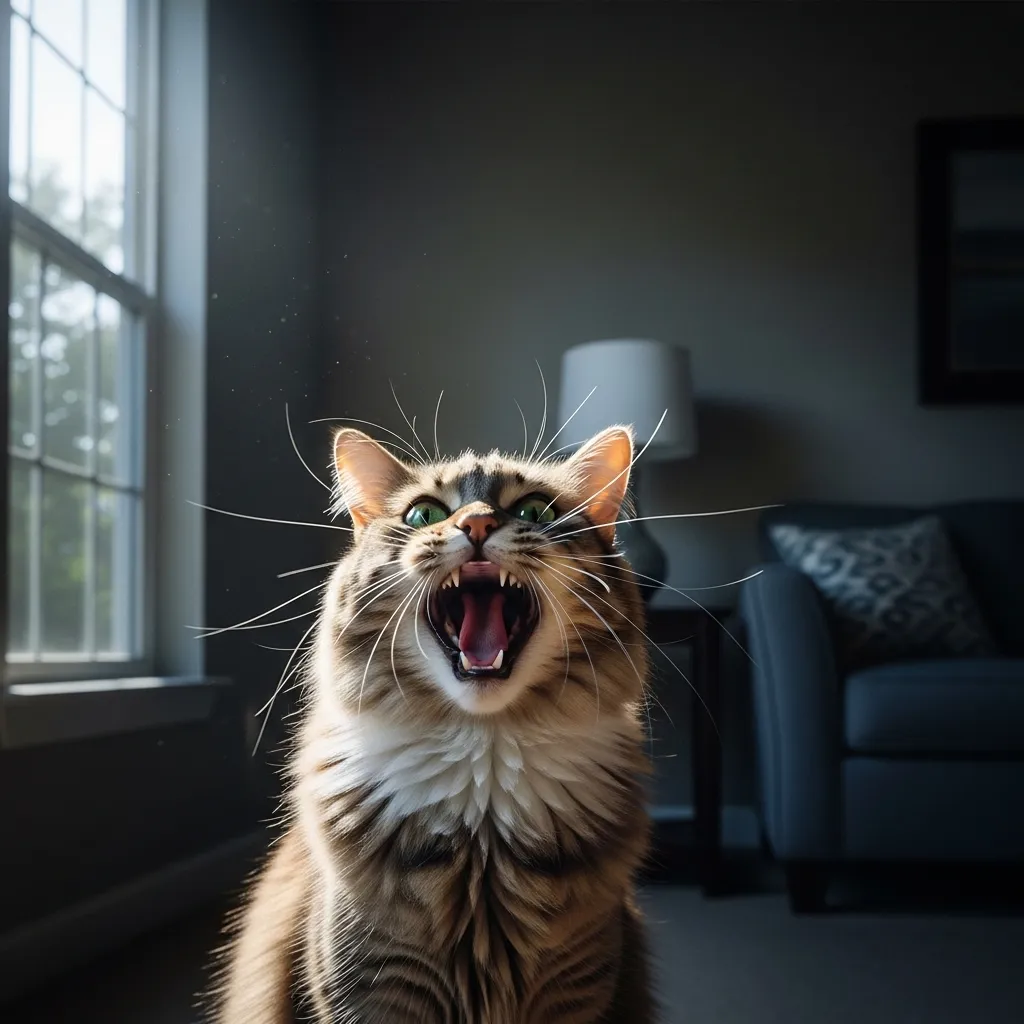
If you share your home with a cat, you’ve probably been jolted awake by insistent meowing at 3 a.m. It’s a common frustration. You lie there, half-asleep, wondering if they’re hungry, bored, or just trying to drive you crazy. I’ve been there myself, stumbling to the kitchen only to find a full bowl of food.
But here’s the thing: your cat isn’t trying to be difficult. Nighttime meowing is a form of communication. It can mean anything from “I’m lonely” to “I sense a mouse in the wall.” The key is learning to translate that meow. Once you understand the why, you can find a solution that works for both of you.
Let’s walk through the most common reasons your cat might be vocalizing after dark. Some are simple fixes, others might need a little patience. Either way, you’re not alone in this.
1. They’re Naturally Nocturnal (or Crepuscular)
Cats are often called nocturnal, but many are actually crepuscular. That means they’re most active at dawn and dusk. In the wild, those are prime hunting times. Your house cat still carries those instincts.
When the house gets quiet, your cat’s internal clock says, “Time to party!” That meowing might be them inviting you to play. They don’t understand that humans sleep at night.
Try adding a few short play sessions in the evening. A tired cat is a quiet cat. Feather wands or laser pointers work wonders before bed.
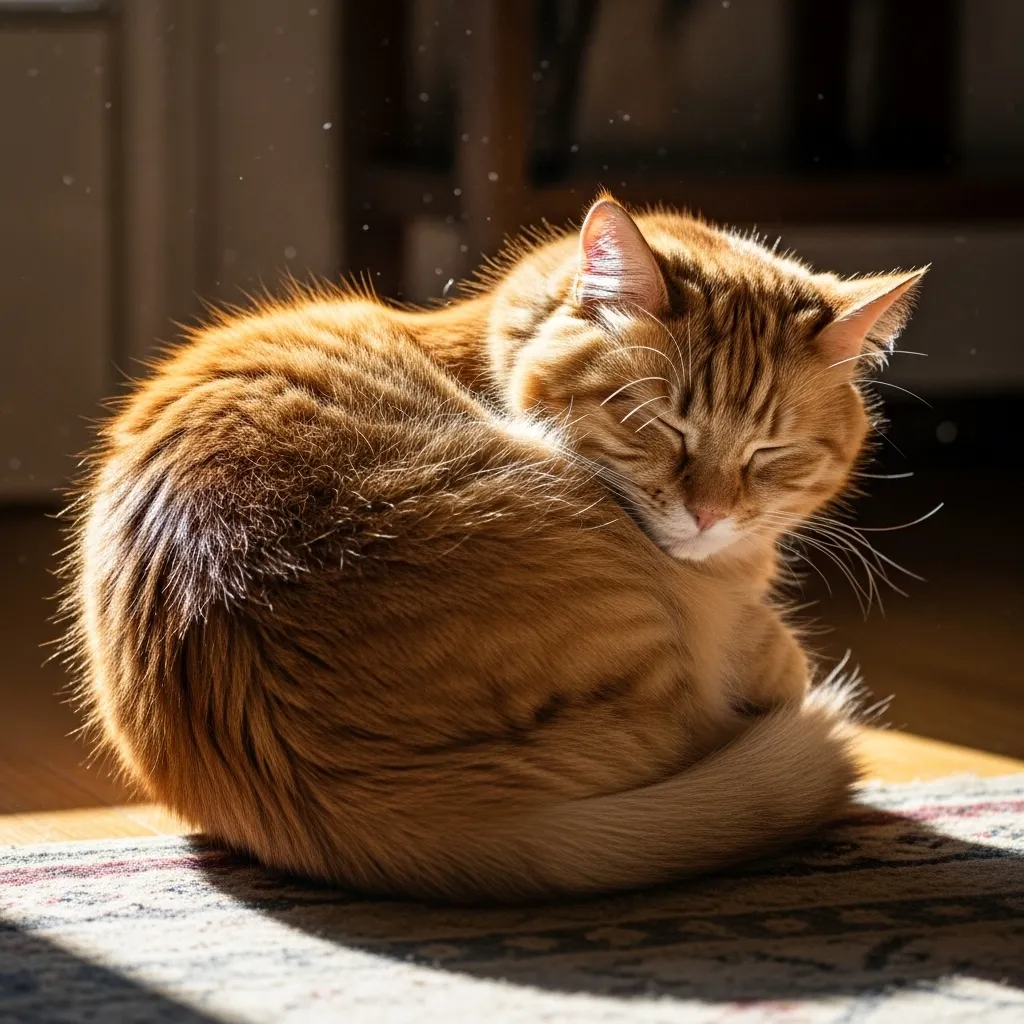
2. They Want Attention (Plain and Simple)
Sometimes, the meow is just a test. Your cat learns that if they cry loud enough, you’ll wake up and pet them or talk to them. Even negative attention—like shooing them away—is still attention.
I once had a cat who would meow at my bedroom door until I opened it, then just walk away. It wasn’t about food or anything urgent. She just wanted me to know she existed.
If you suspect this is the case, try ignoring the meowing completely. No eye contact, no talking, no moving. It can take a few rough nights, but they often learn that meowing doesn’t get a response.
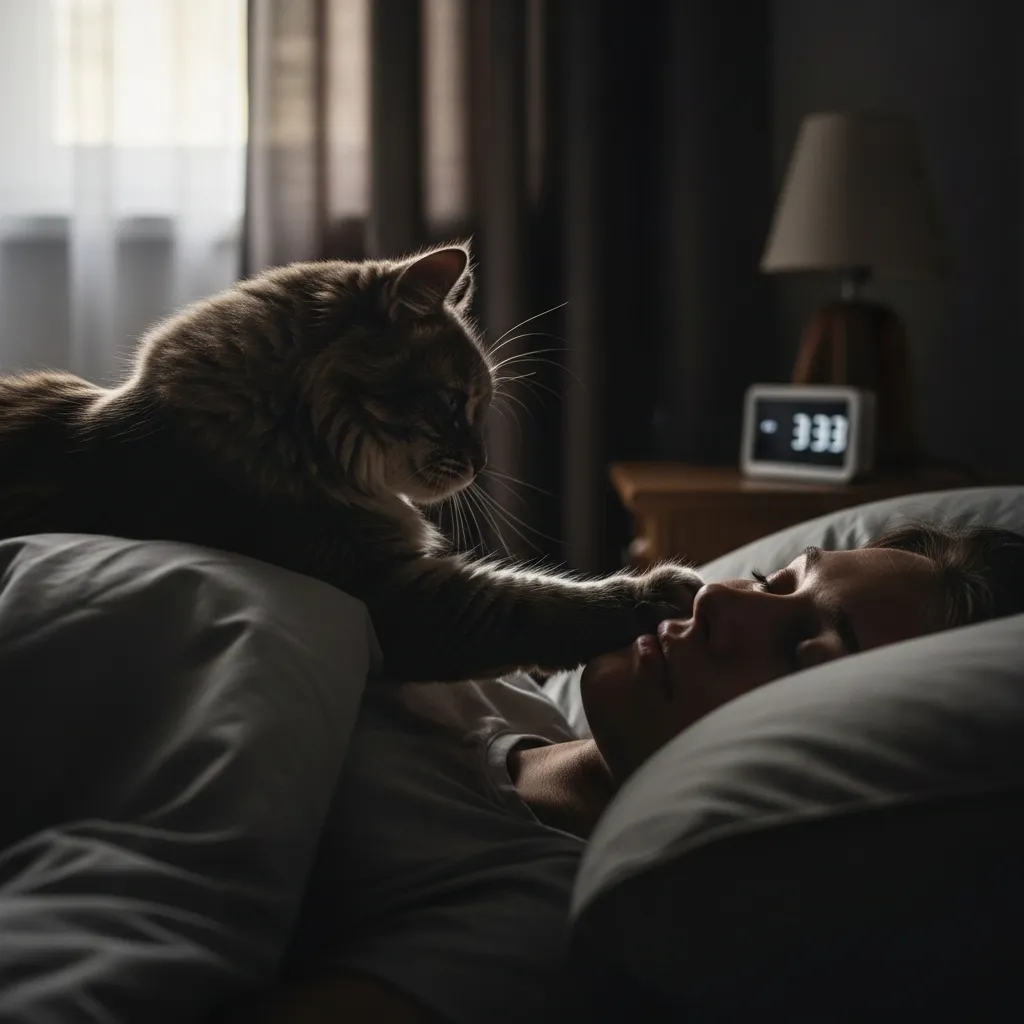
3. They’re Bored and Under-Stimulated
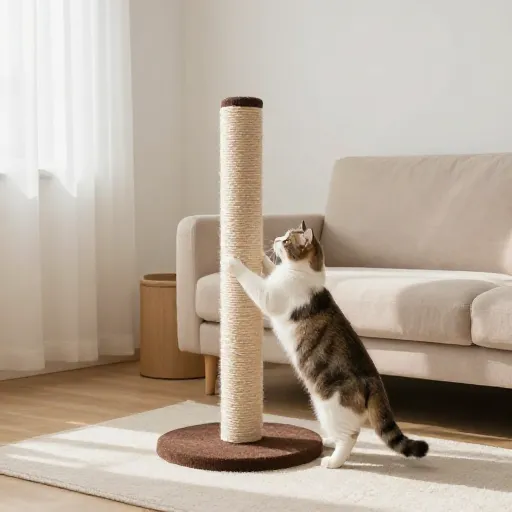
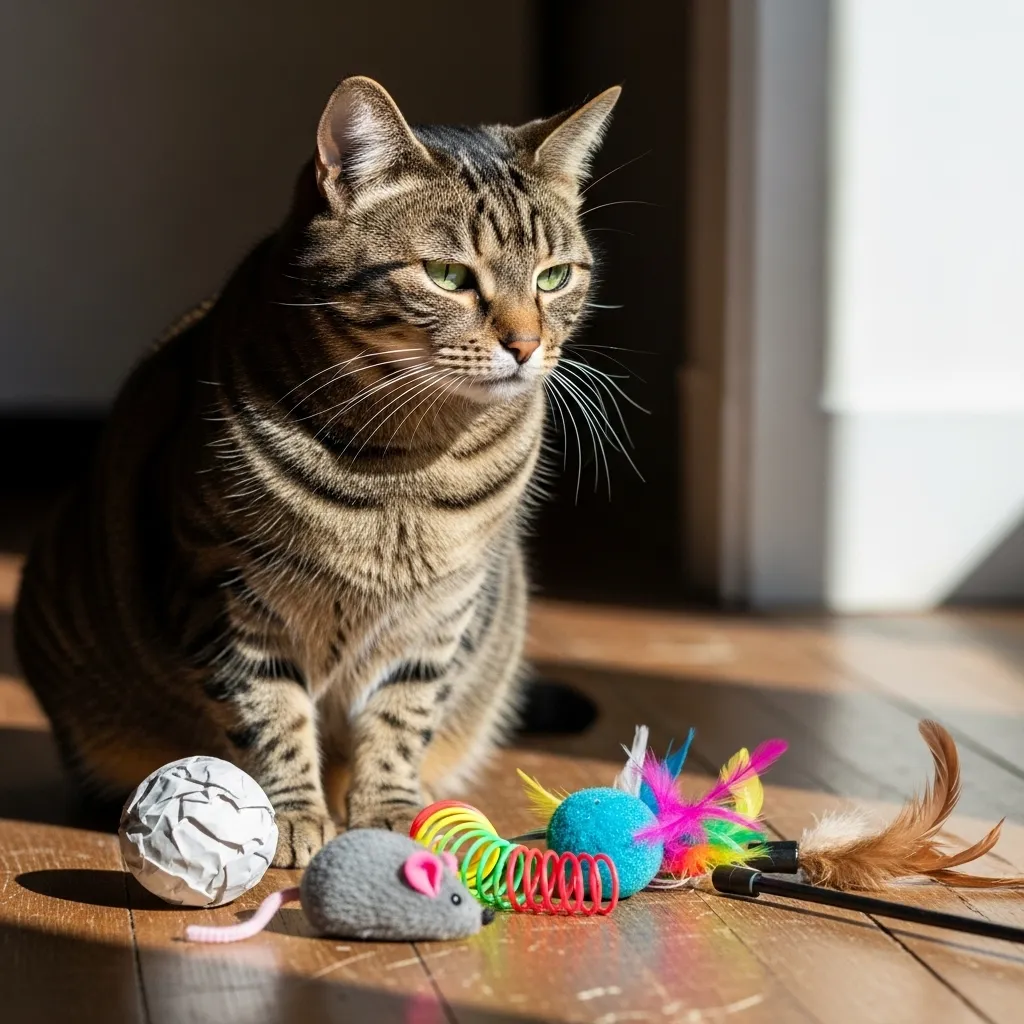
A cat who naps all day will have energy to burn at night. If they don’t have enough toys, scratching posts, or window perches, they might resort to meowing out of sheer boredom.
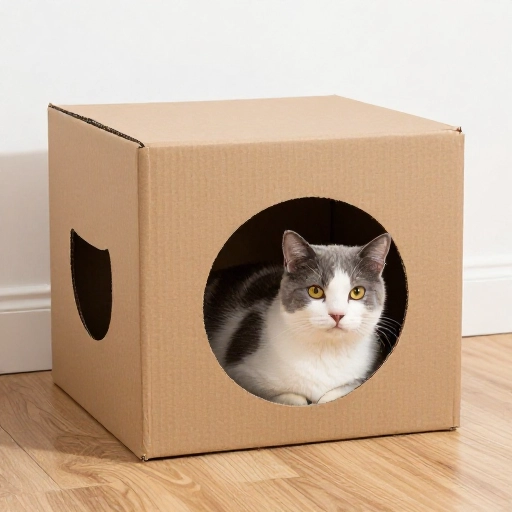
Think about their environment. Do they have places to climb? Puzzles to solve? Even a cardboard box can be thrilling. Rotate their toys to keep things fresh.
Before you go to bed, spend 10–15 minutes playing with them. Get them running and jumping. That burst of activity can help them sleep through the night.
4. They’re Hungry or Thirsty
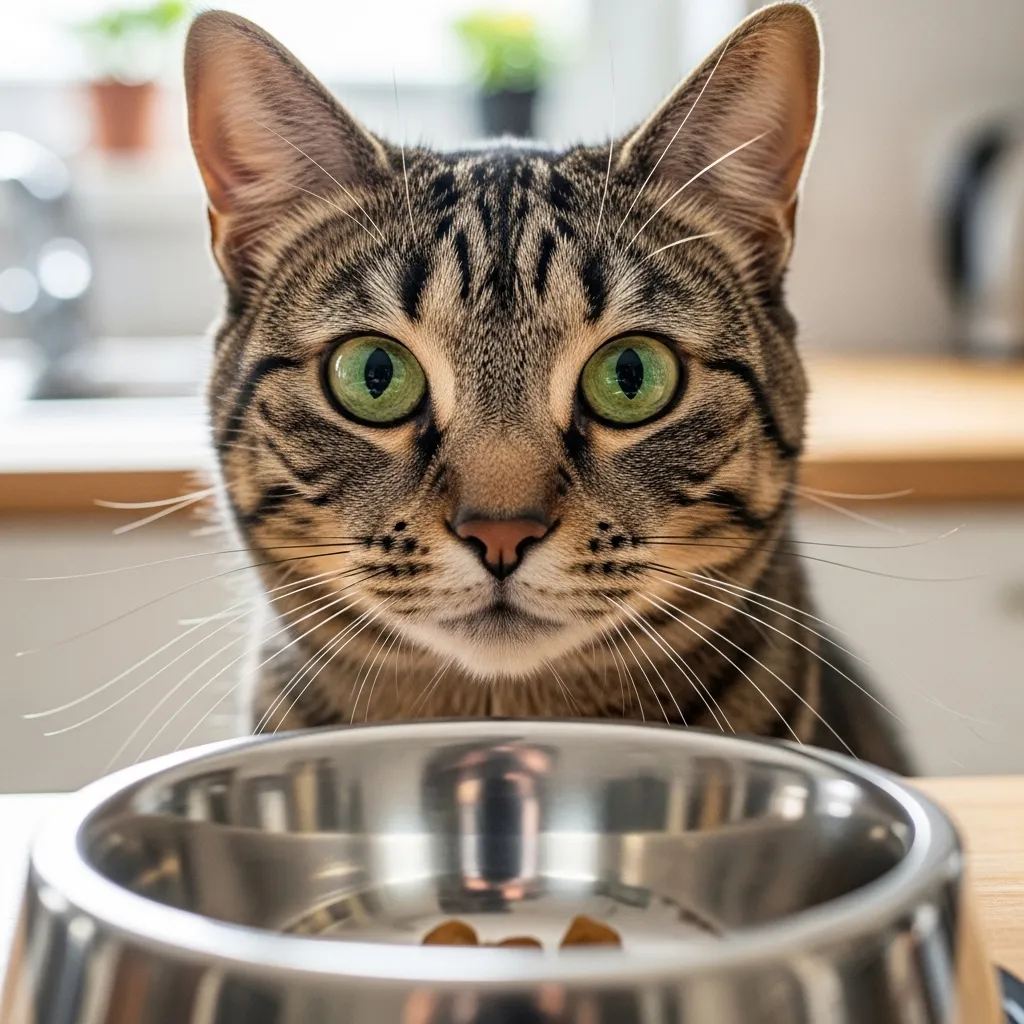
This is a classic one. Your cat’s dinner might be wearing off by 2 a.m. Some cats are very routine-oriented and will meow if their food bowl is empty.
Check if their water fountain is running low too. Cats can be fussy about stale water. A dry bowl at night is a valid reason for a complaint.
Try offering a small, late-night snack right before you go to sleep. An automatic feeder can also help. The feeder, not you, becomes the food source—so the meowing might stop.
5. They’re Feeling Anxious or Stressed
Changes in the household can trigger nighttime meowing. A new pet, a move, or even a different work schedule can unsettle your cat. They might meow because they feel insecure.
Darkness can make anxiety worse. Your cat might not know where you are, and that can be scary. They’re calling out to check that you’re still there.
Creating a calm bedtime routine helps. Leave a nightlight on. Use a calming pheromone diffuser in the room. Extra cuddles during the day can also build their confidence.
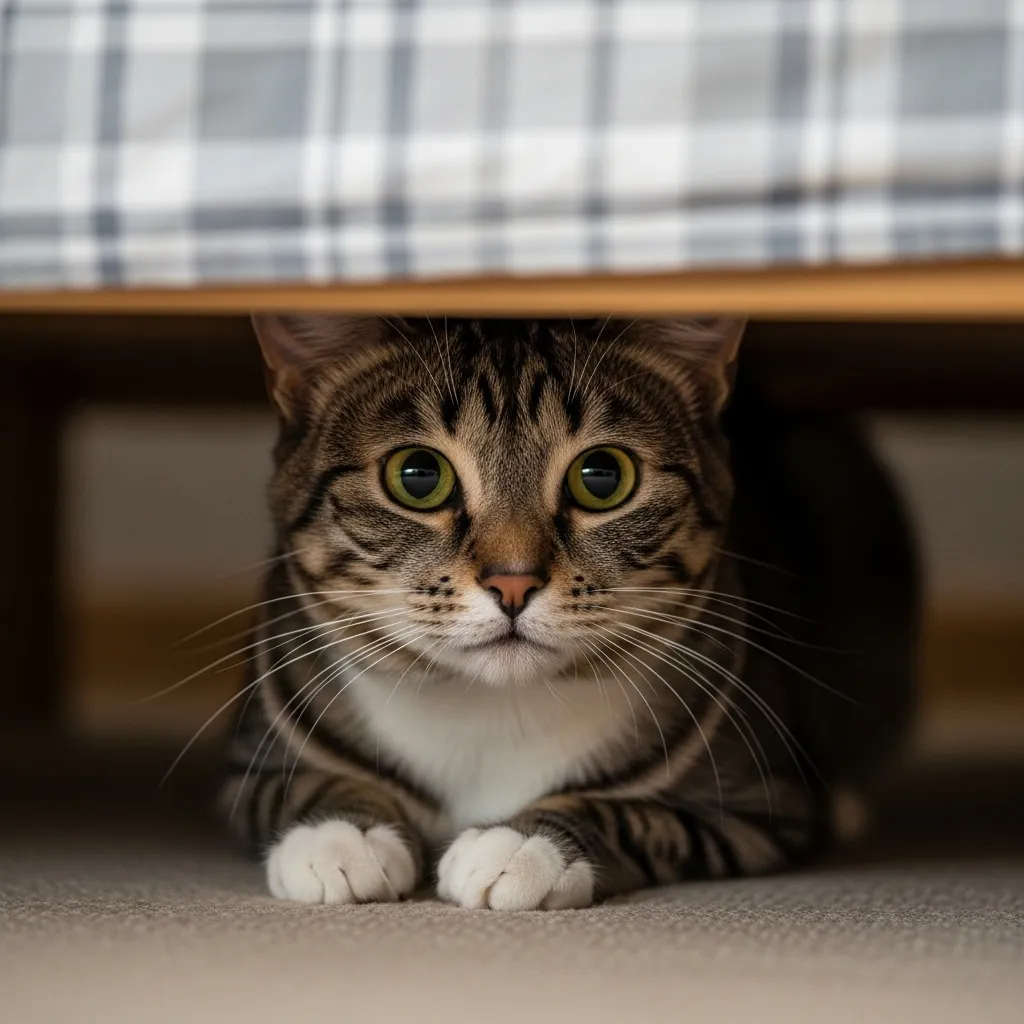
6. They’re Getting Older (Senior Cat Concerns)
Older cats can develop cognitive dysfunction syndrome, similar to dementia in humans. They may get confused, disoriented, and start meowing at odd hours.
This kind of meowing often sounds different—more urgent or aimless. They might walk into corners and cry because they don’t know how to get out.
If your cat is a senior, talk to your vet. There are supplements and environmental adjustments that can help. Keep their litter box and food in the same easy-to-find spots.
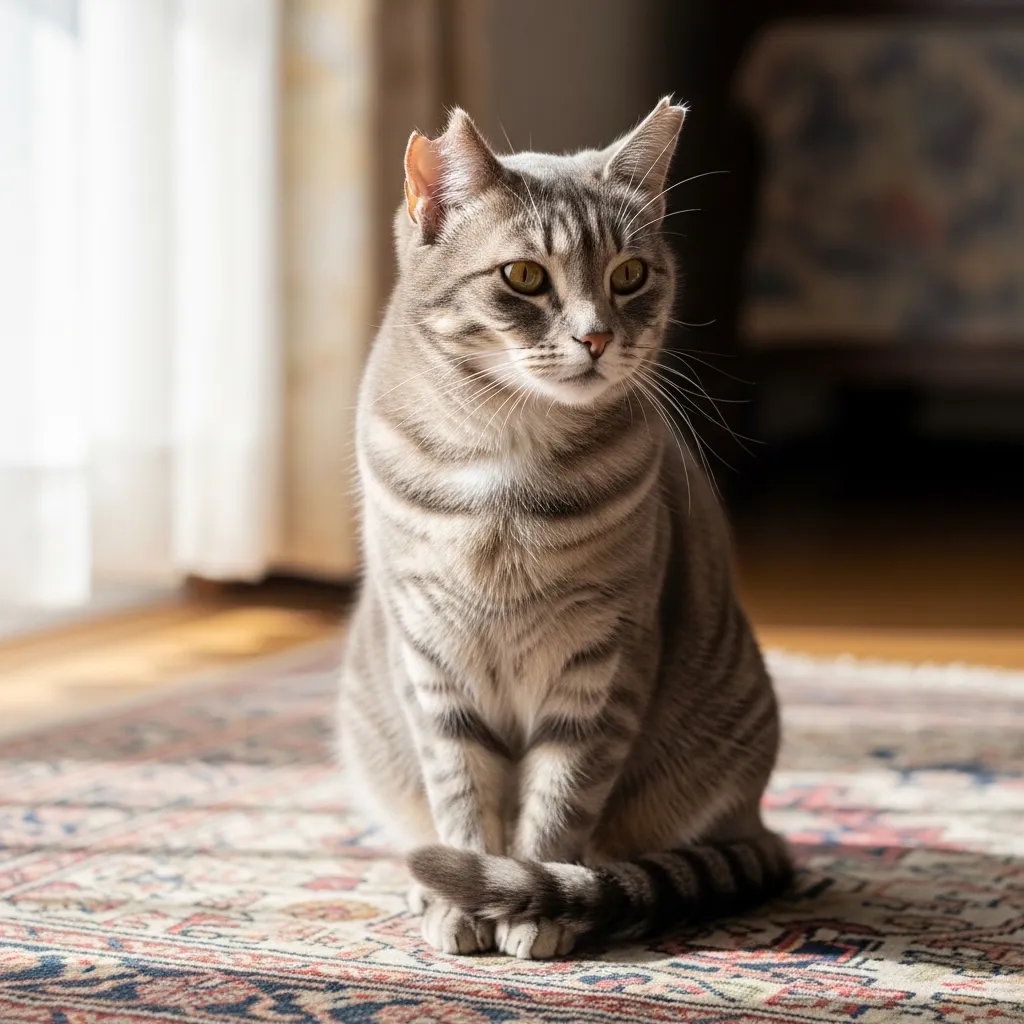
7. They Have a Medical Issue
Sometimes, nighttime meowing is a cry for help. Hyperthyroidism, high blood pressure, or urinary tract infections can cause restlessness and vocalization.
If the meowing is new, intense, or accompanied by other symptoms like weight loss or vomiting, don’t ignore it. A vet visit is the safest bet.
I once had a cat who started yowling at night out of nowhere. Turned out she had a mild UTI. After treatment, she went back to being a quiet sleeper. Health issues should always be ruled out first.
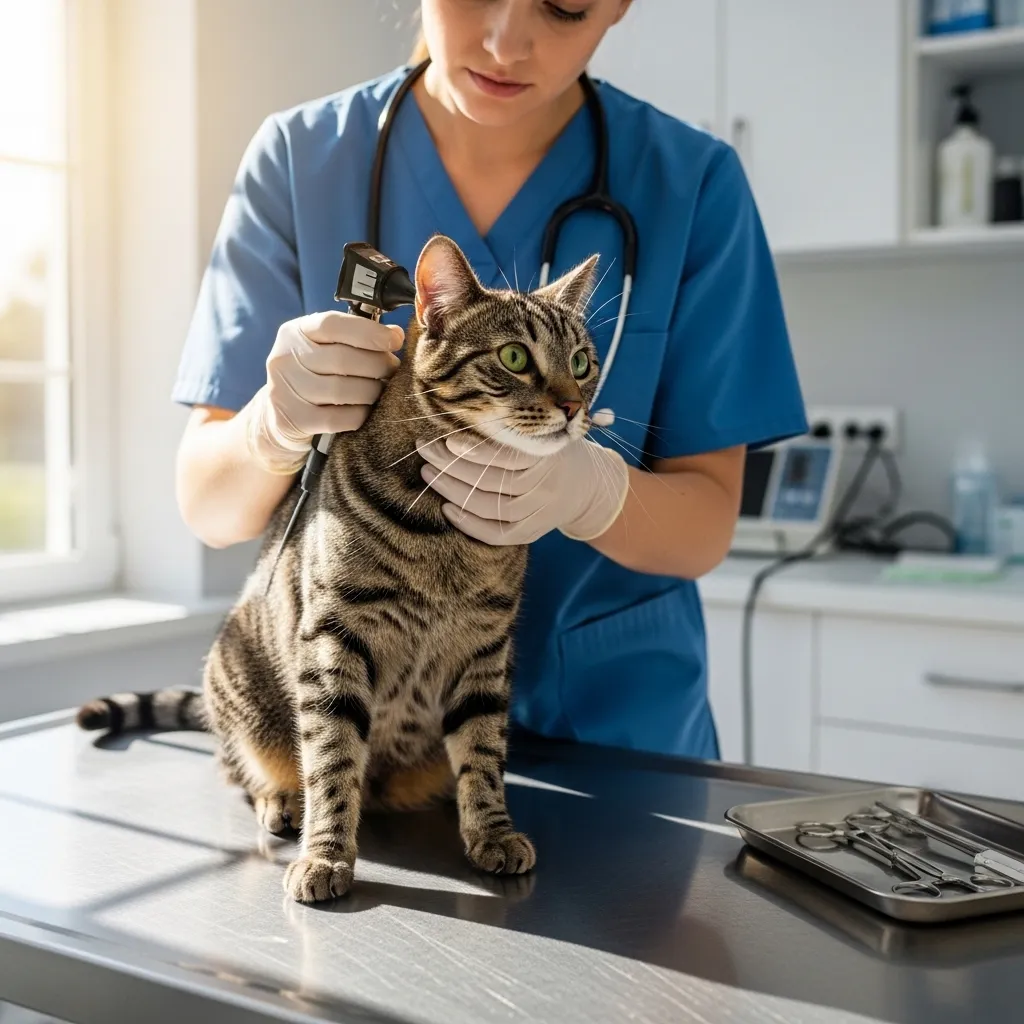
8. They Want to Go Outside
If your cat is used to going outdoors, they might meow at the door or window at night. They smell something interesting, or they just want to patrol their territory.
For indoor-only cats, this can still happen if they see a moth or a shadow. The meow is a request: “Let me out, I have important cat business.”
If you don’t want them outside at night, be consistent. Never open the door when they meow. Instead, distract them with a toy or a treat puzzle inside.
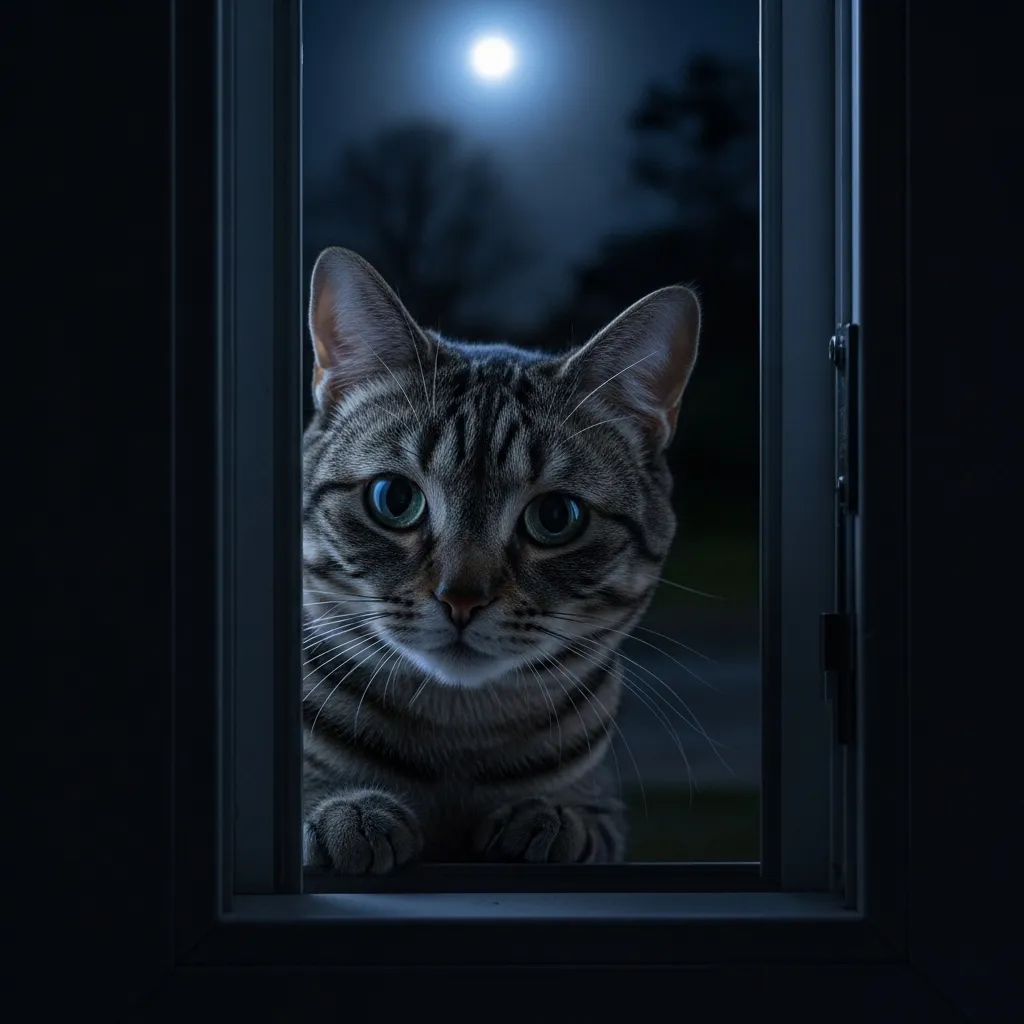
9. They’re in Heat (Unspayed Females)
An unspayed female cat in heat will yowl loudly at night. That sound is unmistakable—it’s long, loud, and almost mournful. She’s calling for a mate.
Male cats that are unneutered may also meow more at night if they sense a female in heat nearby. Their instinct is strong.
Spaying or neutering your cat is the most effective solution. It also has health benefits and reduces the urge to roam. Talk to your vet about the right timing.
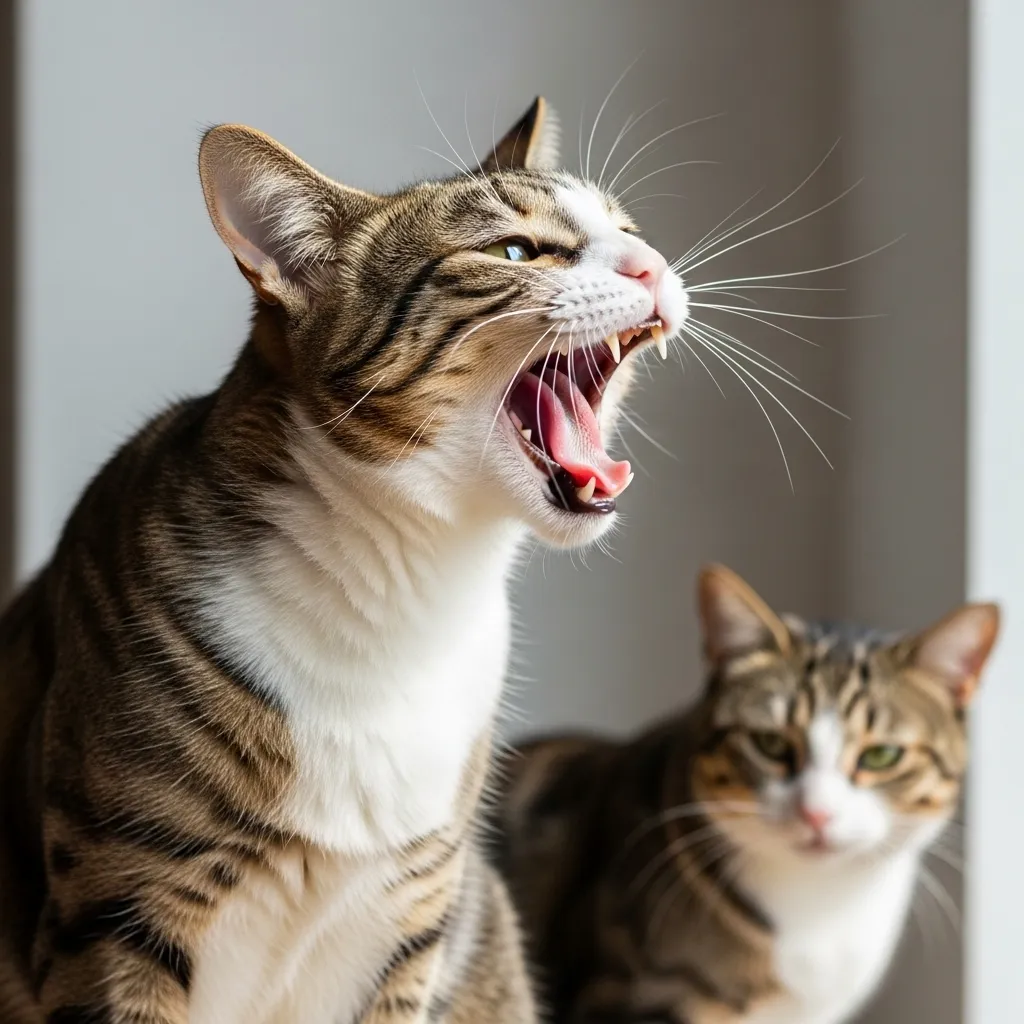
10. They’re Just Chatty (Breed or Personality)
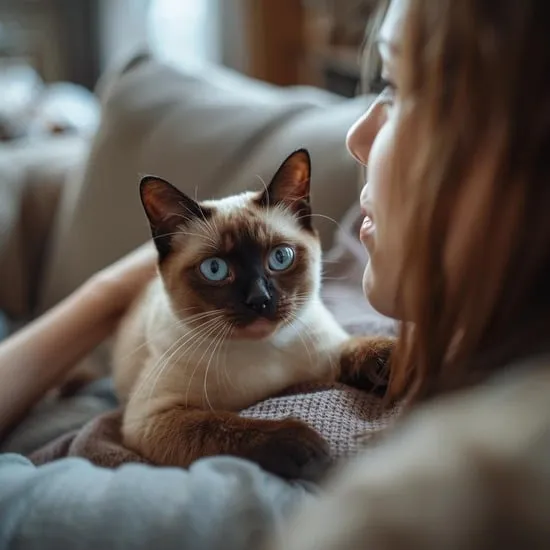
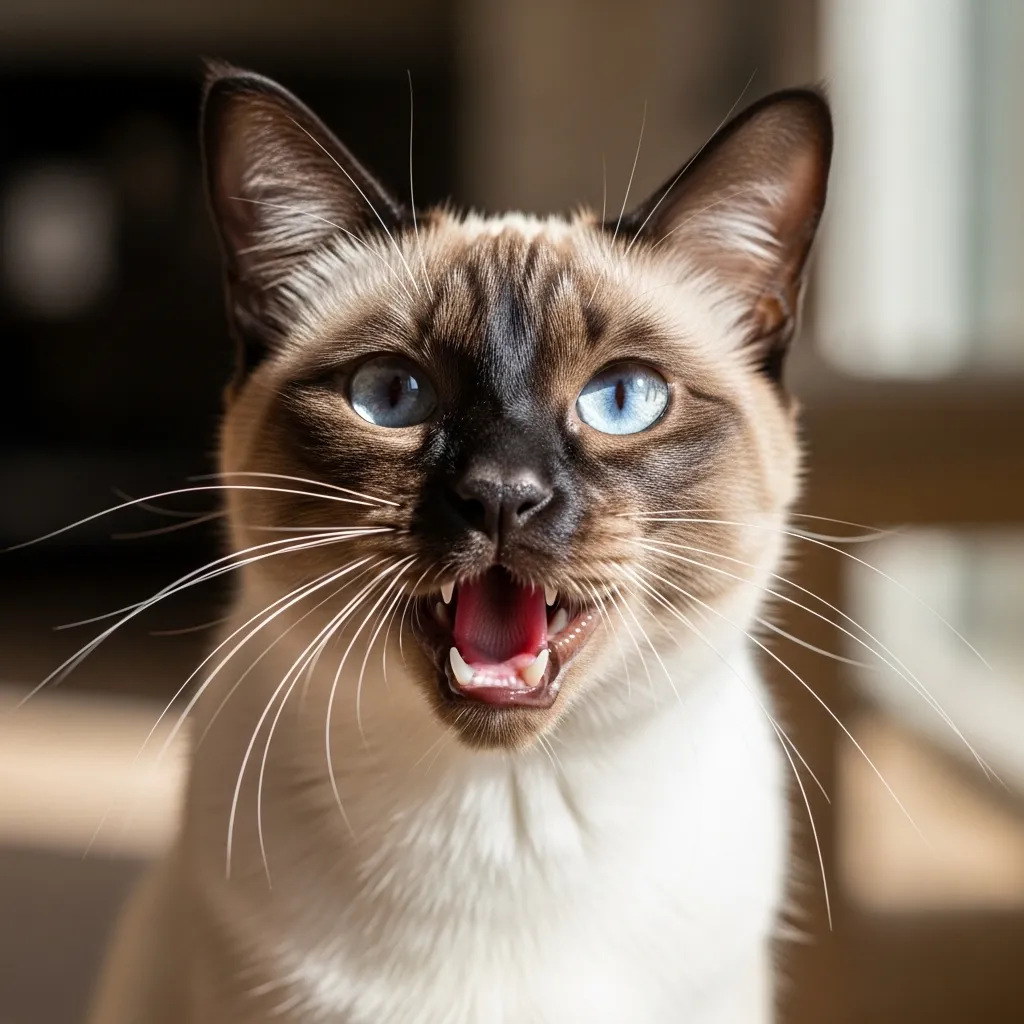
Some cat breeds are naturally more vocal. Siamese, Oriental Shorthairs, and Bengals are known for their chatty personalities. They simply like to talk.
Even mixed-breed cats can have a vocal personality. Some cats meow just to hear themselves, or to keep a running commentary on life.
If your cat has always been a talker, it’s probably just their nature. You can try to reduce it with enrichment, but sometimes you just have to embrace the conversation.
Conclusion
Nighttime meowing can be exhausting, but it’s almost always a message. Your cat is trying to tell you something—whether it’s hunger, boredom, discomfort, or just a need for connection. The first step is listening, not just with your ears but with your eyes. Watch their behavior, check their health, and adjust their routine.
Be patient with yourself and your cat. Some solutions work overnight, others take a week or two. You know your cat best. Trust that bond, and you’ll both get better sleep soon.
Sweet dreams to you and your furry friend.
[[IMG:IMG12]]
FAQ: Quick Answers to Common Questions
Q: Should I ignore my cat’s nighttime meowing?
A: It depends on the cause. If it’s for attention, ignoring can help. But always rule out medical issues or hunger first. A vet check is a good starting point.
Q: Will a second cat stop the meowing?
A: Sometimes! A playmate can reduce loneliness and boredom. But it’s not guaranteed. Some cats prefer being solo. Introduce a new cat slowly.
Q: Can I train my cat to sleep through the night?
A: Yes, with consistency. Create a routine of play, a small meal, and a calm environment. Over time, their internal clock can shift to match yours.
Q: Is it normal for kittens to meow at night?
A: Very normal. Kittens are adjusting to being away from their mother and littermates. They need comfort and reassurance. A warm bed and a ticking clock can help.
Q: When should I worry about nighttime meowing?
A: If the meowing is sudden, loud, or paired with signs of pain, confusion, or changes in appetite. Older cats especially need a vet check if behavior changes.