Cavalier King Charles Spaniel Snoring: Causes & Fixes
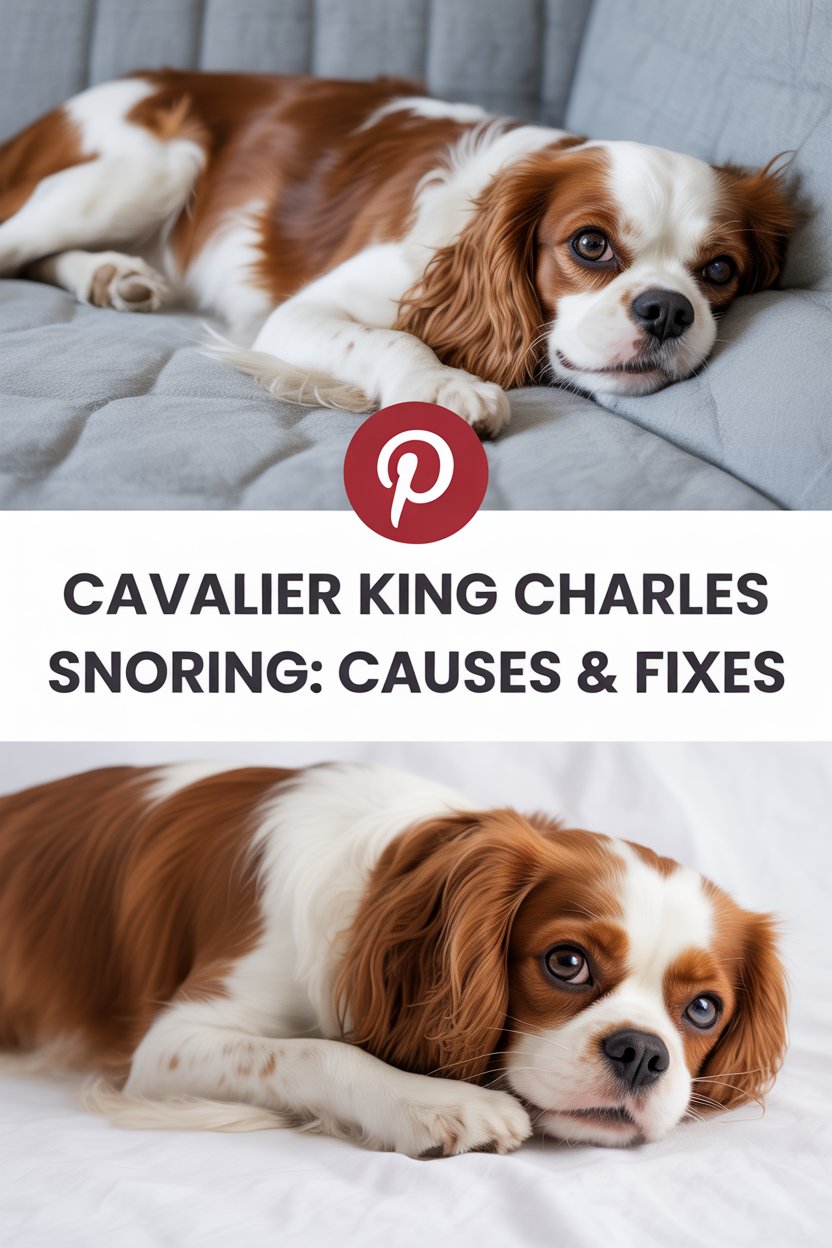
If you share your home with a Cavalier King Charles Spaniel, you already know how adorable and affectionate these little dogs are. But along with their cuddly charm, many Cavaliers come with a surprising habit — snoring! For some pet parents, that soft little rumble becomes an endearing nighttime soundtrack. For others, it raises concerns about their dog’s breathing and overall health.
The good news? Most snoring in Cavaliers is harmless, but there are times when it signals something more. Understanding why they snore can help you keep your pup comfortable, healthy, and breathing easily.
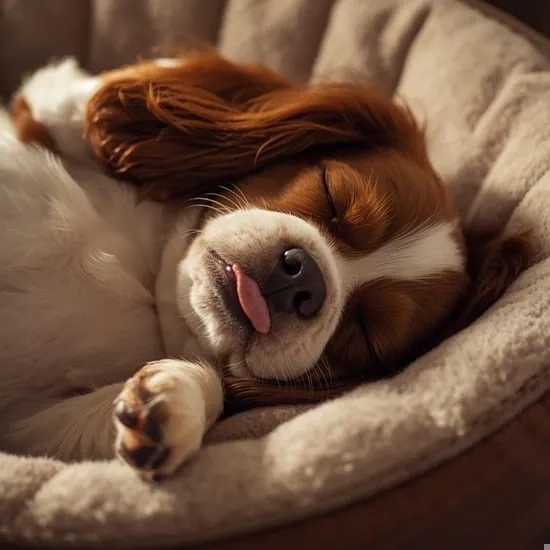
Why Do Cavaliers Snore?
Cavalier King Charles Spaniels can be prone to snoring for several reasons. While they aren’t classified as a brachycephalic (flat-faced) breed, their shorter muzzles can sometimes lead to narrower airways, making snoring more likely. Here are the most common causes:
1. Sleep Position
Just like people, dogs may snore simply because of how they sleep. Cavaliers who love snoozing on their backs tend to snore louder because gravity causes their tongue to relax backward, narrowing the airway.
2. Allergies
Cavaliers have sensitive noses and may react to dust, pollen, mold, or fragrances. Allergies cause nasal congestion, making it harder for air to pass smoothly.
3. Weight Gain
Excess weight puts pressure on the airway, leading to louder snoring. Even just a couple of extra pounds can make a difference for a small dog like a Cavalier.
4. Respiratory Infections
Colds, sinus infections, or kennel cough can temporarily cause snoring. These are usually accompanied by coughing, sneezing, or discharge.
5. Soft Palate Issues
Some Cavaliers have a slightly elongated soft palate, which vibrates when they breathe — causing snoring. This is usually harmless but can sometimes cause noisy breathing during the day as well.
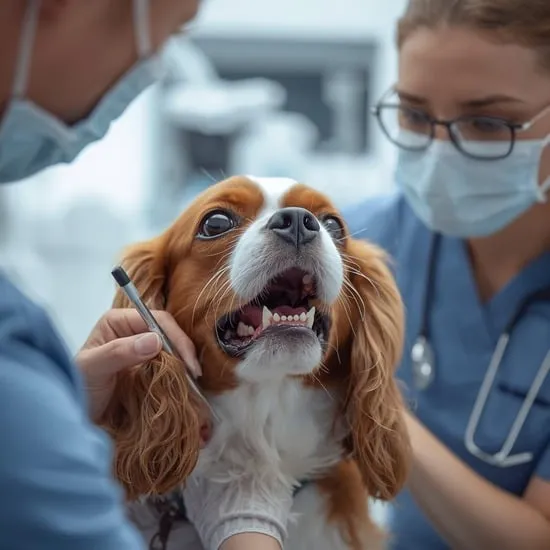
6. Dental Problems
Tooth infections, gum disease, or oral discomfort can affect breathing patterns. Regular dental care helps keep your dog’s airway and mouth healthy.
7. Environmental Irritants
Candles, smoke, cleaning sprays, and diffusers may irritate your dog’s airway. Cavaliers who are sensitive to smells may snore more in scented environments.
When Snoring Is a Concern
While most snoring is harmless, some signs suggest it’s time to call the vet. Contact your veterinarian if your Cavalier shows:
- Loud snoring that suddenly worsens
- Difficulty breathing while awake
- Gagging or choking sounds during sleep
- Blue or pale gums (seek emergency care)
- Chronic coughing or nasal discharge
These symptoms may indicate an obstruction, infection, or structural issue that needs medical attention.
How to Reduce Your Cavalier’s Snoring
If your dog’s snoring is mild but bothersome, there are several easy fixes that can help improve their breathing and comfort.
1. Adjust Their Sleep Position
Encourage your pup to sleep curled up or on their side rather than flat on their back. A supportive dog bed or soft pillow can help.
2. Keep Allergens Low
Vacuum frequently, wash bedding often, and consider using an air purifier. If you suspect seasonal allergies, talk to your vet about safe treatments.
3. Maintain a Healthy Weight
Portion control, high-quality food, and daily exercise help keep your Cavalier fit and reduce snoring caused by excess weight.
4. Clean Their Ears Regularly
Ears and airways are closely connected. Keeping your dog’s ears healthy helps reduce inflammation that may affect breathing.
5. Avoid Irritating Scents
Switch to unscented cleaning products and avoid strong candles or diffusers in your dog’s sleeping area.
6. Try a Humidifier
A humidifier adds moisture to the air, helping dogs who snore due to dry nasal passages or mild congestion.
7. Visit the Vet When Needed
If snoring is loud, chronic, or paired with other symptoms, your veterinarian can evaluate your dog’s airway and recommend treatment.
Final Thoughts
Cavalier King Charles Spaniels are cuddly, gentle companions — and yes, sometimes they snore like tiny little celebrities. Most of the time, it’s completely normal and even a little adorable. But paying attention to changes in their snoring patterns can help you catch early signs of discomfort or illness.
By understanding the causes and knowing how to help, you’ll ensure your Cavalier sleeps deeply, breathes easily, and stays as happy and healthy as possible.