Why Do Cats Purr So Loudly? (And What That Rumble Really Means)
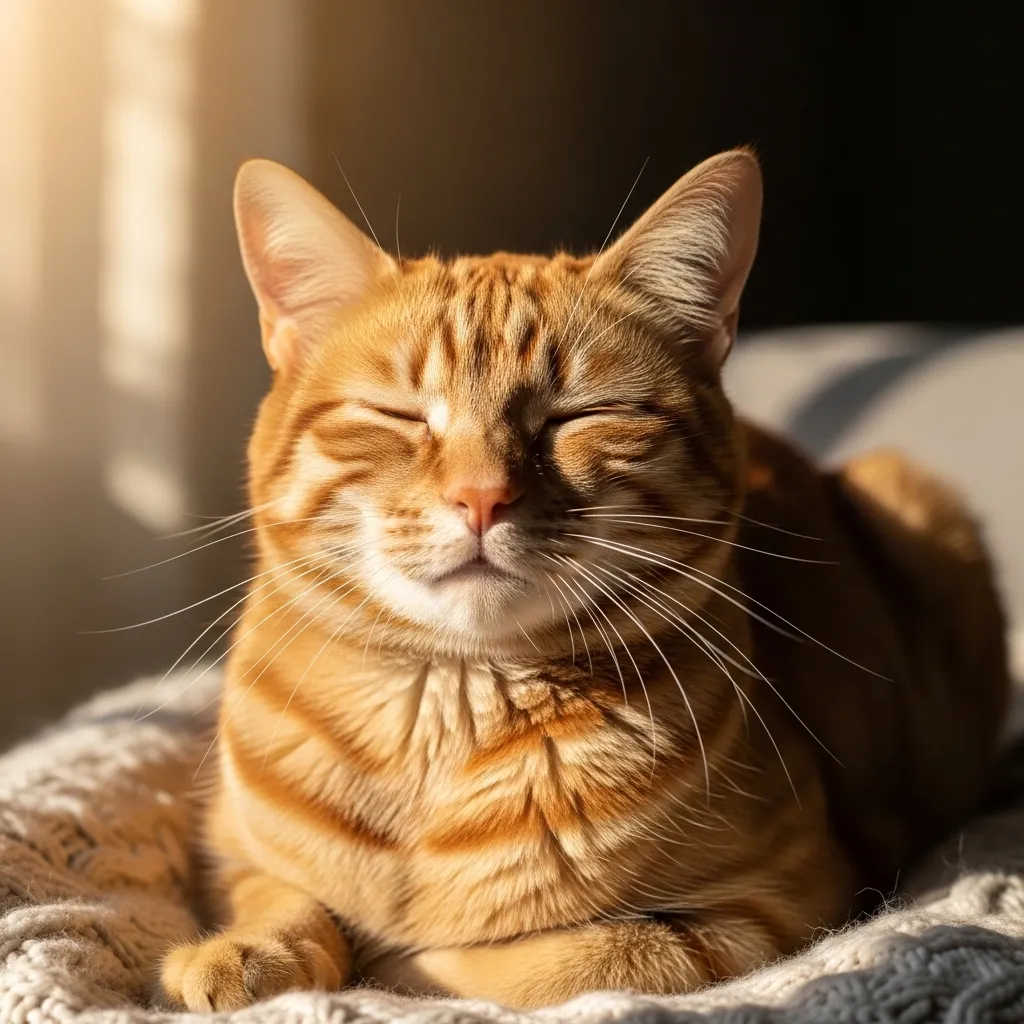
You know that moment. You’re settling into bed, and your cat jumps up, kneads your chest for a minute, and then starts purring like a tiny motorboat. It’s loud. It’s rumbly. And sometimes, you can feel the vibration all the way through your pillow.
I live with a cat who purrs so loudly, I can hear her from across the room. It used to make me wonder—is she okay? Is she in pain? Or is she just that happy? Over the years, I’ve learned that a loud purr can mean a few different things, and most of them are actually pretty fascinating.
Let’s break down the real reasons behind that big, beautiful rumble. It’s not just about happiness—it’s a whole language.
1. Pure, Unfiltered Contentment
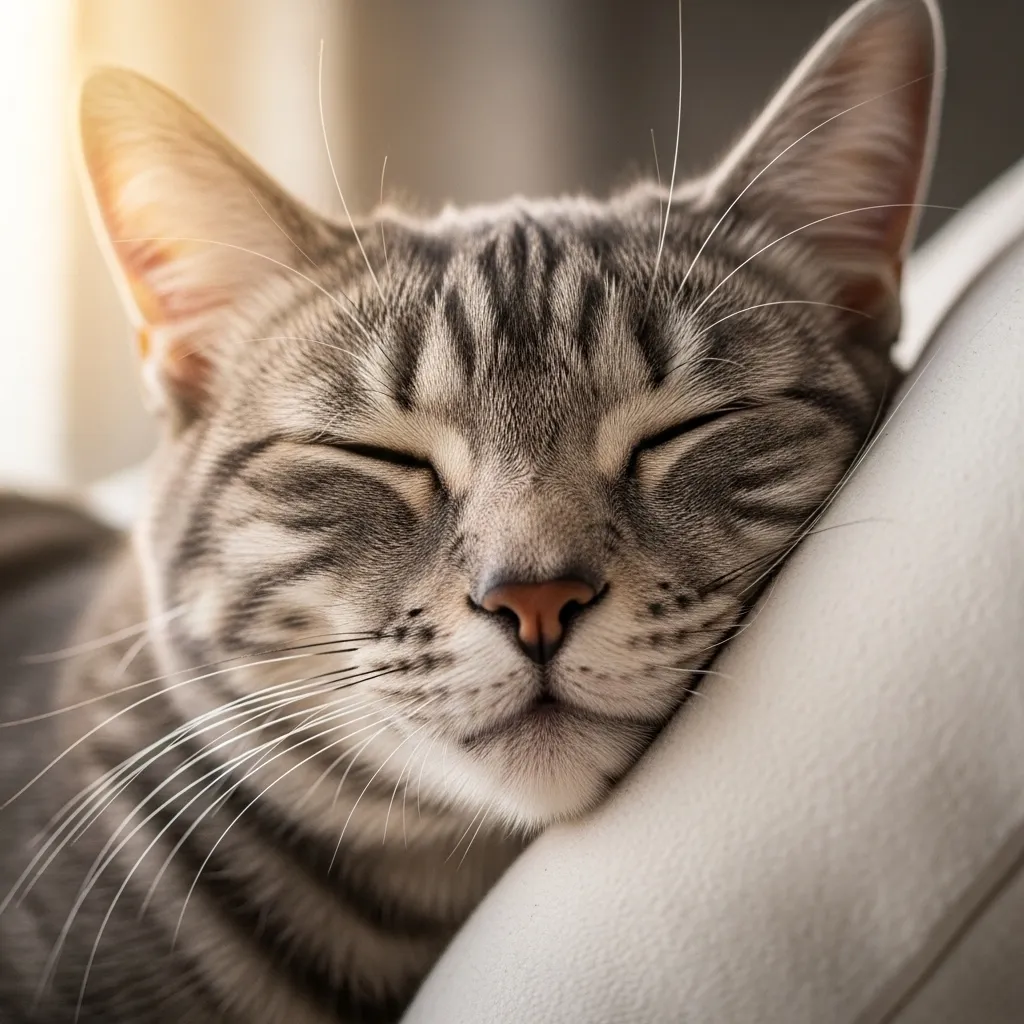
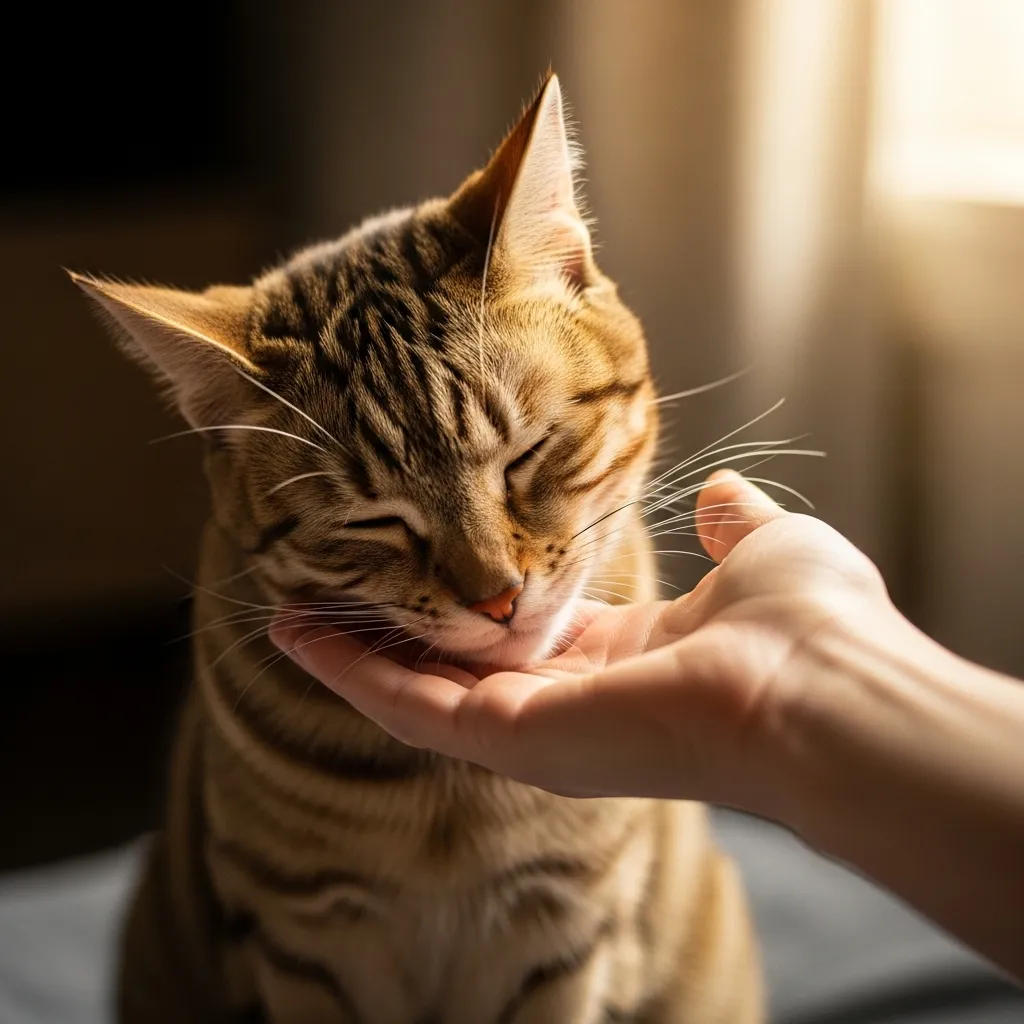
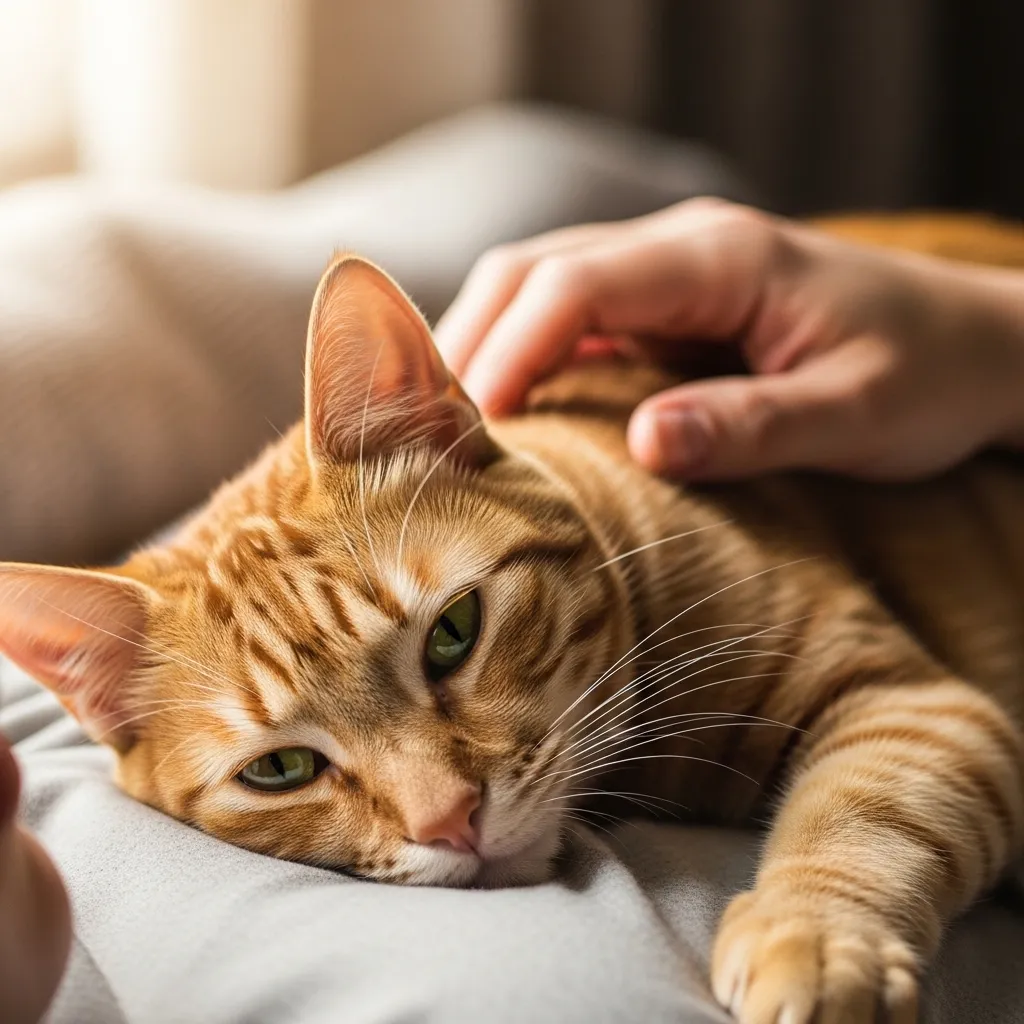
The most common reason for a loud purr is simple: your cat is blissed out. When they’re curled up on your lap, being scratched behind the ears, that deep rumble is their way of saying “this is perfect.” It’s the feline equivalent of a deep, happy sigh.
Think of it as a self-soothing sound. They feel safe, warm, and loved. And when they’re that relaxed, the purr engine revs up high. If your cat is kneading your blanket at the same time, you’ve hit the jackpot of cat happiness.
It’s a bonding moment. They’re sharing their calm with you. Soak it in.
2. They’re Asking for Something (Loudly)
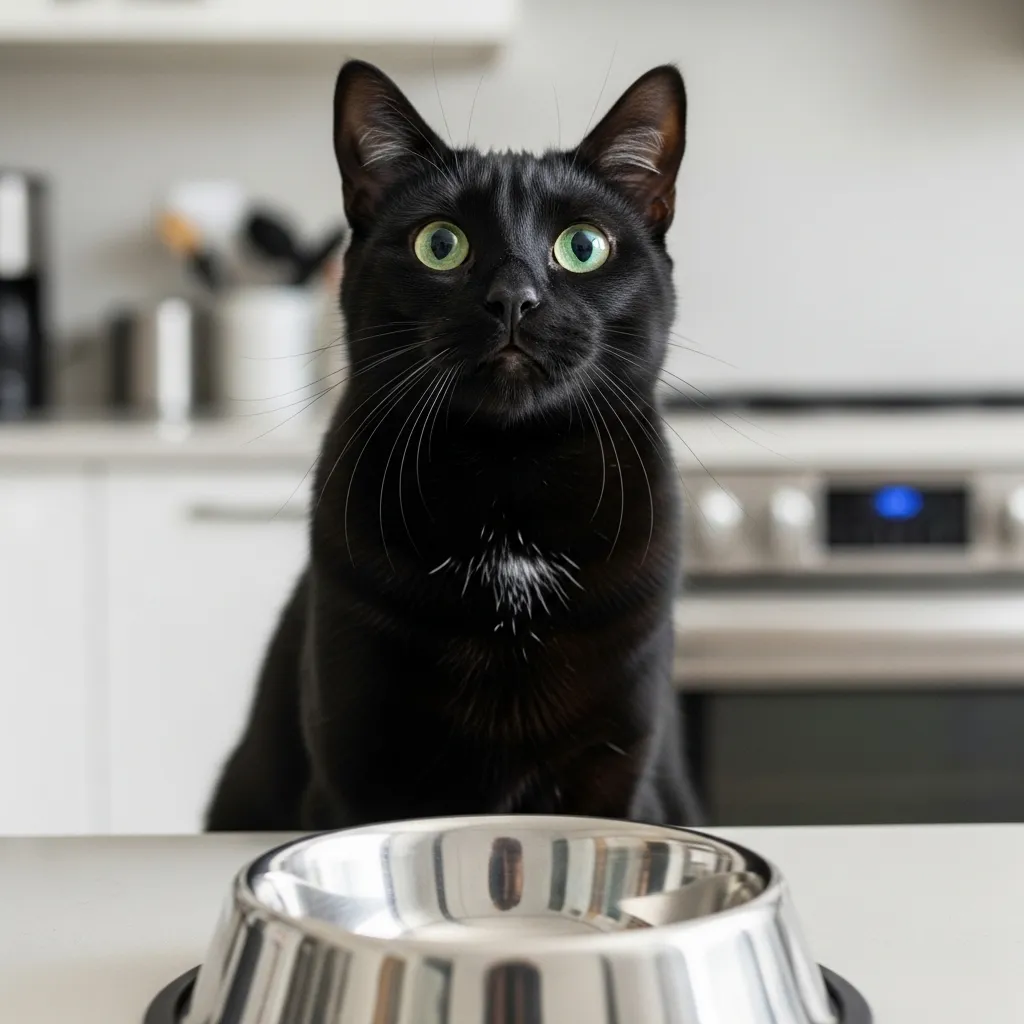
Not all loud purrs are about relaxation. Sometimes, your cat is using that rumble as a tool. Have you noticed a purr that sounds a bit more urgent, maybe mixed with a tiny meep or a squeak? That’s the “solicitation purr.”
Studies have shown that cats can mix a high-frequency cry into their purr. It sounds a lot like a human baby’s cry, and it’s designed to get your attention fast. Your brain is wired to respond to that sound, so you jump up and check the food bowl.
It’s manipulative in the best way. They know what works. If your cat is purring loudly near the kitchen or by their treat stash, that rumble is a polite (but insistent) demand.
3. Self-Healing and Pain Relief
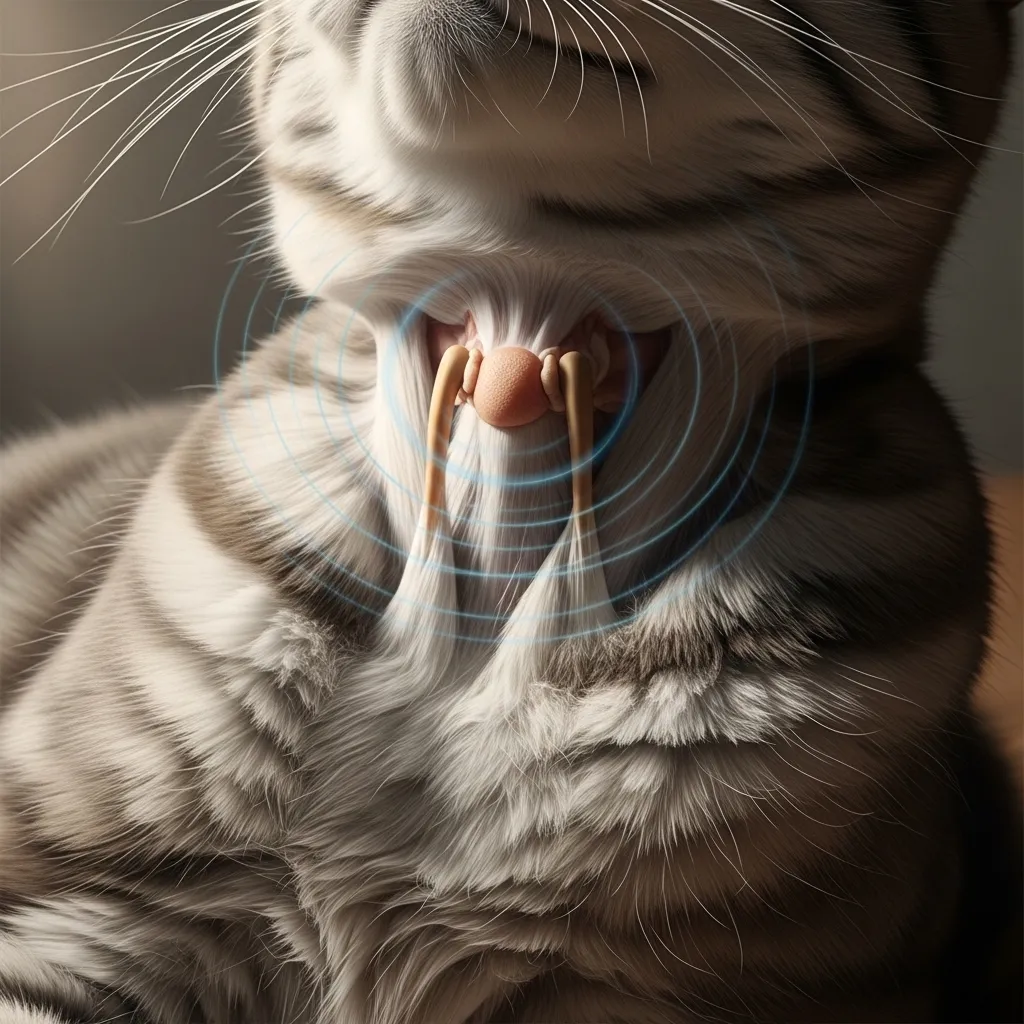
This one surprises most people. Cats purr when they’re hurt or stressed, too. The frequency of a cat’s purr—usually between 25 and 150 Hertz—is actually within a range that can promote bone density and tissue repair.
That means a loud purr might be your cat’s way of self-medicating. If they’ve had a long day, a minor injury, or they’re feeling anxious, that deep vibration can help soothe their own body. It’s like a built-in massage gun.
If your cat is purring loudly but also hiding or not eating, check in with them. A loud purr isn’t always a happy purr—sometimes it’s a coping mechanism. But most of the time, it’s just their body doing its thing.
4. Breathing and Relaxation Technique
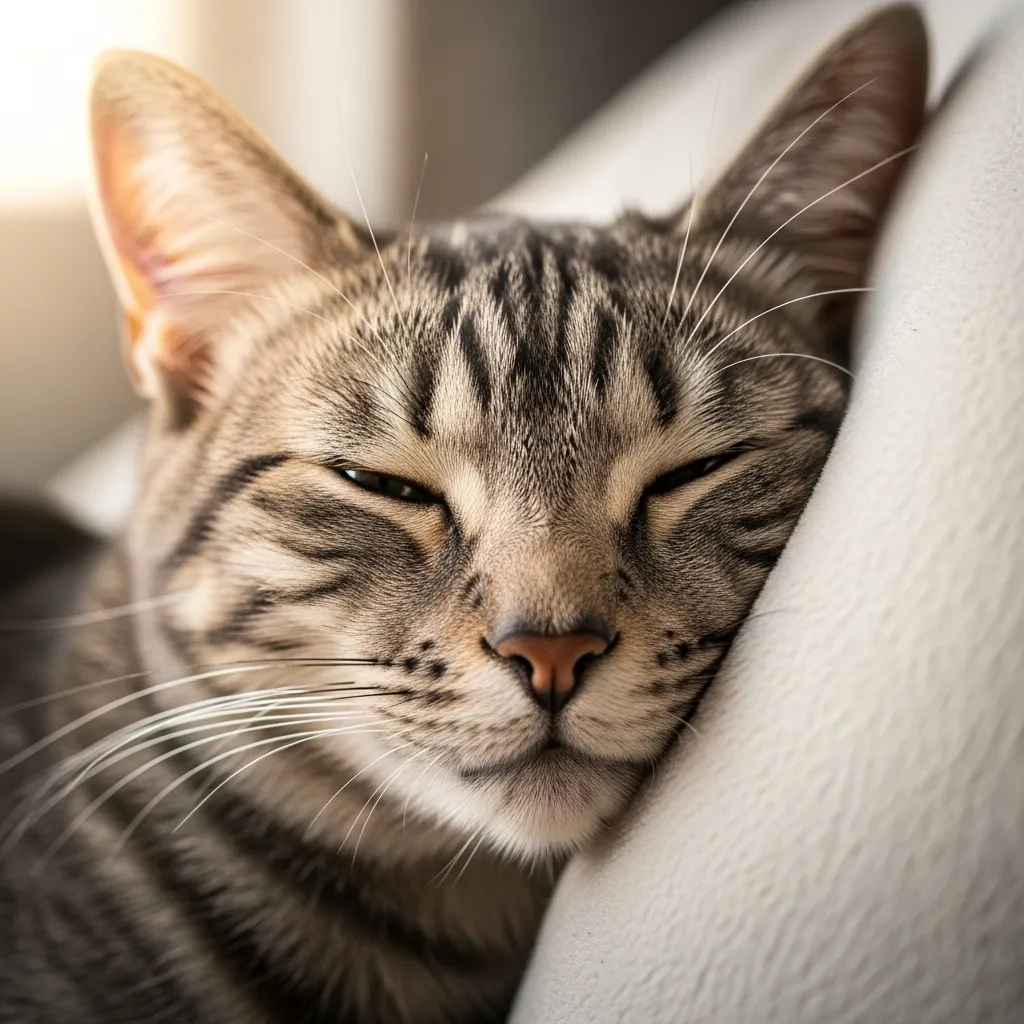
Have you ever noticed that your cat’s purr syncs up with their breathing? It’s not random. Purring happens as they inhale and exhale, creating a steady, rhythmic vibration. For a cat, that rhythm is deeply calming.
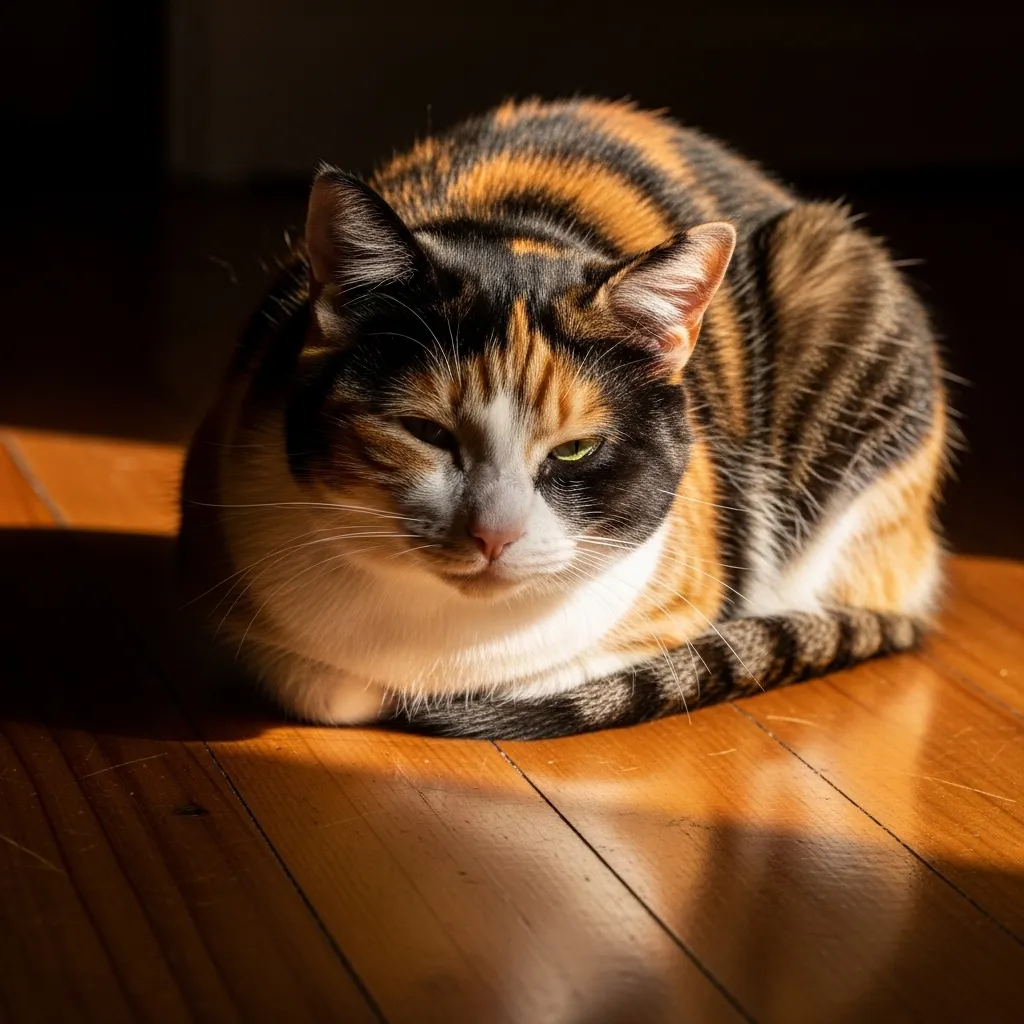
Think of it as feline meditation. When they’re trying to fall asleep or just unwind, that loud, steady rumble helps them slow down. It’s a physical anchor that tells their nervous system, “We are safe. We can rest now.”
If you’re lying next to them, it can be contagious. That rhythmic vibration is calming for humans, too. It’s one reason why having a purring cat on your chest can lower your own blood pressure.
5. It’s a Greeting (You’re Important)
When your cat walks into the room and starts purring loudly before you’ve even touched them, that’s a greeting. They’re saying, “Oh, it’s you! I’m so glad you’re here.” It’s a vocal hello that signals recognition and affection.
This is especially common when you come home after being away. Your cat might run to the door, tail up, and start that deep rumble immediately. They’re not just happy to see you—they’re announcing your arrival to the entire household.
It’s a big deal in cat language. They don’t do that for just anyone. If you get a loud purr as a greeting, you’re part of their inner circle.
6. They’re Bonding With Other Cats (Or You)
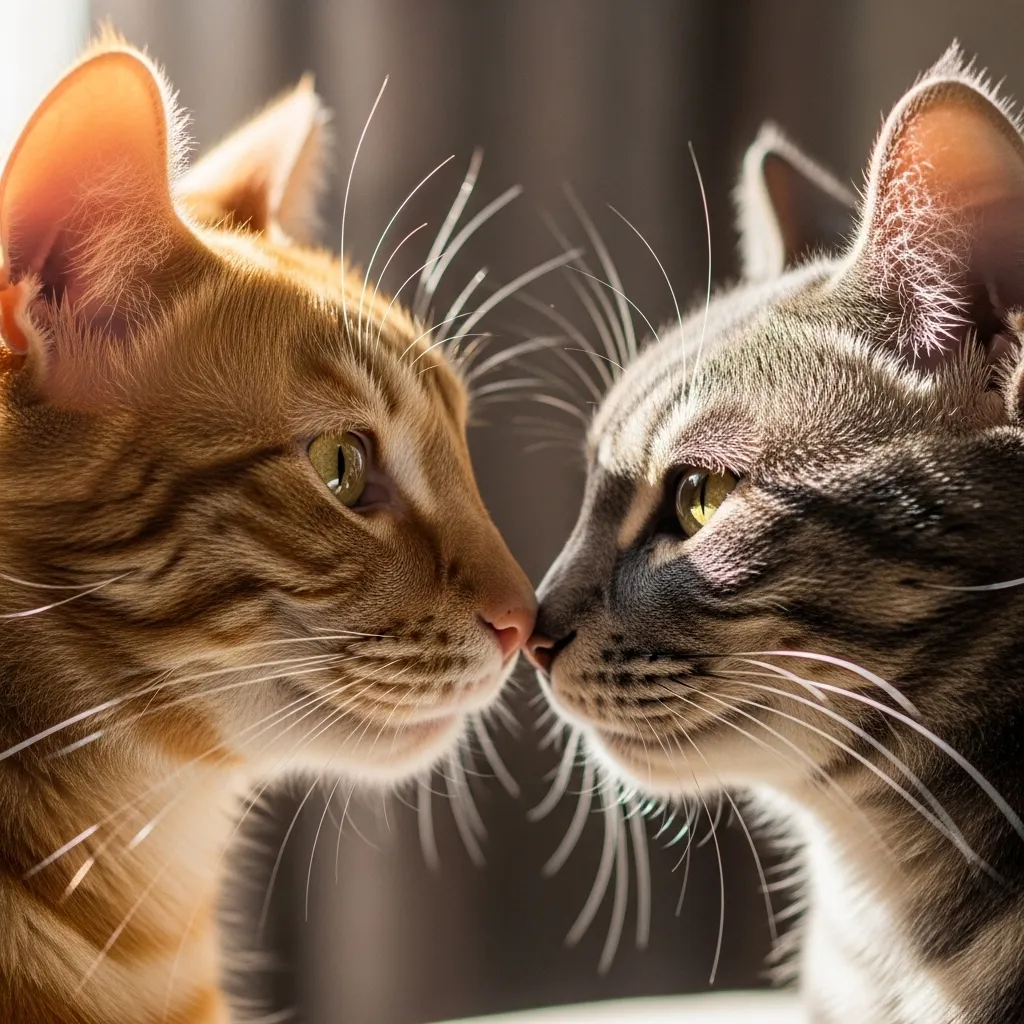
Kittens start purring when they’re just a few days old. They can’t see or hear well yet, but they can feel the vibration. That purr lets their mother know they’re okay and that they’re nursing. The mother cat often purrs back, creating a two-way signal of safety.
As adults, cats carry this behavior forward. When your cat purrs loudly on your lap, they’re treating you like family. That vibration is a signal of trust. They’re saying, “You are my safe person.”
It’s not just about comfort—it’s about communication. A loud purr between bonded cats (or a cat and their human) is a constant reassurance that everything is fine.
7. They’re Just Naturally Built That Way
Some cats are simply louder than others. It’s not always about emotion—sometimes it’s just anatomy. Certain breeds, like Siamese, Burmese, and Ragdolls, are known for being more vocal in general. Their purrs can be naturally deeper or louder.
But even within the same litter, you’ll find one cat who purrs like a lawnmower and another who barely makes a sound. It’s part of their personality. My loudest cat has been loud since she was a kitten. It’s just how she rolls.
If your vet says your cat is healthy, then a loud purr is just their unique way of expressing themselves. Embrace the noise.
8. Stress and Anxiety (The Quiet Side of Loud)
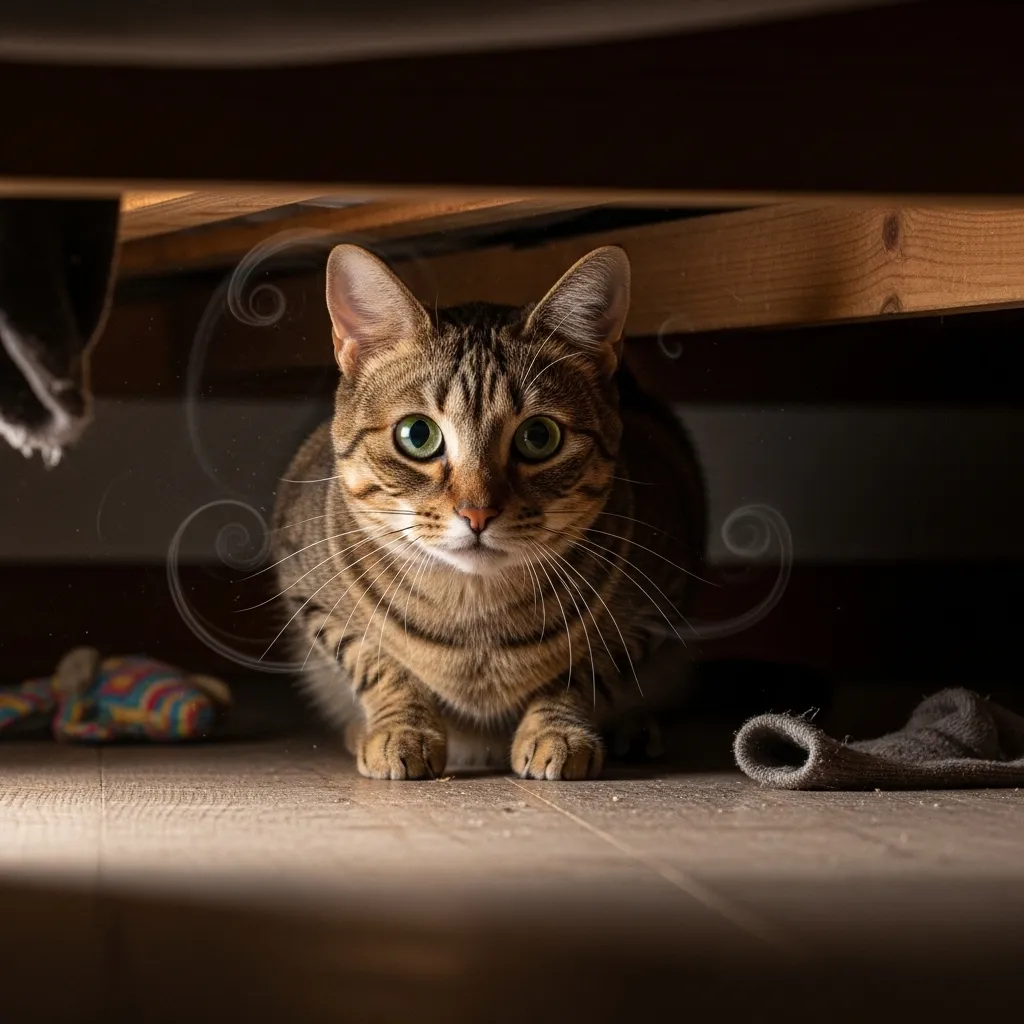
Here’s the tricky part: a very loud purr can sometimes mean your cat is overwhelmed. Some cats purr to calm themselves down in stressful situations—like a trip to the vet, a thunderstorm, or a new pet in the house.
It’s not a happy purr. It’s a “I’m trying to be okay” purr. Pay attention to body language. If your cat is purring loudly but their ears are flat, their pupils are dilated, or they’re hiding, they’re not relaxed—they’re coping.
In these moments, don’t force interaction. Let them purr it out. That vibration is their medicine. Just being nearby can help them feel safer.
9. They’re Trying to Soothe You
Cats are more emotionally intelligent than we give them credit for. If you’re sad, anxious, or not feeling well, your cat might jump on your chest and start purring loudly. They’re not just looking for pets—they’re trying to help.
Remember, purring has healing frequencies. Your cat might instinctively know that the vibration can help you feel better. It’s a mutual care system. You take care of them, and they take care of you.
Next time you’re having a rough day and your cat shows up with that loud rumble, thank them. They’re doing their job.
10. It’s a Sign of Trust and Vulnerability
Purring requires energy. It’s not something cats do lightly. When your cat purrs loudly in your presence, they are making themselves vulnerable. In the wild, a loud sound could attract predators. But with you, they feel safe enough to let that rumble out.
It’s the ultimate compliment. They are showing you their soft underbelly (sometimes literally) and saying, “I trust you completely.” That loud purr is a sound of surrender and love.
So when your cat is snoring away on your chest, purring like a tiny engine, remember: that sound is a gift. It’s a sign that you’ve earned their trust.
Conclusion: That Loud Purr Is a Love Letter
So why do cats purr so loudly? The answer is layered. Sometimes it’s pure joy. Sometimes it’s a request. Sometimes it’s healing. But most of the time, it’s a sign that you and your cat share a deep, trusting bond.
Don’t overthink it too much. If your cat is healthy, eating well, and acting normal, that loud rumble is just their way of talking to you. Listen to it. Enjoy it. And maybe record it—because someday, you’ll miss that sound.
Your cat’s purr is their voice. And when it’s loud, it means they’re not afraid to be heard.
Frequently Asked Questions
Can a cat purr too loudly?
Generally, no. Some cats are just naturally louder. But if the purring seems forced, or if it’s accompanied by other symptoms like hiding or not eating, check with your vet to rule out pain or stress.
Why does my cat purr when I’m sad?
Your cat is likely trying to comfort you. The vibration of their purr can be soothing, and they can sense your emotional state. It’s their way of offering support.
Is it true that purring helps heal bones?
Studies suggest that the frequency of a cat’s purr (25–150 Hz) can promote bone density and tissue repair. It’s a built-in healing mechanism for them, and some research suggests it may have benefits for humans too.
Why does my cat purr when being petted but then bite me?
That’s usually overstimulation. Your cat is enjoying the petting, but eventually it becomes too much. The purr was real, but their tolerance ran out. Watch for tail twitching or skin rippling as a warning sign.
Do all cats purr?
Most domestic cats purr, but not all. Some cats have a very quiet purr that’s hard to hear. Big cats like lions can’t purr the same way—they roar instead. Your house cat’s purr is a special adaptation just for close bonding.