10 Pet Friendly Backyard Designs That Are Beautiful and Built for Play
If you have a dog (or a cat who thinks they’re a dog), you know the backyard isn’t just for pretty flower beds anymore. It’s a racetrack, a digging zone, a napping spot, and a potty station. Finding a design that’s both lovely to look at and tough enough for your furry friend can feel like a real puzzle.
I’ve spent years testing what works and what gets destroyed in my own yard. I’ve learned that the secret isn’t about limiting your pets—it’s about designing smart spaces that make them happy and keep your outdoor area looking great. Let’s explore ten practical, beautiful ideas that actually hold up.
1. Create a Dedicated Digging Pit
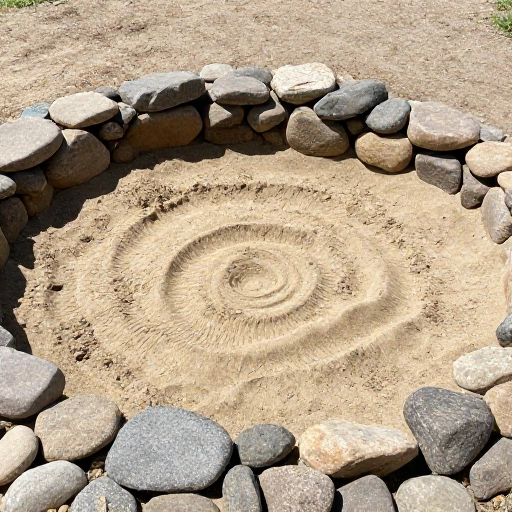
Dogs love to dig, but they don’t have to ruin your lawn to do it. Build a simple sandbox or a low wooden frame filled with soft play sand. Bury toys, bones, or treats inside to teach them that this spot is their special digging zone.
Place the pit in a shady corner so it stays cool in summer. Fill it with “kid-safe” sand, not beach sand, because it’s cleaner and doesn’t hold odors as much. The rest of your garden will thank you for this simple trick.
Make the pit deep enough—at least ten inches—so they can really get their paws in there. I added a small wooden border to mine, and it looks like a cute planter box when it’s not in use.
2. Install a Recycled Rubber Mulch Path
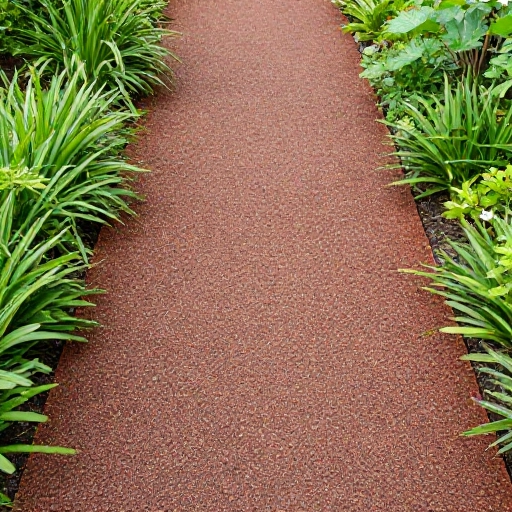
Regular wood mulch can splinter, and cocoa mulch is actually toxic to dogs. The safest and most stylish option is recycled rubber mulch. It feels springy under paws, doesn’t rot, and never fades in the sun.
Use it to create winding paths around your garden beds. It gives your yard a clean, polished look while protecting your pet’s joints from hard concrete. Plus, it doesn’t wash away in heavy rain like bark does.
You can choose dark brown or black, which looks natural and hides the occasional dirt clump. It’s a bit pricier upfront, but you’ll never have to replace it, so it’s a money-saver in the long run.
3. Build a Turf Zone for Heavy Traffic
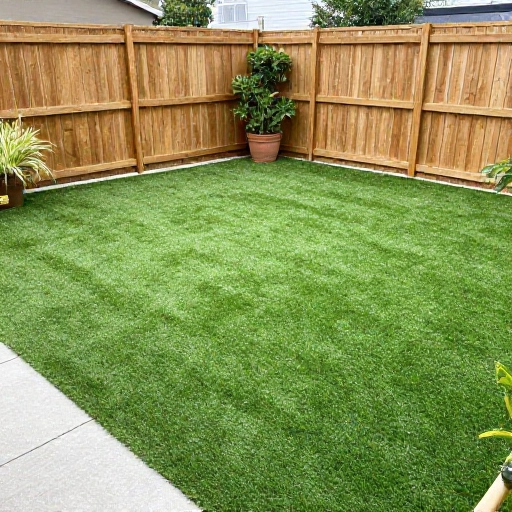
Let’s be honest: real grass can’t survive constant dog zoomies. Instead of fighting the dead patches, create a dedicated turf area. Modern synthetic grass looks incredibly real and feels soft on bare paws.
Use it in the main running path or near the back door where your pet enters and exits. It drains well, so no muddy footprints after a rainstorm. You can simply spray it down with a hose to clean it.
I recommend installing it with a layer of silica sand infill. This keeps the blades standing up and neutralizes any odors. Your dog will love the bounce, and you’ll love never mowing that section again.
4. Add a Splash-Proof Water Station
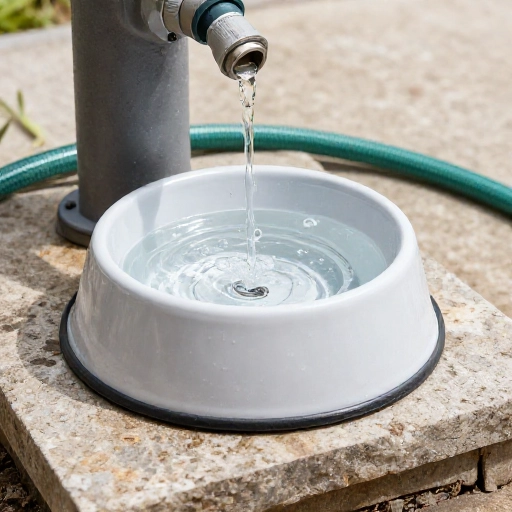
Pets get thirsty fast when they’re running around. Instead of a bowl that tips over, build a permanent water fountain station. A simple pet fountain with a recirculating pump keeps water fresh and moving, which invites them to drink more.
You can install a small spigot next to a built-in stone basin. It looks like a natural garden feature, but it doubles as a doggy drinking hole. Place it on a bed of pebbles so splashes don’t create mud.
If you live in a hot area, add a shallow splash pad pad nearby. In summer, I turn mine on for a few minutes, and my dog goes wild. It’s the perfect way to cool off without filling up a plastic kiddie pool.
5. Design a Shady Retreat with a Canopy
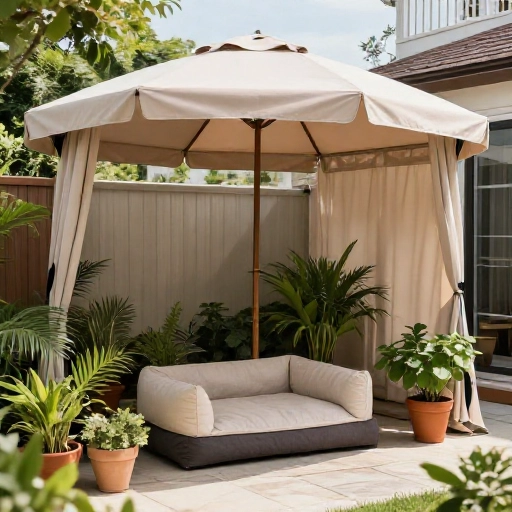
Dogs can overheat quickly, even in their own backyard. A shaded area isn’t just a luxury; it’s a necessity. Install a sail shade or a pergola over a corner of your patio to create a cool oasis.
Underneath, set up a raised cot bed instead of a standard dog bed. The airflow underneath keeps them cool, and it keeps them off the hot ground. Choose a washable cover so you can toss it in the laundry easily.
Add some large potted ferns or tall grasses around the edges. They create extra shade and make the space feel like a cozy jungle den. This spot will quickly become your pet’s favorite napping place.
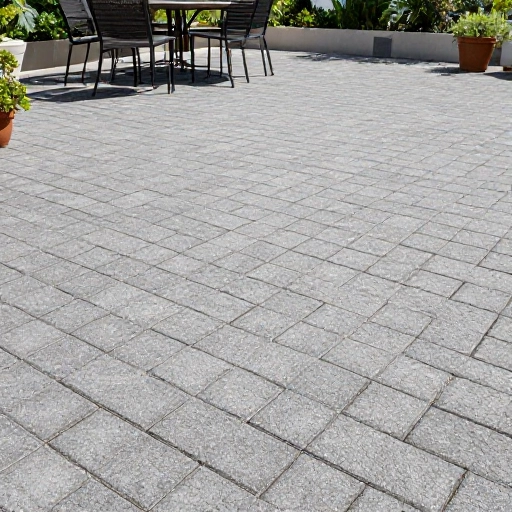
6. Use Paw-Friendly Pavers for Patios
If you’re laying a patio, think about the heat. Dark stone and concrete can get scorching hot in the summer sun. Light-colored pavers, like travertine or limestone, stay much cooler underfoot.
Choose pavers with a textured, non-slip surface. This gives your dog better traction when they’re making sharp turns during fetch. Avoid smooth tiles that get slippery when wet.
Lay the pavers with a wider gap filled with grass or creeping thyme. This softens the look and gives your pet a bit of natural ground between the hard surfaces. It also helps with drainage during heavy rain.
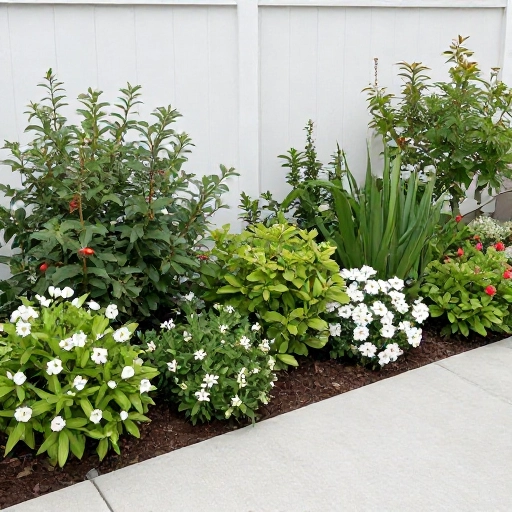
7. Plant a Secure, Non-Toxic Border
Fences are great, but adding a living border makes your yard feel lush and private. Before planting, double-check that everything you choose is non-toxic to pets. Avoid sago palm, azaleas, and oleander.
Use sturdy shrubs like boxwood or barberry along the fence line. They create a dense green wall that blocks out noise and neighbors. They’re also tough enough to survive a bit of rough play.
Leave a gap between the plants and the fence so your dog can still patrol the perimeter. I learned the hard way that planting right against the fence creates a muddy track. A small gravel path solves that problem.
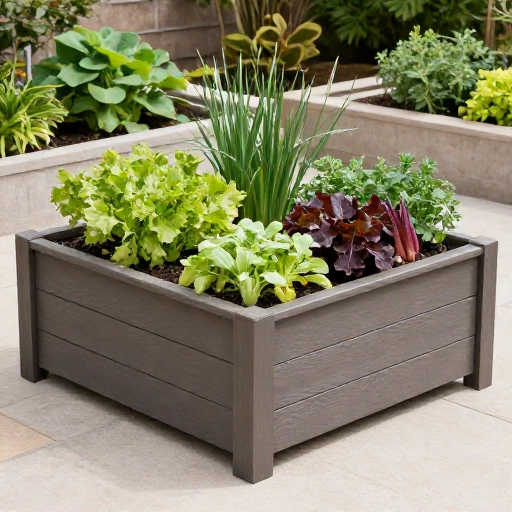
8. Install a Raised Garden Bed Planter
If you love gardening but your dog loves digging, raised beds are your best friend. They put your vegetables and flowers out of reach of curious noses and paws. Plus, they look incredibly neat and organized.
Build them at least 24 inches tall so small dogs can’t jump in. Use cedar wood, which naturally resists rot and insects. The height also makes weeding much easier on your back.
Fill the bottom with a layer of hardware cloth to stop determined diggers from tunneling under. It’s an invisible barrier that keeps your soil in place. Your plants will thrive, and your pet won’t be able to reach them.
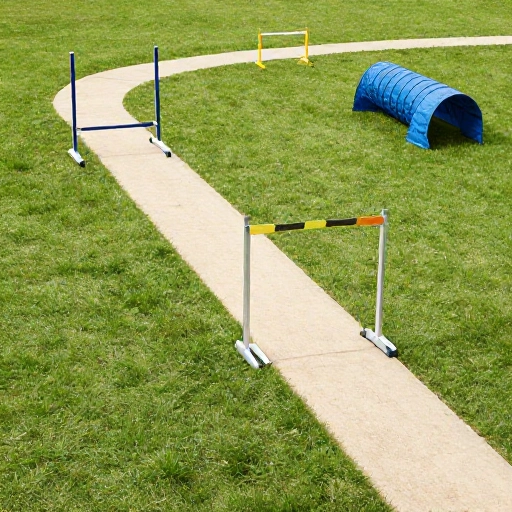
9. Create a Long, Winding Agility Course
Turn your yard into a fun playground for your pet. You don’t need fancy equipment—just a few DIY obstacles. Wooden jumps, PVC tunnels, and weave poles can be built in a weekend.
Set up the course along a natural path around the yard. It gives your dog mental stimulation and burns off that endless energy. Use bright colors to make it visually appealing, or stain the wood to match your garden.
Start simple with one or two obstacles and add more as they learn. I use old tires painted bright blue for a jump base. It’s a conversation starter and my dog goes absolutely bonkers every time we go outside.
10. Add a Pet Door with a Covered Porch
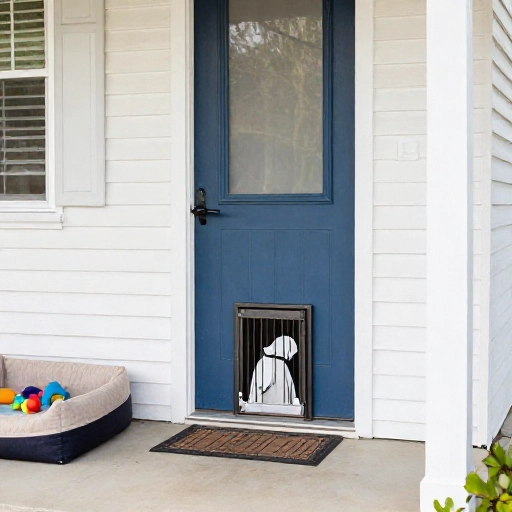
Give your pet the freedom to come and go as they please. Install a pet door in a back door that leads to a covered porch or a small patio awning. This gives them a dry spot to sit and watch the rain.
Make sure the porch area is non-slip and easy to clean. Use an outdoor rug that you can hose down or wipe off. This prevents muddy paw prints from tracking all the way through your house.
Add a hook outside for a leash and a small bin for toys. It keeps all the pet stuff contained and off your kitchen counter. This little mudroom setup makes life so much easier for both of you.
Wrapping Up Your Pet Paradise
Designing a backyard for pets is all about compromise. You don’t have to sacrifice style to make your furry friends happy. With a little planning, you can create a space that’s durable, safe, and beautiful for everyone.
Start with the biggest problem area first—whether that’s a muddy track or a destroyed lawn—and build from there. Every small change adds up to a yard that works for your lifestyle, not against it. Your pets will be healthier and happier, and you’ll actually enjoy spending time outside with them.
Frequently Asked Questions
What is the best ground cover for a dog run?
Recycled rubber mulch or pea gravel are the best options. They are soft on paws, drain well, and are easy to clean. Avoid wood bark that can splinter or attract insects.
Are there any plants that are safe for dogs?
Yes, many common plants are safe, including sunflowers, marigolds, rosemary, and snapdragons. Always check the ASPCA toxic plant list before adding anything new to your garden.
How do I stop my dog from digging under the fence?
Bury a wire mesh or concrete pavers along the fence line, about one to two feet deep. This creates a physical barrier that stops them from tunneling out.
Is artificial grass safe for pets?
Absolutely, when installed correctly. Modern pet-specific turf is non-toxic, drains well, and is easy to disinfect. Just make sure it uses a non-toxic infill like silica sand.
How can I keep a small yard pet-friendly?
Use vertical space by adding window boxes and wall planters. Choose multi-functional furniture that doubles as storage for toys. Stick to a small turf zone and a dedicated potty area to maximize play space.