10 Dog Park Design Ideas That Will Make Your Community the Talk of the Town
Let’s be honest—dog parks are more than just a place for pups to run wild. They’re where friendships are made (for both humans and canines), where weekend routines begin, and where a community truly shows its heart. If you’re dreaming up a new dog park or giving an old one a serious glow-up, you’re in the right place.
I’ve spent countless hours watching dogs zoom around, sniff every corner, and occasionally get stuck in a muddy puddle. And I’ve learned that the best parks aren’t the fanciest—they’re the smartest. They think about flow, safety, and the little details that make a tail wag nonstop. Here are ten design ideas that are practical, beautiful, and guaranteed to be a hit with your four-legged neighbors.
1. Separate Zones for Small and Large Breeds
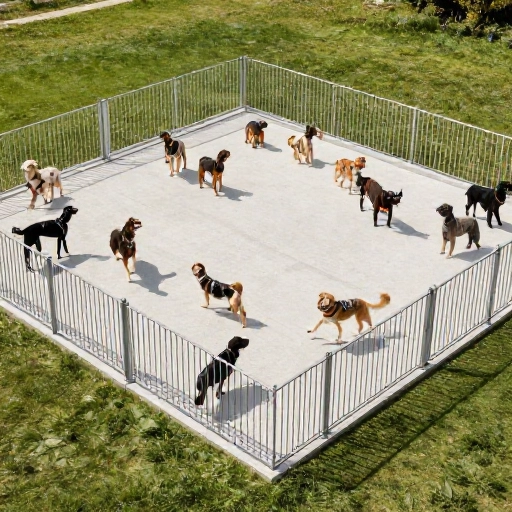
This is rule number one for a reason. A chihuahua and a Great Dane can be best friends, but play styles are totally different. Creating separate, fully fenced areas ensures that tiny pups don’t get overwhelmed and big dogs can roughhouse safely.
Make sure the fencing between the zones is solid and tall enough (at least 5 feet) to prevent climbing. Use double-gated entryways so no dog can sneak out while another is coming in. You’d be surprised how many escapes happen in that 3-second window!
Adding a small ”time-out” pen near the small dog area is a genius touch. It gives shy dogs a safe spot to decompress without leaving the park entirely.
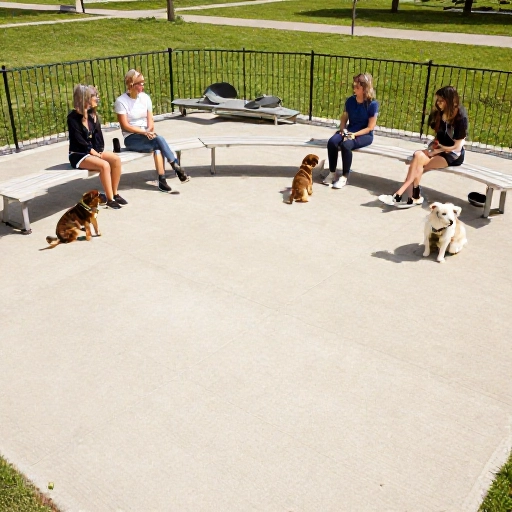
2. A Shaded ”Chill Zone” for Humans and Overheated Pups
We all love a sunny day, but nobody loves a sunburned nose or burnt paws on hot pavement. Design a large, dedicated shaded area with picnic tables, benches, and maybe a few hammocks. Use natural shade from trees or install sturdy shade sails that can handle the wind.
This zone should be slightly elevated or set back from the main running area. It gives owners a clear view of the whole park while keeping them comfortable. Trust me, if the humans are comfortable, they’ll stay longer and visit more often.
Don’t forget a few water fountains with a low dog bowl attachment. Hydration is non-negotiable, especially during summer zoomies.
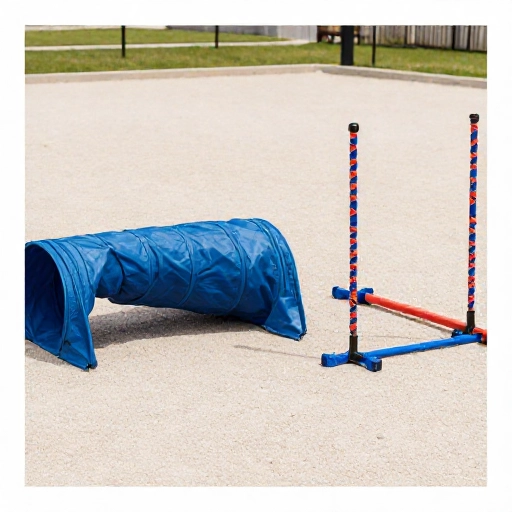
3. Add Agility Equipment That’s Built to Last
Forget flimsy plastic obstacles. Invest in powder-coated steel or maintenance-free recycled plastic. A classic A-frame, weave poles, and a low tunnel are perfect starters. These aren’t just for show—they provide essential mental stimulation that tires dogs out faster than running in circles.
Place the equipment on a soft, impact-absorbing surface like rubber mulch or turf. Never put agility gear on concrete or hard-packed dirt; it’s a recipe for sore joints.
Consider adding a ”beginner” section. A low log jump or a simple hoop can be a fun confidence booster for puppies who are still learning the ropes.
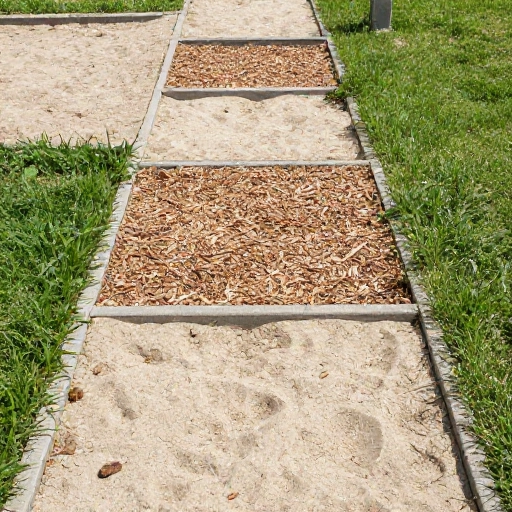
4. Design a Sensory Trail for Sniffing Adventures
Dogs experience the world through their noses. Instead of just a boring gravel loop, create a winding sensory path. Line it with different textures—soft sand, smooth pebbles, and cool grass. Plant dog-safe herbs like mint or lavender along the edges for them to sniff (just make sure they aren’t toxic).
Make the path loop around the perimeter of the park. This gives owners a nice walking route while the dogs get to explore at their own pace. It’s like a mini-hike without leaving the neighborhood.
Add a few ”sniff spots”—small raised beds filled with wood chips or hay where you hide treats for the dogs to find. It’s a simple idea that creates a ton of joy.
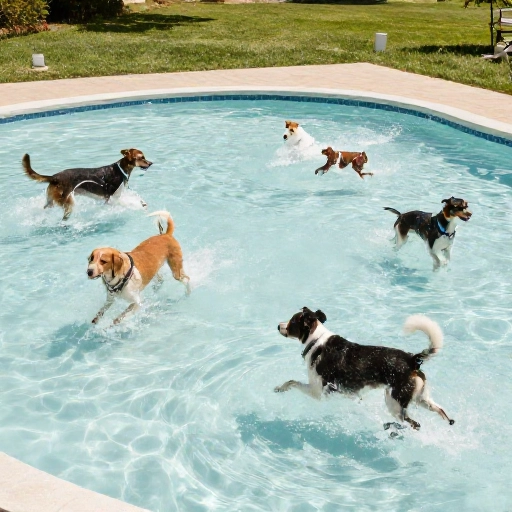
5. Create a Natural Pond or Splash Pad
Water is the ultimate fun magnet. If your budget allows, a natural, shallow pond with a gradual entry is a dream come true for retrievers and water lovers. Make sure it has a recirculating filtration system to keep algae at bay and a non-slip surface around the edges.
If a pond is too much maintenance, a splash pad with ground-level spray jets is a fantastic alternative. These are easy to clean and drain quickly.
Whichever you choose, add a ”drying area” with absorbent mats or artificial turf. Wet dogs love to roll in the dirt right after a swim, and having a designated spot to shake off helps keep the rest of the park cleaner.
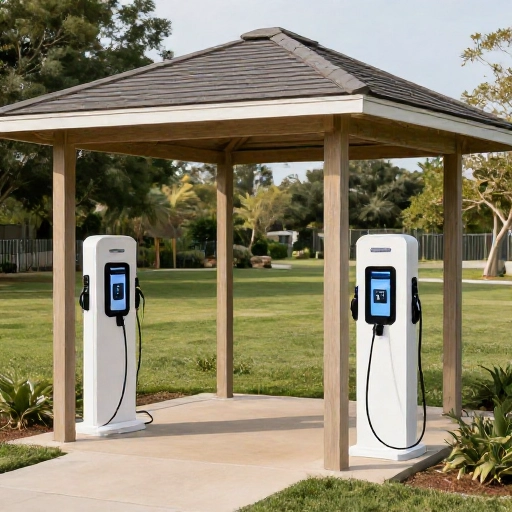
6. Build a Shaded Pavilion with Charging Stations
Let’s face it—we live on our phones. A beautiful, open-air pavilion with a few solar-powered charging stations is a huge bonus. It encourages people to stay, work remotely for an hour, or just relax while their dog plays.
Design it with durable, low-maintenance materials. Think concrete floors, metal roofing, and heavy-duty picnic tables that won’t blow over in a storm.
Add a bulletin board inside for community events, lost dog flyers, and local vet recommendations. This turns the park from just a dog run into a true community hub.
7. Install Smart Double-Gated Entry Systems
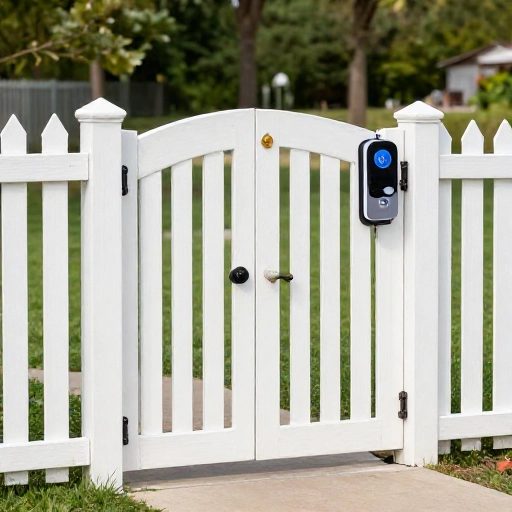
Safety is the backbone of any good dog park. The entrance is where most accidents happen. An ”airlock” system is a must—two gates that are offset so you must close one before opening the other. This prevents dogs from bolting out when a new friend arrives.
Make the gates tall and solid, with no gaps at the bottom that a tiny paw or nose could get stuck in. Use self-closing hinges and magnetic locks that are easy for humans (even those holding a coffee and a leash) to operate.
Add a ”leash-up” area just outside the gate with a bench and a small fence. This is where owners can safely take off leashes and collars before entering the frenzy.
8. Plan for Mud Season with a Puddle Drainage System
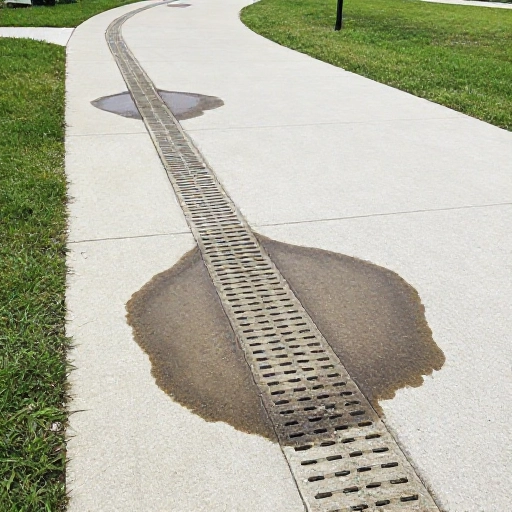
Nobody likes a swamp. If your park turns into a mud pit after rain, people will stop coming. Invest in a proper drainage system from the start. Use a base layer of crushed stone beneath your top surface (whether that’s pea gravel, sand, or turf) to allow water to run off quickly.
Consider adding a few ”mud-free” pathways made of permeable pavers. These allow owners to walk to the benches without getting their shoes dirty while the dogs play on the more natural surfaces.
Having a hose station with a spray nozzle near the exit is a lifesaver. It lets owners quickly rinse off muddy paws before getting back into their cars.
9. Incorporate Natural Shade Trees and Windbreaks
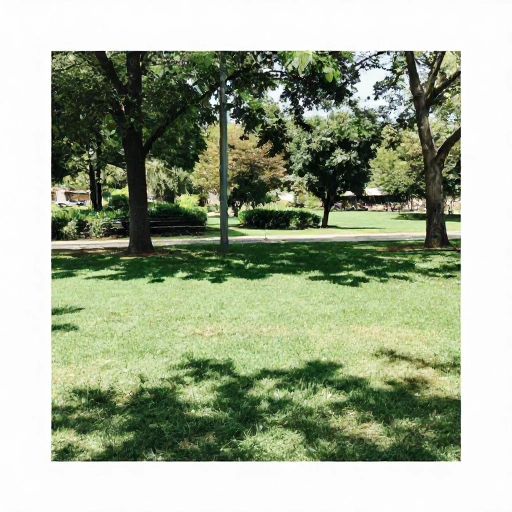
While shade sails are great, nothing beats the beauty of a mature tree. When designing the park, map out where to plant native, non-toxic trees. They provide natural shade, lower the temperature, and add a sense of calm to the space.
Plant shrubs and tall grasses along the windward side of the park. This creates a quiet, protected area where dogs can escape the wind and where owners can sit without being blasted by a chilly breeze.
Just be sure to choose trees that are resilient to dog urine. Species like oaks or some maples are more tolerant than others. Always check with a local nursery for the best options.
10. Add a ”Dog Wash” Station and Poop Bag Dispensers (Lots of Them!)
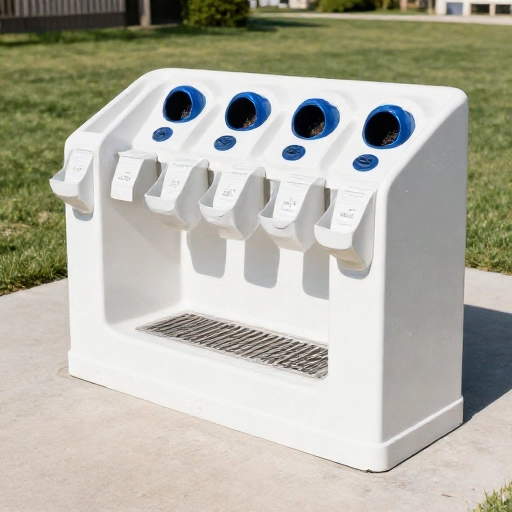
This is the unsung hero of dog park design. A self-service dog wash station near the exit is a game-changer. A simple elevated tub with a low-pressure hose and a gentle shampoo dispenser can save car interiors and living rooms everywhere.
Place poop bag dispensers everywhere—not just at the entrance. Put them every 100 feet along the path, next to each bench, and near the trash cans. If a bag is always within arm’s reach, people are far more likely to clean up after their pets.
Speaking of trash cans, use the ones with a foot pedal or a lid you can open with a handle. Nobody wants to touch a lid that a hundred other people have touched after picking up dog poop.
Putting It All Together: Your Community’s Dream Park
Building a dog park is a labor of love. It takes planning, community input, and a little bit of patience. But seeing a field full of happy, tired dogs and smiling neighbors makes it all worth it. Start with a solid foundation, focus on the details, and always prioritize safety and comfort over fancy extras that won’t last.
Your community will thank you—and so will the dogs.
Frequently Asked Questions
Q: How big should a dog park be?
A: For a small community, aim for at least 1 acre. For larger cities, 2-3 acres is ideal. This allows for separate small/large dog areas and a nice walking loop without feeling crowded.
Q: What is the best surface for a dog park?
A: It depends on your climate. Engineered wood fiber or rubber mulch is great for agility areas. For high-traffic zones, a mix of pea gravel and sand drains well. Artificial turf is comfortable but requires more maintenance to keep it clean and odor-free.
Q: Do I need a permit to build a dog park?
A: Absolutely. You’ll need to check with your local parks and recreation department and city zoning board. They will have specific requirements for fencing heights, setbacks, and noise ordinances.
Q: How much does it cost to build a dog park?
A: Costs vary wildly. A basic fenced-in area can cost $50,000, while a fully equipped park with water features, agility equipment, and pavilions can easily run over $500,000. Grants and community fundraising are great ways to offset costs.
Q: What plants are safe to use around dogs?
A: Stick to hardy, non-toxic varieties like sunflowers, marigolds, and certain ornamental grasses. Avoid anything from the lily family, azaleas, and sago palms, as they are toxic to dogs.