Healthy Homemade Options for Your Senior Pet: 10 Easy, Gentle Recipes for Happy Golden Years
When my senior dog started slowing down, I wanted mealtime to feel special again. He wasn’t as excited about his usual kibble, and I could tell he needed softer, warmer, easier-to-digest food.
That’s when I began making simple homemade toppers and treats. I’m not a vet, and I’m not trying to replace a balanced diet. But I’ve learned that a few gentle homemade options can make senior pets happier, more hydrated, and more interested in eating.
Below are my favorite healthy homemade options for senior dogs and cats. They’re Pinterest-simple, made with everyday ingredients, and easy to adjust. Always check with your vet before making big diet changes, especially if your pet has kidney, heart, or diabetes issues.
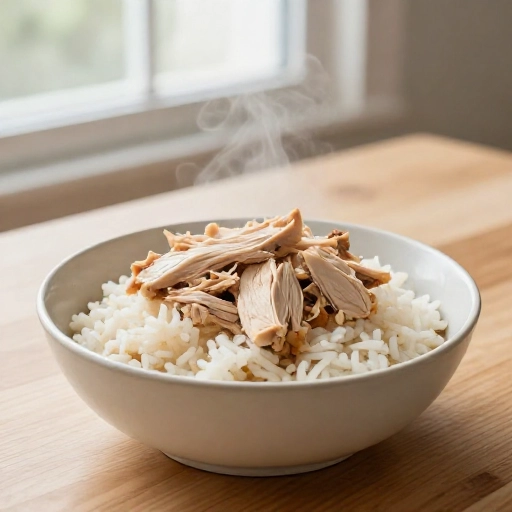
1. Soft-Cooked Chicken & Rice Bowl for Sensitive Senior Tummies
This is the recipe I reach for when my senior pet has an upset stomach or just seems tired of dry kibble. I boil boneless, skinless chicken until it falls apart, then shred it into tiny, easy-to-chew pieces.
I mix the chicken with overcooked white rice and a splash of the cooking broth. No salt, no oil, no onion or garlic—those can be dangerous for pets. The result is warm, soft, and very gentle.
I serve it as a topper or a short-term bland meal. For senior cats, I mash the chicken even finer and skip the rice if they’re not used to grains.
2. Senior-Friendly Turkey & Sweet Potato Mash
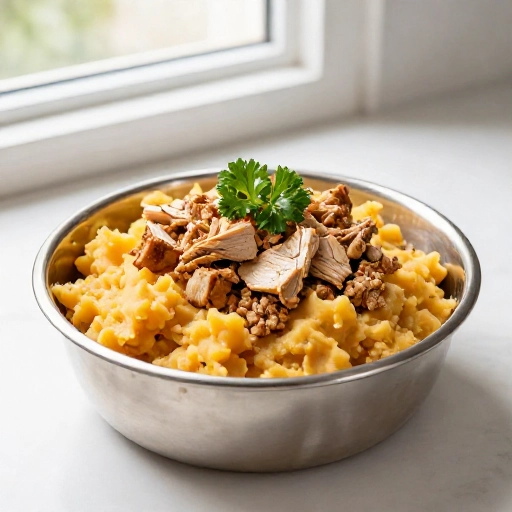
Ground turkey is lean, affordable, and easy to cook. I brown it in a pan with a little water, then drain any extra fat. While it cooks, I steam sweet potato until it’s soft enough to mash with a fork.
I combine the turkey and sweet potato into a cozy, soft mash. Sometimes I add a few finely chopped green beans for fiber. Sweet potato is rich in vitamins, and the texture is perfect for older pets with dental issues.
I keep this in the fridge for 3 days or freeze small portions. It’s a hit with senior dogs, and some cats enjoy a tiny spoonful as a treat.
3. Gentle Salmon & Oatmeal Skillet
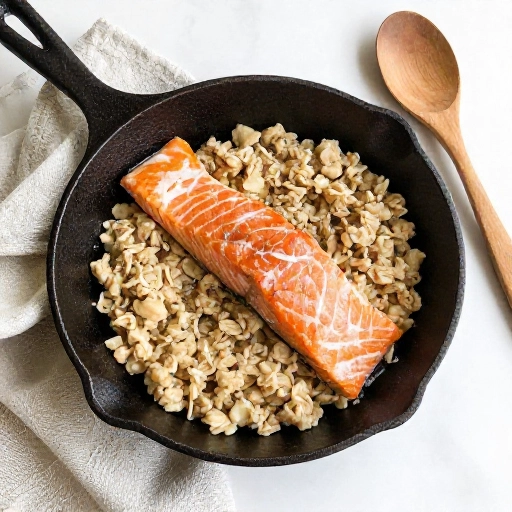
Salmon is one of my favorite homemade options because it’s packed with omega-3s, which can support aging joints, skin, and coat. I use fresh or frozen salmon with no seasoning, then cook it until it flakes easily.
I remove every tiny bone—this matters a lot for seniors. Then I stir the salmon into plain cooked oatmeal. Oats are soft, soothing, and easy on the tummy.
A little salmon goes a long way. I serve this as a special dinner topper once or twice a week, not as the whole meal. Cats usually love the smell, too.
4. Hydrating Bone Broth Toppers for Picky Eaters
Older pets often don’t drink enough water, and dehydration can make them feel worse. That’s why I love a simple, pet-safe bone broth. I simmer bones with water and carrots—but no onion, garlic, or salt.
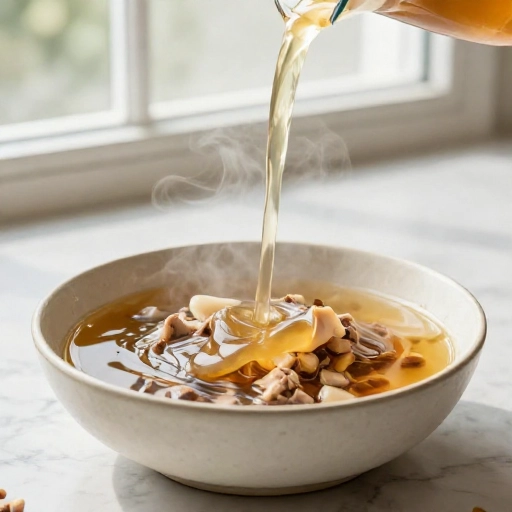
After a few hours, I strain everything, chill the broth, and skim off the fat. The broth becomes a silky, savory topper that makes boring kibble smell irresistible.
I pour a tablespoon or two over my senior pet’s food. It adds moisture, flavor, and a little extra comfort. Always make sure there are no cooked bones left in the broth.
5. Easy Pumpkin & Yogurt Treat Cups
Plain canned pumpkin is a superstar for senior digestion. It’s high in fiber and gentle on the gut. I mix it with plain, unsweetened yogurt—only if my pet tolerates dairy—and spoon it into silicone molds.
Then I freeze the cups for a few hours. They become creamy, cold treats that are perfect for hot days or for pets who need to cool down after a walk.
I use pure pumpkin, not pumpkin pie filling. Also, no xylitol, no sugar, and no artificial sweeteners. For cats, I skip the yogurt and use a little plain meat broth instead.

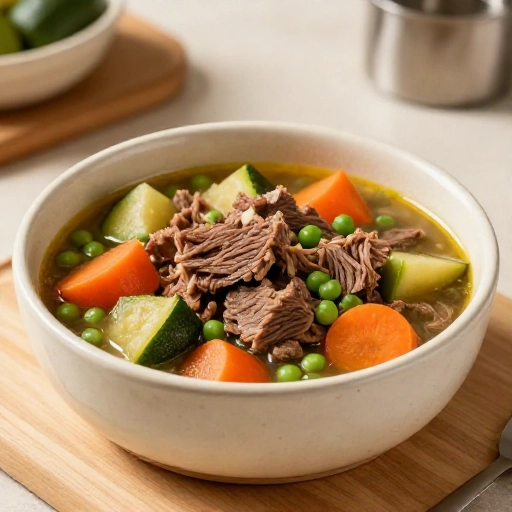
6. Slow-Cooked Beef & Veggie Stew for Older Dogs
On chilly days, I love making a soft beef stew for my senior dog. I use lean stew meat, carrots, and peas, then slow-cook everything in water until it’s fork-tender. No onions, no garlic, no bouillon cubes.
The veggies get nice and soft, which is easier for older teeth. I shred the beef into small pieces and let the stew cool before serving. The smell alone gets my dog’s tail wagging.
I portion it into small containers and freeze what I won’t use within a few days. It’s hearty, homemade, and feels like a warm hug in a bowl.
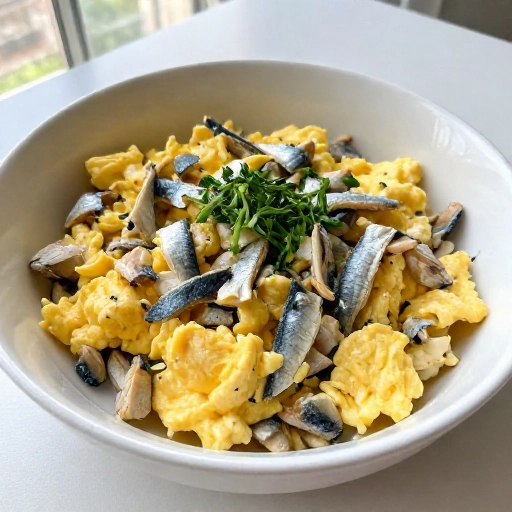
7. Wholesome Egg & Sardine Scramble for Senior Cats
Senior cats need protein, moisture, and a smell that says “yes, please.” I scramble one egg with a little water—no butter, no salt—until it’s fully cooked. Then I mash in a small piece of sardine packed in water with no added salt.
The result is a soft, stinky, cat-approved treat. I only use sardines occasionally because they can be rich. The egg gives high-quality protein, and the sardine adds omega-3s.
I serve this as a topper or a special snack, not a full meal. If your cat has kidney issues, ask your vet before adding extra protein.
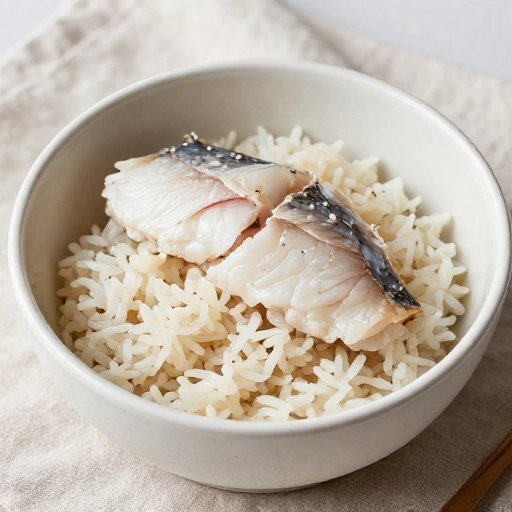
8. Soothing Fish & Rice for Cats with Delicate Digestion
When my senior cat’s tummy seems off, I go back to basics. I poach plain white fish like cod or tilapia in water, then let it cool and flake it carefully. I check twice for bones.
I mix the fish with a small amount of overcooked white rice. It’s mild, soft, and easy to eat. No seasoning, no lemon, no oil—just fish, water, and rice.
This is a short-term gentle option, not a forever diet. Cats need taurine and other nutrients that rice and fish alone won’t provide, so keep it brief and vet-guided.
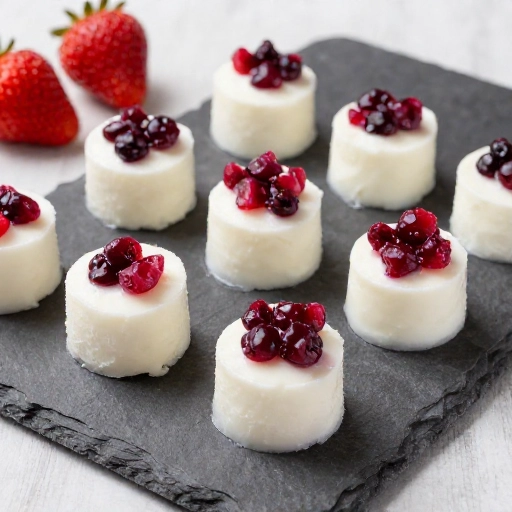
9. DIY Frozen Yogurt & Berry Bites for Hot Days
Summer can be rough on senior pets. I make frozen bites with plain yogurt and a few mashed berries—blueberries or strawberries are safe for most dogs in small amounts. I avoid grapes, raisins, and anything with xylitol.
I spoon the mixture into an ice cube tray or silicone mold. Once frozen, they’re a cool, creamy treat that helps my pet stay hydrated and happy.
Because dairy can upset some stomachs, I start with one tiny bite and wait a day. For cats, I usually skip this one or use a plain meat purée instead.
10. Simple Senior Smoothie Bowl for Picky Eaters
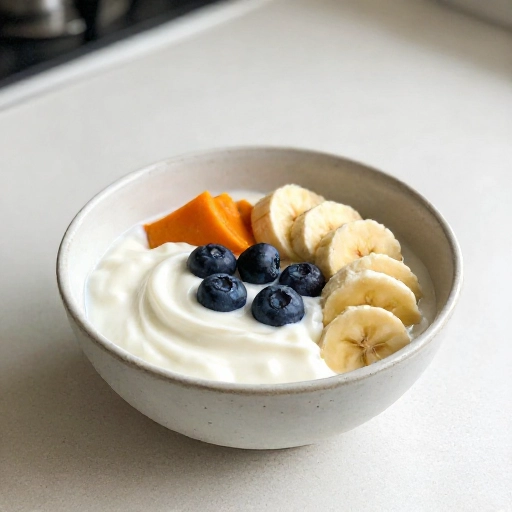
For picky senior dogs, I blend plain yogurt, a spoonful of pumpkin, half a banana, and a splash of pet-safe bone broth. It becomes a creamy, lickable bowl that’s perfect for pets who need encouragement to eat.
For senior cats, I make a cat-friendly version: blended plain cooked chicken or turkey with a little bone broth. No fruit, no yogurt—just meat and moisture.
I serve smoothie bowls fresh and never leave them out for more than 20 minutes. It’s a fun, easy way to add variety without a lot of work.
Final Thoughts: Keep It Simple, Gentle, and Vet-Guided
Healthy homemade options for your senior pet don’t have to be complicated. A soft chicken topper, a warm stew, or a frozen treat can make a big difference in how they enjoy mealtime.
Start small. Add one new ingredient at a time and watch for changes in digestion, energy, and bathroom habits. Keep homemade food as a supplement to a balanced diet unless your vet says otherwise.
Most of all, enjoy the extra time in the kitchen with your senior pet by your feet. Those little moments—and those tail wags—are what golden years are made of.
FAQ: Healthy Homemade Options for Senior Pets
Can I replace my senior pet’s entire diet with homemade food?
It’s possible, but it’s risky without professional help. Homemade diets can lack essential vitamins and minerals. If you want to go fully homemade, work with a vet or pet nutritionist to create a balanced recipe.
What foods should I never use in homemade senior pet recipes?
Avoid onions, garlic, grapes, raisins, chocolate, xylitol, macadamia nuts, avocado, alcohol, and caffeine. Also skip added salt, sugar, and artificial sweeteners. When in doubt, leave it out.
How do I know if a homemade treat is safe for my senior cat?
Cats are obligate carnivores, so meat-based treats are usually best. Avoid fruit-heavy or dairy-heavy recipes unless your vet approves. Introduce tiny amounts and watch for vomiting, diarrhea, or itching.
My senior dog has kidney disease. Can I still cook homemade meals?
Maybe, but only with your vet’s guidance. Kidney disease requires careful control of protein, phosphorus, and sodium. A homemade diet can be dangerous if it’s not specifically balanced for kidney support.
How much homemade food should I give my senior pet?
It depends on weight, activity, health conditions, and whether it’s a topper or a full meal. A good starting point is 1–2 tablespoons for small pets and 1/4 cup for larger dogs, then adjust with your vet’s advice.