Homemade Dog Shampoo: 3 Simple Recipes to Try!
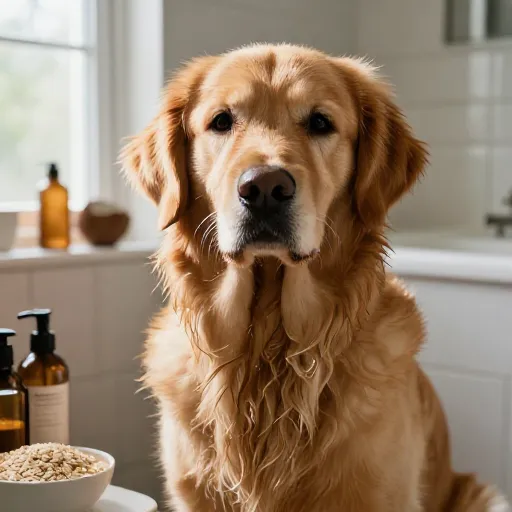
There’s something so satisfying about mixing up a batch of homemade dog shampoo right in your own kitchen. No mystery ingredients, no harsh chemicals—just simple, natural stuff that smells amazing and leaves your pup’s coat soft and clean. Plus, you probably already have most of what you need in your pantry.
I started making my own dog shampoo a few years ago when my rescue pup developed sensitive skin. Every store-bought brand seemed to irritate her, no matter how “gentle” the label claimed to be. So I grabbed my oatmeal, some coconut oil, and a little patience. The result? A shiny, happy, itch-free dog—and a new little hobby.
Whether your dog has dry skin, a stinky coat, or just needs a refresh after a muddy walk, these three simple recipes are here to help. Let’s get sudsy!
1. The Soothing Oatmeal & Coconut Shampoo
If your dog has dry, flaky, or itchy skin, this is the recipe you need. Oatmeal is a gentle natural soother, while coconut oil adds moisture and antibacterial love. It’s like a spa day in a bottle.
- 1 cup warm water
- ½ cup plain unsweetened oatmeal (ground into a fine powder)
- 2 tablespoons coconut oil (melted)
- ¼ cup liquid castile soap (like Dr. Bronner’s)
Mix the ground oatmeal into the warm water until smooth. Stir in the melted coconut oil and castile soap. Shake or whisk until well blended. Use a squeeze bottle for easy application. Massage into your dog’s coat, let sit for a minute, then rinse thoroughly. Store leftovers in the fridge for up to a week.
Pro tip: If you don’t have a blender to powder the oatmeal, just use a food processor. The finer the better—you don’t want clumps stuck in your dog’s fur!
2. The Fresh & Clean Aloe-Vinegar Rinse
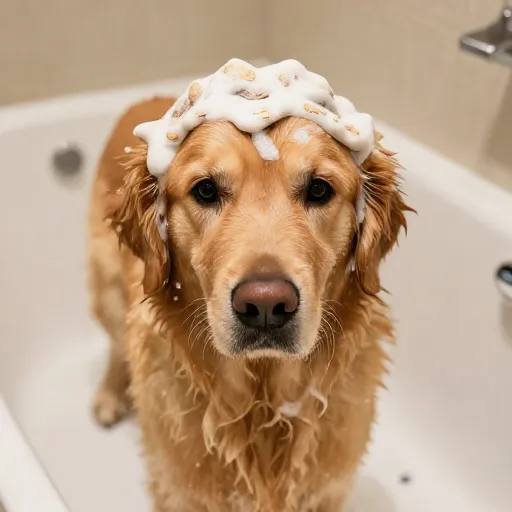
This one is a game-changer for stinky dogs who love rolling in mysterious things. Apple cider vinegar balances your dog’s skin pH, while aloe vera soothes and moisturizes. The smell disappears once dry—promise!
- 1 cup water
- ½ cup raw apple cider vinegar (with the “mother”)
- ¼ cup pure aloe vera gel
- 1 tablespoon liquid castile soap
Combine all the ingredients in a bottle or jar. Shake well before each use. Apply to wet fur, starting at the back and working toward the tail (avoid the face area). Let it sit for 2–3 minutes, then rinse until the water runs clear. Your dog will smell like nothing—but in the best way.
Important: Never use this on open wounds or raw skin. And if your dog has a vinegar aversion, try adding a drop of lavender or chamomile essential oil (dog-safe, of course) to mask the scent.
3. The Gentle Baking Soda Deodorizer
Sometimes you just need a quick refresh between baths. This simple recipe uses baking soda to neutralize odors and cornstarch to absorb extra oil. It’s a dry shampoo for dogs!
- ½ cup baking soda
- ½ cup cornstarch
- Optional: 2–3 drops of lavender or peppermint essential oil (dog-safe only)
Mix the baking soda and cornstarch together in a jar. If using essential oils, add them drop by drop, stirring to avoid clumps. Sprinkle a small amount onto your dog’s coat, avoiding their eyes and nose. Gently massage it in, then brush through thoroughly. Let it sit for 5 minutes before brushing out any excess.
This recipe works best on short-haired breeds. For long-haired pups, you might need to brush more carefully to avoid white residue. But it’s totally worth it for that fresh, clean feeling without a full bath!
4. Why Make Your Own Dog Shampoo?
Honestly, the biggest reason is control. You know exactly what’s going onto your dog’s skin. No sulfates, no parabens, no artificial fragrances that can trigger allergies or irritation. Plus, it’s surprisingly affordable.
Store-bought dog shampoos can cost a pretty penny, especially the natural ones. Homemade batches cost pennies per wash. And you can customize each recipe to your dog’s specific needs—dry skin, seasonal allergies, or just a good old-fashioned muddy pup.
There’s also the satisfaction of making something with your own hands. It feels good to care for your furry friend in such a simple, intentional way.
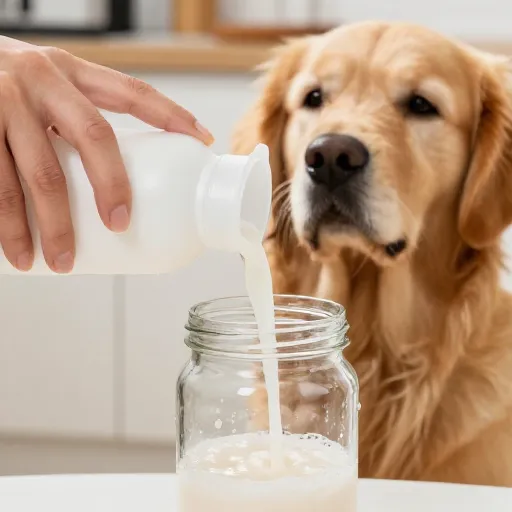
5. Tips for a Successful Homemade Bath
Before you start mixing, here are a few things I’ve learned the hard way. First, always test a small patch of your dog’s skin before a full bath. Some dogs are more sensitive than others, even to natural ingredients.
Second, use lukewarm water—not hot, not cold. Dogs have sensitive skin, and extreme temperatures can cause discomfort. And third, have all your supplies ready before you bring your dog into the bathroom. Once they’re wet, they’ll want out fast!
Also, keep a towel nearby. Not just one—three. Trust me, you’ll need them. And if your dog hates baths, try adding a lick mat with peanut butter to the tub wall. It’s a lifesaver.
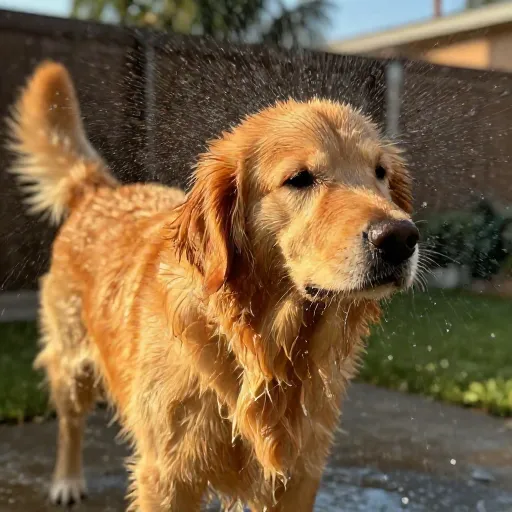
6. Essential Oils: Safe or Not?
Essential oils can be a wonderful addition to homemade dog shampoo—but only if used correctly. Some oils are toxic to dogs, especially if ingested or applied in high concentrations. Always do your research first.
Safe options include lavender, chamomile, and frankincense (in tiny amounts). Unsafe ones include tea tree, cinnamon, clove, and peppermint in high doses. When in doubt, skip the oils altogether. Your dog will still smell great from the base ingredients.
A good rule of thumb: 1–2 drops per cup of shampoo is plenty. Never apply undiluted essential oils directly to your dog’s skin. And if your dog has a history of seizures or allergies, consult your vet first.
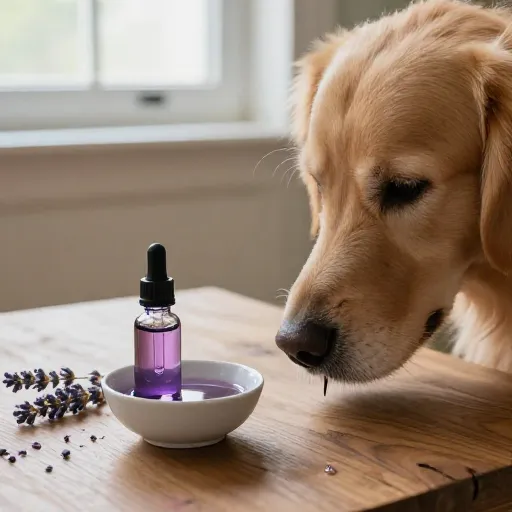
7. How Often Should You Bathe Your Dog?
This really depends on your dog’s breed, lifestyle, and skin type. Dogs with oily coats (like retrievers) may need more frequent baths, while breeds with dry skin (like huskies) do best with less.
As a general rule, once a month is fine for most dogs. Over-bathing can strip natural oils and lead to dry, itchy skin. If your dog gets dirty between baths, use the dry shampoo recipe or a damp cloth for spot cleaning.
Pay attention to your dog’s cues. If they’re scratching more after a bath, wait longer next time. If they smell funky after a week, try a rinse with just water or the aloe-vinegar recipe. Every dog is different!
8. What to Avoid in Homemade Dog Shampoo
Not all natural ingredients are dog-safe. For example, dish soap is too harsh and can strip your dog’s coat of essential oils. Also avoid human shampoos—they have a different pH balance that can irritate dog skin.
Stay away from tea tree oil (even though it’s popular in natural products), as it can cause skin reactions in dogs. Also skip any ingredients with artificial fragrances, dyes, or preservatives. Keep it simple!
And please, never use essential oils that are not specifically labeled as safe for pets. Some oils, like pennyroyal or wintergreen, are toxic even in small amounts. Always double-check before adding anything new.
9. Storing Your Homemade Shampoo
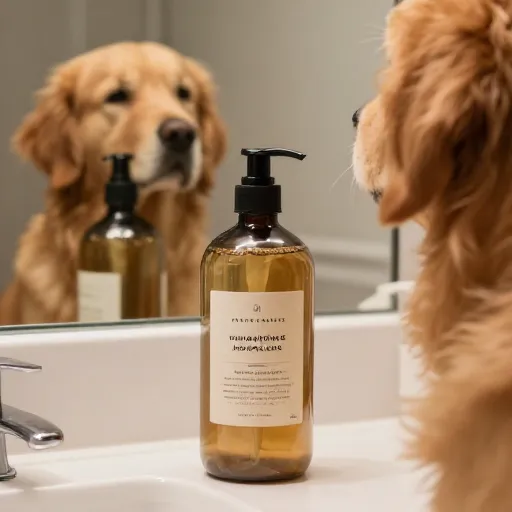
Homemade dog shampoo doesn’t have preservatives, so it won’t last forever. Most recipes stay fresh in the fridge for about a week. If you want to make a bigger batch, consider freezing portions in ice cube trays.
Use a clean squeeze bottle or a mason jar with a tight lid. Label it clearly so no one mistakes it for their own shampoo! And always give it a good shake before each use, because natural ingredients can separate over time.
If you notice any weird smells, mold, or separation that doesn’t mix back in, toss it and make a fresh batch. Better safe than sorry when it comes to your pup’s skin.
10. Final Thoughts on Homemade Dog Shampoo
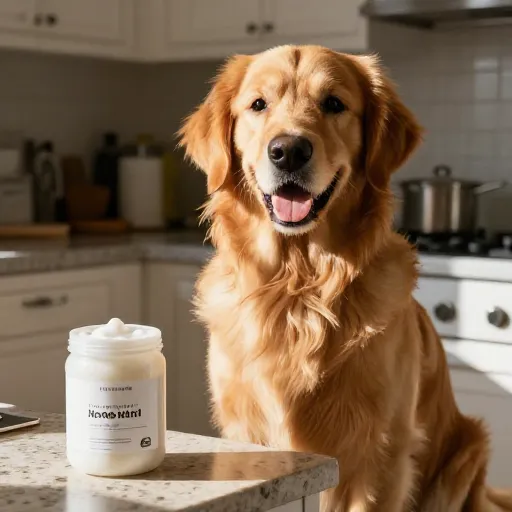
Making your own dog shampoo is one of those small, simple things that can make a big difference. Your dog gets a gentle, natural clean, and you get the peace of mind that comes from knowing exactly what’s in the bottle. Plus, it’s kind of fun to experiment with different recipes!
Start with the oatmeal-coconut recipe if your dog has sensitive skin. Try the aloe-vinegar rinse for odor control. And keep the baking soda deodorizer handy for quick touch-ups. Your pup will thank you with wagging tails and extra snuggles.
And remember: always patch test, keep it simple, and listen to your dog’s needs. Happy bathing!
Frequently Asked Questions
Can I use human shampoo on my dog?
It’s best not to. Human shampoos have a different pH balance that can disrupt your dog’s skin barrier, leading to dryness and irritation. Stick with dog-specific or homemade recipes.
Is it safe to use essential oils in dog shampoo?
Yes, but only certain ones in very small amounts. Lavender and chamomile are generally safe. Avoid tea tree, cinnamon, and clove. Always dilute and test a small patch first.
How long does homemade dog shampoo last?
Most recipes stay fresh in the fridge for about a week. For longer storage, freeze in ice cube trays and thaw as needed. Discard if you notice any off smells or mold.
Can I use vinegar on my dog’s coat?
Yes, apple cider vinegar is safe for most dogs when diluted. It helps balance pH and can reduce odors. Just avoid the eyes and open wounds, and never use undiluted.
What if my dog has allergies?
Always consult your vet first. Stick to simple, hypoallergenic ingredients like oatmeal, coconut oil, and aloe vera. Avoid essential oils and any ingredient your dog has reacted to before.