How to Teach Your Dog a Perfect Recall
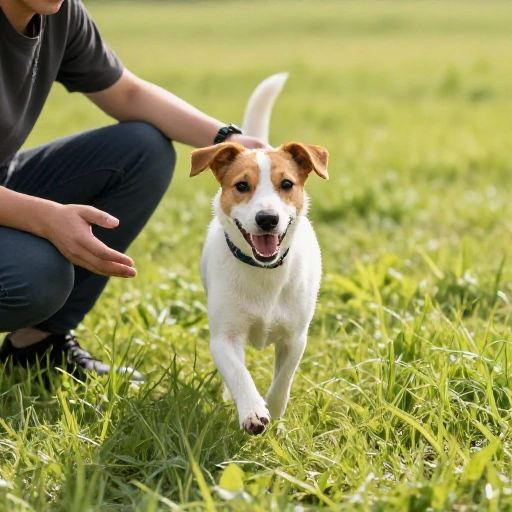
There’s nothing quite like the feeling of calling your dog’s name and watching them sprint back to you with joy. A solid recall is more than a party trick—it’s a safety net for off-leash adventures. Whether you’re at the park, on a trail, or in your backyard, knowing your dog will come when called brings peace of mind.
I’ve trained my own dogs from puppyhood to adulthood, and I’ve learned that recall doesn’t happen by magic. It takes patience, consistency, and a whole lot of high-value treats. But I promise you, the effort is worth every second. Let me walk you through the steps that actually work.
Start with a positive mindset. Your dog wants to please you, but they also want to have fun. The key is to make coming to you the most exciting option in the world. Ready to build a bulletproof recall? Let’s dive in.
Start Indoors with Zero Distractions
Before you even think about practicing outside, build the foundation in your living room. Your dog needs to understand the word “come” in the quietest, most boring place possible. This sets them up for success.
Stand a few feet away, say your dog’s name followed by “come,” and the moment they move toward you, reward with a treat and lots of praise. Keep sessions super short—two or three minutes max. Repeat this multiple times a day.
If your dog already knows “sit,” you can use that as a starting point. Call them, reward, and then release them to play. The goal is to associate the word “come” with something amazing happening.
Use High-Value Rewards Every Time
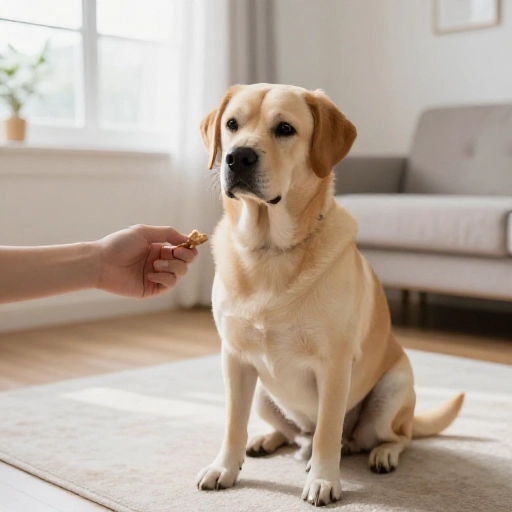
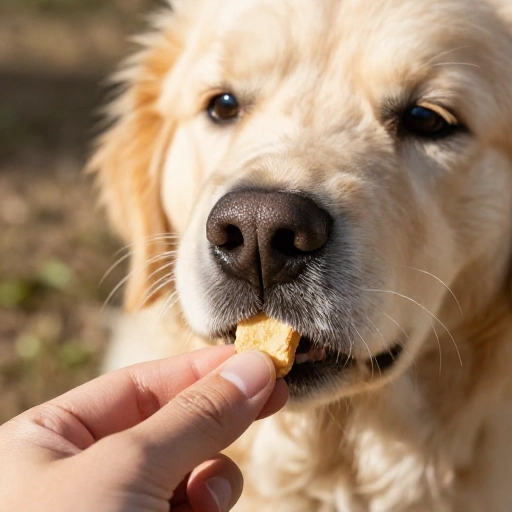
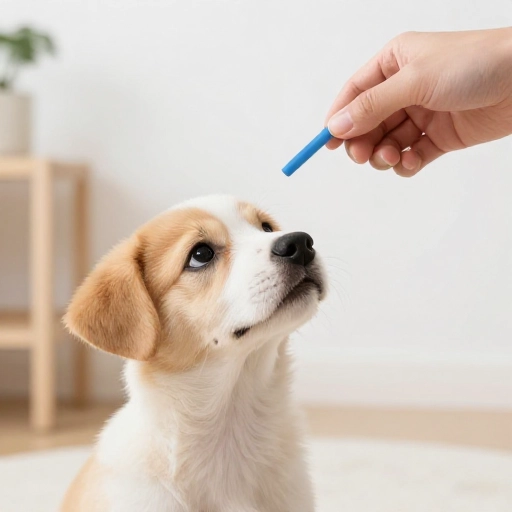
Regular kibble won’t cut it for recall training. You need treats that your dog goes crazy for—tiny pieces of cooked chicken, cheese, or freeze-dried liver. Think of it as paying your dog a premium salary for showing up.
I keep a pouch of these special treats on me at all times during training. When my dog comes to me, they get the good stuff, not just a pat on the head. This makes coming back to me more rewarding than sniffing a bush or chasing a leaf.
As your dog gets better, you can gradually mix in lower-value treats, but always keep the high-value ones for unpredictable moments. The surprise factor keeps them guessing and coming back eagerly.
Make Yourself the Most Exciting Thing
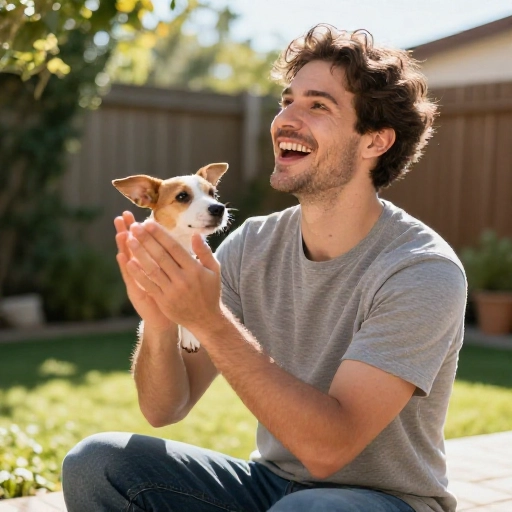
Dogs are naturally curious about their environment. To compete with a squirrel or a friendly dog, you need to be more interesting. Get silly if you have to. Run away from your dog, clap your hands, or make funny noises.
When your dog catches up to you, throw a mini party. Use a happy, high-pitched voice and give them a treat. The idea is that coming to you is the start of a fun game, not the end of playtime.
Never call your dog to you just to end a walk or put them in the crate. If you only call them when something “bad” happens, they’ll learn to avoid you. Instead, call them randomly during play, reward, and then let them go back to having fun.
Practice the “Name Game” Early
Your dog’s name is the most powerful tool in your recall toolkit. If they don’t respond to their name, they won’t come when called. Start by saying their name in a happy tone and rewarding them for looking at you.
Do this throughout the day. When you’re watching TV, say their name, and when they glance up, give a treat. Soon, their name will mean “look at mom or dad for something good.”
This simple game builds a strong foundation. Once they reliably turn to you when you say their name, you can add the “come” cue. It’s like building a bridge between their ears and your voice.
Gradually Increase Distance and Distractions
Once your dog has a solid recall indoors, move to a quiet fenced yard. Start close, just like you did inside, then slowly increase the distance. If your dog struggles, take a step back and make it easier.
Next, introduce mild distractions. Have a friend stand at the far end of the yard, or practice near a fence where you can see other dogs playing. Reward generously when your dog chooses to come to you instead of getting distracted.
Remember, progress isn’t linear. Some days your dog will nail it; other days they’ll ignore you. Stay patient and never punish them for not coming. Punishment only makes recall less reliable.
Use a Long Line for Safety
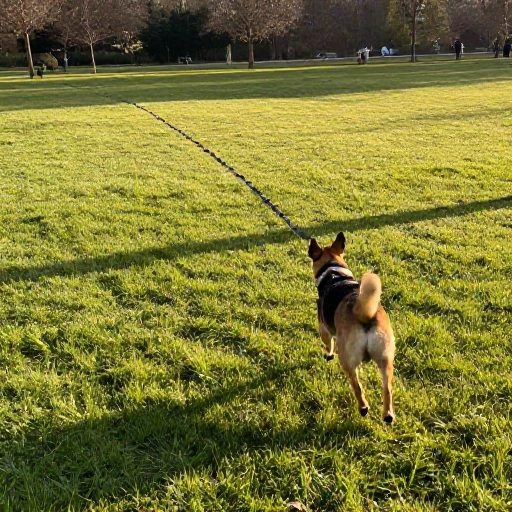
A long training line (15 to 30 feet) is a game-changer for recall practice. It gives your dog freedom while keeping them safe. Attach the line to their harness and let them explore, then call them. If they don’t come, gently guide them toward you.
This isn’t about yanking or dragging. Use the line as a gentle reminder. When your dog reaches you, reward them as if they did it all on their own. Over time, you’ll use the line less and less.
The long line also prevents bad habits from forming. If your dog learns they can ignore you and still have fun, they’ll keep doing it. The line helps you enforce the cue without being harsh.
Turn Recall into a Game
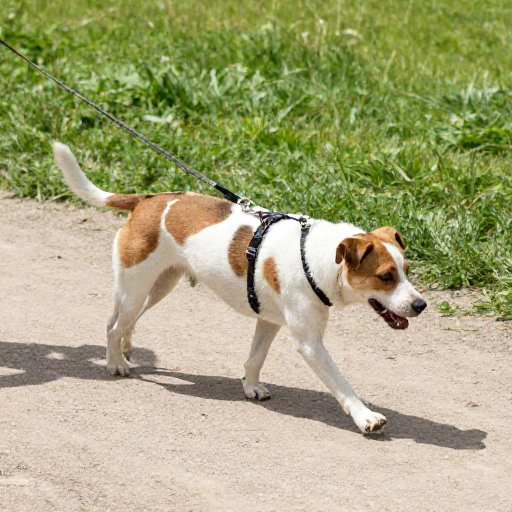
Training shouldn’t feel like a chore for either of you. Turn recall into a fun game that your dog loves to play. One of my favorites is “ping-pong recall.” Have a friend stand a few yards away. Take turns calling your dog back and forth, rewarding each time.
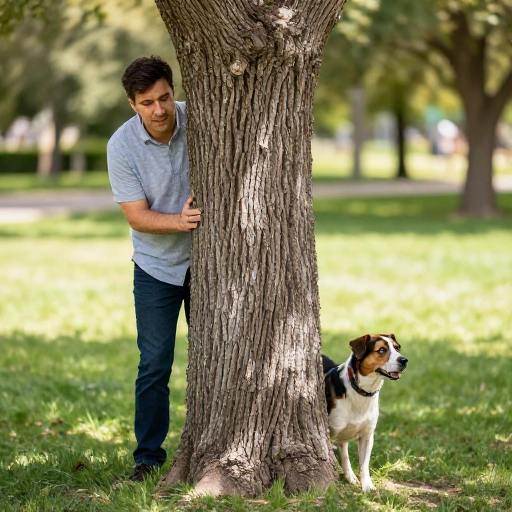
You can also play hide-and-seek. Hide behind a tree or a piece of furniture and call your dog. When they find you, celebrate like they just discovered buried treasure. This builds excitement around the cue.
The more fun you make it, the more your dog will want to participate. A dog that thinks recall is a game will come running with a wagging tail every single time.
Never Chase Your Dog
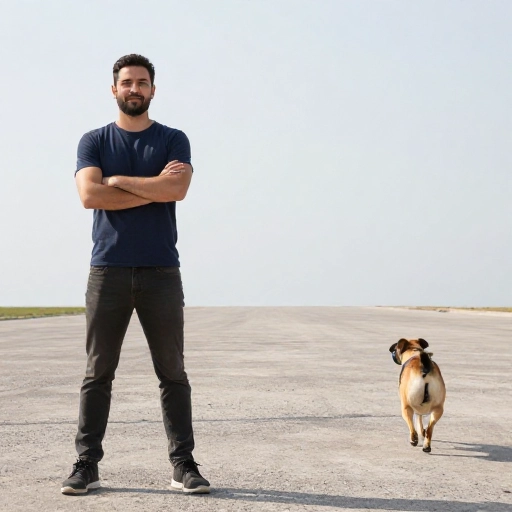
This one is huge. If your dog runs away from you, do not chase them. Chasing turns recall into a game of tag, and your dog will think it’s hilarious. Instead, run in the opposite direction. Most dogs will instinctively follow.
When they catch up to you, reward them. You’re teaching them that running toward you is always fun, while running away leads to nothing interesting. If your dog is too fast, use a long line to prevent the chase scenario altogether.
If your dog ever slips their leash, stay calm. Panicking makes them think something is wrong. Use a happy voice and run away. Nine times out of ten, they’ll come running to join the game.
Add a Life Reward System
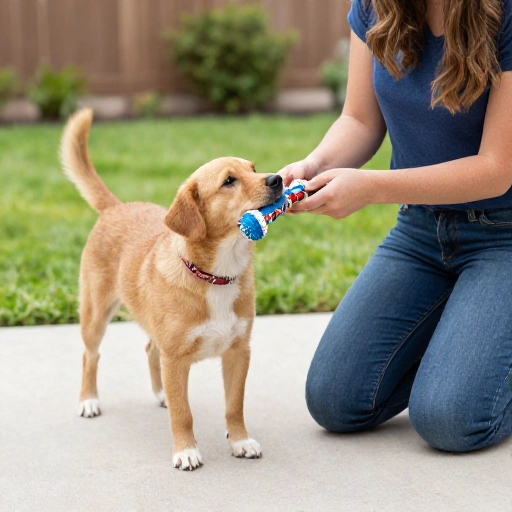
Not every recall needs to end with a treat. Life rewards can be just as powerful. For example, call your dog to you, then throw a ball for them. Or call them, clip on their leash, and then let them go sniff a bush.
The key is that coming to you always leads to something good. Even if you have to leash them to leave the park, make sure you give them a treat or a quick sniff break first. Otherwise, they’ll associate recall with the end of fun.
Mix it up. Sometimes the reward is a treat, sometimes it’s a game, sometimes it’s just a scratch behind the ears. Variety keeps your dog engaged and eager to check in.
Practice in Real-Life Scenarios
Once your dog is reliable in controlled settings, take it on the road. Practice in low-traffic areas like empty schoolyards or quiet hiking trails. Always use a long line at first, even if you think your dog is ready.
Watch for signs of overwhelm. If your dog is too excited to focus, you’ve moved too fast. Go back to a quieter spot and build up again. Every dog learns at their own pace.
Real-life practice is where your training pays off. The more you practice in different places, the stronger the recall becomes. Soon, you’ll be able to call your dog off a squirrel or away from a friendly stranger with confidence.
Conclusion
Teaching a perfect recall takes time, but it’s one of the most rewarding things you’ll ever do with your dog. Every small success builds trust and deepens your bond. Remember to keep sessions short, rewards high, and your attitude positive. Your dog is learning to choose you, and that’s a beautiful thing.
With consistent practice, you’ll have a dog that comes running every single time. That moment—when they sprint toward you with pure joy—makes all the training worth it. So grab your treats, put on your happy voice, and start building that bulletproof recall today.
Frequently Asked Questions
1. How long does it take to teach a dog recall?
It varies by dog, but with daily practice, most dogs show reliable recall within a few weeks to a few months. Puppies may learn faster, while older dogs with ingrained habits may need more time.
2. What if my dog ignores me when I call?
Don’t repeat the cue over and over. Instead, make yourself more interesting—run away, clap, or use a high-pitched voice. If they still ignore you, you’ve moved too fast. Go back to easier settings.
3. Can I train recall with an older dog?
Absolutely. Older dogs can learn new tricks. The same principles apply: start in a low-distraction area, use high-value rewards, and be patient. It may take a little longer, but it’s absolutely possible.
4. Should I use a clicker for recall?
You can, but it’s not necessary. A clicker can help mark the exact moment your dog decides to come, which speeds up learning. If you prefer a simpler approach, just use a happy word like “yes” or “good.”
5. What’s the best treat for recall training?
Use something soft, smelly, and small. Cooked chicken, cheese, hot dog bits, or commercial freeze-dried treats work well. The treat should be special enough that your dog doesn’t get it at any other time.