14 Must-Have Tools to Launch Your Dream Dog Grooming Business (Without Breaking the Bank)
So, you’re thinking about turning your passion for pups into a paycheck? Starting a 14-dog grooming business is an amazing goal, but let me tell you—it’s not just about loving dogs. It’s about having the right gear to make every groom look professional, keep your clients safe, and save your own back from a world of pain.
I remember my first week of grooming professionally. I thought my trusty pair of scissors and a cheap dryer would be enough. Boy, was I wrong! Within two hours, my wrist was aching, the dog was terrified of the noise, and the coat was matted beyond belief. That’s when I learned that the right tools aren’t just “nice to have”—they are the absolute foundation of a successful business. Whether you are working from home or renting a salon space, this list is your golden ticket to getting it right the first time.
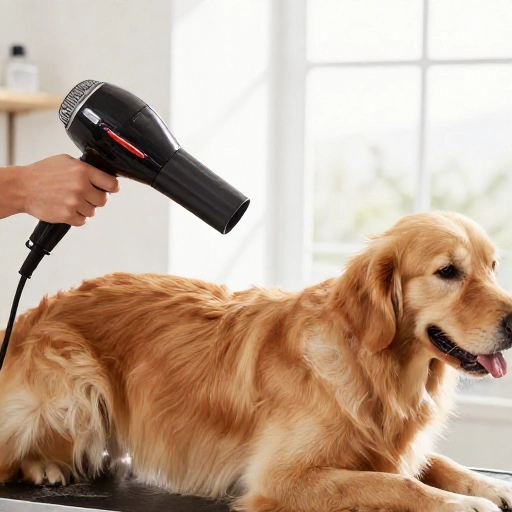
1. High-Velocity Dryer (The Game Changer)
If there is one tool you should splurge on, it’s this. A high-velocity dryer isn’t just for drying; it is your secret weapon for fluffing out coats and blowing out loose undercoat before you even pick up a brush. It saves hours of brushing time.
Look for one with variable speed settings and a nozzle attachment. You want something powerful enough to blow out a Husky’s winter coat but gentle enough for a nervous Yorkie. Trust me, your arms will thank you later.
I recommend bringing your own dryer even if you rent a space. Salon dryers are often shared, and you want one that you know is sanitized and works perfectly with your technique.
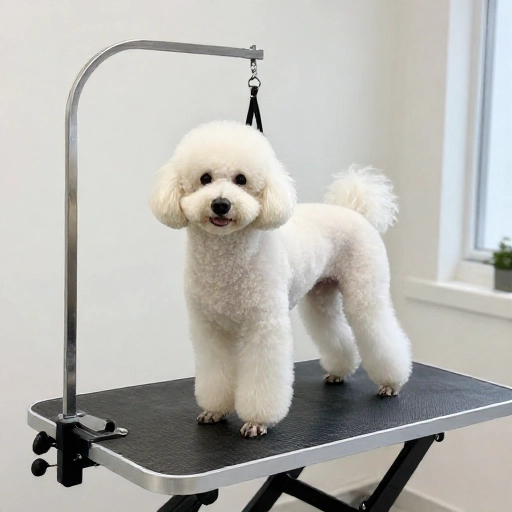
2. Professional Grooming Table with Arm
Your back is your biggest asset in this business. Bending over a dog on the floor or a regular table is a one-way ticket to chiropractor bills. A sturdy, adjustable grooming table is a non-negotiable investment.
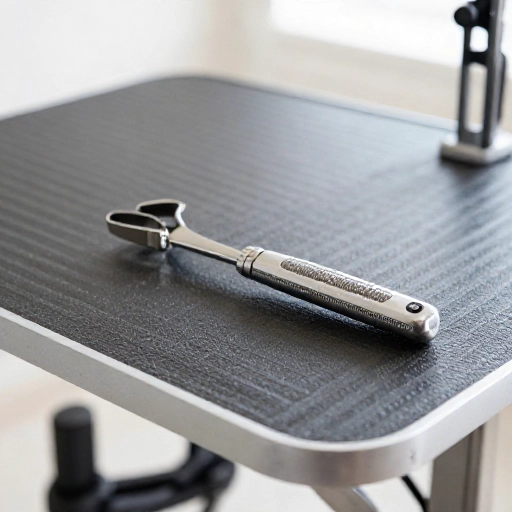
You want a table with a non-slip mat and a strong grooming arm with a loop. This keeps the dog secure while you are scissoring or clipping. A hydraulic lift table is a dream if you groom large breeds, but a sturdy stationary one works great for smaller dogs.
Make sure the table is heavy enough not to wobble. A wobbly table makes the dog nervous, and a nervous dog is harder to groom safely.
3. Ergonomic Grooming Shears (Scissors)
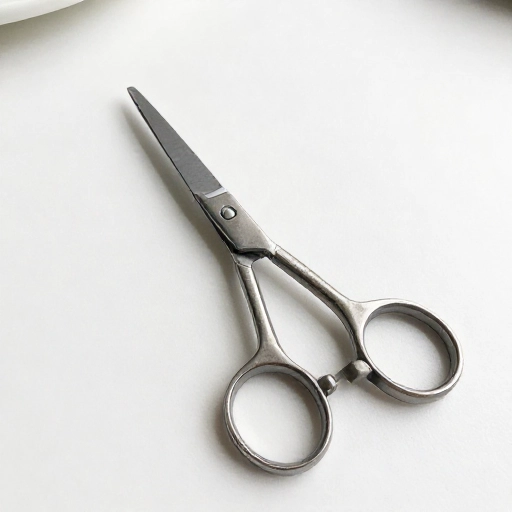
Don’t buy the cheap $20 set from the pet store. Your hands will cramp up, and the cuts will look choppy. Invest in a good pair of curved and straight shears from a professional grooming supplier. They are sharper and stay sharp much longer.
You’ll want a pair of straights for general trimming, curves for rounding off faces and paws, and thinners to blend harsh lines. As you grow, you’ll add more, but these three are your starting core.
Remember to oil them regularly! A stiff pair of scissors is a hazard. I also recommend getting them professionally sharpened every few months, depending on how much you use them.
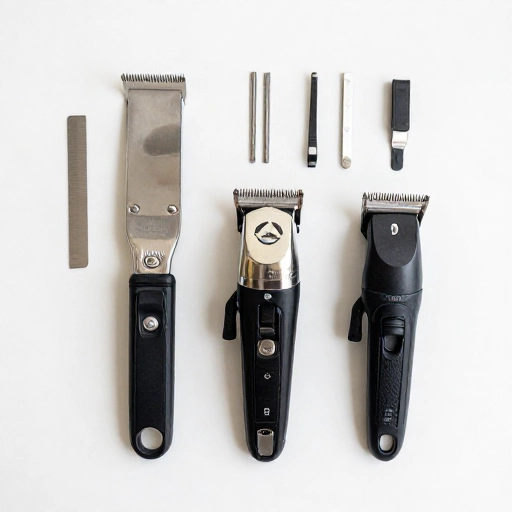
4. Clipper Blades and Clippers
Clippers are the workhorse of your business. You need a heavy-duty pair that won’t overheat after grooming two doodles in a row. Look for a brand that has easily replaceable blades and is known for being quiet.
You will need a variety of blade sizes (like #10, #7, #4, and #5) to handle different coat lengths and areas of the body. A #10 is standard for pads and sanitary areas, while longer blades are for the body.
Always have a spare blade on hand. There is nothing worse than dropping a blade mid-groom and having to stop the whole appointment to run to the store.
5. Slicker Brushes (Multiple Sizes)
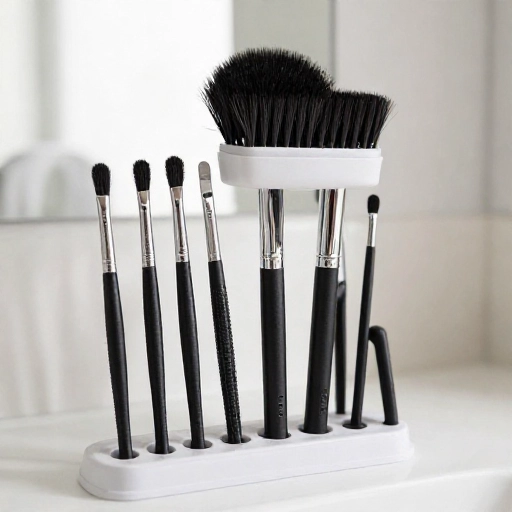
This is the tool you will use 80% of the time. A slicker brush removes tangles and loose fur, and it lifts the coat to give that fluffy finish. You need both a large one for bodies and a small one for faces and delicate areas.
Look for one with flexible pins that have rounded tips. This is much more comfortable for the dog and prevents scratching the skin. I always buy a few at a time because they get lost or dropped in the tub often.
Don’t forget to clean the brush regularly. Hair gets stuck in the base, and a dirty brush doesn’t penetrate the coat properly.
6. Undercoat Rake (For Heavy Shedders)
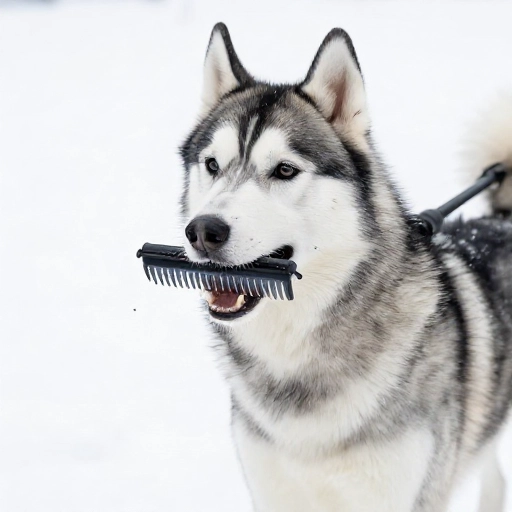
If you plan on grooming Labs, Huskies, or Shepherds, you need this. An undercoat rake gets down to the base of the coat and pulls out all that dead fluff that slickers can’t reach. It is a lifesaver for de-shedding treatments.
It looks like a metal rake, and it works wonders on thick coats. It reduces shedding by up to 90% at home for your clients, which makes them incredibly happy and likely to book again.
Just be careful not to press too hard. You want to glide it through the coat, not scratch the skin.
7. Dematting Tool (The Rescue Worker)
We all know that one client who “brushes their dog every day” but still brings a matted mess. A dematting tool has blades that slice through tight mats without cutting the skin. It is different from a rake because it is designed to break up the tension.
This tool is a lifesaver when a full shave-down isn’t wanted by the owner. It saves the coat and saves your fingers from trying to pick apart mats with a comb.
However, always check the skin first. If the mat is too tight or the skin is red, it is safer to shave. Don’t torture the dog just to save the coat.
8. Grooming Loops and Lead
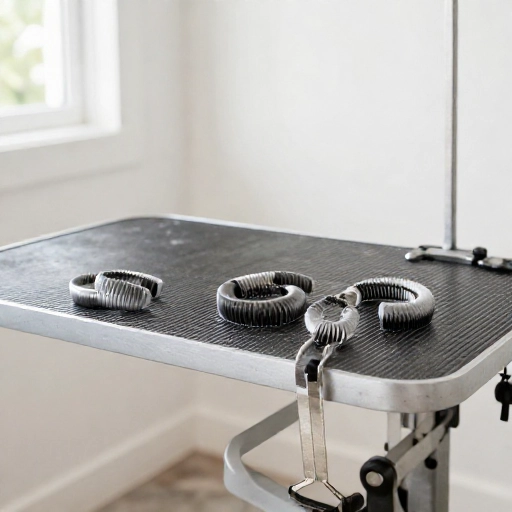
Safety is your priority. A grooming loop attaches to the table arm and goes around the dog’s neck to prevent them from jumping off. You also need a slip lead to safely walk them from the kennel to the tub.
Buy a few of these. They get wet, they get chewed, and they get dirty. Having backups means you are never caught without a way to secure a dog.
Never leave a dog unattended on a table with a loop on. It is a huge safety risk. But when you are with them, it keeps you both safe and secure.
9. Ear Cleaner and Plucking Powder
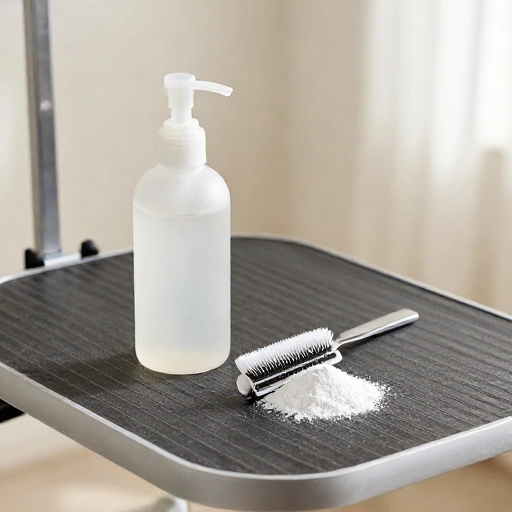
Ear health is crucial. You need a high-quality, vet-approved ear cleaner to flush out dirt and wax. Many groomers use a solution that dries quickly to prevent infections. This is a service you can upsell to clients.
For breeds like Poodles and Shih Tzus, you also need ear powder. This powder gives you grip to pluck the hair from the inner ear canal, which prevents moisture buildup and infections.
Always use cotton balls, not Q-tips, to clean the inner ear. You never want to push debris further down the canal.
10. Nail Grinder (The Finisher)
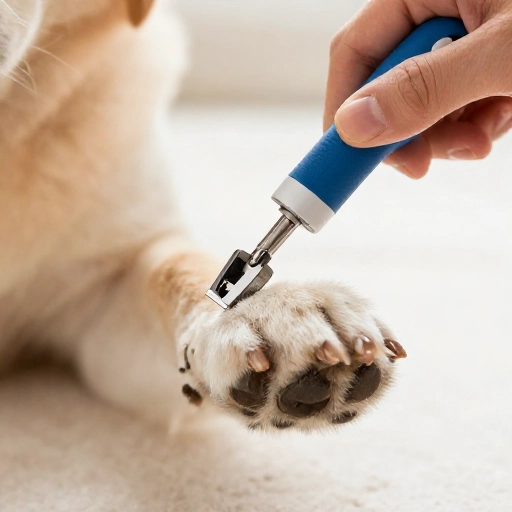
While clippers are okay, a nail grinder is superior for finishing. It files the nail down smoothly, which prevents sharp edges. Many dogs are actually more comfortable with the grinder than the “snip” of clippers.
You want one with a diamond bit or a strong sanding band. It should have multiple speed settings so you can start slow for nervous dogs and speed up for confident ones.
It takes practice to not overheat the nail. Touch the nail for a second, lift, touch again. The friction can get hot, so a light touch is best.
11. Grooming Apron
This might seem like a small thing, but it is a game-changer. A waterproof grooming apron keeps you dry and clean. You will be wet from the bath, covered in hair, and splashed with water all day long.
A good apron has pockets. Those pockets are perfect for holding your comb, thinning shears, and a styptic pencil (for the occasional nail nick). It keeps everything within arm’s reach.
Believe me, wearing an apron saves you from looking like a yeti by the end of the day and protects your clothes from stains. It is a simple but vital piece of your uniform.

12. Grooming Spray and Finishing Products
You need more than just shampoo. A good water-based grooming spray is essential for brushing out the coat before drying. It helps detangle and adds slip to the brush, making the process faster and less painful for the dog.
You also want a finishing spray or cologne to leave the dog smelling great. This adds a touch of luxury to your service that clients will notice and love.
Look for products that are pH balanced for dogs and are free of harsh chemicals. A good scent that lasts is a great way to get repeat customers.
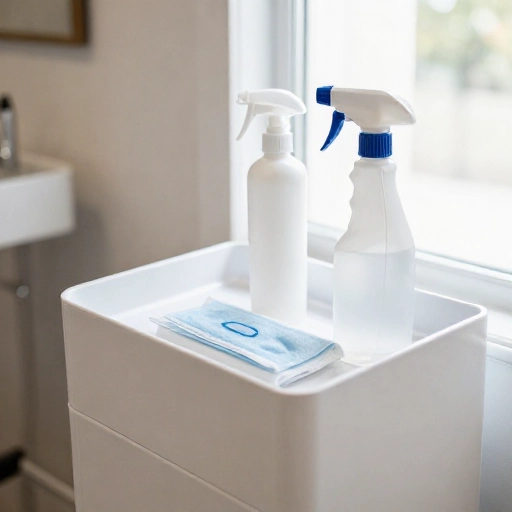
13. Sanitizing Station (Sprays and Wipes)
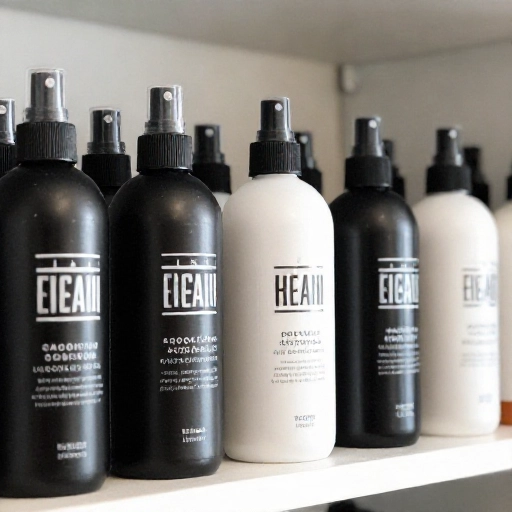
In a 14-dog business, cleanliness isn’t just about looks; it’s about health. You need a strong, safe disinfectant for your table, tub, and tools between every single dog. This prevents the spread of ringworm, fleas, and other nasties.
I use a spray that is specifically designed for veterinary clinics. Let it sit for the contact time listed on the bottle to actually kill germs. Wiping it off immediately doesn’t do much.
Also, keep a bottle of clipper blade spray. This cools, cleans, and lubricates your blades on the fly. It is essential for blade maintenance during busy days.
14. A Comfortable Kennel Set-Up
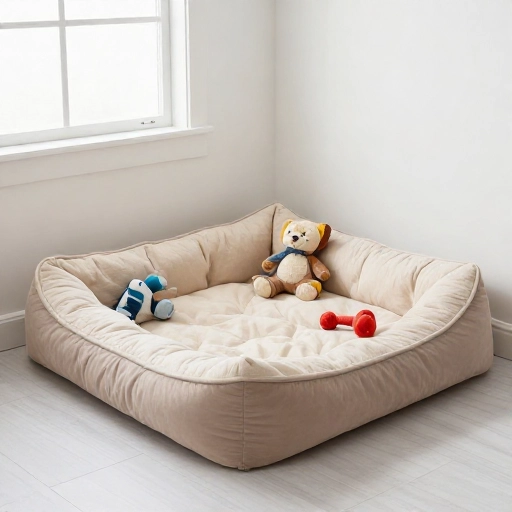
This isn’t a tool you hold, but it is a tool for your business. Your dogs need a safe, quiet place to rest between grooming steps. Having sturdy, easy-to-clean kennels is vital. They provide a space for the dog to decompress and a secure place for you to store them while you work on another client.
Look for kennels with a plastic or metal base that is easy to bleach and disinfect. You also need comfortable, washable bedding. Avoid fluffy beds that can be shredded and ingested.
A happy, calm dog in a kennel is easier to groom. If they are overstimulated, they will not sit still. So, invest in a quiet, dark space for them to relax.
Conclusion: Start Smart, Not Overwhelmed
Starting your 14-dog grooming business is an exciting journey. You don’t need to buy the most expensive version of everything on day one, but you do need quality tools that won’t let you down. Start with the basics—dryer, table, clippers, and brushes—and upgrade as your business grows.
Your tools are an investment in your craft and your body. Taking care of them means they will take care of you and the dogs you groom. Now, get out there and make those pups look fabulous!
Frequently Asked Questions
Q1: How much should I budget for start-up grooming tools?
You can start with a decent set of professional-grade tools for around $1,500 to $2,500. This includes a table, dryer, clippers, and basic brushes. You can always add more specialized tools later.
Q2: Can I use human hair clippers on dogs?
No, you should never use human clippers. Dog hair is denser, and dog clippers have stronger motors and different blade angles designed for their skin and coat. Human clippers will overheat quickly and pull at the hair.
Q3: How often should I sharpen my grooming shears?
Depending on usage, you should get your shears sharpened every 2 to 4 months. If you notice them pulling or snagging on the hair, it is time to get them sharpened.
Q4: What is the most important safety tool?
The grooming loop and table arm are the most critical safety tools. They prevent the dog from jumping off the table and injuring themselves. Always use them, even for the calmest dogs.
Q5: Is it better to buy a kit or individual tools?
Kits are great for saving money initially, but the quality is often lower. I recommend buying your core tools (clippers, dryer, shears) individually from a professional brand. It costs more upfront but lasts much longer.