16 Life-Saving Cat Houses for Extreme Winter Weather
Winter is beautiful until your feline friend is shivering on the porch. I have spent countless winters trying to keep my own cats warm, and I know the struggle of finding a shelter that actually works when the temperature drops below freezing. A simple cardboard box just will not cut it when the wind howls and the snow piles up.
Every year, I see people searching for solutions to protect outdoor and feral cats from frostbite and hypothermia. The good news? You do not need to spend a fortune to build a safe haven. In this guide, I am sharing 16 different cat house ideas that have been tested in brutal winter conditions, from DIY projects to ready-made options that really hold up against the cold.
1. The Classic Styrofoam Cooler Shelter
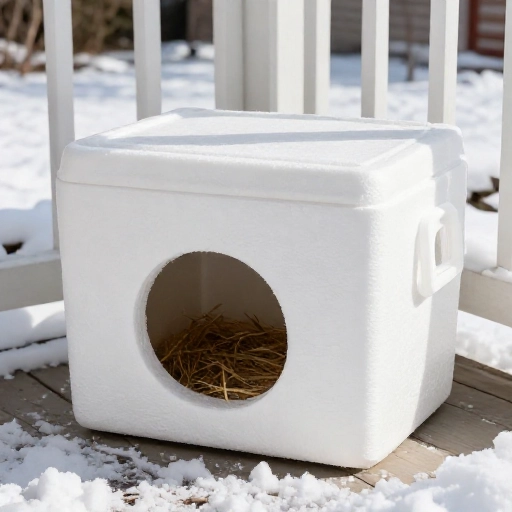
This is the first shelter I ever built, and honestly, it is still one of the best. All you need is a large styrofoam cooler, a utility knife, and some duct tape. The insulation properties of styrofoam are incredible, keeping the heat from your cat’s body trapped inside.
Cut a six-inch hole in the side for an entrance, but make sure it is not too big. A smaller opening keeps the warm air in and the cold wind out. Place the cooler inside a plastic storage tote to protect it from rain and snow, and fill the bottom with straw, not hay.
This shelter is cheap, effective, and you can build it in under fifteen minutes. I have seen cats use these even on nights when the wind chill drops to minus twenty degrees.
2. The Heated Cat Igloo
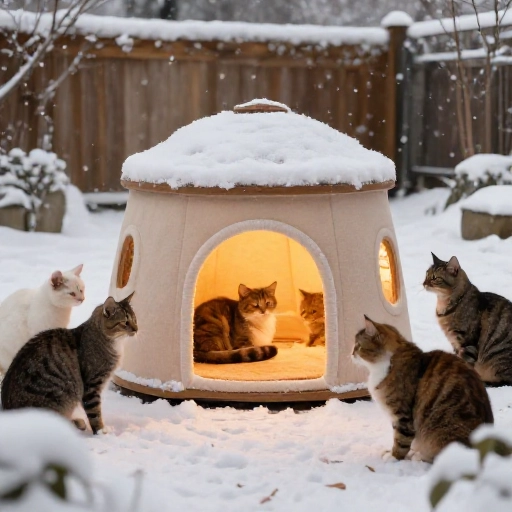
If you have access to an outdoor outlet, a heated cat house is a game changer. The Petmate heated igloo is a classic option that many cat rescue organizations swear by. The heating pad is built into the floor, so it only warms up when your cat sits on it, which saves energy.
The dome shape helps deflect wind, and the clear plastic door flap keeps snow from blowing inside. I love that the lid is removable for easy cleaning, which is essential during winter when cats track in mud and snow.
Just remember to check the cord regularly for damage from chewing or weather. This is a premium option, but it is worth every penny when you see a stray cat sleeping peacefully instead of shivering.
3. The Five-Gallon Bucket House
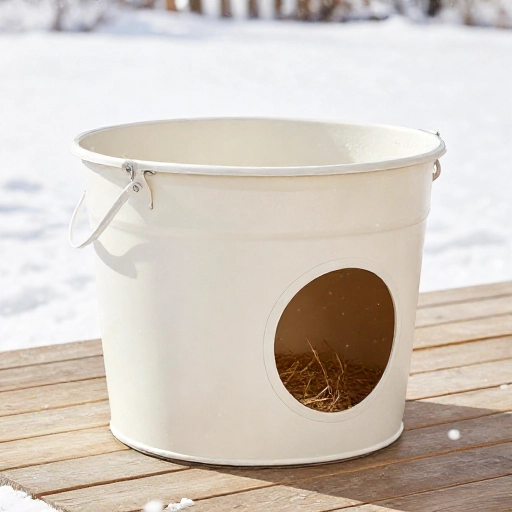
Do not throw away those old plastic buckets from the hardware store. They make surprisingly good emergency shelters for one cat. Turn the bucket upside down and cut a small hole in the side for the entrance. Then, line the inside with a thick layer of styrofoam or reflectix insulation.
The key here is to elevate the bucket off the frozen ground. Place it on a pallet or some bricks to prevent the cold from seeping up through the plastic. Fill the bottom with straw and you have a compact, windproof bunker.
These are perfect for placing under porches or behind sheds where cats already like to hide. They are light enough to move around, and they repel water really well.
4. The Double-Bin Hay House
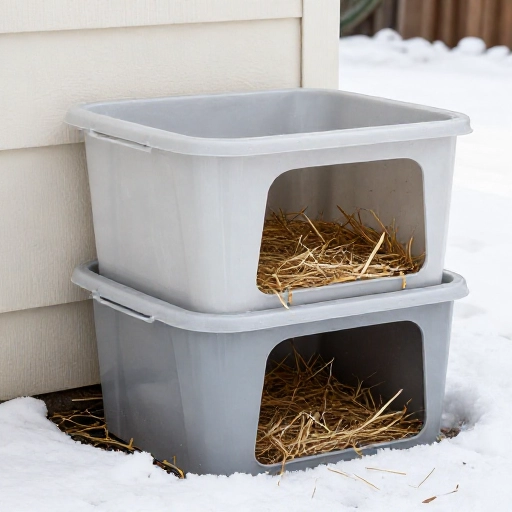
This is a clever trick I learned from a farmer friend. You take two plastic storage bins, one larger than the other. Put the smaller bin inside the larger one, and fill the gap between them with straw or hay. This creates an insulation pocket that mimics a double-pane window.
Cut matching entrance holes in both bins, and make sure the inner hole is slightly smaller than the outer one to create a draft stopper. The space between the bins traps air, which is one of the best insulators nature provides.
This house is heavy and sturdy, so it will not blow away in a blizzard. It might not be pretty, but your furry friend will not care about aesthetics when they are warm and safe.
5. The Repurposed Dog House Upgrade
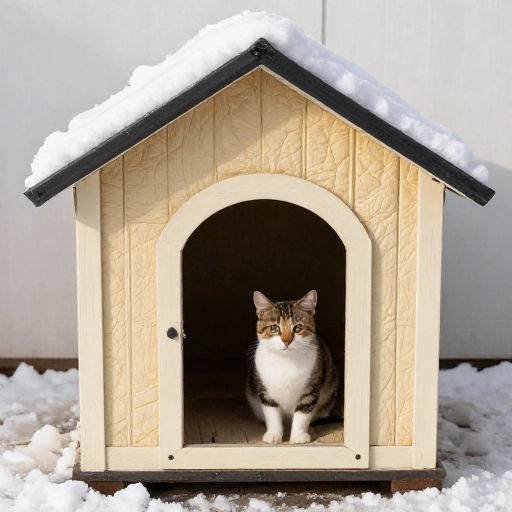
If you already have a wooden dog house that is too drafty for winter, do not buy a new one. Instead, upgrade it for your cat. The biggest issue with dog houses is that they are too roomy, so the cat’s body heat gets lost in the empty space.
Shrink the interior by adding a false wall or stuffing the back half with straw bales. This makes the space just big enough for one or two cats to snuggle. Cover the floor with a thick layer of straw, and hang a heavy curtain or rubber mat over the door opening.
You can also wrap the outside in a tarp or foam insulation boards to block the wind. This repurposing saves money and keeps a perfectly good structure out of the landfill.
6. The Heated Cat Pad with a Tent
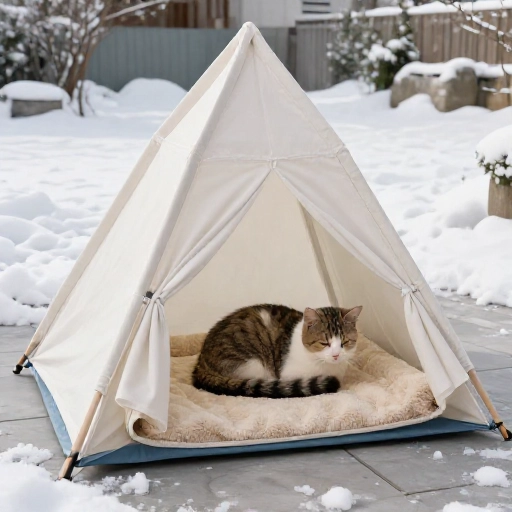
Sometimes, you do not need a full house. You just need a warm spot. I have used a heated cat pad inside a pop-up pet tent to create a cozy oasis on a covered porch. The tent blocks the wind, while the pad provides a constant heat source.
Look for pads that have a chew-resistant cord and an auto shut-off timer. The K&H Pet Products heated pads are popular, but any brand that uses low wattage is fine. Make sure the tent has a waterproof floor to keep moisture away from the pad.
This setup is incredibly portable. You can move it to the garage, the shed, or the laundry room on the coldest nights. It is perfect for cats that are used to being outdoors but need a warm break.
7. The Underground Burrow Shelter
This is a more advanced DIY project, but it is the warmest option I have ever seen. The earth provides natural insulation, so a shelter that is partially buried stays much warmer than one sitting on top of the ground. You can dig a pit, place a large plastic bin inside, and cover it with dirt.
Leave the lid accessible so you can open it for cleaning, and create a tunnel entrance using PVC pipes. The pipe blocks the wind and gives cats a sense of security as they enter. Drainage is key, so make sure the bottom has holes and is filled with gravel.
This is a permanent solution, so only build it if you have a spot that stays dry year-round. The effort is worth it when you realize the temperature inside stays stable even during a polar vortex.
8. The Cardboard Box and Tarp Fortress
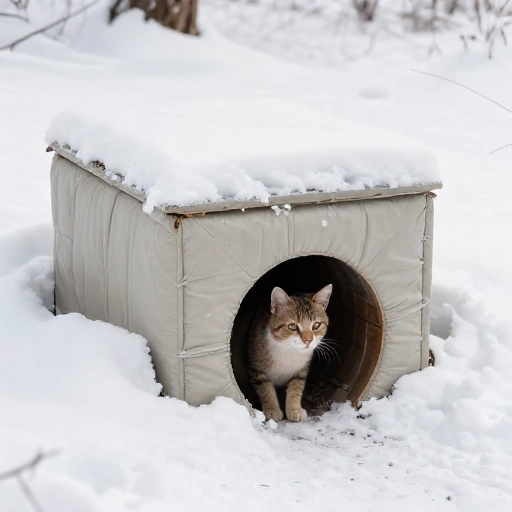
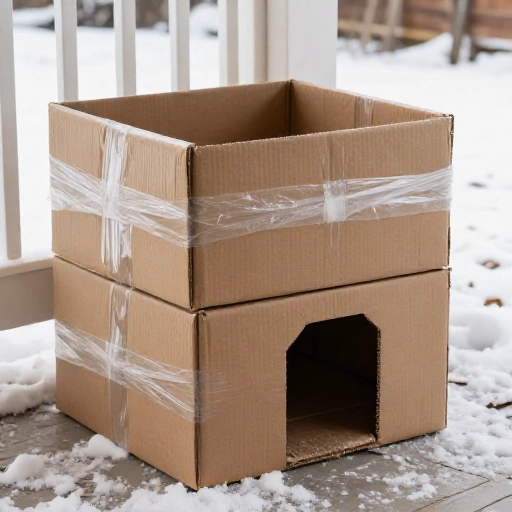
Do not underestimate the power of cardboard when it is paired with a waterproof tarp. The trick is to use multiple boxes stacked together with air gaps between them. Duct tape the boxes together to form a solid block, and then wrap the whole thing in a heavy-duty tarp.
Cut the entrance hole through all layers, but offset the holes slightly so the cat has to make a turn to get inside. This creates a windbreak that is incredibly effective. Fill the inside with shredded paper or straw.
This is a great temporary solution if you are caught off guard by an early snowstorm. It is not pretty, but it will save a life. Just remember to replace it if it gets wet.
9. The PVC Frame Greenhouse House
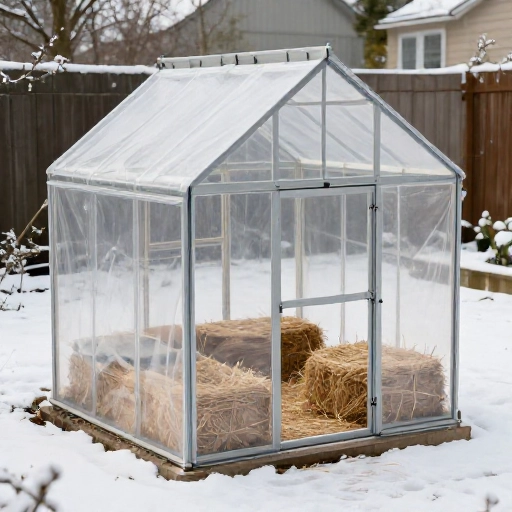
For those who want to build something a little sturdier, a PVC pipe frame covered in plastic sheeting works wonders. You can create a simple dome or A-frame shape using PVC pipes and connectors. Then, cover it with a clear or opaque plastic tarp.
The plastic traps the sun’s heat during the day, making it warm inside even when it is freezing outside. Put a styrofoam cooler or a wooden box inside with straw for the cat to sleep in. The outer shell protects them from rain and snow.
This is a bit more labor-intensive, but it is fun to build and looks much nicer than a plastic bin. Make sure to secure the corners with stakes so it does not blow away.
10. The Foam Insulation Board Igloo
You can buy rigid foam insulation boards at any hardware store, and they are fantastic for building a custom cat shelter. You can cut them to size and glue them together to form a box shape. The foam is lightweight, waterproof, and has an incredible R-value.
Build a simple cube with an entrance hole, and then cover the outside with a layer of exterior paint or a waterproof sealant. This prevents the foam from crumbling. The interior stays remarkably warm with just the cat’s body heat.
This is a bit more expensive than the cooler method, but the structure is much more durable. I have had one of these last for five winters.
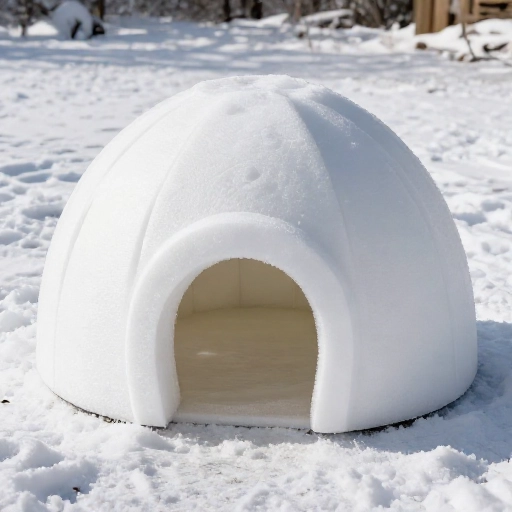
11. The Igloo with a Heated Bowl
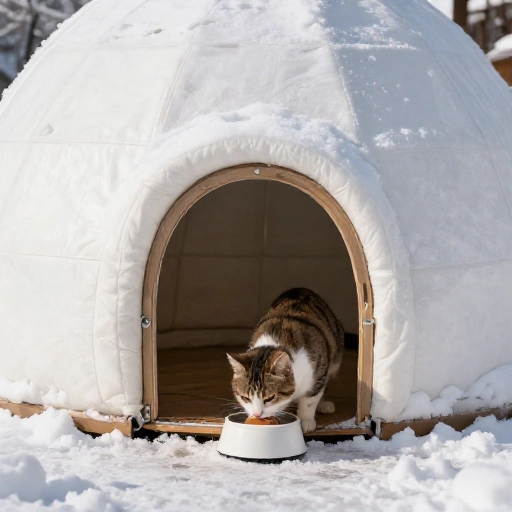
In extreme winter, cats need water, not just shelter. Ice is a real danger, and a cat that cannot drink will not survive. I always pair my cat houses with a heated water bowl. You can place the bowl inside the house or just outside the entrance.
There are many heated bowls available that only turn on when the temperature drops below freezing. They use very little electricity. If you do not have a plug, you can use a deep bowl with a large ball floating in it to keep the surface from freezing over.
Make sure the bowl is secured so it does not tip over. Hydration is just as important as warmth.
12. The Straw Bale Windbreak House
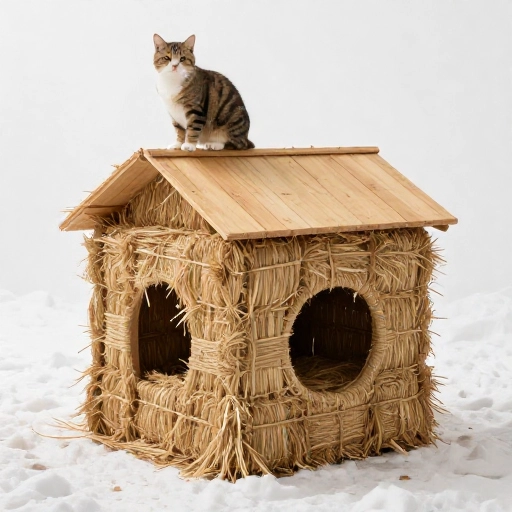
If you live in a very windy area, you need to block the wind before it even hits the shelter. Surrounding your cat house with straw bales creates a fortress-like barrier. Place the bales around three sides of the house, leaving the entrance facing away from the prevailing wind.
Straw bales are excellent insulators and they absorb moisture well. They also provide a place for cats to scratch and climb. You can stack them two or three high to create a tall windbreak.
This is a rustic solution that works beautifully on farms or in rural areas. The bales will eventually decompose, so you will need to replace them each season.
13. The Elevated Platform House
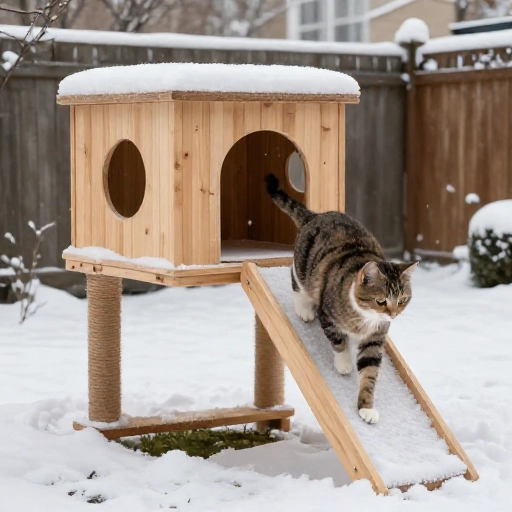
Snow can get deep, and a house sitting on the ground can get buried. Building an elevated platform with legs can keep the entrance clear of snowdrifts. Attach a wooden box or a plastic bin to a raised platform.
The elevation also keeps the cats safe from ground moisture and frost. Make sure the legs are sturdy and the platform is stable. You can add a ramp or a step so the cats can easily jump up.
This is a great option if you have a lot of snowfall in your area. It also gives cats a better vantage point to watch for predators.
14. The Convertible Cooler and Bin Combo
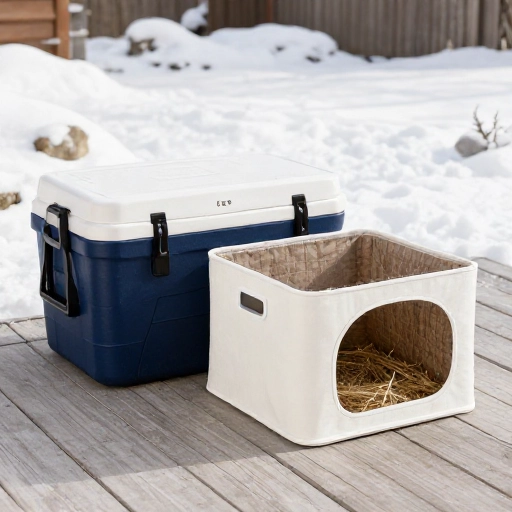
This is a variation of the classic cooler method, but it uses a large plastic storage bin as the outer shell. Place a styrofoam cooler inside the bin, and fill the gaps with crumpled newspaper or packing peanuts. The key is to create a dead air space.
Cut the entrance hole through both the bin and the cooler. Make sure the edges of the styrofoam are covered so the cat does not chew them. Use a piece of rubber matting as a door flap to keep the snow out.
This is a very solid, waterproof design that is easy to clean. Just lift the bin lid and pull out the cooler for a quick refresh.
15. The Two-Door Escape House
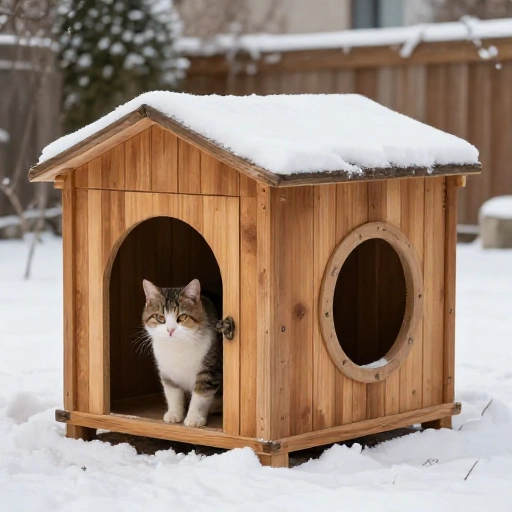
Predators like raccoons or stray dogs can sometimes corner a cat in a shelter. Having two exits is a great safety feature. Build or buy a house that has an entrance on one side and a smaller escape hatch on the other side or the top.
This gives the cat a sense of security, knowing they are never trapped. The second door can be left open or covered with a light flap that they can push through easily. This is crucial for feral cats that are on high alert.
Make sure both openings are high enough off the ground so they do not get blocked by snow. This design really helps the cat relax and sleep deeper.
16. The Heated Garage or Shed Setup
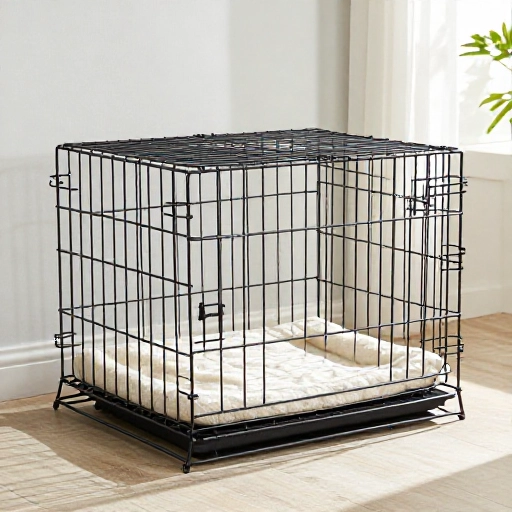
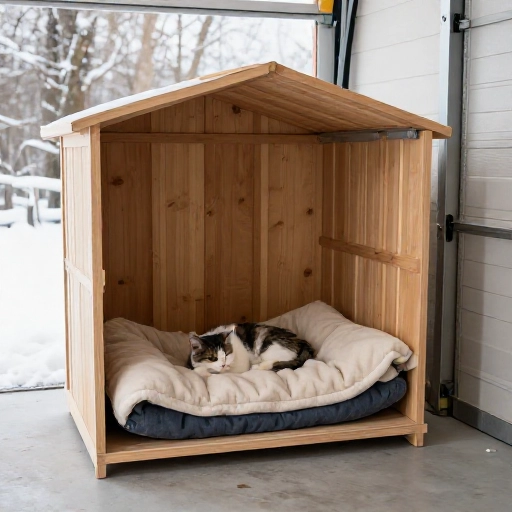
Sometimes, the best cat house is not a house at all. If you have a garage or a shed, you can create a designated warm zone for outdoor cats. Set up a dog crate or a large cardboard box filled with straw inside the garage.
Leave a small gap in the door or a pet door so the cats can come and go as they please. Use a heat lamp or a heated pad specifically designed for pets, and make sure it is placed away from anything flammable.
This is the ultimate luxury for a stray cat. It gives them a safe, dry, and relatively warm place to escape the worst of the weather.
Final Thoughts on Winter Cat Safety
Building these shelters is just the first step. You also need to check them regularly to make sure they are dry and clean. Wet straw is useless, so replace it often. Tap on the roof before cleaning to make sure the cat is not inside.
I hope these ideas give you the confidence to help the cats in your neighborhood. Even a small effort can make the difference between life and death in extreme conditions. Pick the one that fits your space, budget, and skill level, and get to work before the next storm hits.
Frequently Asked Questions
What is the best material to put inside a cat house?
Straw is the best material. It does not absorb moisture like hay or blankets, and it traps body heat. Avoid towels and fabric, as they freeze solid when wet.
How big should the entrance hole be?
It should be just big enough for a cat to squeeze through, usually around six to seven inches in diameter. A smaller hole keeps wind and snow out much better.
Can I use a regular electric blanket for a cat?
No, regular blankets can overheat and are not safe for pets. Use a heated pad specifically designed for outdoor cats, which uses low voltage and has chew-resistant cords.
How often should I check the shelter?
You should check it at least once a week, and more often after heavy snow or rain. Make sure the straw is dry and the structure is still intact.
What if I see a cat that looks injured or sick?
Contact a local animal rescue or vet for advice. Do not try to grab a feral cat, as they can be scared and bite. A rescue team will have the tools to help safely.