How to Remove Dog Urine Fast (Without Fancy Tools)
Let’s be real—dog urine happens. Whether it’s a puppy who couldn’t hold it or a senior pup having an off day, the smell and stains can take over your home faster than you’d like. But here’s the good news: you don’t need a closet full of expensive cleaning gadgets to tackle it. In fact, most of the best solutions are probably sitting in your kitchen or laundry room right now.
I’ve cleaned up my fair share of accidents (and I mean a lot—I have a senior beagle who thinks the hallway rug is a grass patch). Over the years, I’ve learned that acting fast, using simple ingredients, and being patient with the process is all it really takes. No fancy tools, no science experiments—just practical steps that actually work.
So grab your paper towels, dig out that baking soda, and let’s get your floors fresh again. Here are ten simple ways to remove dog urine fast, using things you already own.
1. Blot, Don’t Rub—The Golden Rule
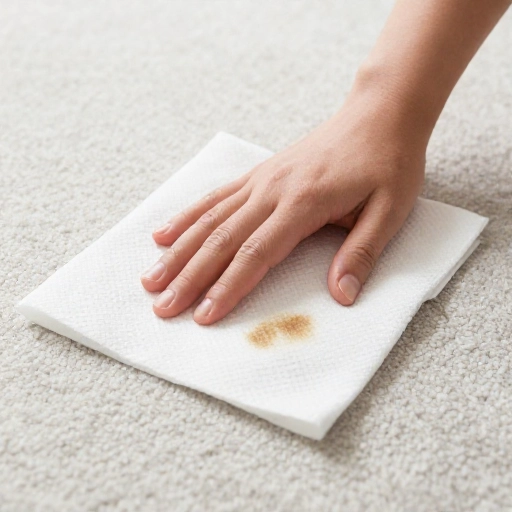
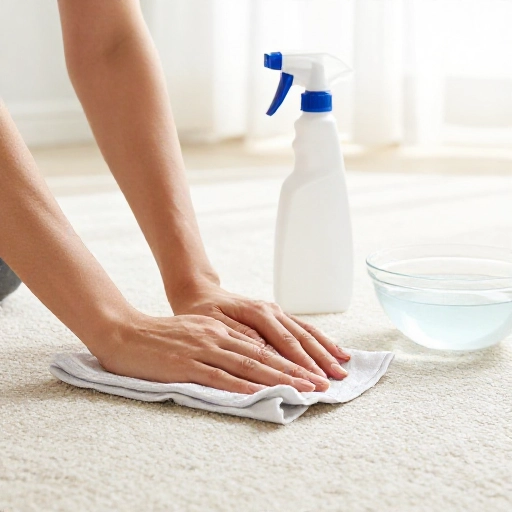
The very first thing you do matters more than any product. When you find the wet spot, resist the urge to rub it with a cloth. Rubbing pushes the urine deeper into the fibers and spreads it out into a bigger mess.
Instead, lay a thick stack of paper towels or an old bath towel right over the spot. Press down firmly with your hands or (if it’s a safe spot) step on the towels. Keep pressing and switching towels until they come up mostly dry.
This simple blotting step can pull up the majority of the urine before it ever sets. It’s the fastest way to remove the liquid itself, and it makes every other step easier.
2. The Classic Vinegar and Water Mix
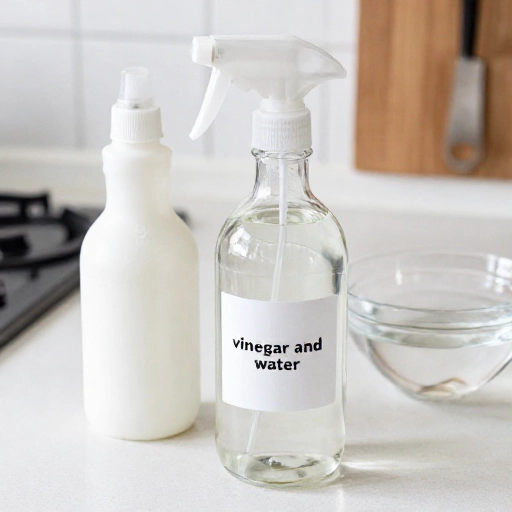
White vinegar is the hero of pet stain removal, and it costs pennies. It neutralizes the ammonia smell in urine naturally, rather than just covering it up with perfume.
Mix one part white vinegar with one part warm water in a spray bottle. Spray the area generously, then blot again with a clean cloth. Let it air dry—the vinegar smell will fade as it dries, taking the urine odor with it.
I always keep a small spray bottle pre-filled under my kitchen sink. That way, when my dog has an accident at midnight, I’m not fumbling around in the dark trying to mix anything. Just spray, blot, and go back to bed.
3. Baking Soda for the Smell That Lingers
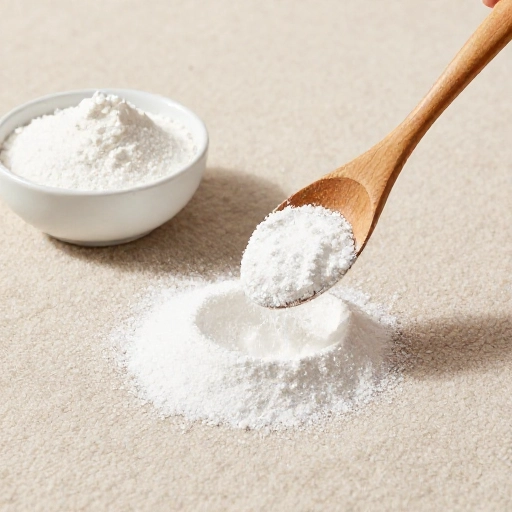
Sometimes vinegar alone doesn’t kill that deep, musty smell. That’s where baking soda comes in. It’s a natural deodorizer that absorbs odors from the fibers, not just the surface.
After you’ve blotted and sprayed your vinegar solution, sprinkle a generous layer of baking soda over the damp spot. Let it sit for at least 15 minutes—longer if the accident has been there for a while. The baking soda will pull the odor and moisture right out.
Then, just vacuum it up. It’s that easy. No special pet odor sprays, no enzyme cleaners required (though those are nice for stubborn spots). Baking soda is a powerhouse that’s hiding in your pantry.
4. Dish Soap and Water for a Quick Clean
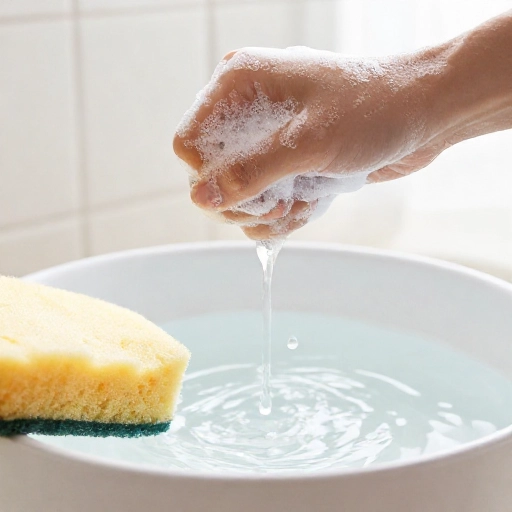
You know that little drop of dish soap you use for greasy pans? It works wonders on dog urine too. The soap breaks down the oils and proteins in the urine that water alone can’t lift.
Mix a few drops of mild dish soap (like Dawn or any unscented brand) with two cups of warm water. Dip a clean cloth into the mixture, wring it out well, and gently dab the stain. Rinse the cloth with plain water and blot again to remove the soap residue.
This method is especially good for hard surfaces like tile, wood, or vinyl floors. It’s fast, it’s gentle, and you probably already have dish soap in your kitchen right now.
5. Hydrogen Peroxide for Stubborn Yellow Stains
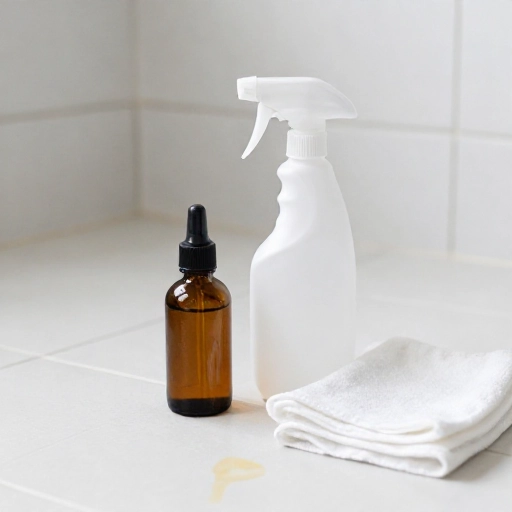
If you’re dealing with a dried stain that’s turned yellow, regular cleaning won’t cut it. Hydrogen peroxide is a mild bleach that can lift those old stains without ruining your carpet (just test it on an inconspicuous spot first).
Mix a 3% hydrogen peroxide solution (the kind in the brown bottle from the pharmacy) with a teaspoon of dish soap and a sprinkle of baking soda. Apply it to the stain, let it bubble for about five minutes, then blot it dry.
This is my go-to for spots I missed for a day or two. It breaks down the uric acid crystals that cause yellowing, and it works fast. Just remember not to use it on dark fabrics unless you’ve tested it first.
6. Club Soda—The Bubbly Trick
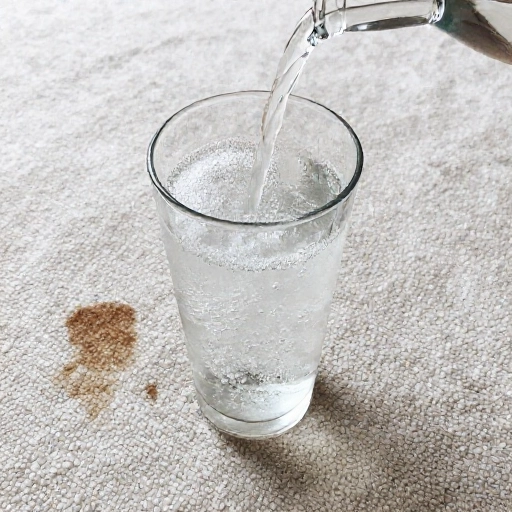
Yes, the same club soda you drink on hot days can remove dog urine. The carbonation helps lift the urine from the fibers, and the minerals neutralize the odor. It’s a bartender’s trick that works on carpets too.
Pour a small amount of club soda directly onto the stain. Let it fizz for a minute, then blot it up with a towel. You might need to repeat it once or twice for a fresh accident.
I love this method because it’s safe on almost any surface—upholstery, rugs, even car seats. And if you don’t have club soda on hand, sparkling water works just as well. No need to buy anything special for a happy hour and a clean floor.
7. Salt for Fresh Wet Spots on Rugs
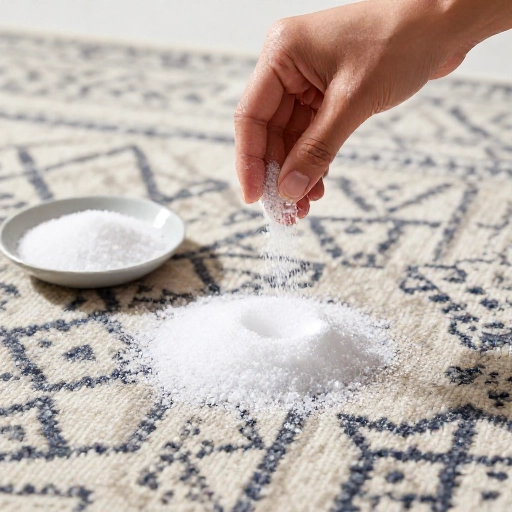
Here’s a trick my grandmother taught me: if the accident is on a rug or carpet and it’s still wet, dump a generous amount of table salt right on top. The salt absorbs the moisture quickly, pulling it away from the fibers before it soaks in deep.
Let the salt sit for 15 to 20 minutes. It will turn slightly clumpy as it absorbs. Then, vacuum it up, and you’ll see the spot is much drier and lighter. Follow up with your vinegar and water spray to finish the job.
Salt is also great for really fresh messes because it doesn’t stain. It just works quietly in the background, saving your rug from a permanent yellow mark.
8. Sunlight—The Natural Stain Remover
If the accident happened on something you can move—like a dog bed, a blanket, or a small rug—take it outside into the sunlight. Sunlight has natural bleaching properties that break down urine stains and kill bacteria.
First, clean the item with your vinegar and water solution as usual. Then lay it flat in direct sunlight for a few hours. Flip it over halfway through so both sides get the sun’s rays.
I do this with my dog’s favorite blankets every couple of weeks, even if they don’t have a stain. It keeps them fresh and bright. It’s free, it’s easy, and it’s something no fancy tool can replicate.
9. The Power of Patience—Repeat the Process
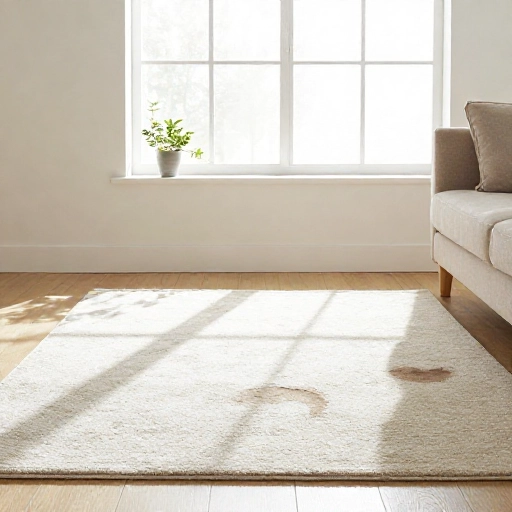
Here’s the honest truth: one round of cleaning isn’t always enough, especially if the urine has been sitting there for a while. The uric acid crystals can hide deep in the padding or fibers, and they’ll keep smelling whenever the room gets humid.
Don’t get frustrated. Just repeat your cleaning process—vinegar, baking soda, blotting—a second or even third time. Let each layer dry completely before you reapply. Patience is your best tool here.
I’ve had spots that took three rounds to fully disappear, and I promise it was worth it. The smell was gone completely, and I didn’t have to call a professional or buy a steam cleaner. Just time and persistence.
10. Prevention Is the Real Fast Fix
Okay, this isn’t about removing the urine itself, but it’s the best way to make sure you never have to. The fastest way to deal with dog urine is to stop it from happening in the first place (as much as you can, anyway).
Take your dog out more frequently, especially after meals, naps, and playtime. Reward them with a treat and praise every time they go outside. If you have a puppy, consider crate training—it teaches them to hold it because dogs naturally avoid soiling their sleeping area.
And if you see your dog sniffing around in a circle? That’s the classic sign. Interrupt them with a clap and head straight outside. The more you prevent, the less cleaning you’ll have to do, and that’s the real win.
Final Thoughts
Dog urine removal doesn’t have to be a drama. With a little quick action and basic household items, you can have fresh floors and a happy pup in minutes. I’ve used every single one of these methods, and they all work—some better than others depending on the surface and how long the stain sat.
The biggest takeaway? Blot fast, use vinegar and baking soda, and be patient. Your house will smell clean, and you’ll save a ton of money not buying expensive specialty cleaners. Plus, you’ll feel pretty smart knowing you fixed it with stuff you already had.
Now go give your dog a scratch behind the ears. Accidents happen—it’s part of the joy of having them around.
Frequently Asked Questions
Q1: Can I use bleach to remove dog urine stains?
No, please don’t. Bleach can react with the ammonia in urine to create toxic fumes. It can also discolor your carpet or fabric. Stick to vinegar, baking soda, and hydrogen peroxide instead.
Q2: Why does my house still smell like dog urine even after cleaning?
You might be missing a spot, or the urine has soaked deep into padding or subfloor. Try using a black light to find hidden spots, and repeat your cleaning process a few times. If it’s really bad, you may need to replace the padding.
Q3: Is vinegar safe for all floor types?
Vinegar is generally safe for most hard floors like tile, laminate, and sealed wood. However, avoid using it on unsealed wood or natural stone like marble, as it can etch the surface. Always test a small area first.
Q4: How do I get the smell out of dog bedding?
Wash it in your washing machine with a cup of white vinegar added to the rinse cycle. Then add a cup of baking soda to the wash cycle. Air dry in the sun for extra freshness.
Q5: What if my dog keeps peeing in the same spot inside?
That could be a habit, a medical issue, or a sign they’re not fully housetrained. Clean the spot thoroughly with an enzyme cleaner to remove all traces of urine. Then consider taking your dog to the vet to rule out a urinary tract infection.