10 Genius Dog Bed Ramp Ideas That Will Save Your Pup’s Joints (And Your Back!)
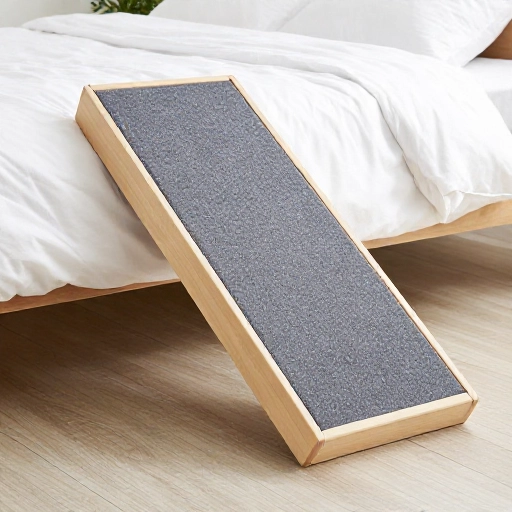
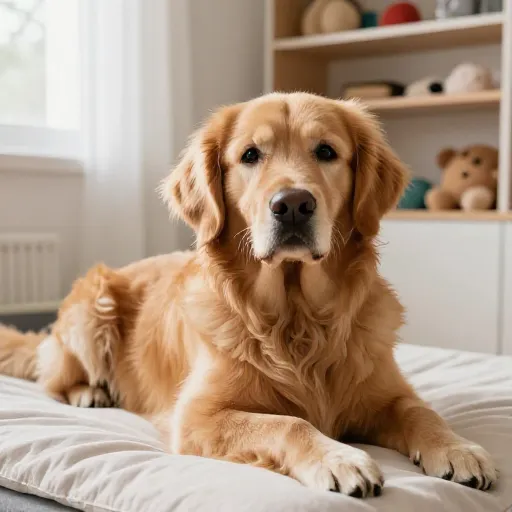
Let’s be real—watching our furry best friends struggle to hop up on the bed is heartbreaking. I remember the exact moment my golden retriever, Max, let out a little whimper trying to jump up. That sound broke my heart, and honestly, I knew I had to find a solution that didn’t look like a construction project in my bedroom.
Whether you have a tiny puppy, a senior dog with arthritis, or a breed prone to hip dysplasia, a dog bed ramp is a game-changer. It’s not just about comfort; it’s about protecting their joints and preventing serious injuries. Plus, it saves you from having to hoist a 70-pound sack of love onto the mattress every single night. Let’s explore some stylish, practical, and totally doable ramp ideas that fit every home aesthetic.
1. The DIY Foam & Fabric Triangle Ramp
If you’re handy with a box cutter, this is the most budget-friendly and customizable option. All you need is a firm piece of upholstery foam (like the kind used for couch cushions) and some durable, non-slip fabric. You can shape the foam into a gentle slope or a wedge, making it perfect for small to medium dogs who just need a little boost.
Cover the foam with a washable fabric cover, and you have a lightweight ramp that you can easily move around the house. The best part? You can pick a fabric that matches your bedroom decor perfectly.
This option is super quiet, so you won’t hear your dog’s nails clicking on a hard surface in the middle of the night. It’s also super safe for younger puppies who are still learning their coordination.
Just make sure the foam is high-density so it doesn’t compress too much under your dog’s weight. You want it firm enough to provide a stable incline.
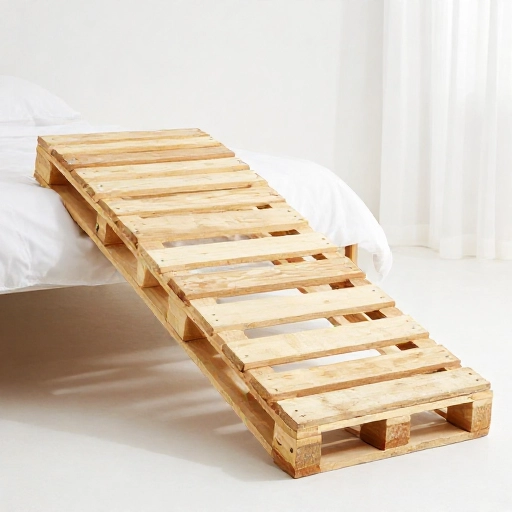
2. The Rustic Wooden Pallet Ramp
For the farmhouse or rustic decor lovers, this is a fantastic weekend project. Pallets are incredibly sturdy and can be repurposed into a beautiful, chunky ramp. You’ll need to sand them down thoroughly to prevent splinters, then attach a non-slip surface like a rubber stair tread on the walking path.
I love the industrial look of this, but it’s definitely a bulkier option. It works best in a bedroom with a lot of space, or if you have a large breed dog who needs a really wide walkway.
You can stain the wood to match your bed frame or paint it a fun, bold color to make it a statement piece. This isn’t just a ramp; it’s a piece of furniture.
Remember to seal the wood properly to protect it from any accidents or spilled water bowls nearby.
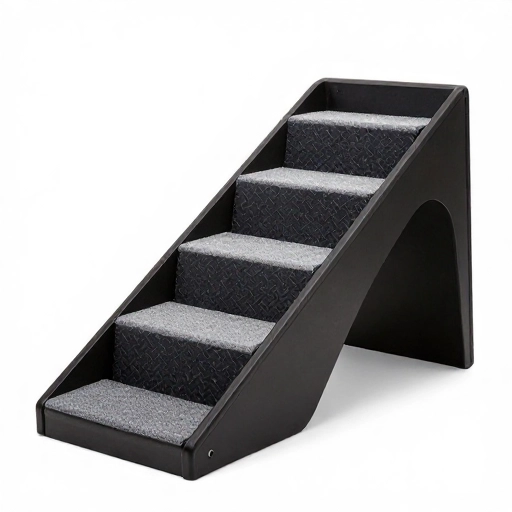
3. The Step-and-Ramp Hybrid System
This is one of the most popular trends right now, and for good reason. Instead of a long, straight ramp that takes up floor space, this hybrid combines a few low steps with a short incline at the top. It’s perfect for dogs who are a little nervous about walking up a steep slope but can handle steps.
You can build this from plywood and carpet. The steps allow your dog to gain height quickly, while the angled top section helps them transition smoothly onto the mattress without having to jump from the last step.
This design is a lifesaver for dogs with back issues because it reduces the impact of jumping while still being compact enough for a small bedroom.
Make sure each step is low enough for your dog to navigate easily—about 4-5 inches high is ideal for most breeds.
4. The Velvet Upholstered Luxury Ramp
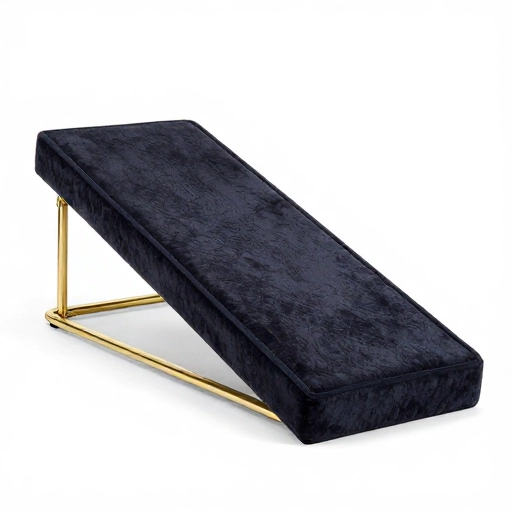
Who says dog gear has to look utilitarian? If you want your bedroom to look like a hotel suite, this is the ramp for you. This involves building a sturdy wooden base and then upholstering it with high-quality, plush velvet or a thick chenille fabric.
It sounds fancy, but it’s actually quite simple if you have a staple gun. The soft fabric provides excellent grip for your dog’s paws, and the plush texture makes it a cozy spot for them to lounge on even when they aren’t getting on the bed.
This option is heavier and more permanent, but it truly elevates the look of the room. It feels like a piece of high-end furniture rather than a pet accessory.
Choose a dark, rich color like navy or emerald to hide dirt and dog hair better between washes.
5. The Under-Bed Storage Ramp
Here is a genius hack for small apartments. Instead of having the ramp jut out into the room, build a platform at the foot of your bed that doubles as storage. This is essentially a sturdy box that sits flush against the bed, with a sloped top that acts as the ramp.
The inside of the box can hold your dog’s toys, leashes, or even your extra blankets. You use the flat top as a ramp or even just a step-up platform. This completely eliminates the “hospital ramp” look.
It’s a multi-functional piece that saves space and adds storage. I built one that looks like a wooden bench, and my dog loves sitting on the flat part and looking out the window.
Just ensure the height matches your bed exactly so there’s no gap for little paws to get caught.
6. The Crate Top Bedside Ramp
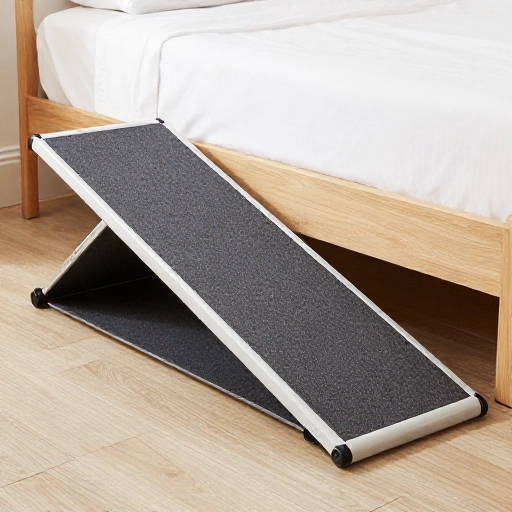
If your dog sleeps in a crate overnight, you can create a two-tier system. Place the crate next to the bed, and build a ramp that goes from the floor to the top of the crate, and then a small bridge from the crate top to your bed.
This is a great way to give your dog their own “safe space” that is also their launching pad. It encourages them to use their crate voluntarily, and the gradual incline is excellent for their joints.
You can make this out of lightweight wood and cover it with a matching carpet. It keeps the ramp off the main walkway and creates a cozy den atmosphere for your pup.
Make sure the crate is pushed firmly against the bed frame so the bridge doesn’t wiggle.
7. The Convertible Stair-Ramp
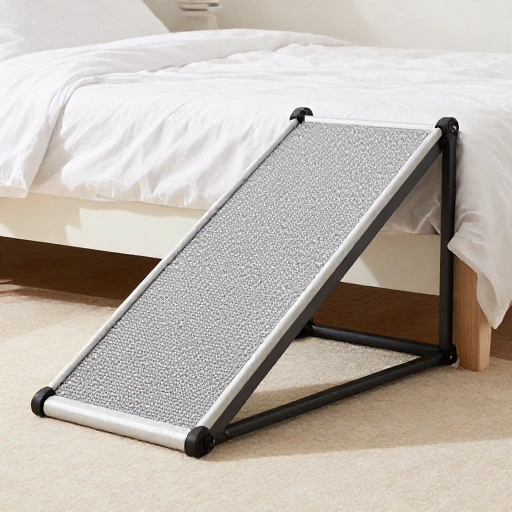
This is a brilliant DIY for the indecisive pup. Build a ramp where the panels can be adjusted. When you want a gentle slope, you lay it flat. When you need to save space, you fold it into a staircase.
This requires a bit of hardware—hinges and folding legs—but it’s a durable, long-term solution. It’s perfect for traveling or if you move your furniture around often.
The key is to make sure the hinges lock securely to prevent the ramp from collapsing while your dog is on it. Safety is the number one priority.
This flexibility means you can adapt the ramp to different pieces of furniture as your dog grows.
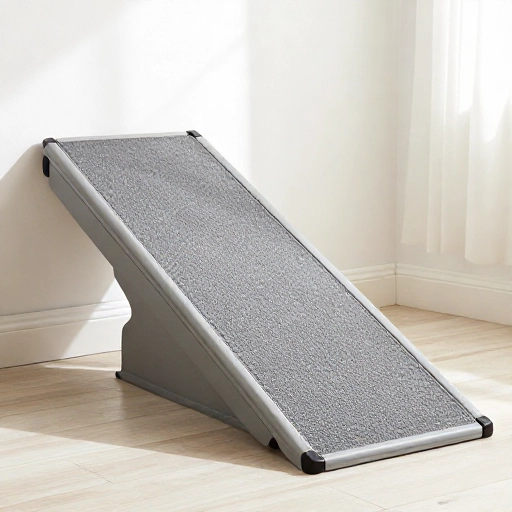
8. The Wide Carpeted Runway
Some dogs are nervous about narrow walkways. If your pup is a big scaredy-cat like mine, they need a ramp that feels spacious and secure. This design is wide—at least 24 inches—and features high, raised edges on the sides.
These side rails give your dog the confidence to walk up without feeling like they might fall off. Cover the entire thing in a low-pile, grippy carpet for maximum traction.
This is an excellent choice for older dogs with vision problems because the raised edges help them “feel” the boundaries of the ramp.
It’s a bit of a space hog, but the peace of mind it gives your dog is worth every square inch.
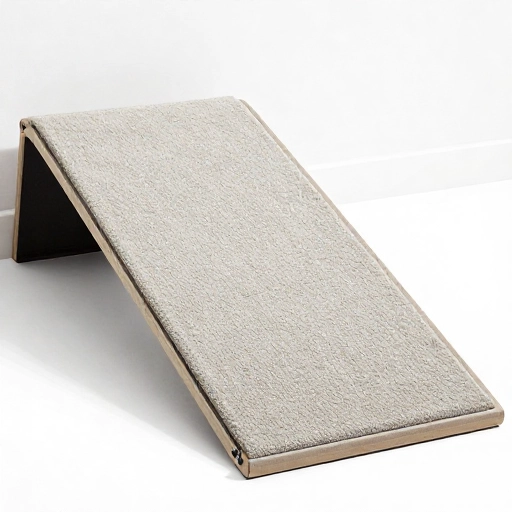
9. The Memory Foam Staircase Ramp
This is less of a “build” and more of a “hack.” If you have an ottoman or a large, firm memory foam pillow, you can stack them to create a gradual staircase next to the bed. It’s a zero-cost solution if you have spare cushions lying around.
Arrange them from lowest to highest to create a stepped incline. Cover them with a large, non-slip rug or a fitted sheet to keep them together.
This is a temporary solution, but it’s perfect for when you’re visiting a friend’s house or if you’re testing to see if your dog will even use a ramp before investing in a fancy one.
It’s incredibly soft on joints and provides a plush landing spot if they slip.
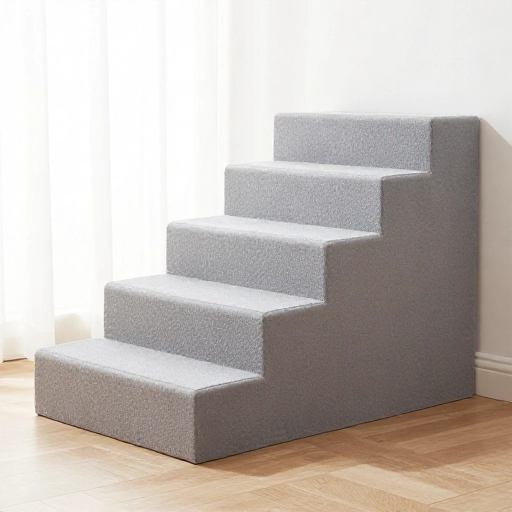
10. The Floating Shelf Ramp
For a super modern, minimalist look, consider a ramp that looks like a floating shelf. This is built with a solid wood plank that is attached to the wall at an angle, with a hidden support bracket underneath.
This frees up floor space entirely, making it look like a piece of wall art rather than a pet ramp. You can stain it to match your baseboards or paint it to match your wall color for a seamless look.
This is best for lighter dogs, as the wall mounting has weight limits. It’s a sleek, stylish choice for modern bedrooms.
Ensure you hit a stud when mounting this, as you don’t want it pulling out of the wall when your dog bounds up it.
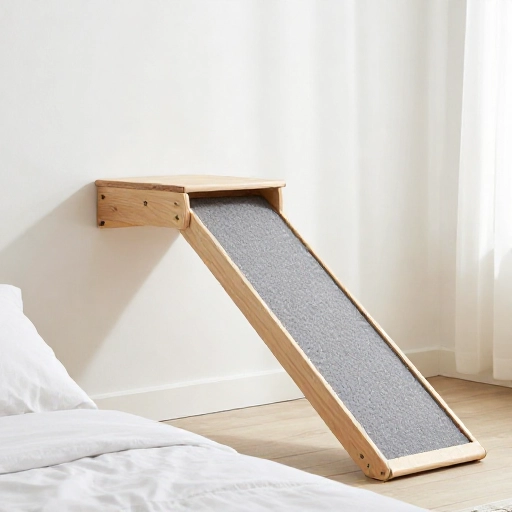
Conclusion: A Ramp For Every Pup And Every Home
There is truly a dog bed ramp solution out there for every breed, budget, and home style. Whether you choose a quick DIY foam hack or a luxury upholstered piece, you are making a wonderful investment in your dog’s health and happiness. The look on their face when they can finally get on the bed without struggling is priceless.
Take your time to observe your dog’s mobility and pick the option that feels safest for them. Your back will thank you, and your furry friend will love you even more for it.
Frequently Asked Questions
Q: Are dog bed ramps better than stairs?
A: Yes, for most dogs, ramps are better. Ramps provide a continuous, gentle slope that is easier on joints than the vertical impact of steps. Dogs with back issues, arthritis, or short legs often find ramps much more comfortable and safer.
Q: What is the best material for a dog ramp surface?
A: The best material is something with high traction and a little bit of give. Carpet is a classic choice, but rubber matting (like stair treads) is excellent because it provides a firm grip even if your dog’s paws are wet. Avoid slick surfaces like polished wood or plastic.
Q: How do I train my dog to use a new ramp?
A: Start with positive reinforcement! Place high-value treats on the ramp and let your dog sniff and explore. Gently guide them up the ramp, giving treats at each step. Never force them. It often helps to start with a flat board on the ground before introducing the incline.
Q: How steep should a dog ramp be?
A: The ideal angle is around 18 to 25 degrees. Anything steeper can be difficult and unsafe for your dog to climb, especially when they are tired or in pain. If you have the space, always opt for a longer, less steep ramp.
Q: Can I use a dog ramp for other things?
A: Absolutely! Ramps are great for getting into the car, onto the couch, or onto a favorite window seat. A sturdy, portable ramp is a versatile tool for any dog, especially as they age.