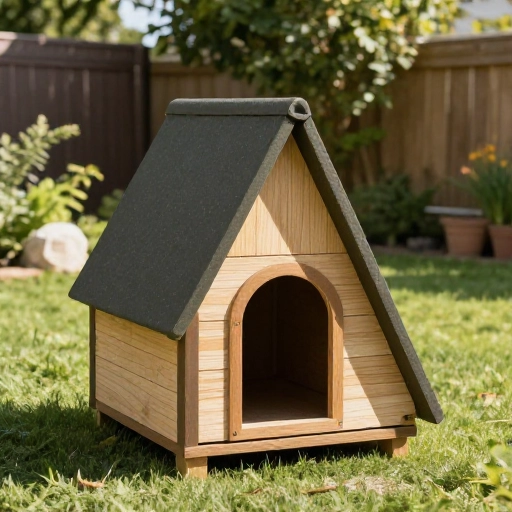
10 Kennel Cover Ideas for Every Budget
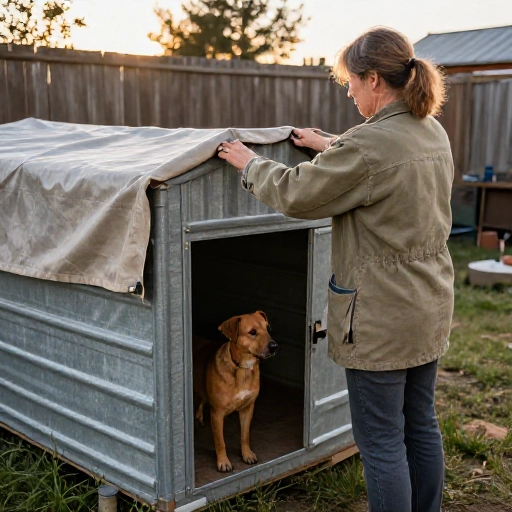
If your dog spends time in an outdoor kennel, you already know the struggle. Summer sun turns the run into an oven, winter wind cuts right through, and rain leaves everything soggy. I’ve tried more covers than I can count, and I’ve learned that you don’t need to spend a fortune to make a real difference.
Some of my favorite setups cost less than a bag of dog food. Others took a weekend and a little planning, but they’ve lasted for years. The trick is matching the cover to your climate, your kennel’s shape, and how much you want to fuss with it.
Below are ten ideas I’ve actually used or helped friends build. I’ve sorted them loosely from budget-friendly to bigger investments, so you can pick what fits your wallet right now.
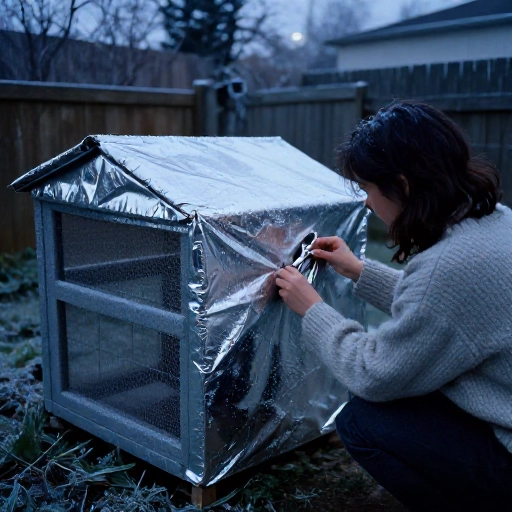
1. Heavy-Duty Tarp and Bungee Cords
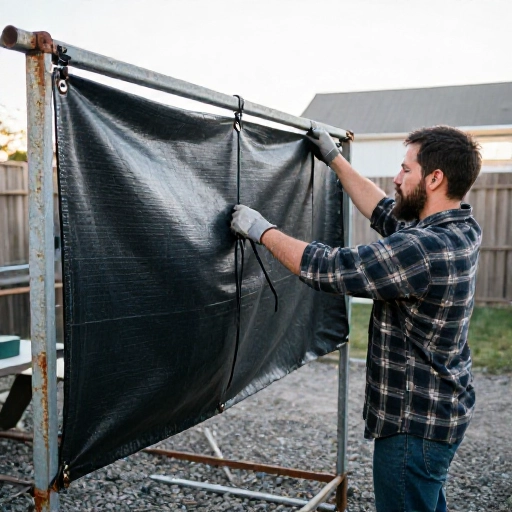
This is the one I reach for when money is tight and the weather won’t wait. A good quality tarp, a pack of bungee cords, and twenty minutes of your time can block sun, rain, and a surprising amount of wind.
Skip the thin blue tarp if you can. Spend a few extra dollars on a thicker silver or brown tarp with reinforced grommets. It lasts longer and won’t shred in the first strong gust.
Run the bungees in a crisscross pattern so the tarp stays tight. Leave one side partially open for airflow, because a fully sealed kennel turns into a sauna fast.
2. Shade Cloth for Hot Climates
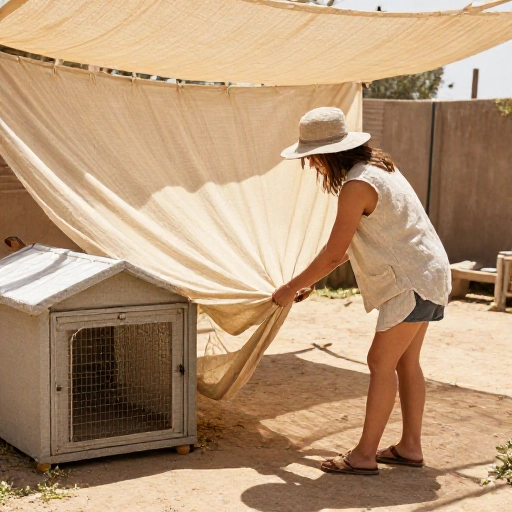
If your summers are brutal, shade cloth is a game changer. It blocks a big chunk of the sun’s heat while still letting breezes pass through.
I use 70% shade cloth on top and along the west side of my kennel. The difference in temperature underneath is honestly shocking.
Zip ties or rope work fine for attaching it. Just check the tension every few weeks, since shade cloth can sag after rain.
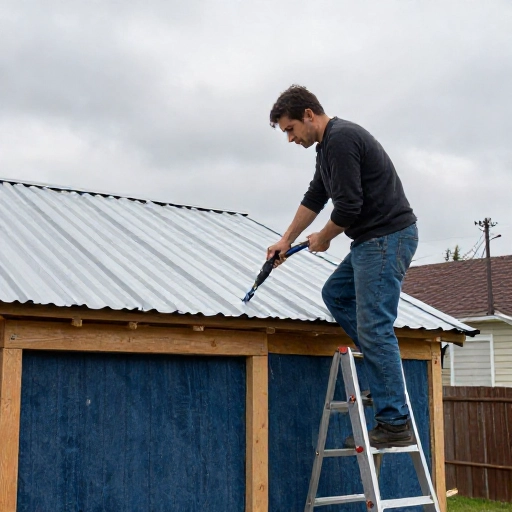
3. Corrugated Roof Panels
For a permanent roof, corrugated metal or plastic panels are hard to beat. They shed rain, handle snow, and don’t flap in the wind.
You can mount them on a simple wooden frame or attach them directly to an existing kennel top. Plastic panels are lighter and cheaper, while metal lasts longer.
This one takes a bit more effort upfront, but I haven’t touched mine in three years. That’s my kind of project.
4. Repurposed Pallet and Plywood Roof
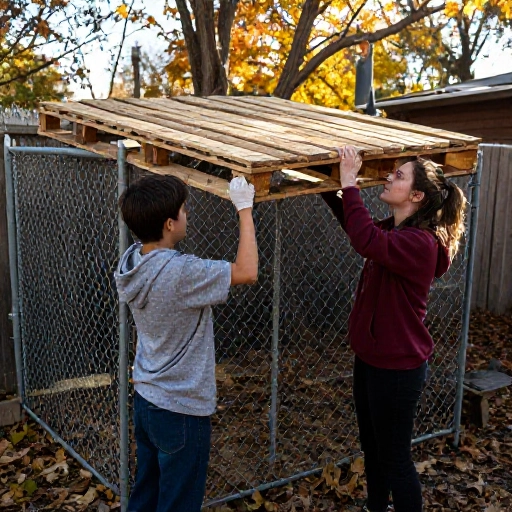
I love a good scrap build. A couple of free pallets, a sheet of plywood, and some roofing felt made a solid cover for my neighbor’s kennel.
Just make sure the wood is untreated or pet-safe. Old pallets can carry chemicals, so give them a good look before you use them.
Paint the plywood with an outdoor sealant and it’ll shrug off rain for years. Total cost for us was under forty dollars.
5. Retractable Awning
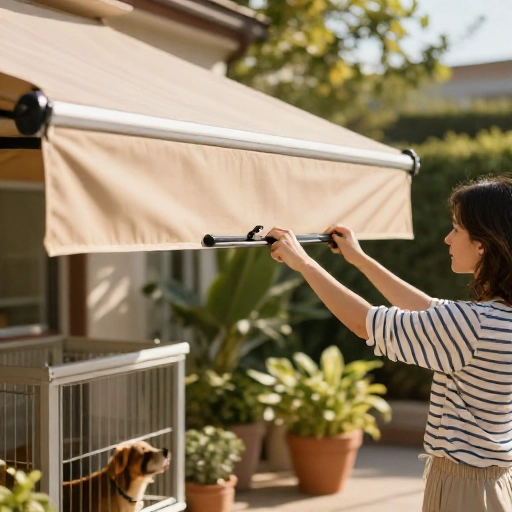
This is my favorite splurge. A retractable awning lets you dial the shade up or down depending on the season and time of day.
In summer, I roll it out mid-morning and it keeps the kennel cool through the worst heat. In winter, I retract it and let the low sun warm things up.
Look for a waterproof fabric and a frame that won’t rust. Mount it to a wall or a sturdy post, and always anchor it well if you get wind.
6. Windbreak Fabric for Cold Months
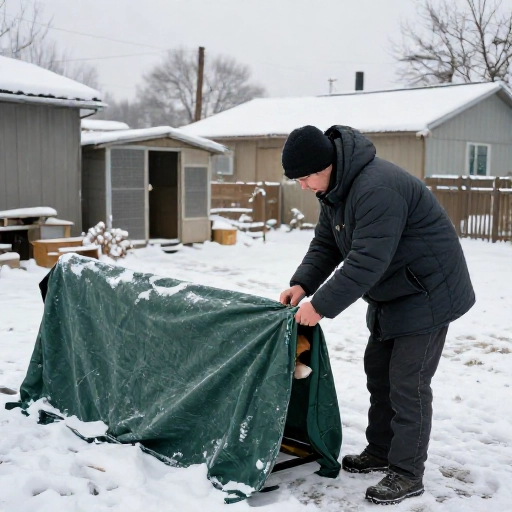
Winter is where a lot of kennel setups fall short. Wind chill does more damage than temperature alone, so blocking the breeze matters.
I wrap the north and east sides with windbreak fabric or heavy canvas. It cuts the wind without sealing the kennel completely.
Leave the side facing the sun open. That way your dog still gets light and fresh air while staying out of the worst of it.
7. Insulated Panel Covers
If you live somewhere with real seasons, insulated panels are worth considering. They keep heat out in summer and hold warmth in winter.
You can buy ready-made panels or make your own with foam board sandwiched between two sheets of plywood.
They’re heavier and pricier, but the comfort boost is real. I use them on the roof and the windward wall.
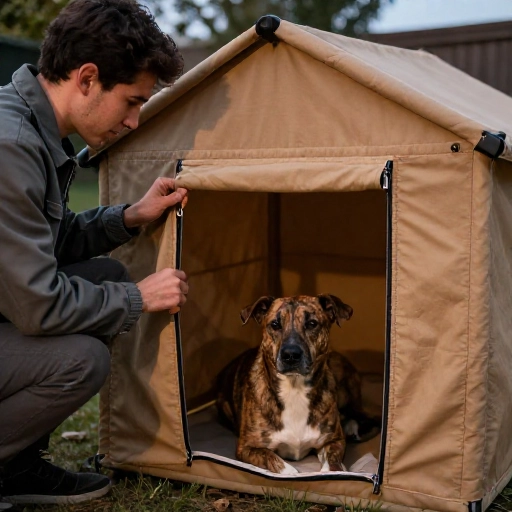
8. Canvas Kennel Cover with Zip Doors
Canvas covers look tidy and hold up well against weather. Many come with zippered doors so you can open or close sections as needed.
I like these for dogs that need a calm, den-like space. The canvas muffles sound and blocks visual distractions.
Just make sure there’s still ventilation. A fully zipped canvas box on a warm day is not a good idea.
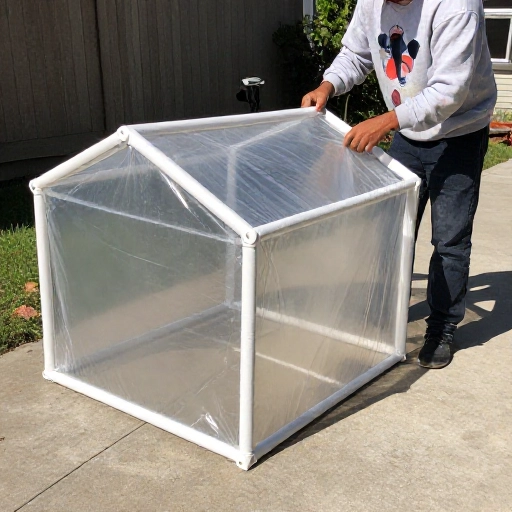
9. DIY PVC and Greenhouse Plastic Frame
This is the budget DIY option that surprised me most. PVC pipes make a quick frame, and greenhouse plastic stretched over it creates a warm, bright cover.
It’s great for winter sunrooms and transitional seasons. In summer, you can swap the plastic for shade cloth.
Use thick PVC and secure every joint, because a light frame won’t survive a storm on its own.
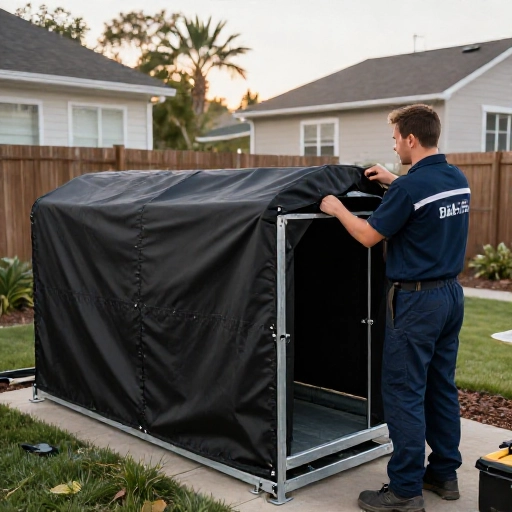
10. Custom-Fit Professional Kennel Cover
If you want the easiest, cleanest result, a custom cover is the way to go. Companies make them to your exact kennel dimensions in materials built for the job.
They cost the most, but they fit like a glove, look great, and usually come with solid warranties.
This is what I’d choose if I were starting fresh with a permanent kennel setup. Less fiddling, more peace of mind.
Conclusion
You don’t have to spend a lot to make your kennel more comfortable. A tarp and bungees can get you through a heatwave, and a few pallets can create a roof that lasts for years.
Start with whatever problem is bugging you most, then upgrade as your budget allows. Small changes add up fast, and your dog will feel the difference right away.
FAQ
How much does a kennel cover usually cost?
It ranges from about ten dollars for a basic tarp to several hundred for a custom-fit cover. DIY builds often land somewhere in the middle.
Can I leave a kennel cover on all year?
Some can stay up year-round, like metal roofs and insulated panels. Tarps and shade cloth usually wear out faster, so I swap them seasonally.
Will a cover make the kennel too hot?
Only if you seal it completely. Always leave at least one side open for airflow, and use shade cloth instead of solid material in hot climates.
What’s the best cover for winter?
Windbreak fabric or insulated panels on the windward sides work best. Keep the sunny side open so your dog still gets light and warmth.
Do I need to secure a cover against wind?
Yes, always. Even a light breeze can turn a loose tarp into a sail. Use bungees, zip ties, or proper anchors and check them regularly.