21 Smart Cat Fence Ideas for Outdoor Safety
Let’s be real—our cats love the outdoors. That warm sunbeam, the rustling leaves, the fascinating bugs. But as a cat parent, my heart races every time I see my little adventurer eyeing the neighbor’s yard. I wanted to give my cat fresh air without the constant worry. That’s why I dove into building a cat-proof fence.
Over the years, I’ve tested, tweaked, and discovered what actually works. A smart cat fence isn’t about trapping your cat—it’s about giving them a safe, enriching world to explore. Whether you have a tiny patio or a sprawling backyard, there’s a solution here for you.
These 21 ideas range from simple DIY tweaks to more permanent installations. Pick one, mix a few, or get inspired to create your own custom setup. Your cat will thank you with purrs and happy sunbathing.
1. The Classic Roller Bar
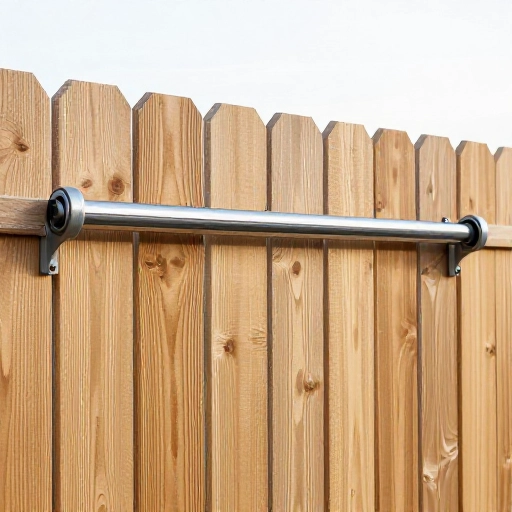
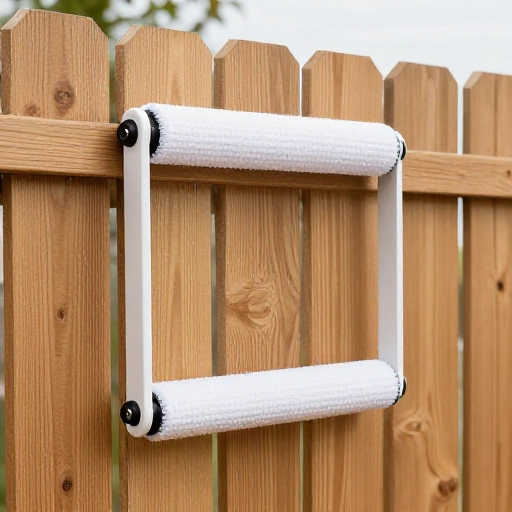
This is the gold standard for cat fences. You install a free-spinning PVC pipe or metal bar along the top of your existing fence. When your cat tries to grip it to climb over, the bar rolls, and they gently slide back down. It’s safe, effective, and surprisingly easy to install.
I used a simple PVC pipe system with brackets. My cat learned after two tries that the top is a no-go zone. It’s a bit of an investment upfront, but worth every penny for peace of mind.
2. Netting Over the Top
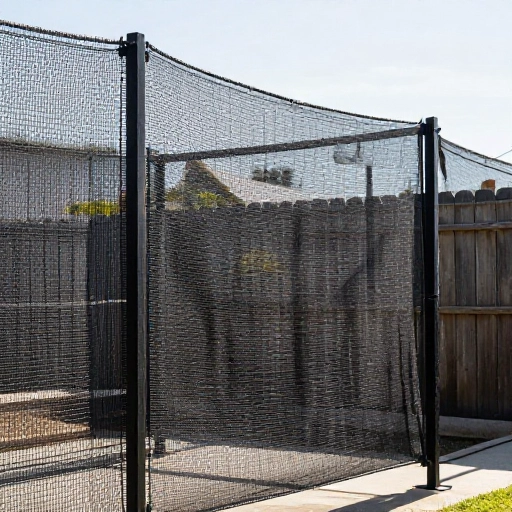
If you have a smaller enclosed area, a net roof is a game-changer. Use strong bird netting or cat-proof mesh and attach it to your fence posts. Create a gentle slope so it doesn’t sag too much.
This works especially well for patios or small gardens. My cat loves watching birds through the net, and I love that she can’t escape. Just make sure the netting is taut and secure at every corner.
3. Angled Fence Toppers
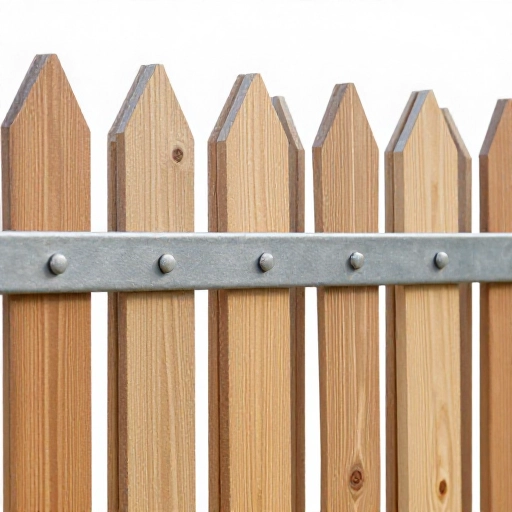
Think of this as a fence extension that angles inward at 45 or 60 degrees. Cats can’t get a good grip on the overhang, so they give up trying to climb out. You can make these from wood, wire mesh, or even heavy-duty plastic lattice.
I built mine from leftover lumber and chicken wire. It looks rustic and blends right into the garden. The angle is key—too shallow and they’ll still manage, too steep and it’s hard to install.
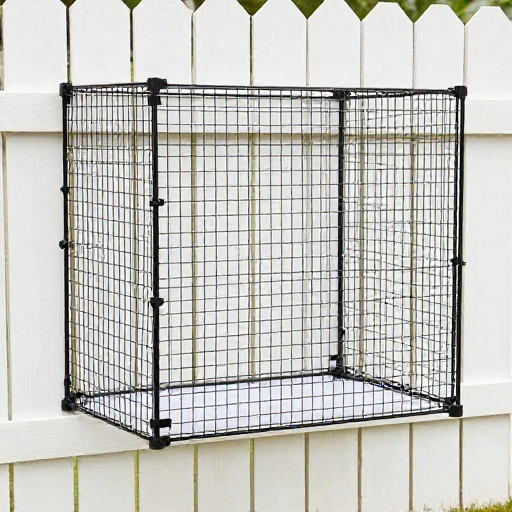
4. Catio Attached to a Window
Sometimes you don’t need to fence the whole yard. A catio (cat patio) attached to a window gives your cat fresh air without full yard access. You can buy kits or build a simple box with shelves and a ramp.
I made a small one from a wooden crate and wire mesh. My cat can sunbathe, watch squirrels, and even nap on a shelf. It’s like a tiny penthouse for her. Plus, it adds charm to the house.

5. Chicken Wire Trench Barrier
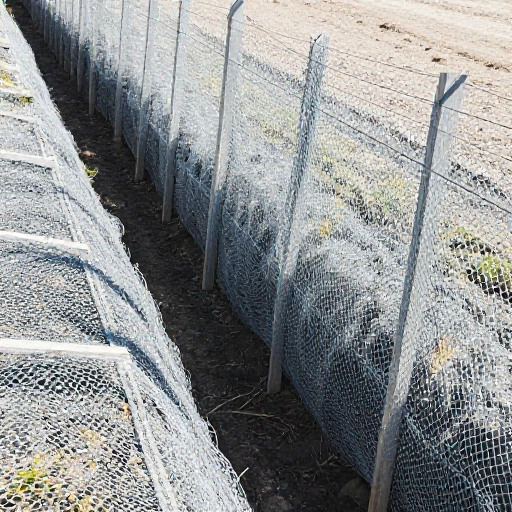
Some cats dig under fences. I learned this the hard way. To stop escape artists, bury a strip of chicken wire or hardware cloth at least 6 inches deep along the fence line. Bend it outward in an L-shape so they hit it when digging.
This is a cheap fix that takes an afternoon. My cat dug exactly once, hit the wire, and decided the dirt was boring. Now she just sits by the fence and watches the world go by.
6. Trellis with Climbing Plants
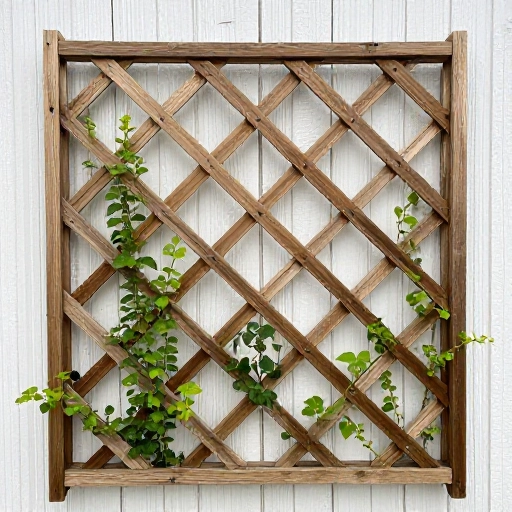
Turn your fence into a vertical garden. Install a wooden trellis along the top or side, then plant climbing roses, jasmine, or cat-safe vines. The dense foliage discourages climbing over, and your cat will love the natural shade.
I planted morning glories on mine. The flowers attract bees and butterflies, giving my cat endless entertainment. It’s beautiful and functional—two birds, one stone.
7. Privacy Screen with Wire Backing
If you want privacy and safety, combine a privacy screen with a wire mesh backing. Attach bamboo or reed fencing to your existing fence, then add a layer of cat-proof mesh behind it. The screen blocks your cat’s view of tempting escape routes.
This worked wonders for my nervous cat. She feels more secure when she can’t see the neighbor’s dog. The mesh gives me the peace of mind that she’s staying put.
8. The L-Shaped Fence Extension
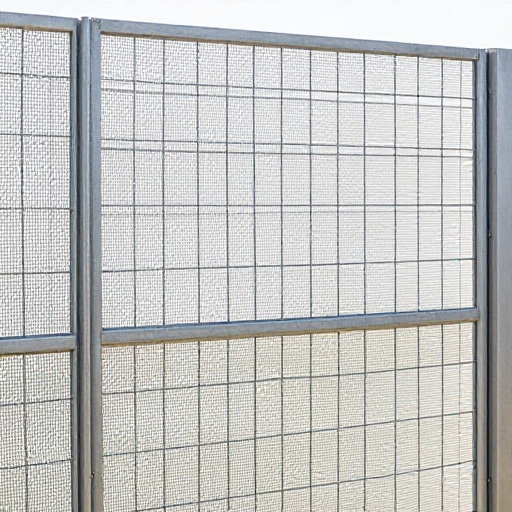
Add a horizontal extension at the top of your fence that juts inward. This creates a “L” shape that cats can’t easily scale. You can use wire mesh, wooden planks, or even old garden trellises.
I used a simple design with two-by-fours and wire. My cat tried to jump up, hit the overhang, and slid back down. It took her a week to stop testing it. Now she just lounges underneath.
9. Cat-Proof Fence Rollers (DIY)
Don’t want to buy expensive roller bars? Make your own with PVC pipes, end caps, and brackets. Cut the pipe to your fence length, attach brackets, and let it spin freely. Spray paint it to match your fence.
My DIY version cost about $30 total. It’s not perfectly smooth, but it does the job. My cat gave it one puzzled look and never tried again. Plus, I felt proud of my handiwork.
10. Mesh Panels with Tension Wire
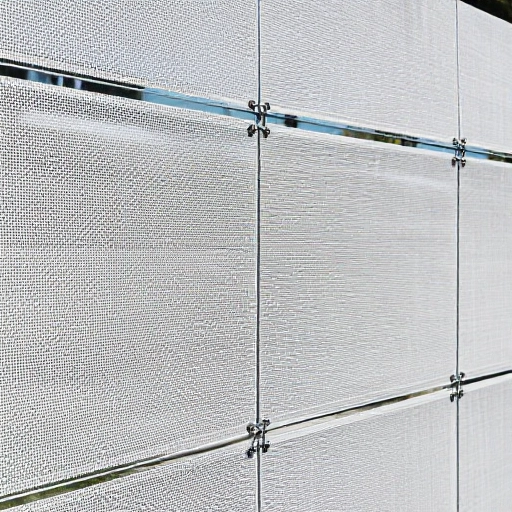
For tall fences, use heavy-duty mesh panels and attach them with tension wire. This creates a barrier that’s nearly impossible to climb. The tension wire keeps the mesh tight so your cat can’t push through.
I used this around a large area. The panels are sturdy enough that my cat can’t bend them. It took a weekend to install, but now I can let her roam freely without constant supervision.
11. The Cat Run (Enclosed Walkway)
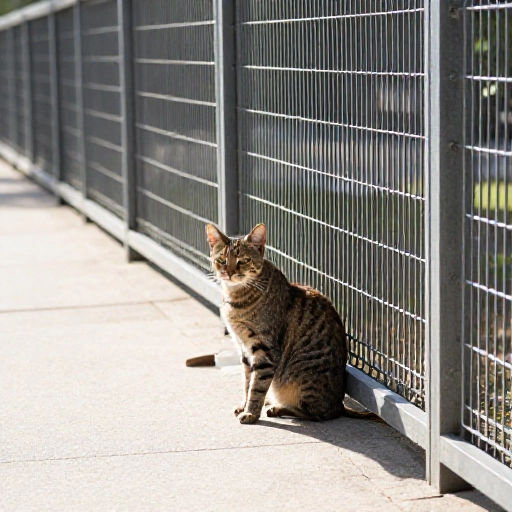
Create an enclosed walkway that connects your house to a fenced area. This is perfect if you have a long, narrow yard. Use wire mesh and PVC pipes to build a tunnel. Your cat can run, chase, and explore without any risk.
My cat’s run is about 20 feet long. She loves sprinting from the door to her favorite sun spot. It’s like her own personal highway. Building it was a fun weekend project.
12. Overhanging Net Curtain
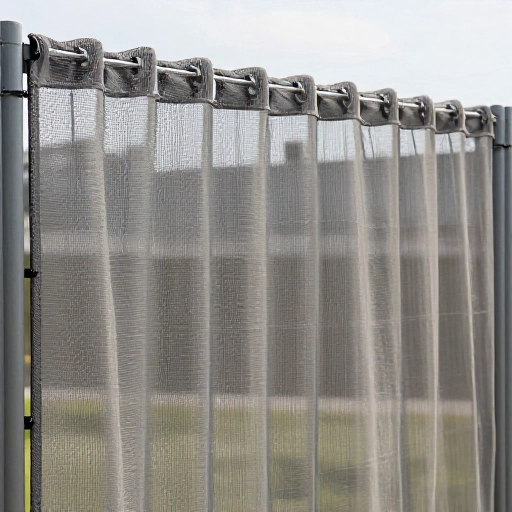
Attach a lightweight netting curtain that hangs from the top of your fence outward. The netting creates a soft barrier that cats find confusing. They can’t grip it, and it sways when they try to climb.
I used old mosquito netting. It’s not the prettiest, but it works. My cat just sits and watches the net flutter in the breeze. It’s a low-cost, low-effort solution.
13. Wooden Pallet Fence Topper
Repurpose wooden pallets into fence toppers. Cut the pallet into sections and attach them at an angle along the top of your fence. The rough wood texture is hard for cats to grip, and it adds a rustic vibe.
I found pallets for free on a local marketplace. After sanding and painting, they looked great. My cat tried once, slipped, and decided the ground was better. Budget-friendly and eco-friendly.

14. Electric Fence (Low Voltage)
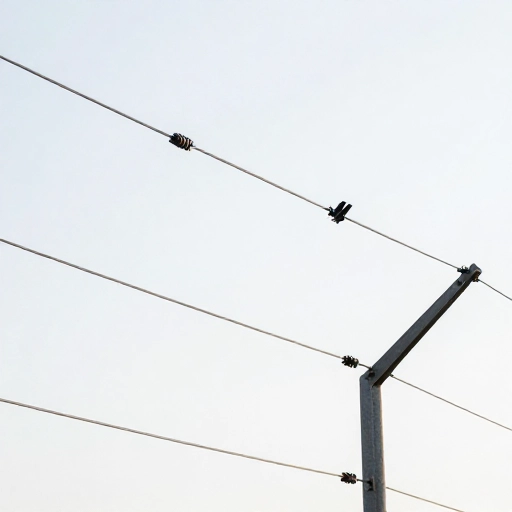
This is for serious escape artists. Use a low-voltage electric fence wire along the top of your fence. The zap is harmless but startling. Most cats learn after one or two touches. Always use a system designed for pets.
I was nervous about this, but it’s actually very safe. My cat touched it once, jumped back, and never approached the fence again. It’s a last resort, but it works.
15. Tall Fence with Smooth Surface
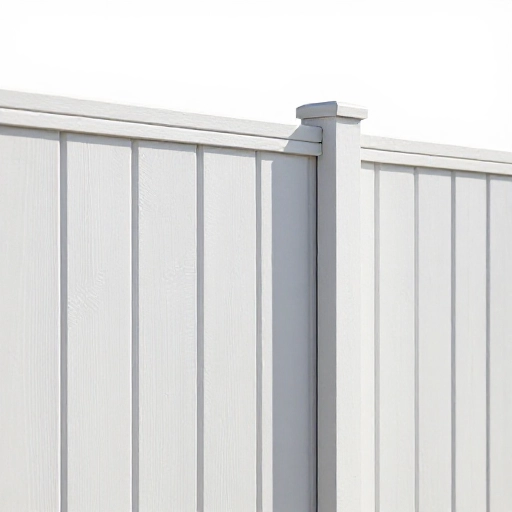
If you’re building a new fence, go tall (at least 6 feet) and use smooth materials like vinyl or coated metal. Cats struggle to climb smooth surfaces. Add a slight inward curve at the top for extra security.
My neighbor has this setup. Her cat has never attempted to escape. It’s sleek, low-maintenance, and looks modern. Perfect if you’re starting from scratch.

16. Hanging Planters as Deterrents
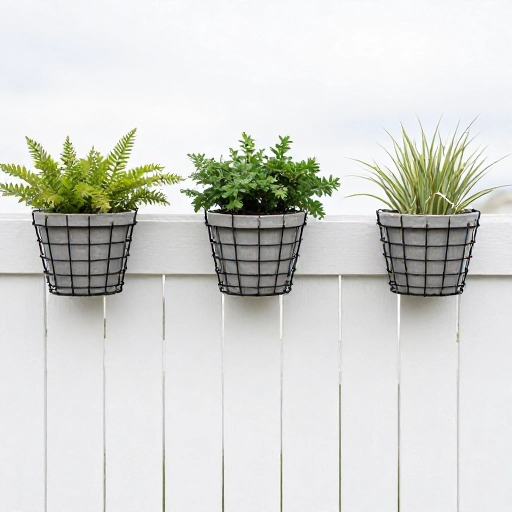
Deter climbing by placing hanging planters along the top of your fence. The plants create a unstable surface that cats avoid. Choose cat-safe plants like catnip or spider plants for bonus points.
I hung a few pots with trailing ivy. My cat loves to sniff them but never tries to climb. It makes the fence look like a garden feature. Win-win.
17. Lattice Overlay with Sharp Angles
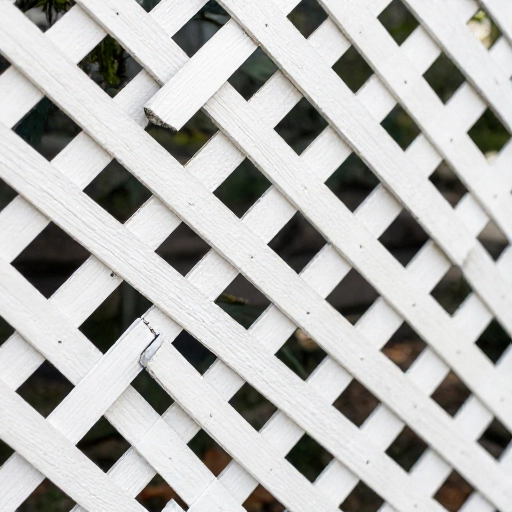
Attach a lattice panel to the top of your fence, then cut it into sharp zigzag or diamond shapes. The irregular angles make it hard for cats to get a foothold. Paint it to match your fence.
This is a DIY project that looks intentional. I used leftover lattice from a home improvement store. My cat just stares at it, confused. It’s cheap and effective.
18. Cat-Safe Plants as a Natural Barrier
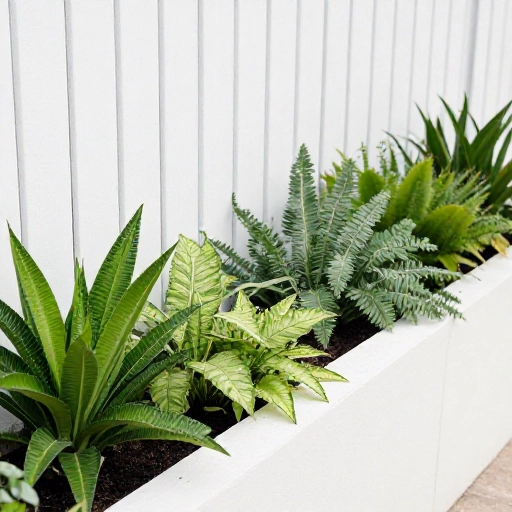
Plant dense, thorny shrubs along the base of your fence. Roses, barberry, or holly create a natural barrier that cats avoid. The thorns are uncomfortable, but they won’t hurt your cat if they just brush against them.
I planted a row of lavender and rosemary. They smell amazing, and my cat has zero interest in pushing through. It’s a fragrant, natural solution.
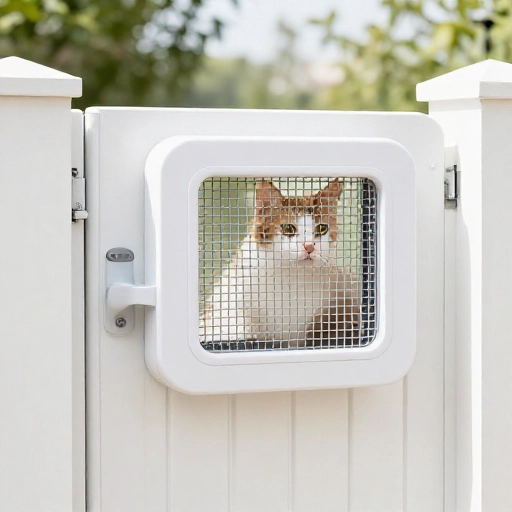
19. The “Cat-Proof” Gate Add-On
Most escapes happen through gates. Add a mesh panel or a rolling bar to the top of your gate. Also, install a self-closing hinge so the gate doesn’t accidentally stay open. A simple latch lock helps too.
I upgraded my gate with a mesh panel and a spring hinge. Now my cat can’t slip out when I’m carrying groceries. It’s a small fix that makes a big difference.
20. DIY Cat Fence Extension Kit
Buy a ready-made cat fence extension kit. These include angled brackets, mesh, and hardware. They’re designed to attach to existing fences and are very easy to install. Great for renters or those with limited tools.
I helped a friend install one in an afternoon. The instructions were clear, and the result was professional-looking. Her cat was contained within hours. Kits are a stress-free option.
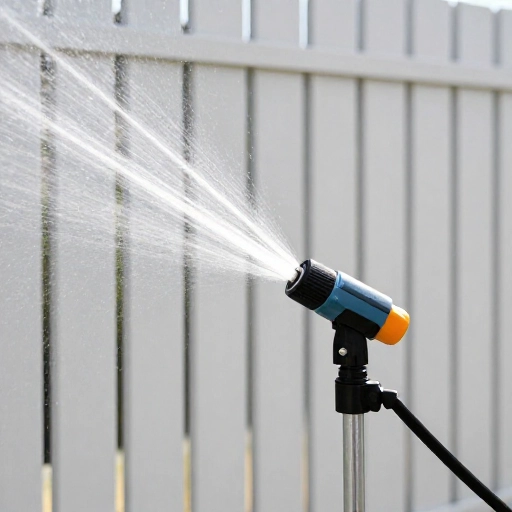
21. The Scarecrow Method (Motion-Activated Sprinkler)
Use a motion-activated sprinkler near the fence line. When your cat approaches, it gets a gentle spray of water. Most cats learn quickly to stay away from that area. It’s humane and effective.
I placed one near the weakest part of my fence. My cat got sprayed once, and now she avoids that section entirely. It’s a great temporary solution while you build a permanent barrier.
After trying most of these ideas, I can honestly say that combining a roller bar with a buried trench barrier is my go-to. Every cat is different, so don’t be afraid to experiment. Your cat’s safety is worth a little effort. They’ll have the freedom to explore, and you’ll have the peace of mind to relax.
Remember, a happy cat is a safe cat. Start with one idea, see how your cat reacts, and build from there. You’ll both love the result.
Frequently Asked Questions
1. Will a cat fence hurt my cat?
No, most cat fence solutions are designed to be safe and humane. Roller bars, netting, and angled toppers are harmless. They simply make climbing uncomfortable or impossible. Always avoid sharp edges or toxic materials.
2. How high should a cat fence be?
At least 6 feet tall is recommended. Cats are excellent jumpers, and a lower fence is just a challenge. Adding an angled topper or roller bar can effectively lower the height needed.
3. Can I install a cat fence if I rent?
Yes! Look for temporary solutions like netting, catios, or removable mesh panels. Avoid drilling into permanent structures. Always check with your landlord first, but many are okay with non-permanent setups.
4. How much does a cat fence cost?
Costs vary widely. DIY options like chicken wire or plant barriers can be under $50. Professional kits or roller bars range from $100 to $500. Catios and custom installations can cost more. There’s a solution for every budget.
5. Will my cat try to escape if I build a fence?
Some cats will test the new barrier at first. But once they realize they can’t get over or under, they usually accept it. Provide plenty of enrichment inside the fenced area—shelves, toys, and sunny spots—so they don’t feel trapped.