Dog-Friendly Fruits and Vegetables: 10 Safe & Healthy Treats Your Pup Will Love

I love sharing fresh food with my dog. It’s one of the simplest ways to add variety, nutrients, and a little excitement to treat time. But not every fruit or veggie belongs in the bowl. Some are perfectly safe, and others can upset a dog’s stomach or cause serious problems.
Over the years, I’ve learned which dog-friendly fruits and vegetables are worth keeping on hand. I’ve also learned that prep matters just as much as the food itself. Size, seeds, skins, and portions can make a safe snack unsafe.
Below are my 10 favorite picks, plus easy ways to serve them. Always check with your vet before adding new foods, especially if your dog has health issues or is on a special diet.
Why Dog-Friendly Fruits and Vegetables Are Worth Adding
Fruits and veggies can add fiber, vitamins, and antioxidants to your dog’s diet. They’re also lower in calories than many processed treats, which helps if your dog is watching their weight.
I use them as toppers, training rewards, or frozen treats. They don’t replace a complete and balanced dog food, but they can make meals more interesting and satisfying.
Start small. A new food can cause tummy upset, so offer one piece and wait a day or two before giving more.
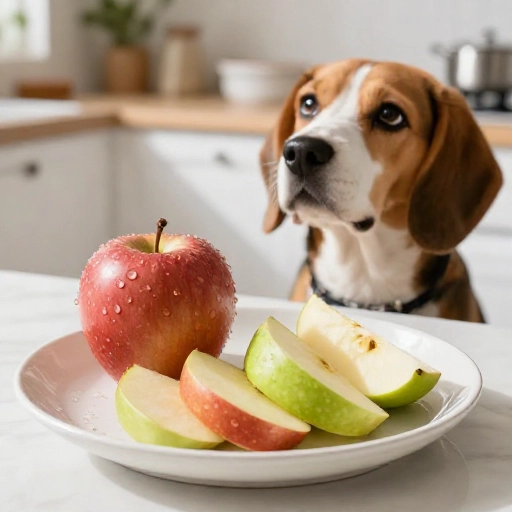
Apples: Crunchy, Sweet, and Perfect for Snack Time
Apples are a classic dog-friendly fruit. I slice them into thin pieces and remove the core and seeds. The seeds contain a small amount of cyanide, so they’re not worth the risk.
My dog loves frozen apple slices in summer. They’re crunchy, cold, and satisfying. Just skip the caramel, sugar, or any flavored toppings.
Apples are high in fiber and vitamin C. A few slices are plenty for most dogs.
Carrots: The Crunchy Treat That Doubles as a Chew
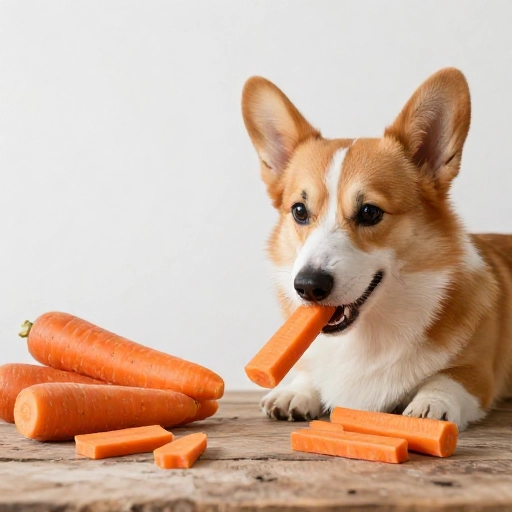
Carrots are one of the most convenient dog-friendly vegetables. I keep a bag of baby carrots in the fridge for quick rewards.
Raw carrots are great for chewing, while cooked carrots are softer for senior dogs or pups with sensitive teeth. Cut large carrots into manageable pieces to prevent choking.
They’re low in calories and high in beta-carotene. My dog thinks they’re a treat; I think they’re a healthy habit.
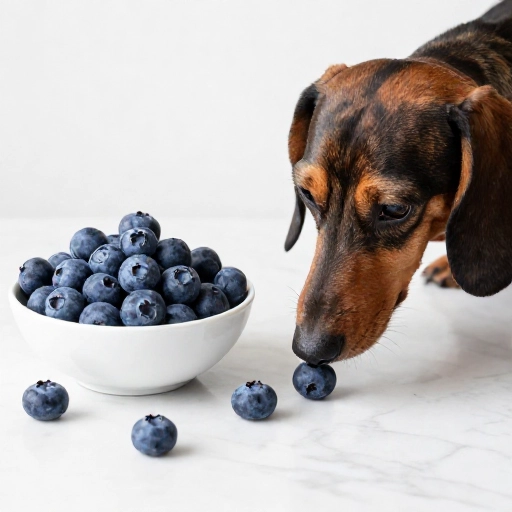
Blueberries: Tiny Antioxidant Bombs
Blueberries are small but mighty. They’re packed with antioxidants, vitamin C, and fiber. I toss a few into my dog’s bowl or freeze them for a cool snack.
For small dogs, I mash them slightly to reduce choking risk. For bigger dogs, whole fresh or frozen blueberries usually work fine.
Keep the portion modest. A handful is a lot for a little dog, so think in terms of a few berries, not a whole cup.
Pumpkin: My Go-To for Tummy Trouble
Plain pumpkin puree is one of my favorite dog-friendly vegetables. It’s gentle fiber that can help with both loose stools and constipation.
I use canned pumpkin, not pumpkin pie filling. Pie filling has sugar, spices, and sometimes xylitol, which is toxic to dogs.
A spoonful mixed into meals is usually enough. If your dog has ongoing digestive issues, ask your vet before making it a regular habit.

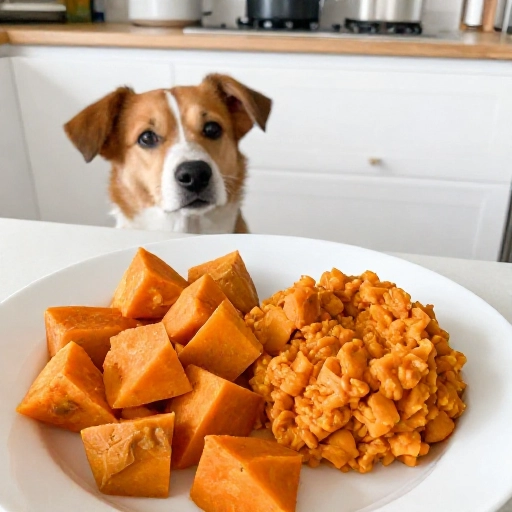
Sweet Potato: Cooked, Soft, and Satisfying
Sweet potatoes are a tasty source of fiber and vitamin A. I always serve them cooked, peeled, and plain. Raw sweet potato is hard to digest and can be a choking hazard.
I bake or steam them, then mash or cube them. Some dogs love dehydrated sweet potato chews, but I check that they’re free of added salt, sugar, and preservatives.
Because they’re starchy and naturally sweet, I keep portions small. They’re a treat, not a meal.
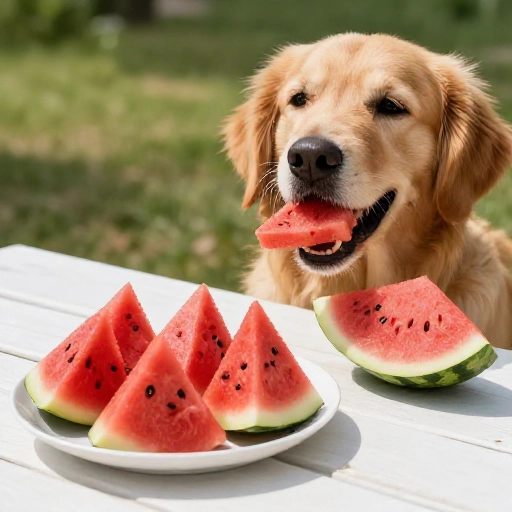
Watermelon: A Hydrating Summer Favorite
Watermelon is mostly water, which makes it a refreshing treat on hot days. I remove the rind and every seed before giving it to my dog.
Seedless watermelon is easiest, but I still check for stray seeds. The rind can cause digestive upset, so it goes in the compost.
I cut it into bite-sized cubes or freeze chunks for a pup-friendly popsicle. It’s a sweet treat that feels indulgent without being heavy.
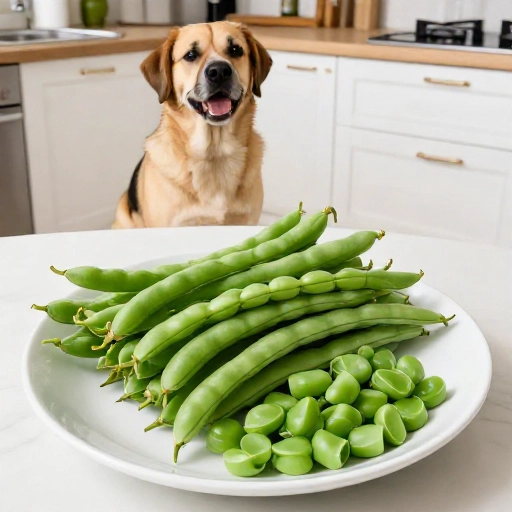
Green Beans: The Low-Calorie Veggie for Weight Watchers
Green beans are my secret weapon when my dog needs to slim down. They’re low in calories and high in fiber, so they add bulk without adding much fat.
I serve them fresh, steamed, or frozen. Canned green beans work too, but I rinse them well and choose no-salt-added versions.
Cut them into small pieces for small dogs. Some dogs prefer them cooked, while others love the crunch of raw or frozen beans.
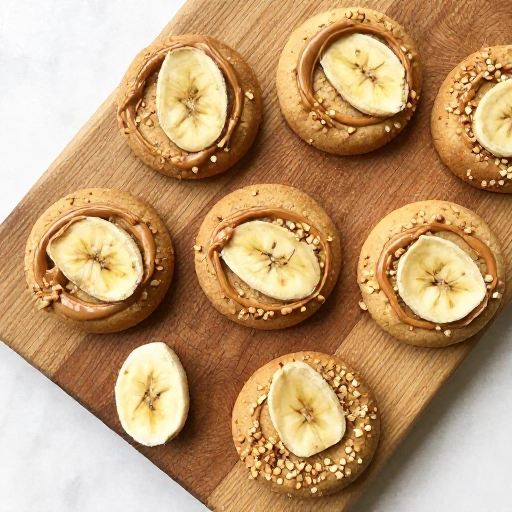
Bananas: Soft, Sweet, and Great for Stuffing Toys
Bananas are a dog-friendly fruit that most pups go crazy for. They’re rich in potassium, vitamin B6, and magnesium.
I mash a few slices into a Kong or use them as a soft training treat. Because bananas are sugary, I treat them like dessert, not a daily staple.
A couple of slices are enough for a medium dog. Too much can cause constipation or an upset stomach.

Cucumber and Zucchini: Crisp, Cool, and Low-Cal
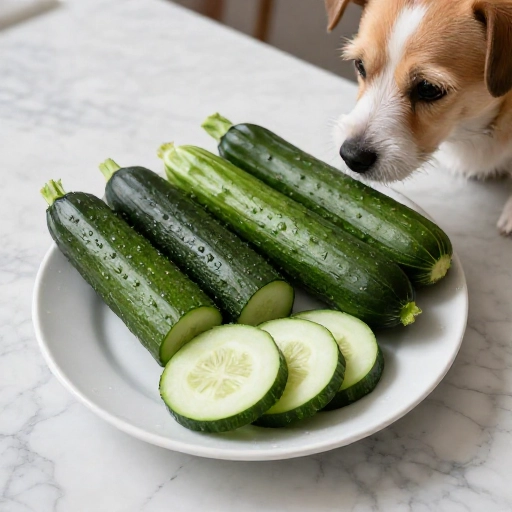
Cucumbers are hydrating and low in calories, which makes them a great summer snack. I slice them into thin rounds and remove any large seeds.
Zucchini is another winner. I serve it raw in small pieces or lightly steamed. It’s mild, easy to digest, and pairs well with other dog-friendly veggies.
I never add oil, salt, garlic, or onion powder. Plain is the rule. These two are perfect for dogs who need to watch their waistline.
Final Thoughts: Safe Serving Rules for Dog-Friendly Fruits and Vegetables
Dog-friendly fruits and vegetables can be a healthy, fun part of your dog’s routine when you serve them safely. Wash everything, remove pits, seeds, cores, and rinds, and keep pieces small.
Remember the 10% rule: treats, including fruits and veggies, should make up no more than 10% of your dog’s daily calories. The other 90% should come from a balanced dog food.
Always avoid grapes, raisins, onions, garlic, chives, avocado, and anything with xylitol. When in doubt, call your vet. A little prep goes a long way toward a happy, healthy pup.
FAQ: Dog-Friendly Fruits and Vegetables
Can dogs eat fruit every day?
Yes, but only in small amounts. Fruit is a treat, so it should stay within the 10% treat rule. Too much can cause weight gain or digestive upset.
What fruits are toxic to dogs?
Grapes and raisins are the big ones. Cherries, peaches, and plums are risky because of their pits. Always remove pits, seeds, and cores before sharing.
Should I peel fruits and vegetables for my dog?
It depends. Wash everything well. Some peels are fine, but tough skins, rinds, and pits should be removed. When in doubt, peel it or skip it.
Can puppies eat fruits and vegetables?
Many puppies can enjoy small, soft pieces of dog-safe fruits and veggies. Keep portions tiny and ask your vet first, since puppies have sensitive stomachs.
What’s the best way to serve dog-friendly fruits and vegetables?
Serve them plain, fresh, frozen, steamed, or baked. Avoid sugar, salt, oil, butter, garlic, onion, and xylitol. Small, bite-sized pieces are safest.