How to Groom a Dog at Home Like a Pro
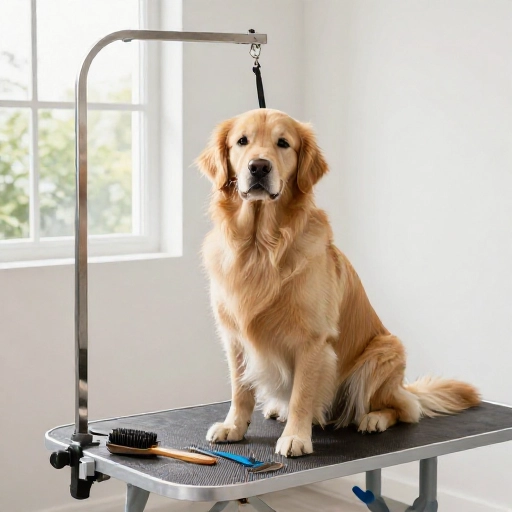
I remember the first time I tried to groom my scruffy terrier at home. Let’s just say it involved a lot of fur, a little bit of panic, and one very confused dog. But after years of practice (and a few hairy mistakes), I’ve learned that professional-looking grooming is totally doable in your own bathroom.
The secret isn’t fancy tools or a magic touch. It’s about building a calm routine, using the right techniques, and knowing exactly what steps to take. Whether you want to save money or just enjoy some bonding time with your pup, this guide will walk you through everything I’ve learned.
Grab your brush, put on some soothing music, and let’s turn your kitchen floor into a mini grooming salon. Your dog will thank you—and so will your wallet.
Start with a Good Brushing Session
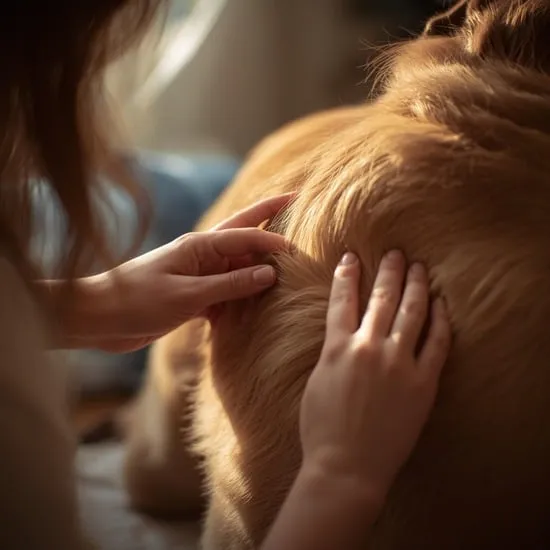
Brushing is the foundation of any great home groom. It removes loose fur, prevents tangles, and spreads natural oils that keep the coat shiny.
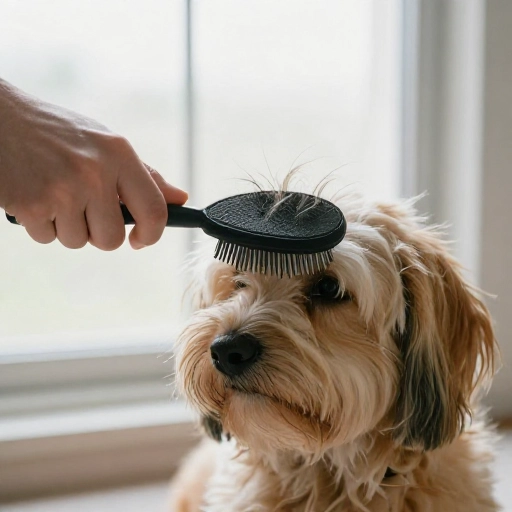
Always brush before a bath, never after. Wet fur tangles much worse. Use a slicker brush for long coats and a bristle brush for short ones. Work in small sections, starting from the skin and moving outward.
Be gentle around sensitive areas like the belly and ears. If you hit a mat, don’t yank. Use your fingers to gently pull it apart or a detangling spray.
Make it a positive experience. Give treats and praise. Your dog will start to look forward to brush time.
Choose the Right Shampoo and Conditioner
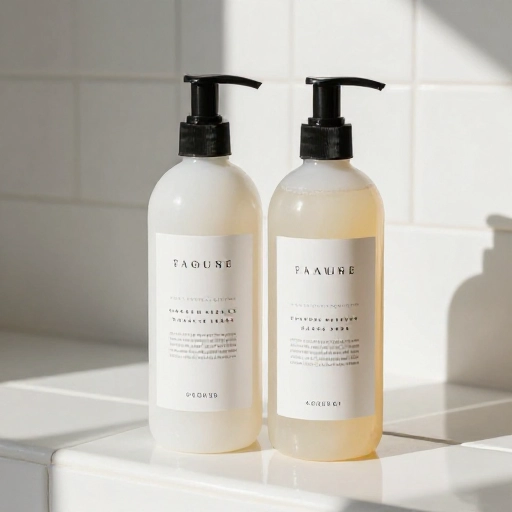
Not all dog shampoos are created equal. Human shampoo strips their natural oils and can irritate their skin. Always pick a formula made for dogs.
Consider your dog’s specific needs. Oatmeal shampoos soothe dry, itchy skin. Medicated options help with allergies or yeast issues. For white coats, a brightening shampoo prevents yellowing.
Conditioner is a game-changer, especially for long-haired breeds. It adds slip, making brushing easier after the bath. Apply it from the middle of the body down, avoiding the face unless it’s tear-free.
Dilute shampoo with water in a bottle before applying. It spreads more evenly and rinses out faster.
Master the Art of the Bath
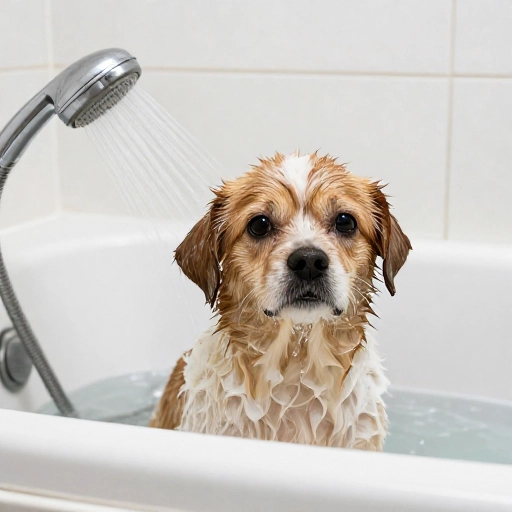
Bath time can be messy, but it doesn’t have to be stressful. Use lukewarm water—not hot, not cold. Test it on your wrist like you would for a baby.
Wet your dog thoroughly before applying shampoo. Start at the back and work your way forward. Avoid spraying water directly into the eyes or ears. A washcloth works great for the face.
Lather gently with your hands. Don’t scrub too hard—that can tangle the coat. Rinse completely. Leftover soap causes irritation and dull fur.
Towel dry as much as possible before letting them shake. That one big shake will send water everywhere, so be prepared.
Nail Trimming Without the Drama
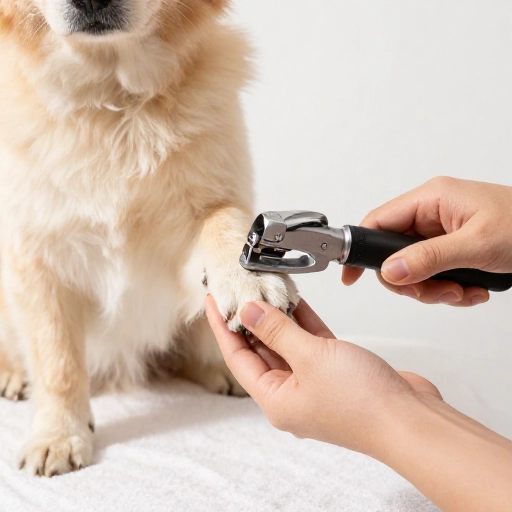
Nail trimming scares a lot of people, but it’s easier than you think. Start slow. Let your dog sniff the clippers first. Reward curiosity with a treat.
Use sharp, guillotine-style clippers for small to medium dogs and scissor-style for larger breeds. Cut only the tip, avoiding the pink area called the quick. If your dog has black nails, trim tiny bits at a time until you see a black dot in the center.
Have styptic powder or cornstarch nearby in case you nick the quick. It stops bleeding fast and calms everyone down.
If your dog is really anxious, do one paw a day. It’s better than forcing the whole job at once.
Clean Ears the Safe Way
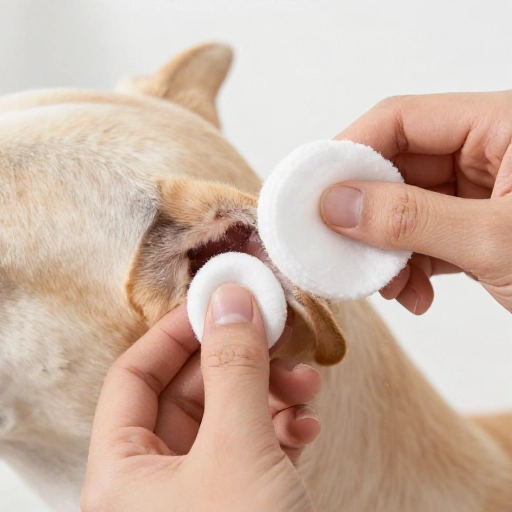
Ear cleaning prevents infections and keeps your dog comfortable. Use a vet-approved ear cleaner, never alcohol or hydrogen peroxide.
Fill the ear canal with cleaner, gently massage the base for about 20 seconds, then let your dog shake. That shake brings debris up where you can wipe it away with a cotton ball.
Never stick anything into the ear canal. Just clean the outer flap and the visible parts. If you see redness, swelling, or a bad smell, skip the grooming and see a vet.
Dogs with floppy ears need extra attention. Check them weekly, especially after swimming or baths.
Brush Those Teeth Like a Pro
Dental health is often overlooked in home grooming. But clean teeth mean fresher breath and fewer vet bills down the road.
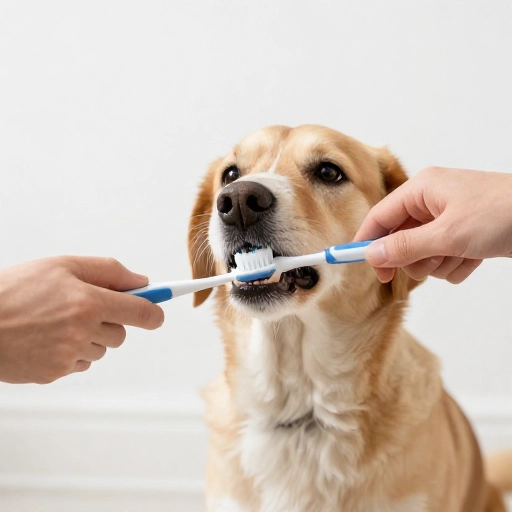
Use a dog-specific toothbrush and toothpaste. Human toothpaste contains xylitol, which is toxic to dogs. Start by letting your dog taste the toothpaste from your finger.
Lift the lip gently and brush in small circles. Focus on the outer surfaces of the back teeth where tartar builds up most. Aim for 30 seconds per side.
Don’t stress if you can’t do a full brush every day. Even twice a week makes a big difference. Dental chews and water additives help too.
Trim Eye and Face Fur Carefully
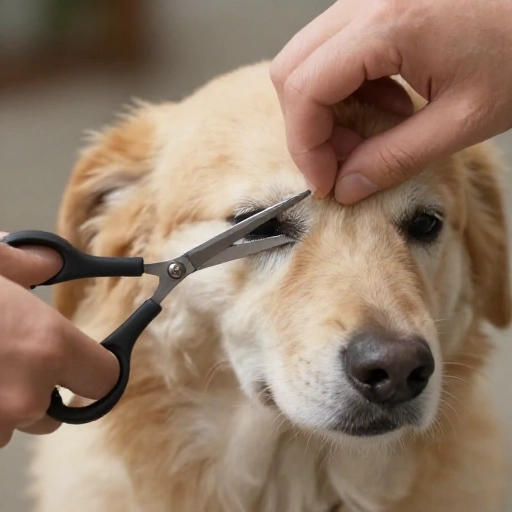
Fur around the eyes can cause irritation and tear stains. Trimming it keeps your dog’s vision clear and their face looking tidy.
Use blunt-tipped scissors for safety. Hold the fur between your fingers and snip parallel to the eye. Never point scissors toward the eye.
For tear stains, a damp cloth with warm water works wonders. Some dogs benefit from a tear stain remover wipe, but always check ingredients first.
If your dog squirms, take breaks. A calm, still dog is safer to trim. Treats help a lot here.
Handle Shedding with the Right Tools
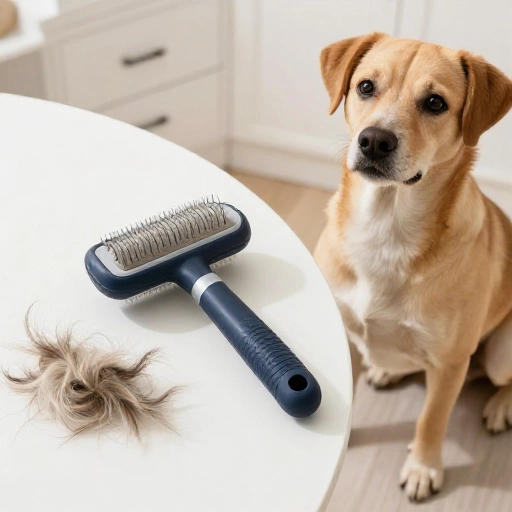
Shedding is natural, but it doesn’t have to cover your couch. A good de-shedding tool makes a huge difference.
Undercoat rakes work best for double-coated breeds like huskies and Labs. Use them gently to avoid damaging the topcoat. Brush in the direction of hair growth.
For short-haired dogs, a rubber curry brush lifts loose fur while massaging the skin. It’s gentle and effective.
Brush your dog outside when possible. Birds love the fur for nesting material. Inside, line a towel under your dog to catch the mess.
Frequent brushing during shedding season is your best friend. Daily is ideal, but every other day still helps.
Paw Pad and Sanitary Area Care
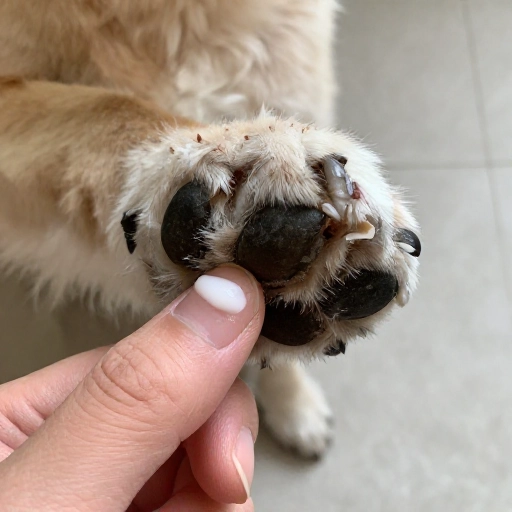
Paw pads collect dirt, debris, and even ice melt in winter. Keeping them clean prevents cracks and infections.
Trim fur between the pads with small scissors or clippers. This reduces matting and stops mud balls from forming. Check for cuts, bumps, or foreign objects like burrs.
The sanitary area needs regular trimming too. Use clippers with a guard to avoid nicks. Keep the fur short around the rear and under the belly.
Wipe paws after every walk. A damp cloth or pet-safe wipe removes allergens and keeps your home cleaner.
Finish with a Calming Grooming Routine
The best home groomers know that the process matters as much as the result. End every session with positive reinforcement.
Give your dog a high-value treat after each step. Use a calm voice and gentle hands. If your dog shows stress, take a break or stop for the day.
Set a regular grooming schedule. Some dogs need weekly brushing, others monthly baths. Consistency builds trust and makes each session easier.
Celebrate small wins. A clean, happy dog is the goal. Perfection comes with practice.
Conclusion
Grooming your dog at home is one of the most rewarding things you can do for both of you. It saves money, strengthens your bond, and keeps your pup looking and feeling their best. You don’t need to be a professional to get professional results. With patience, the right tools, and a calm approach, you can handle everything from baths to nail trims with confidence.
Remember, every dog is different. Go at their pace, adjust your techniques as needed, and don’t be afraid to ask your vet for advice. Your home grooming journey starts today—and your dog will love the extra attention.
Frequently Asked Questions
How often should I bathe my dog?
Most dogs need a bath every four to six weeks. Dogs with oily coats or skin issues may need more frequent baths. Over-bathing can dry out the skin, so follow your dog’s individual needs.
What if my dog hates being brushed?
Start with short, positive sessions. Use a soft brush and lots of treats. Let your dog sniff the brush first. Gradually increase the time as they get comfortable.
Can I use human clippers on my dog?
No, human clippers are not designed for dog fur and can overheat or pull the coat. Use pet-specific clippers with the right blade for your dog’s coat type.
How do I stop my dog from shaking during baths?
Use lukewarm water and avoid spraying the face. Keep the bathroom warm and calm. A non-slip mat helps your dog feel secure. Reward calm behavior with treats.
Is it safe to trim my dog’s whiskers?
No, whiskers serve an important sensory function. Never trim or cut them. They help dogs navigate and understand their environment.