How to Stop Your Dog from Chewing: Gentle, Proven Ways

Every dog owner has faced that moment — walking into the living room to find chewed-up shoes, shredded pillows, or gnawed furniture legs. It can be frustrating and confusing, especially when you’ve tried to give your pup everything they need. The good news? You can stop your dog from chewing without yelling or punishment — with patience, empathy, and understanding.
Why Dogs Chew in the First Place
Before solving the problem, it’s important to understand why it happens. Chewing is natural for dogs. Puppies chew to relieve teething pain, while adult dogs often chew to explore their surroundings, reduce boredom, or cope with anxiety. It’s their way of processing energy and stress. So rather than labeling it as ‘bad behavior,’ think of it as a cry for attention or stimulation.
Provide the Right Chew Toys
Dogs need an outlet for their chewing instincts. The easiest way to stop your dog from chewing furniture or shoes is to redirect that behavior toward acceptable objects. Durable chew toys, natural bones, and frozen treats can work wonders. Rotate toys every few days to keep your pup interested, and always praise them when they choose the right thing to chew. Positive reinforcement works far better than punishment.
Exercise Is the Secret Ingredient
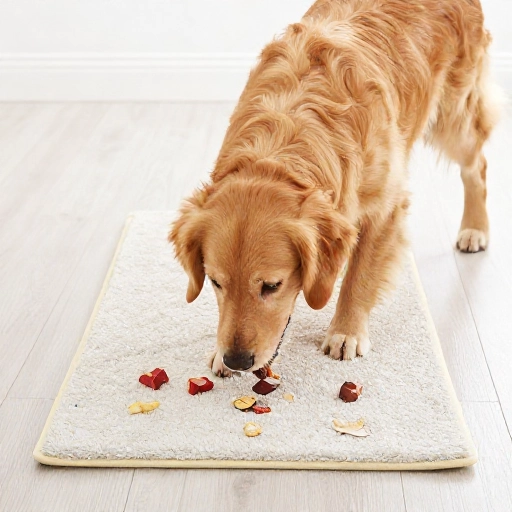
Many dogs chew because they’re simply bored or under-exercised. A tired dog is a happy dog! Regular walks, playtime, and mental challenges (like puzzle feeders or hide-and-seek with treats) can help drain excess energy. Once your pup’s physical and mental needs are met, destructive chewing usually decreases significantly.

Address Separation Anxiety
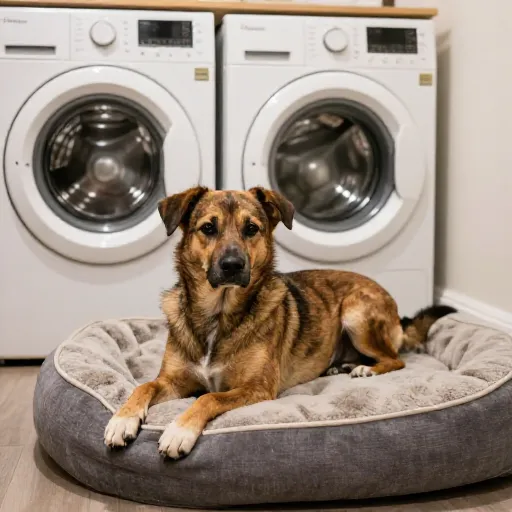
If your dog chews mostly when you’re away, separation anxiety might be the cause. Dogs are social animals, and being left alone can trigger nervous energy that turns into destructive behavior. You can help by gradually desensitizing them to your absence — start with short departures and slowly extend the time. Comfort items like your worn T-shirt or a calming toy can also make a difference.
Use Taste Deterrents and Barriers
When redirection and exercise aren’t enough, try using dog-safe taste deterrents on furniture or cords. These sprays have a bitter flavor that discourages chewing without harming your pup. Combine this with gentle training and supervision to reinforce boundaries over time. Remember: consistency is key.

Training and Positive Reinforcement
Never yell or punish your dog for chewing — it only creates fear and confusion. Instead, redirect them to the right object and reward them immediately when they comply. This teaches them what’s acceptable behavior and builds trust. Consistency, love, and patience will transform their habits faster than frustration ever could.
When to Seek Help
If your dog’s chewing continues despite your best efforts, consult a professional trainer or veterinarian. Sometimes chewing is linked to underlying issues such as stress, dental pain, or nutritional deficiencies. Getting expert guidance ensures your pup gets the help they need — and you regain peace in your home.
Final Thoughts
Chewing is a normal part of a dog’s life, but with the right guidance, you can redirect it in a healthy way. Learning how to stop your dog from chewing is not just about saving your shoes — it’s about understanding your pet’s emotions, meeting their needs, and strengthening your bond. With love, patience, and the right tools, your furry friend will soon learn what’s off-limits and what’s fair game for their playful teeth.