10 Pro Tips: Training a Stubborn Dog Without Losing Your Cool
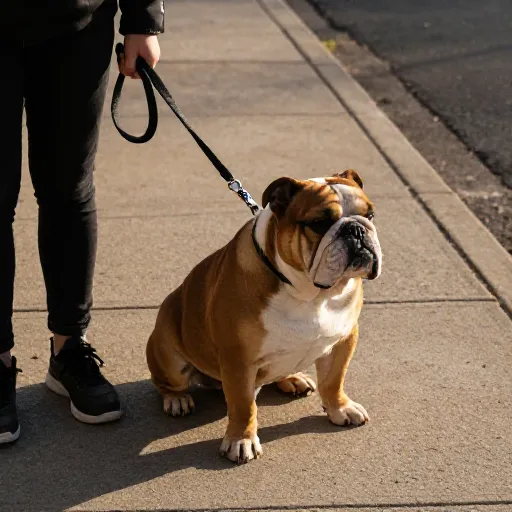
I have a confession: my first dog was a master of selective hearing. She would look me dead in the eye, then turn around and do the exact opposite of what I asked. It wasn’t that she was bad—she was just stubborn. And honestly, that stubborn streak made me a better trainer.
If you are living with a dog who thinks “sit” is a suggestion and “come” is optional, you are not alone. Training a stubborn dog is less about force and more about strategy. It’s about working smarter, not harder. These ten tips come straight from real-life trial and error, and they actually work.
Let’s get into it. No fluff, just practical advice that respects your dog’s independence and your sanity.
1. Find Their “Why”
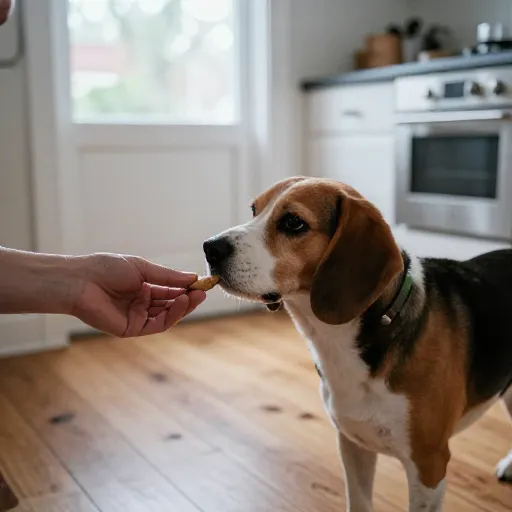
Stubborn dogs are often highly motivated—just not by your treats. Maybe your dog would do anything for a sliver of cheese but ignores a dry biscuit. Or maybe they live for a game of tug more than any snack.
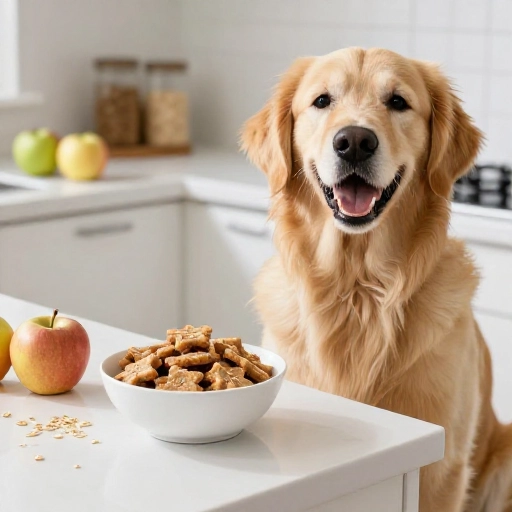
Take a week to observe what your dog genuinely loves. Is it a specific toy? A belly rub? The chance to sniff a certain bush? Once you know their currency, you can use it as a reward. Everything becomes easier when the payoff is worth their while.
2. Break It Down Into Baby Steps
Stubborn dogs get overwhelmed and shut down when a task feels too big. If “lie down” isn’t clicking, you might be asking for too much too fast.
Try this: reward your dog for just looking at the floor. Then for lowering their head. Then for bending one elbow. Each tiny success builds confidence. Before you know it, they’re lying down without you even asking. Slow and steady wins this race, every time.
3. Make “No” Mean Something Clear
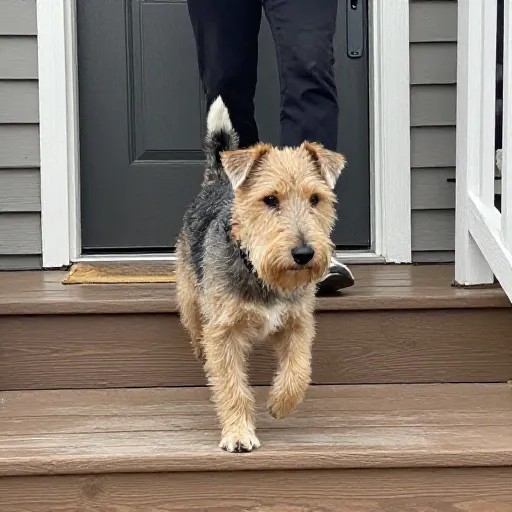
Many stubborn dogs hear “no” so often it becomes background noise. Instead of repeating yourself, teach a specific word like “leave it” or “enough” with a clear action attached.
Practice this with low-value distractions first—like a piece of kibble on the floor. Mark the moment they turn away from it and reward that choice. Over time, your dog learns that ignoring something actually gets them something better. That’s a language they understand.
4. Use Movement, Not Force
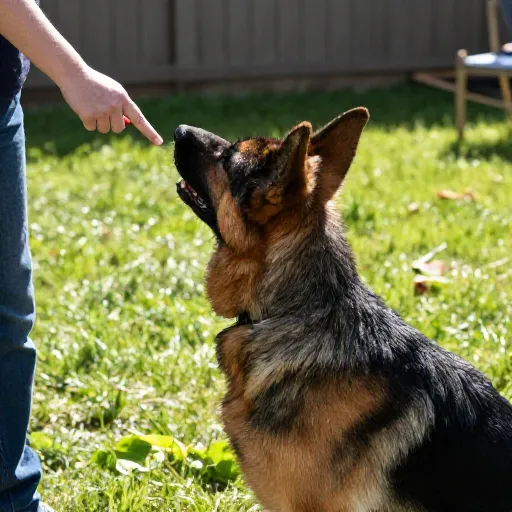
Stubborn dogs often resist being pushed or pulled into position. If you try to physically force a sit, they will brace against you like a concrete wall.
Instead, use your body language. Walk backward to encourage them to follow. Lure them into a down by sliding a treat along the ground. Turn a “stay” into a game by stepping away and returning quickly. Movement feels like play, and play feels like fun—not work.
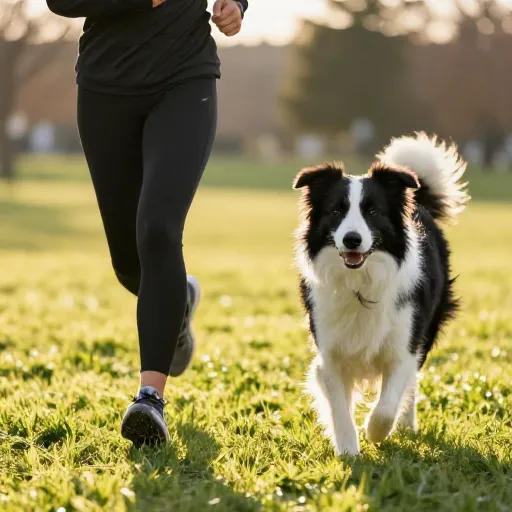
5. Keep Sessions Short and Sweet
I used to drill commands for ten minutes straight. My dog would check out by minute three. Stubborn dogs have short attention spans, especially when they’re bored.
Try training for two minutes, then playing for five. Then another two minutes. End every session on a win—even if that win is just eye contact. Your dog will start to look forward to training because it’s quick and ends with fun. That anticipation is gold.
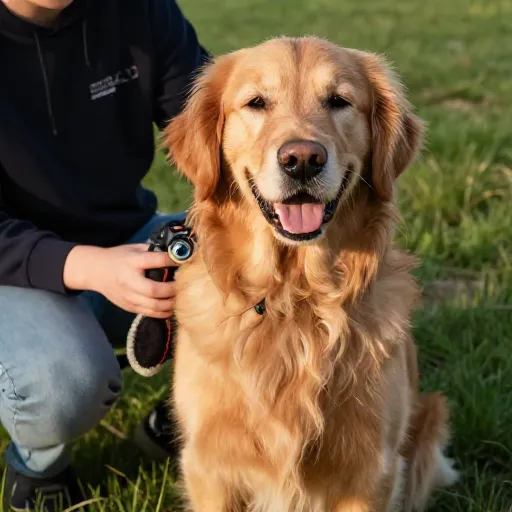
6. Be More Interesting Than the Distraction
Your dog isn’t ignoring you on purpose. They’re just fascinated by that squirrel, that smell, that leaf blowing in the wind. To compete, you need to be more exciting than the environment.
Use a happy, high-pitched voice. Clap your hands. Do a little jog in place. Make yourself look like the most fun thing in the world. When your dog chooses you over the distraction, celebrate like they just won an Olympic medal. That memory sticks.
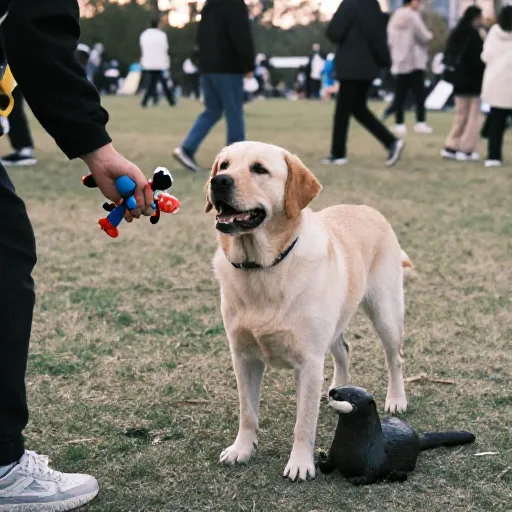
7. Give Stubborn Dogs a Job
Many stubborn breeds—like huskies, terriers, and dachshunds—were bred to work independently. They need a purpose, or they’ll invent one you don’t like.
Teach your dog to carry a toy to their bed, close a cabinet door, or find a specific item by name. Even simple tasks like “go to your mat” can satisfy that need to do something. When your dog feels useful, they’re far more willing to cooperate on your terms.
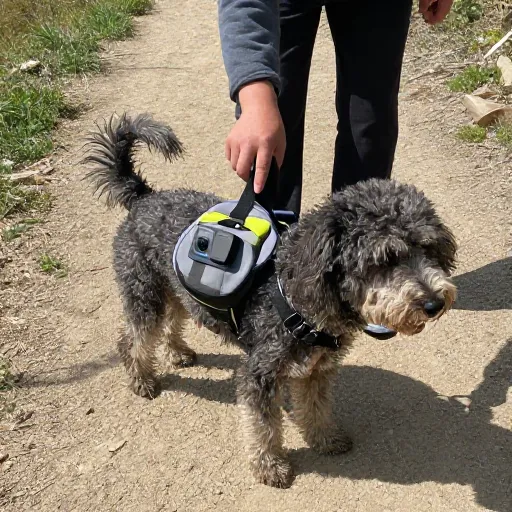
8. Stop Repeating Commands
If you say “sit” five times and your dog finally sits, you just trained them to sit on the fifth cue. Repeating teaches them that the first few words are meaningless.
Instead, say the command once. If they don’t respond, wait five seconds in silence. Then use a gentle lure or change your position. The silence creates a tiny moment of pressure that encourages them to think. When they do the right thing, reward instantly. One and done is the goal.
9. Build Trust With Choice
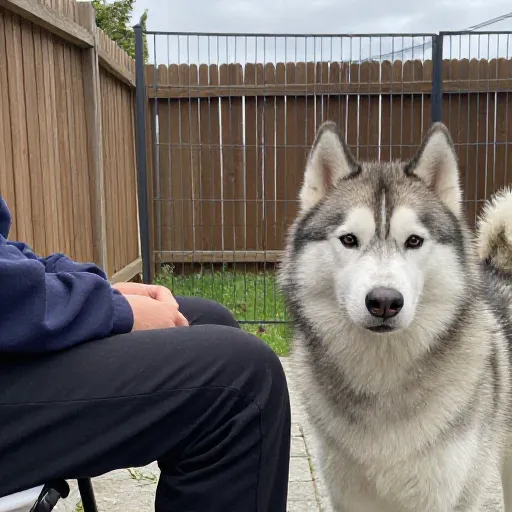
Stubborn dogs often have a strong sense of autonomy. They want to feel like they’re choosing to cooperate, not being bossed around.
Offer choices when you can. “Do you want to go left or right on our walk?” “Do you want this toy or that toy?” Let them sniff things on walks. Give them a moment to decide. When a dog feels respected, they’re more likely to offer you their attention and willingness. It’s a two-way street.
10. Embrace the Pause
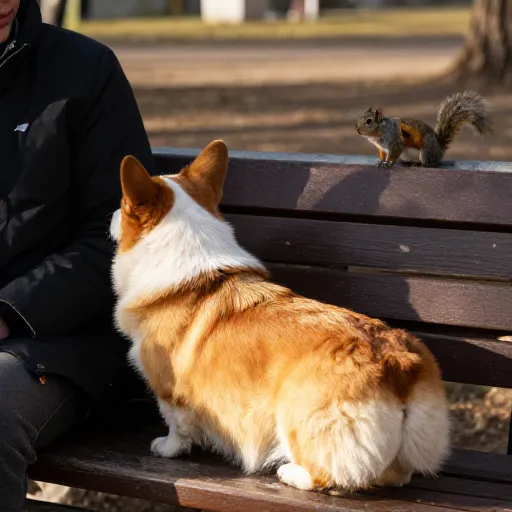
Sometimes the best thing you can do is nothing at all. When your dog is being stubborn—refusing to come inside, not lying down—stand still and wait. Don’t repeat yourself. Don’t push.
Dogs are curious. Eventually, they will check in with you. The moment they do, mark it with a calm “yes” and a reward. That tiny interaction teaches them that checking in with you is valuable. Patience is your superpower here. Breathe, wait, and let your dog make the first move.
Conclusion
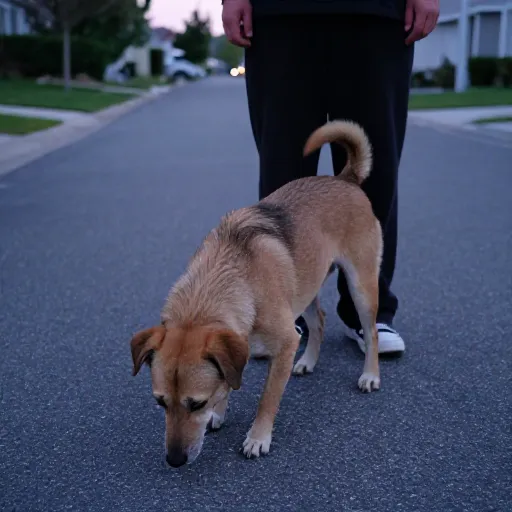
Training a stubborn dog isn’t about breaking their will—it’s about understanding their mind. Every challenge is a chance to build a deeper bond based on trust and respect, not force. Some days will be messy. Some days you’ll feel like you’re talking to a brick wall. But those small breakthroughs? They’re worth every ounce of patience.
Remember: your dog isn’t giving you a hard time. They’re having a hard time. Meet them where they are, and you’ll both grow together.
[[IMG:IMG12]]
Frequently Asked Questions
Why is my dog so stubborn?
Stubbornness often comes from breed traits, past experiences, or simply a strong personality. It’s rarely about being “bad.” Many independent breeds were designed to think for themselves. Understanding your dog’s background helps you tailor your approach.
How long does it take to train a stubborn dog?
There’s no set timeline. Some behaviors click in days, others take weeks or months. Consistency and patience matter more than speed. Focus on progress, not perfection.
Should I use punishment for a stubborn dog?
Punishment usually backfires with stubborn dogs. It can create fear, shut down learning, or increase resistance. Positive reinforcement—rewarding what you want to see—builds trust and motivation over time.
What if my dog refuses treats during training?
Try higher-value treats like cooked chicken, cheese, or hot dog pieces. If they’re still not interested, switch to toy rewards or praise. Sometimes dogs are overstimulated or anxious. A calm environment often helps.
Can an older stubborn dog learn new tricks?
Absolutely. Older dogs can learn just as well as puppies—sometimes better because they have better focus. It may take a little more patience, but the same principles apply. It’s never too late to start.
[[IMG:IMG13]]