15 Must-Have Dog Gear Essentials Every Pup Owner Should Own (My Honest Checklist)
I still remember the day I brought my first puppy home. I had a bed, a bowl, and way too much confidence. Three chewed-up shoes later, I realized something important: good dog gear isn’t about spoiling your pup. It’s about making life easier for both of you.
Over the years (and through two very different dogs), I’ve tested a ridiculous amount of gear. Some of it was a waste of money. Some of it I now recommend to every single dog owner I meet. This list is the second kind.
Whether you’re welcoming a brand-new puppy or upgrading life for your senior dog, these 15 essentials cover the basics that actually matter. Let’s get into it.
1. A Well-Fitting Collar With a Legible ID Tag
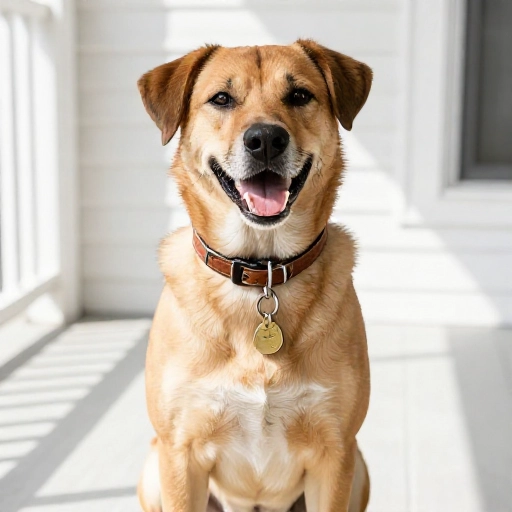
This is the one piece of gear your dog should never leave home without. A collar holds the ID tag, and that tag is what gets your pup back to you if they ever slip out the door.
Fit matters more than style here. You should be able to slide two fingers comfortably under the collar, but not four. Too loose, and your dog can back out of it. Too tight, and it rubs their neck raw.
I also love a tag with your phone number on the front and your dog’s name on the back. Skip the cute but tiny charms — make sure the numbers are big enough to read from a few feet away.
2. A No-Pull Harness for Calmer Walks
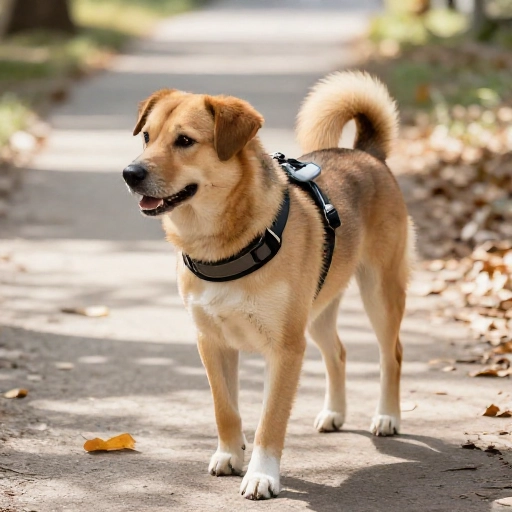
If your dog pulls, you already know the struggle. Your arm hurts, your shoulder aches, and walks stop being fun. A no-pull harness changes that almost overnight.
Look for a front-clip design. When your dog pulls forward, the leash gently redirects them to the side instead of choking their throat. It’s a game changer for strong breeds and excited puppies alike.
Measure your dog’s chest girth before buying, and always check for chafing behind the front legs during the first week.
3. A Sturdy Leash (Plus a Backup You Keep in the Car)
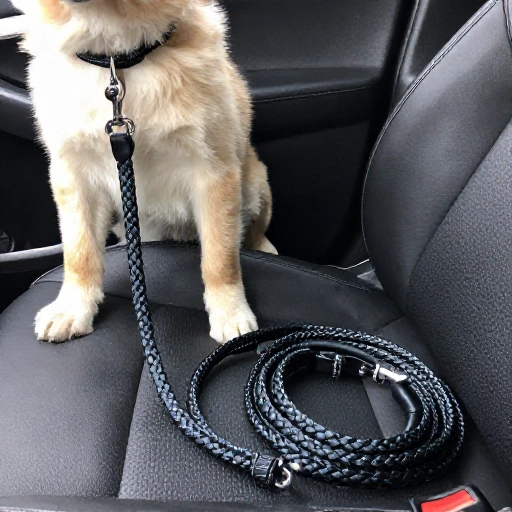
A flimsy leash is an accident waiting to happen. I learned this the hard way when a clasp snapped on a busy street. Now I only buy leashes with solid metal hardware and reinforced stitching.
A standard 5 to 6 foot leash works for everyday walks. A longer training lead is handy for parks and recall practice. And yes — keep a spare leash in your car. You’ll thank yourself one day.
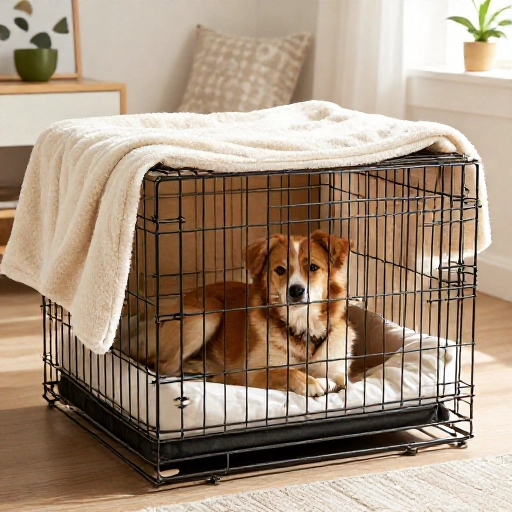
4. A Crate That Feels Like a Safe Den
Crates get a bad reputation, but a properly introduced crate isn’t a cage. It’s a cozy den where your dog can decompress, nap, and feel secure when the house gets busy.
Size it right: your dog should be able to stand up, turn around, and lie down comfortably — but not so big that they can potty in one corner and sleep in the other.
Add a soft blanket and a chew toy, and leave the door open during the day so your pup can wander in on their own.
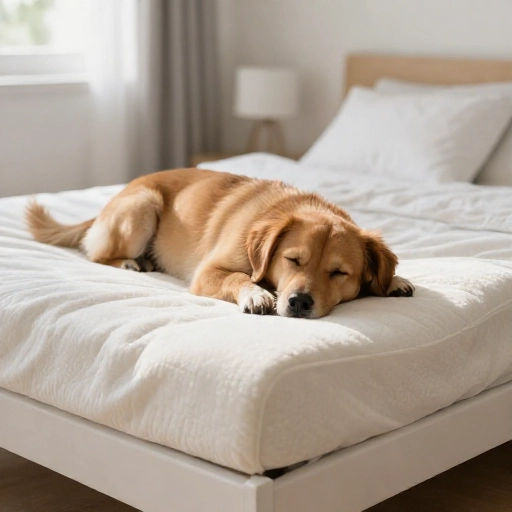
5. An Orthopedic Bed for Real, Restful Sleep
Dogs sleep 12 to 14 hours a day. That’s a lot of time on a cheap bed. An orthopedic bed with memory foam supports joints, especially for older dogs or large breeds prone to hip issues.
I look for a bed with a removable, machine-washable cover. Because let’s be honest — it will get dirty.
If your dog runs hot, a cooling mat or elevated cot-style bed is a great summer alternative.
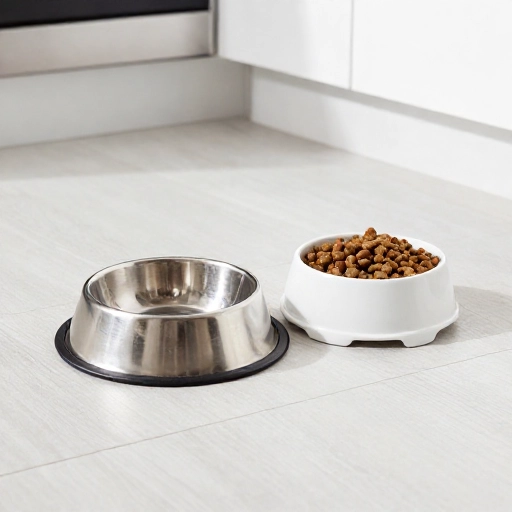
6. Stainless Steel or Ceramic Food and Water Bowls
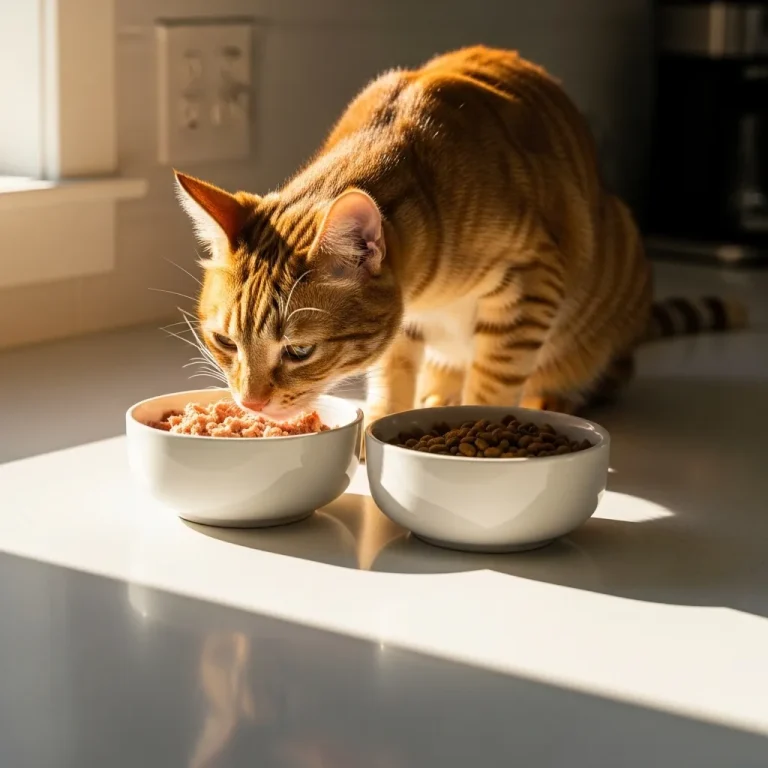
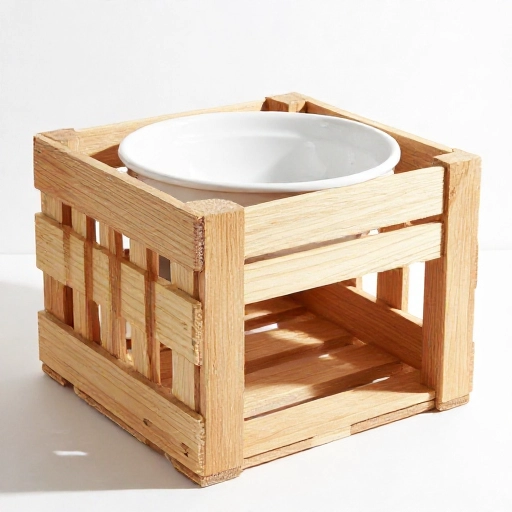
Plastic bowls scratch easily, and those tiny scratches harbor bacteria. That’s a common cause of dog acne and chin irritation. Stainless steel or ceramic is the safer, cleaner choice.
For water, I like a wide bowl that’s easy to rinse daily. Some dogs drink more when the water is fresher, so I refill twice a day without fail.
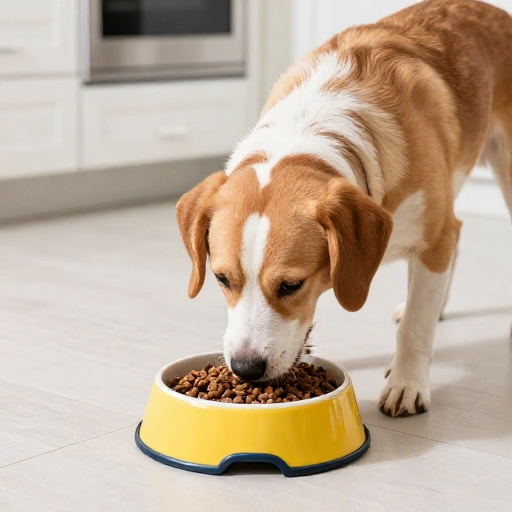
7. A Slow Feeder Bowl for the Fast Eaters
Does your dog inhale dinner in nine seconds flat? That’s not just messy — it can cause bloating and vomiting. A slow feeder bowl with ridges or a maze pattern forces them to slow down.
It also turns mealtime into a mini brain game, which is a nice bonus for high-energy pups.
If your dog gets frustrated at first, start with a shallow pattern and work up.
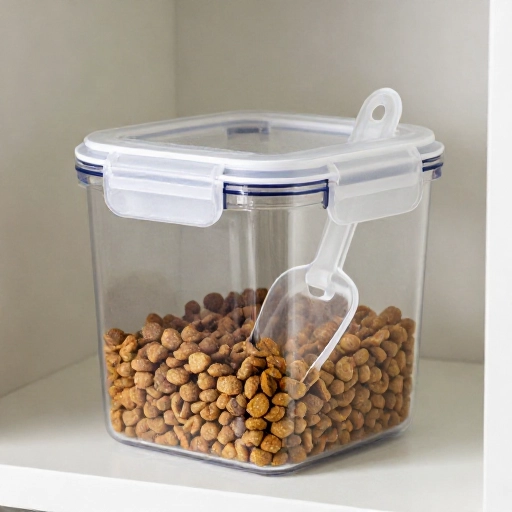
8. An Airtight Food Storage Bin
Kibble goes stale fast once the bag is open. An airtight bin keeps food fresh, keeps pests out, and makes scooping way less messy.
Here’s a tip I wish I’d known sooner: keep the original bag and put the whole thing inside the bin. The bag has the lot number and expiration date, which matters if there’s ever a recall.
9. Durable Chew Toys That Actually Survive
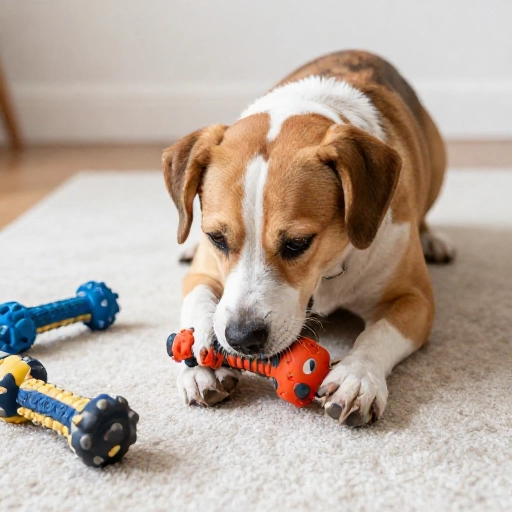
Chewing isn’t a bad habit — it’s how dogs relieve stress and clean their teeth. The problem is finding toys that last more than a day.
For heavy chewers, rubber toys with some give are safer than hard plastic or antlers, which can crack teeth. Rotate three or four toys each week so they stay exciting.
Always supervise, and toss anything with cracks or missing chunks.
10. Puzzle Toys and Enrichment Feeders
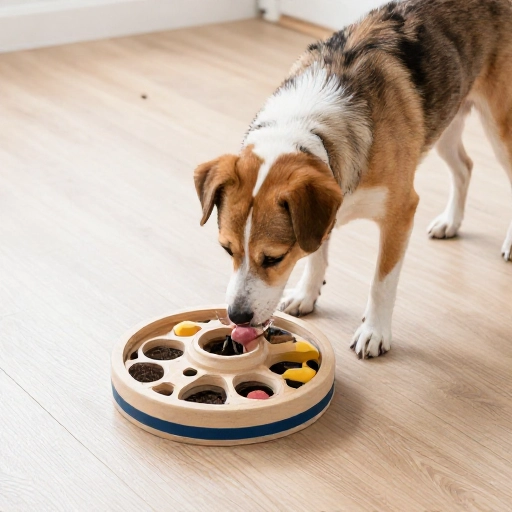
A tired dog is a well-behaved dog, and mental tiredness counts. Puzzle toys that hide treats behind flaps or sliders keep your pup busy and proud of themselves.
I use one at least three times a week, especially on rainy days when walks are short. It’s the easiest behavior tool I own.
Start easy, then increase the difficulty as your dog figures it out. Watching them solve a puzzle is honestly half the fun.
11. A Poop Bag Holder and Bags You Won’t Forget
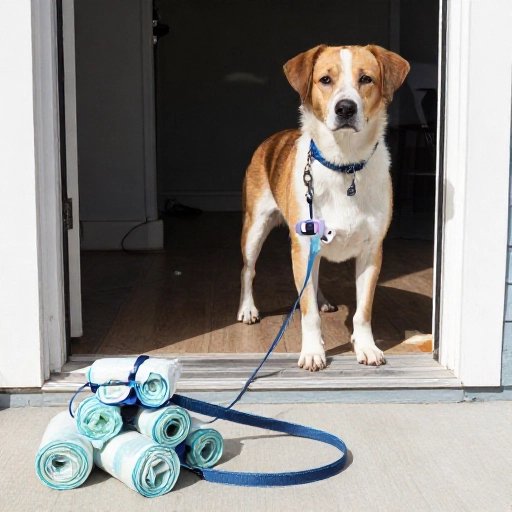
Simple, unglamorous, absolutely essential. Clip a bag holder right onto your leash so you never get caught empty-handed mid-walk.
I prefer thicker, compostable bags because thin ones rip at the worst possible moment. Trust me on this one.
Keep a small stash in your car, your jacket pocket, and by the front door. You can never have too many.
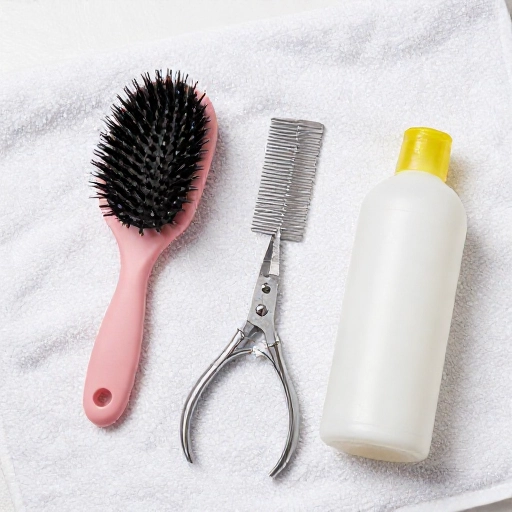
12. A Basic Grooming Kit
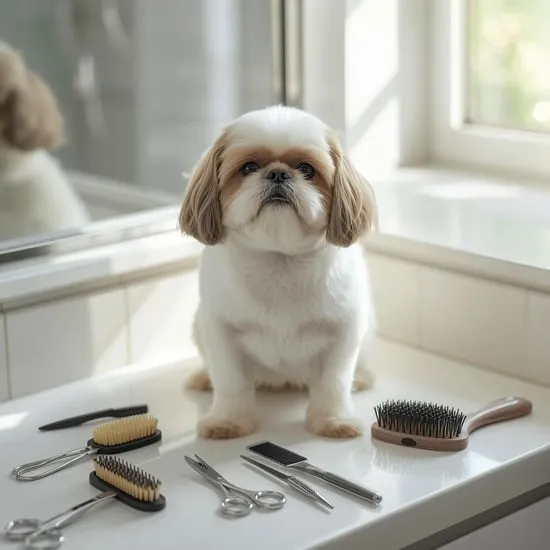
You don’t need a professional setup. You need a brush that matches your dog’s coat, a pair of nail clippers, and a gentle dog-safe shampoo.
Short coats do well with a rubber curry brush. Long or double coats need a slicker brush plus an undercoat rake during shedding season.
Trim nails every three to four weeks. If you can hear clicking on the floor, they’re overdue.
13. Dental Care Supplies
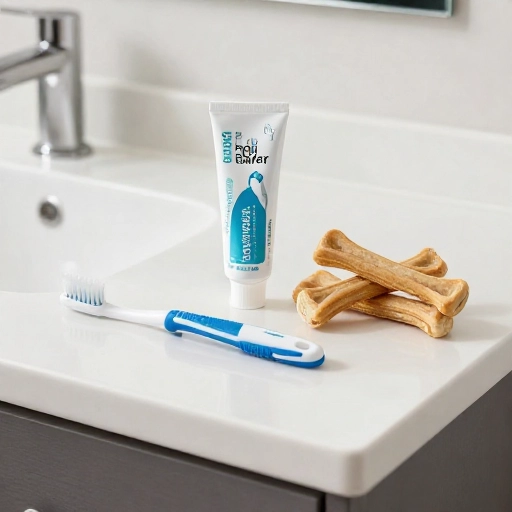
Dental disease is one of the most common problems vets see, and it’s almost entirely preventable at home. A dog toothbrush, enzymatic toothpaste, and a few dental chews go a long way.
Start slow. Let your dog lick the toothpaste first, then work up to brushing a few teeth at a time. Never use human toothpaste — it’s toxic to dogs.
Even two or three brushing sessions a week makes a real difference.
14. A Travel Kit for Car Rides and Adventures
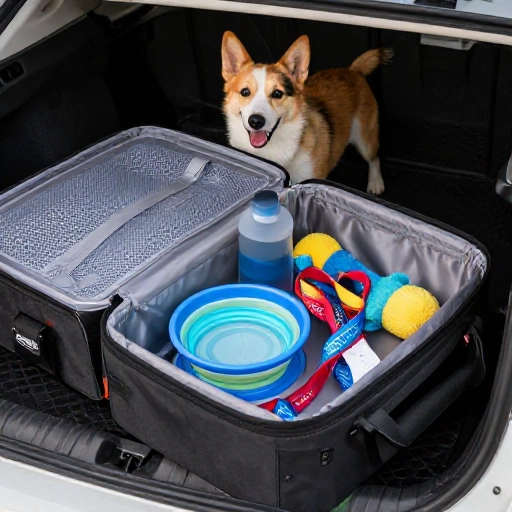
If your dog rides with you, they need gear for it. A seat cover protects your upholstery, a crash-tested harness or carrier keeps them safe, and a portable water bottle prevents overheating on long trips.
I keep a small bag packed and ready in the trunk: a collapsible bowl, a towel, a spare leash, and a few treats.
Packing it once means you’re always ready for a spontaneous trail or beach day.
15. A Dog First Aid Kit and Parasite Prevention
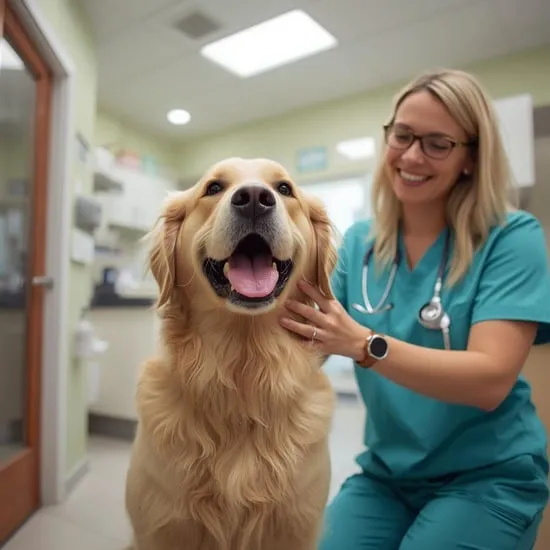
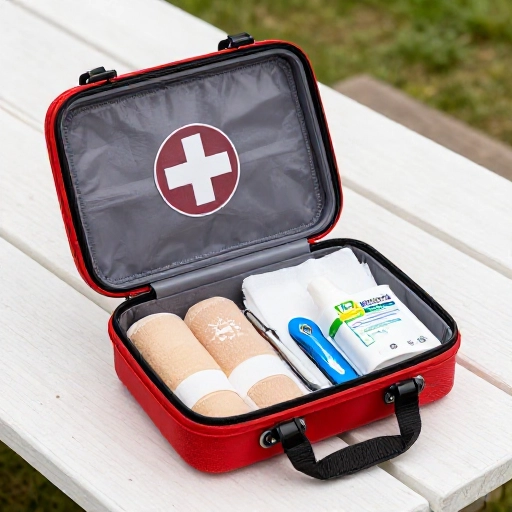
Every home with a dog should have a first aid kit. Nothing fancy — gauze, vet wrap, antiseptic wipes, tweezers, a tick remover, and a digital thermometer cover most minor situations.
Pair it with year-round flea, tick, and heartworm prevention from your vet. It’s the least exciting item on this list and probably the most important.
Add your vet’s number and the nearest emergency clinic to the kit so you’re not searching for it during a stressful moment.
My Final Take
You don’t need every gadget on the market. You need a handful of well-chosen items that make daily life safer, cleaner, and calmer for both of you.
Start with the basics — collar, leash, harness, crate, bowls — and build from there as you learn your dog’s personality. Every pup is different, and the best gear is the gear that fits your life.
If you’re shopping for a new dog or a new puppy, pick three things from this list this week. Your future self (and your dog) will thank you.
Frequently Asked Questions
What’s the very first thing a new dog owner should buy?
A well-fitted collar with an ID tag, a leash, and a harness. Those three get you walking safely on day one.
Are no-pull harnesses cruel?
Not at all. A properly fitted front-clip harness is actually gentler than a flat collar for dogs that pull, because it doesn’t put pressure on the throat.
How often should I replace dog toys?
Inspect them weekly. Replace anything cracked, torn, or missing pieces immediately. Heavy chewers may need new toys every few weeks.
Do I really need a crate if my dog behaves well?
It’s still worth having. A crate gives your dog a quiet space and makes travel, vet visits, and emergencies far less stressful.
What should go in a dog first aid kit?
Gauze, self-adhesive wrap, antiseptic wipes, tweezers, a tick remover, a thermometer, saline solution, and your vet’s phone number.